What is a Honey Bee Swarm?
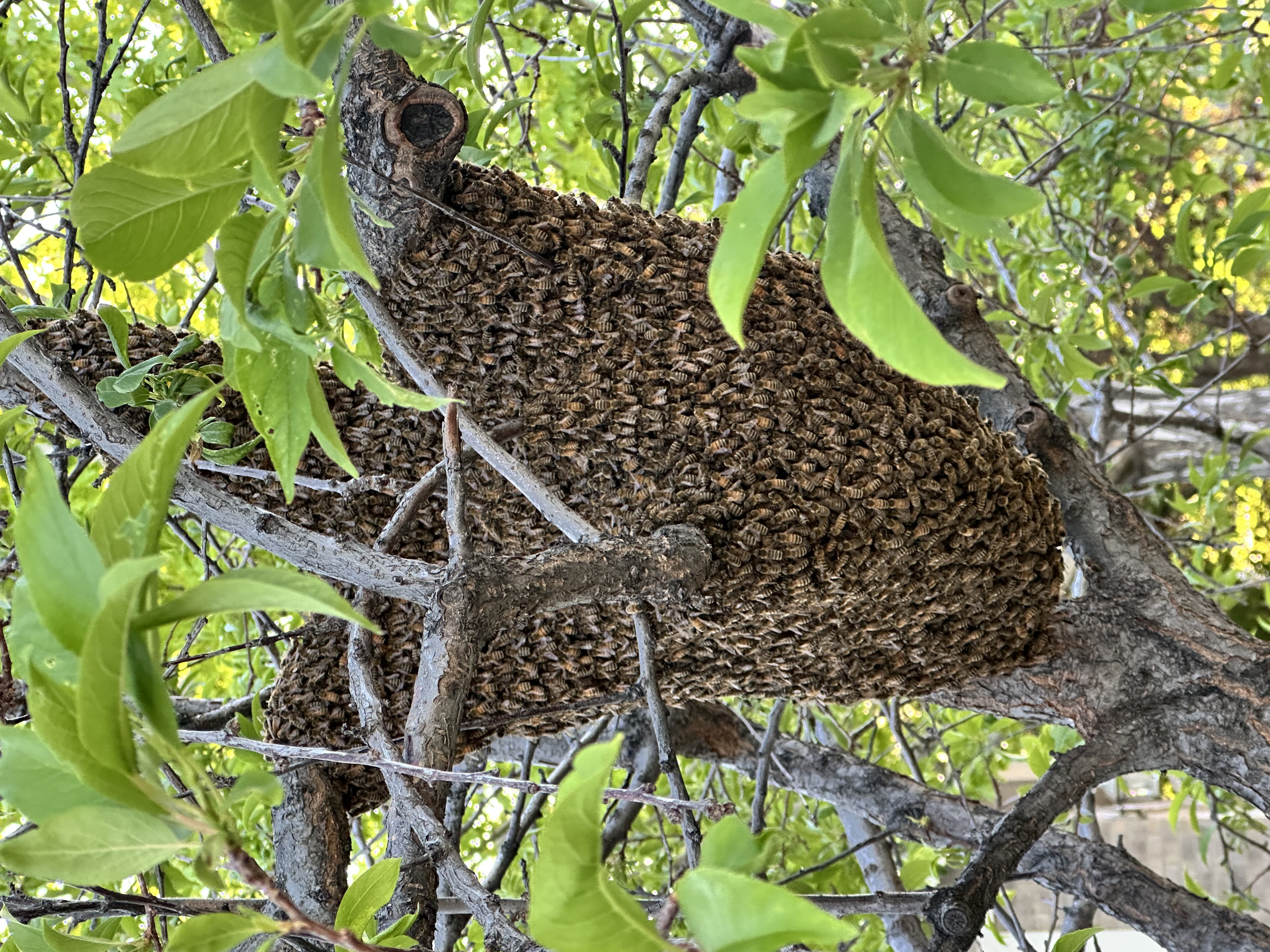
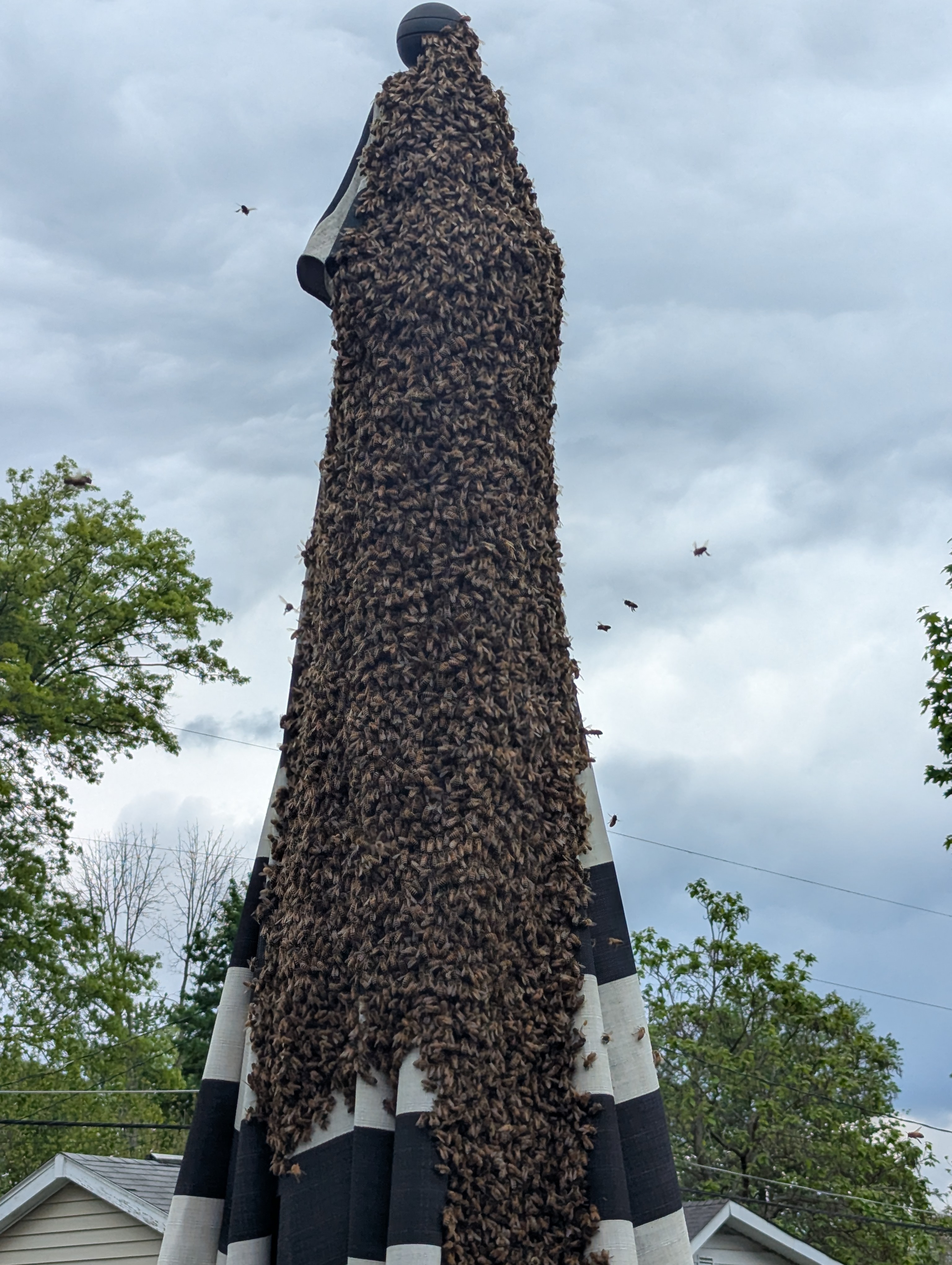
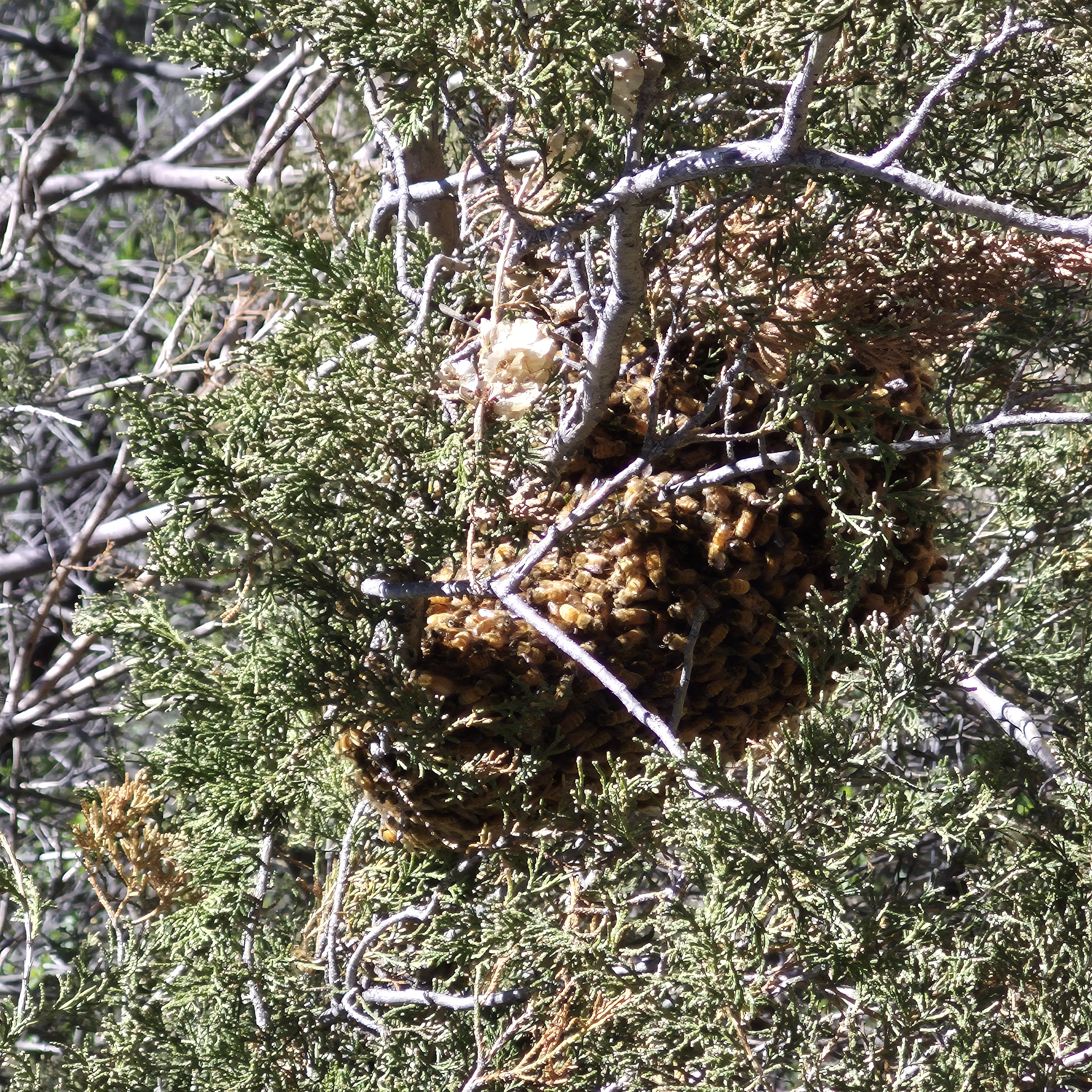
Seeing a large, buzzing cluster of honey bees hanging from a tree branch or the side of a building can be an impressive sight. This phenomenon, known as a swarm, is a natural and essential part of the honey bee life cycle. It is not an invasion or an attack; it is honey bee reproduction on a grand scale.
A swarm occurs when a healthy, established colony outgrows its current home. In preparation, the bees raise a new queen. Shortly before the new queen emerges, the old queen leaves the hive, taking with her roughly half of the colony's worker bees. This traveling group is the swarm. Their collective goal is singular: find a suitable new location to build a home, gather resources, and continue the colony.
The Science of Estimating Swarm Size
The number of bees in a swarm can vary significantly, but a typical swarm contains between 10,000 and 30,000 individual honey bees. To put that into perspective, a single swarm can contain more individuals than the population of many small towns.
How is such a large number determined? Beekeepers and researchers don't count them one by one. Instead, they use a science-based method of estimation based on weight. A beekeeper will capture the swarm in a box, weigh it, and then subtract the weight of the box. Knowing that there are approximately 3,500 to 4,000 honey bees per pound, they can calculate a reliable estimate of the swarm's population.
The size of a swarm is influenced by several factors, including the health and size of the original parent colony and the time of year. Swarms that emerge earlier in the spring season are often larger and more robust, giving them a better chance of establishing a strong new colony before winter.
Why a Swarm is Surprisingly Docile
Despite their large numbers, honey bees in a swarm are at their most docile. They have no home, no baby bees (brood), and no honey stores to defend. Before leaving their original hive, each bee gorges on honey, packing enough fuel for the journey and the initial work of building a new home. Their primary focus is on protecting the queen and conserving energy until scout bees find a permanent location.
Because they are not defensive, there is very little risk associated with a swarm that is left undisturbed. The bees are simply resting while the scouts search for a new cavity. This temporary resting period typically lasts between 24 and 72 hours. Once a suitable location is found, the entire cluster will take flight and move on.
Swarm vs. Established Hive: A Critical Distinction
It is essential for the public to understand the difference between a temporary swarm and an established colony, as the approach to each is very different.
- A Swarm: This is a transient cluster of bees hanging in the open from a branch, fence, or other object. They have not yet built wax comb. Rescuing a swarm is a relatively straightforward process for a beekeeper and is almost always a free service. Beekeepers are happy to give these bees a safe, managed home.
- An Established Hive: This is a colony of bees that has already moved into a structure, such as the wall of a house, a chimney, a shed, or a hollow tree. They have built wax comb, are raising brood, and have started storing honey. These bees will be defensive of their home. Removal of an established colony, known as a "cutout," is a complex and labor-intensive job. It often requires specialized equipment and carpentry skills to open the structure, carefully remove the bees and comb, and then repair the damage. Because of this complexity, a cutout is a paid service, and a beekeeper will provide a quote based on the difficulty of the job.
Your Role in Protecting Honey Bees
When you see a swarm, you have an opportunity to help protect honey bees and support local beekeepers. An exposed swarm is vulnerable to weather and predators. By reporting it, you connect these bees with a person who can provide them with a proper hive and care.
Community reporting has a measurable impact. In a state like Nevada, for instance, a small group of users alerted beekeepers to over 100 swarms in a season, providing crucial opportunities to rescue local bee genetics and support the beekeeping community.
Instead of calling an exterminator, which is unnecessary and harmful to these vital pollinators, a simple report can lead to a positive outcome for everyone. The bees get a safe home, a beekeeper gains a new colony, and you solve the problem on your property at no cost. You can help by reporting any swarm you see through the Swarmed platform (opens in a new tab).
Seeing tens of thousands of bees in one place is a memorable event. By understanding the science behind the swarm and knowing how to respond, you can turn that moment into a positive action for your local ecosystem. Your report is a simple act that contributes directly to the health of honey bee populations.
If you see a cluster of bees, do not spray them or attempt to remove them yourself. The safest and most helpful action is to report it. A local beekeeper is often available for a prompt and free rescue. Report a honey bee swarm today (opens in a new tab) and become a part of the solution for protecting these essential pollinators.