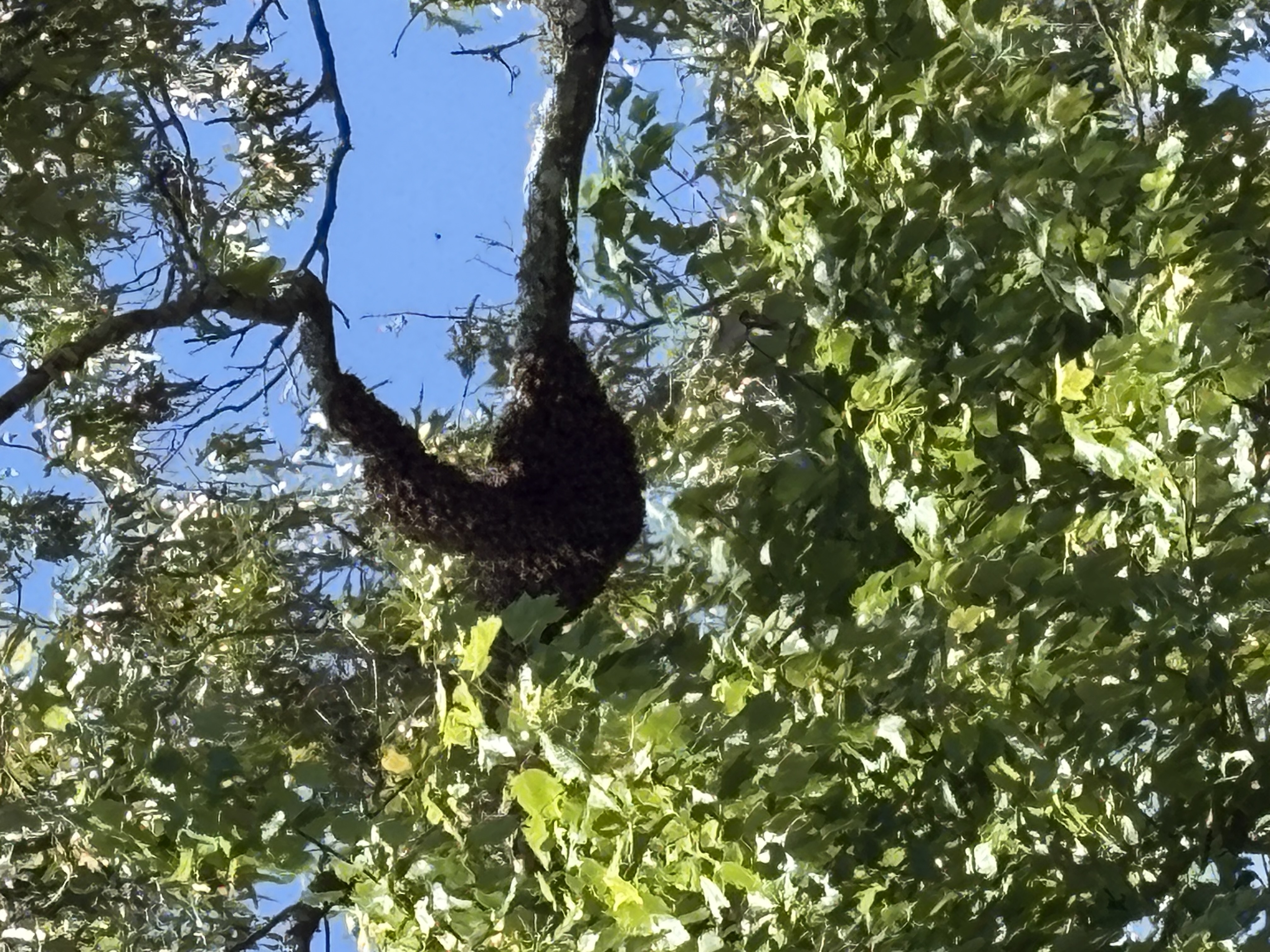
A Beekeeper's Guide to Swarm Rescue in Nevada
The Untapped Opportunity for Nevada Beekeepers Nevada’s unique landscape, from the sprawling suburbs of Las Vegas and Reno to its agricultural valleys, creates a dynam...
Read More...May 18, 2026
Home > Blog > A Guide to Honey Bee Swarms in New Jersey
May 18, 2026
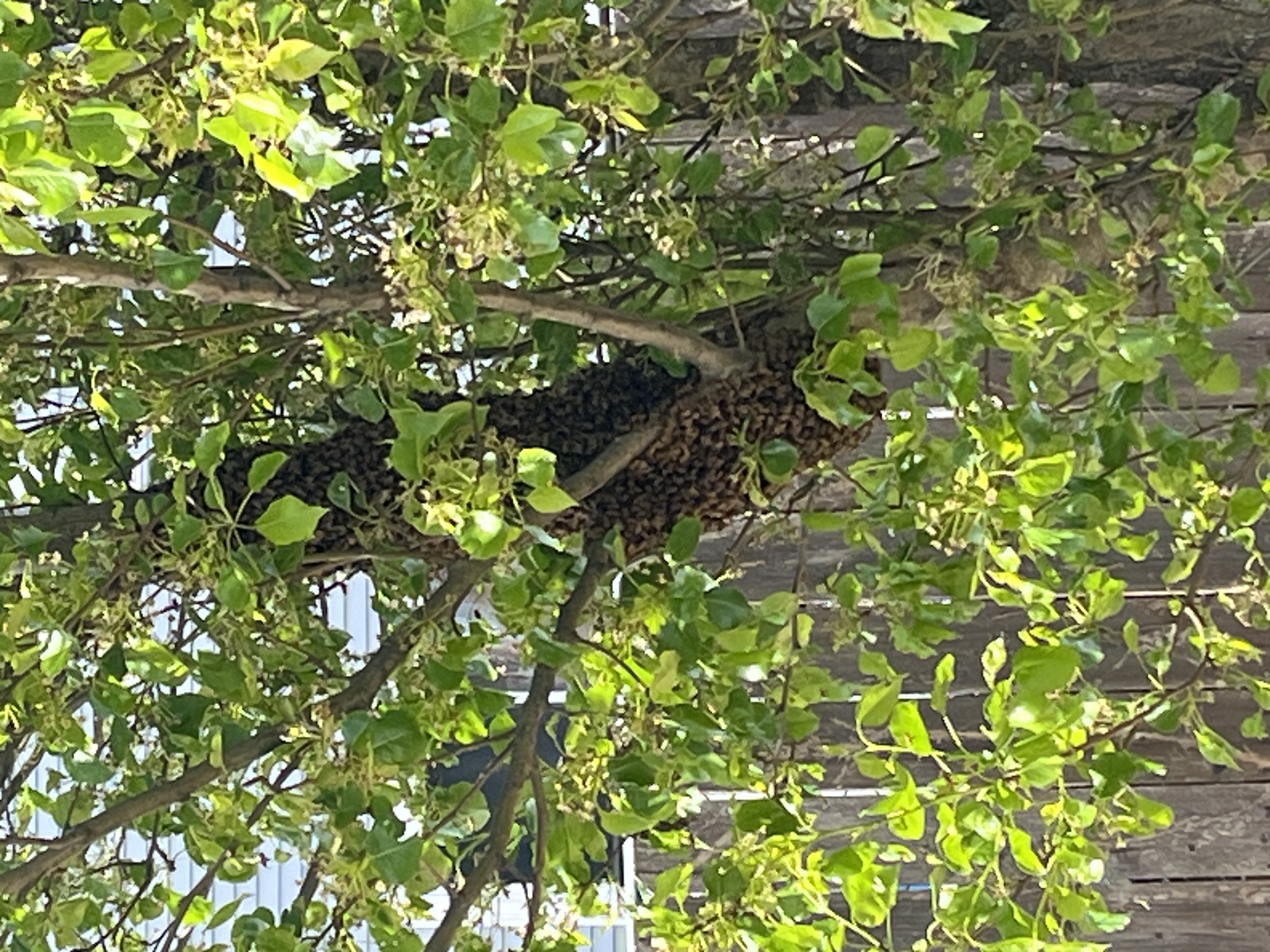
As spring breathes new life into New Jersey, gardens bloom, trees leaf out, and the air hums with activity. Among the most remarkable natural events of this season is the sight of a honey bee swarm. A large, buzzing cluster of thousands of bees hanging from a tree branch, fence post, or mailbox can be an intimidating spectacle. However, this event is not a cause for alarm; it is a beautiful and essential part of the honey bee life cycle.
Understanding what a swarm is, why it happens, and what to do empowers you to react calmly and play a crucial role in protecting these vital pollinators. This guide will walk you through everything New Jersey residents need to know about honey bee swarms.
A honey bee swarm is a colony in transition. It’s a living, moving entity composed of a single queen bee and a significant portion of her colony, often numbering between 10,000 and 30,000 worker bees. This group has left its original hive to find and establish a new home.
When you see a swarm, you are witnessing a vulnerable moment for the bees. They cluster together in a tight ball to protect the queen at the center and to stay warm. Before leaving their old hive, the bees gorge themselves on honey, packing enough fuel for the journey. This has a wonderful side effect: a swarm of honey bees is typically very docile. With full stomachs and no home, brood, or food stores to defend, they have little reason to be aggressive. Their sole focus is on finding a suitable new location to build their new home.
This clustered state is temporary, usually lasting from a few hours to a couple of days. During this time, scout bees fly out from the cluster, searching the surrounding area for a safe, permanent cavity—like a hollow tree—to move into.
Swarming is not a sign of distress or anger; it is the natural method of reproduction for a honey bee colony. Think of it as the birth of a new family. When a healthy, established colony grows too large for its current space, it prepares to divide.
The process begins when the bees decide their hive is becoming overcrowded. They raise several new queen cells. Just before a new queen emerges, the original, established queen will depart with roughly half of the colony's worker bees. The bees that remain in the original hive will continue to thrive with a new queen, ensuring the survival of the parent colony.
This remarkable behavior is a sign of a successful, healthy bee population. It’s a testament to the colony's ability to gather enough resources to expand its presence in the ecosystem, which is fantastic news for the pollination of New Jersey's crops and wildflowers.
Understanding the distinction between a transient swarm and an established hive is crucial, especially when it comes to removal.
Reporting a bee colony as soon as you see it—while it is still a swarm—is the best way to ensure a simple, safe, and free resolution.
If you encounter a honey bee swarm, you are in a unique position to help. The most important actions are to remain calm and report it to people who can assist.
The Swarmed network provides a free and simple way to alert nearby beekeepers. You can report a honey bee colony on our website (opens in a new tab), and your alert will instantly notify registered beekeepers in your area who are ready to help.
By taking this simple action, you are not just removing bees from your property; you are participating in a community-wide effort to protect and preserve honey bees. These incredible insects are responsible for pollinating a vast array of the fruits and vegetables that give the Garden State its name. Supporting them means supporting local agriculture and biodiversity.
Seeing a honey bee swarm is a unique opportunity to witness nature's fascinating processes up close. By understanding their behavior and knowing the right steps to take, you can turn a moment of surprise into a positive action for your community and the environment. If you spot a swarm, help protect these vital pollinators by reporting it to the Swarmed network (opens in a new tab). Local beekeepers are ready to provide the bees with a safe new home, ensuring they continue their essential work.
The Untapped Opportunity for Nevada Beekeepers Nevada’s unique landscape, from the sprawling suburbs of Las Vegas and Reno to its agricultural valleys, creates a dynam...
Read More...May 18, 2026
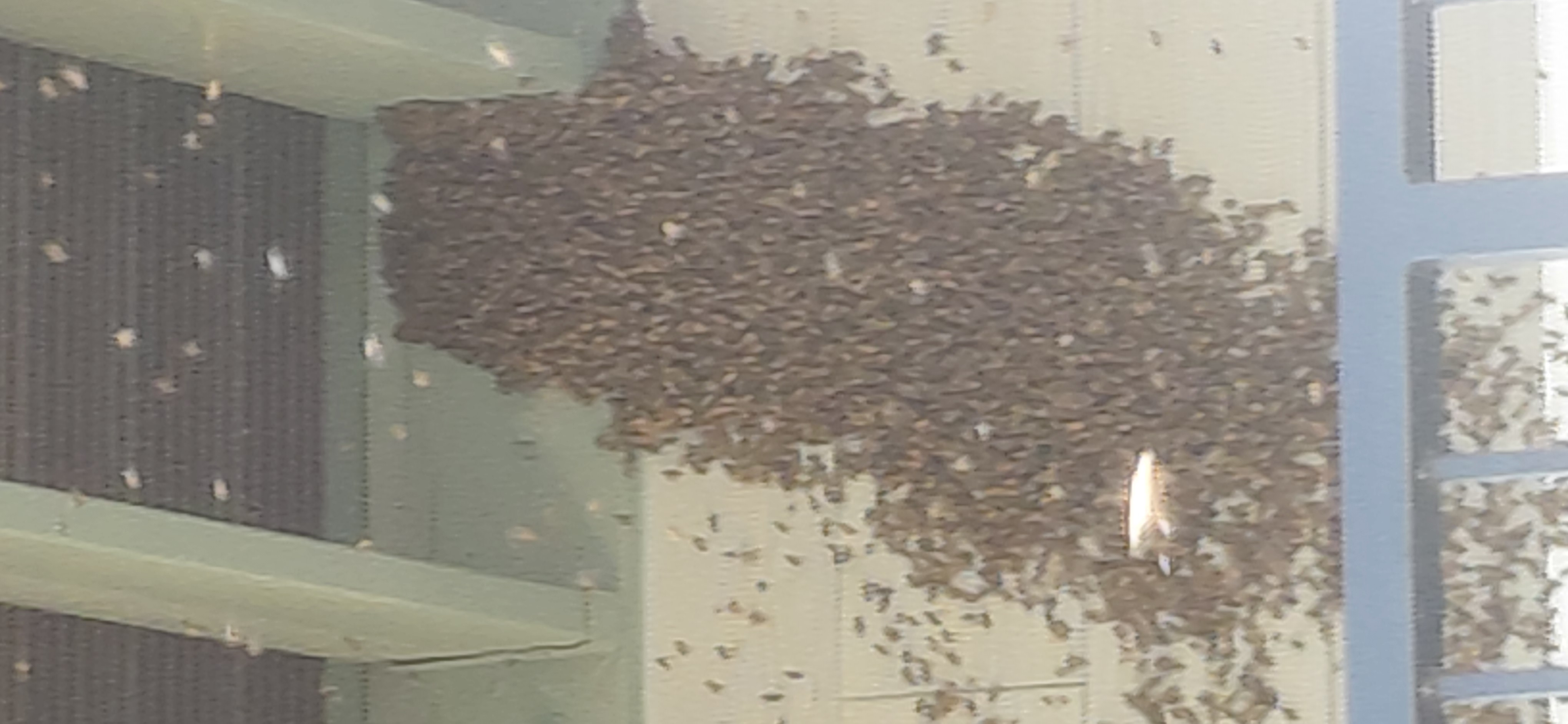
California's Golden Opportunity: Harnessing the Spring Swarm For beekeepers across California, the arrival of spring signals more than just almond blossoms and wildflo...
Read More...May 18, 2026
