Hawaii's Spring Swarm Season: Your Guide to Helping Honey Bees
As the vibrant flowers of spring emerge across the Hawaiian Islands, another natural phenomenon takes to the air: the honey bee swarm. From the bustling streets of Honolulu to the lush landscapes of Hilo, clusters of honey bees are on the move, looking for a new place to call home. While a large ball of buzzing bees can seem intimidating, it represents a healthy, growing bee population—a sign of a thriving ecosystem.
Understanding this process is key to coexisting with and protecting these essential pollinators. This guide will walk you through Hawaii's unique swarm season, explain what to do if you encounter a swarm, and show you how filing a simple Hawaii bee swarm report can make a huge difference for local bees and beekeepers.
What is a Honey Bee Swarm?
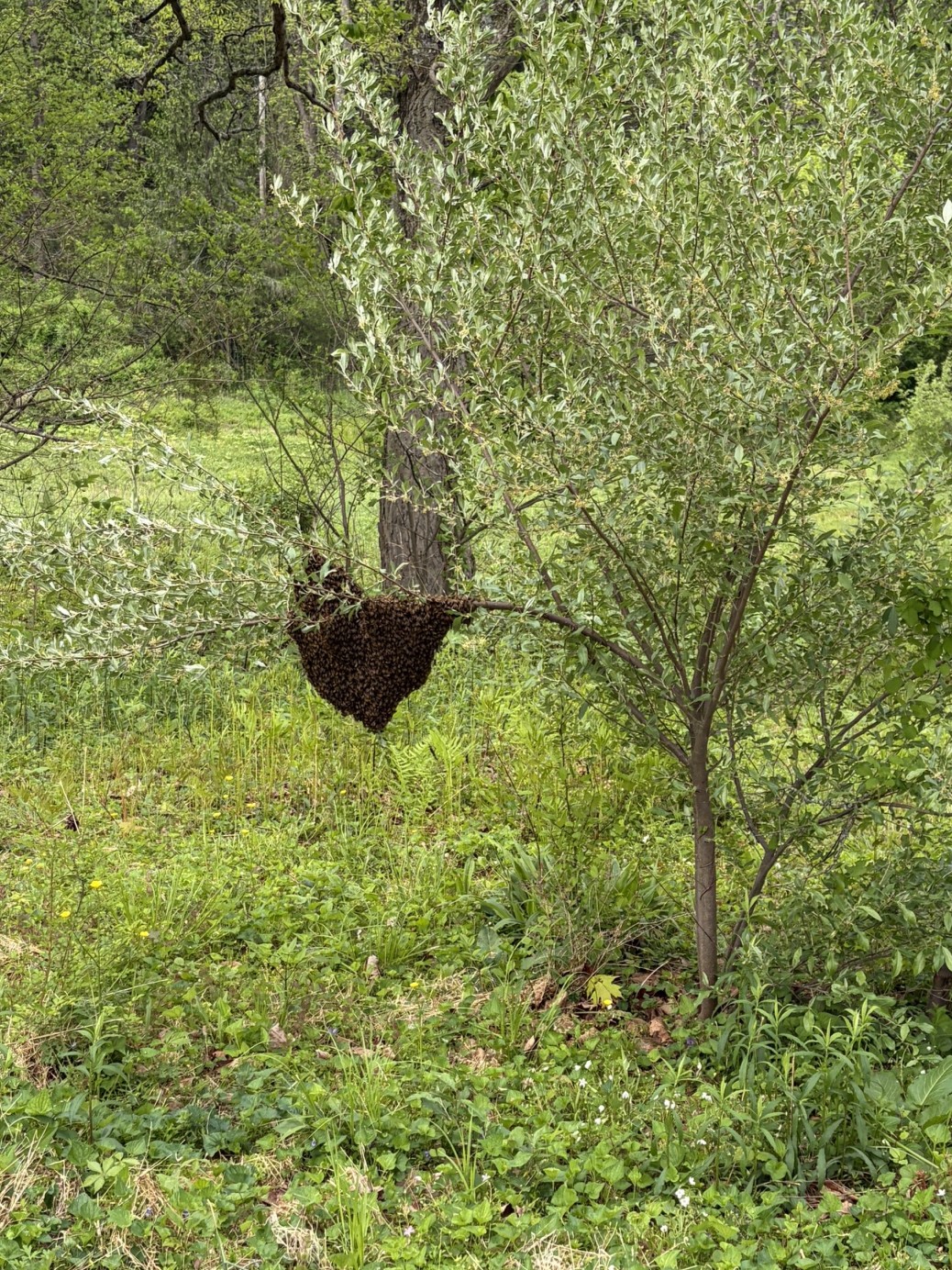
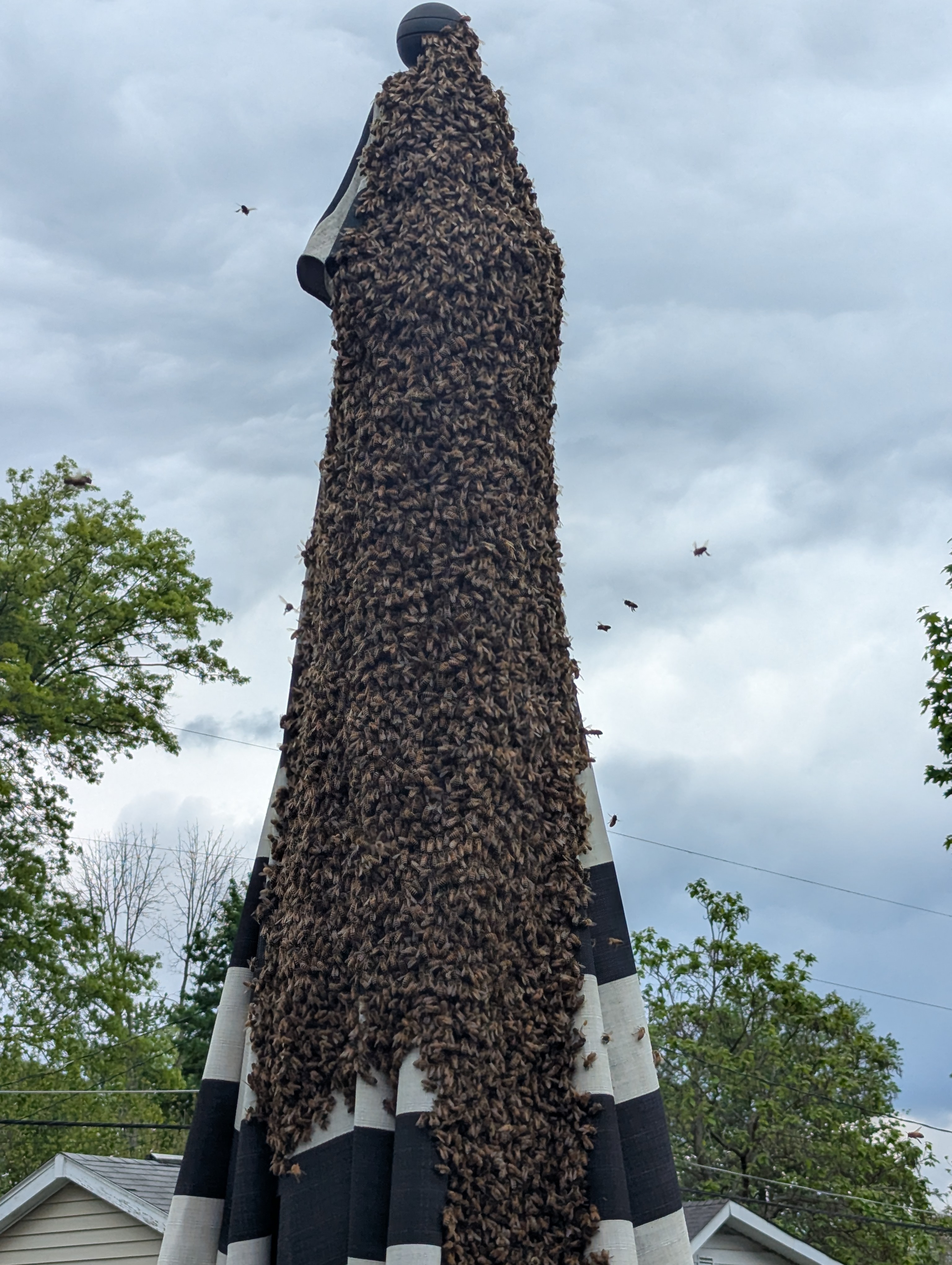
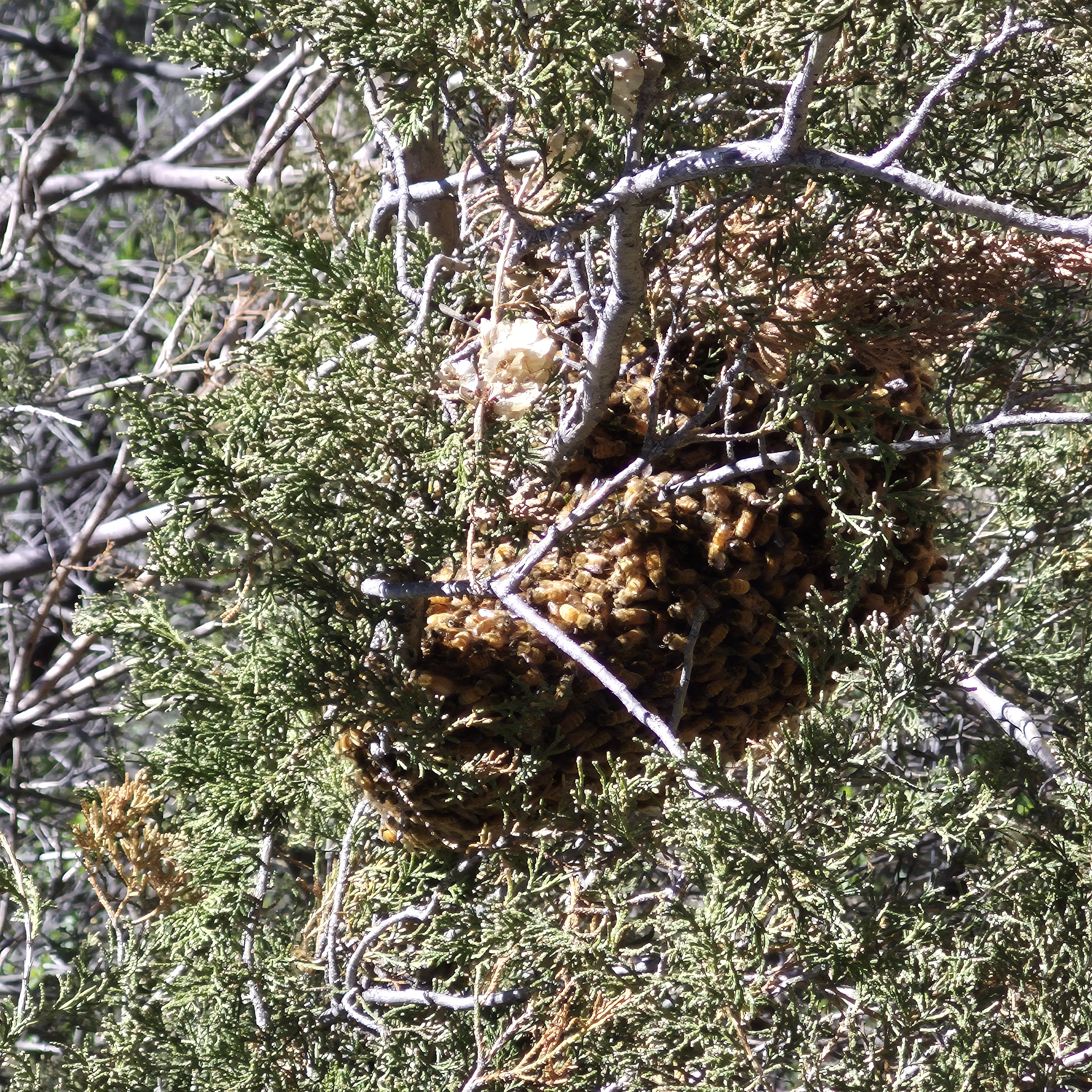
A honey bee swarm is a natural part of a colony's life cycle. When a hive becomes overcrowded, the old queen and about half of the worker bees leave to start a new colony. This migrating group is called a swarm.
They will often cluster together on a tree branch, a fence post, or the side of a building while scout bees search for a suitable new permanent home. This is a temporary stop, usually lasting only 24 to 72 hours. The bees in a swarm are surprisingly docile. Before leaving their original hive, they fill their stomachs with honey, making them full, content, and less inclined to sting. They have no home, brood, or honey stores to defend, so their focus is solely on finding a new residence.
It's crucial to distinguish this temporary swarm from bees that have already built a home.
Swarm vs. Established Hive: A Critical Distinction
Knowing the difference between a swarm and an established hive is important, as it determines the next steps and the type of assistance required.
- A Swarm: This is a transient cluster of bees hanging in the open. They have not built any wax comb. Because beekeepers value these bees for starting new hives in their apiaries, swarm rescue is almost always a free service. Local beekeepers are happy to come and give these bees a safe, managed home.
- An Established Hive (or Colony): If the bees have moved into a structure—like the wall of a house, a roof eave, a hollow tree, or an irrigation box—they are no longer a swarm. They have begun building wax comb, raising young (brood), and storing honey. These bees will be defensive of their home. Removing an established hive is a complex process called a "cutout." It often involves carpentry, structural access, and careful removal of comb. This is specialized work that requires a fee. A professional beekeeper will provide a quote based on the complexity, time, and potential repairs involved.
Reporting any group of bees is the right first step. A beekeeper can help you identify the situation and advise on the best course of action.
Hawaii's Unique Swarm Season
While mainland states have a more defined swarm season, Hawaii's tropical climate allows for honey bee activity year-round. However, there is a distinct peak during the spring months.
In urban areas like Honolulu, the season often kicks into high gear as floral resources become abundant. In places like Hilo, known for its rainfall and lush vegetation, swarms can be a common sight as colonies expand rapidly. Further west, the spring swarm timeline in Kailua-Kona follows a similar pattern, driven by the bloom cycles of local flora.
This increased activity means residents are more likely to encounter swarms. Your quick action can ensure these bees are safely relocated instead of moving into a location where they might conflict with people.
How Your Report Helps Bees and Your Community
When you see a swarm, you have an opportunity to make a positive impact. By reporting it, you are:
- Protecting Honey Bees: A reported swarm can be rescued by a beekeeper and moved to a managed apiary. This protects them from uninformed extermination and gives them a much higher chance of survival.
- Supporting Local Beekeepers: Beekeepers rely on swarms to maintain and grow their apiaries, which are vital for pollinating local crops and producing Hawaiian honey. A swarm is a valuable resource for them.
- Keeping Your Community Safe: By ensuring swarms are collected, you prevent them from establishing new hives in inconvenient or unsafe locations, such as inside the walls of a school or home.
This is where a coordinated network becomes essential. Swarmed processes over 100,000 alerts each season, connecting thousands of people with beekeepers across the nation. Our system tracks bee activity to better understand and support pollinator health. For instance, in Nevada, our network logged over 100 swarms last season, providing valuable data that helps local beekeepers anticipate and respond to bee population trends.
What to Do When You See a Swarm
If you encounter a honey bee swarm, there is no need to panic. Follow these simple steps:
- Keep a Safe Distance: While swarms are docile, it's best to observe them from afar. Do not disturb the cluster.
- Do Not Spray Them: Never spray a swarm with water or insecticide. This will not make them leave and will likely harm or agitate the bees.
- Take a Picture (Safely): If you can do so from a distance, a photo can help the beekeeper confirm it's a honey bee swarm and assess its size and location.
- File a Report: The most important step is to alert local beekeepers. You can file a free Hawaii bee swarm report quickly and easily through the Swarmed platform.
The process is simple. Visit https://beeswarmed.org/report-bee-colony, enter the location, and add a few details. Our system instantly notifies registered beekeepers in your area, and one will typically respond to arrange a free collection.
Help Protect Hawaii's Honey Bees This Spring
Honey bee swarms are a beautiful, natural part of Hawaii's spring landscape. By understanding what they are and how to respond, you can play a direct role in protecting these vital pollinators and supporting the local beekeeping community. The next time you see a cluster of bees hanging from a tree or fence, you'll know exactly what to do.
Help us help the bees. If you see a swarm, report it immediately. Your simple action ensures a safe outcome for both the bees and your community.
To report a honey bee swarm in Honolulu, Hilo, Kona, or anywhere across the islands, please visit our reporting page at https://beeswarmed.org/report-bee-colony.