
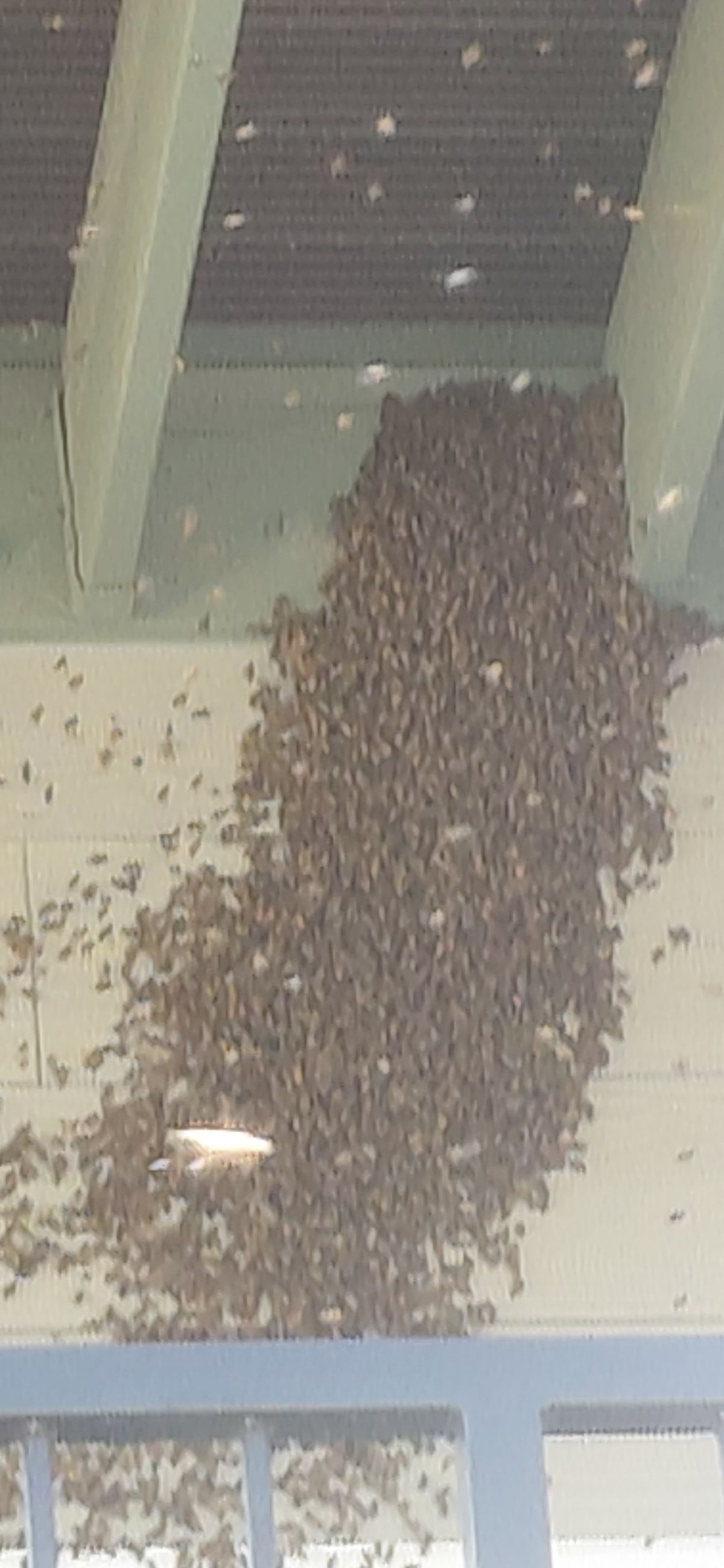
A Beekeeper's Guide to Swarm Season in California
California's Golden Opportunity: Harnessing the Spring Swarm For beekeepers across California, the arrival of spring signals more than just almond blossoms and wildflo...
Read More...May 18, 2026
Home > Blog > A Guide to Honey Bee Swarms in California for Residents
May 17, 2026
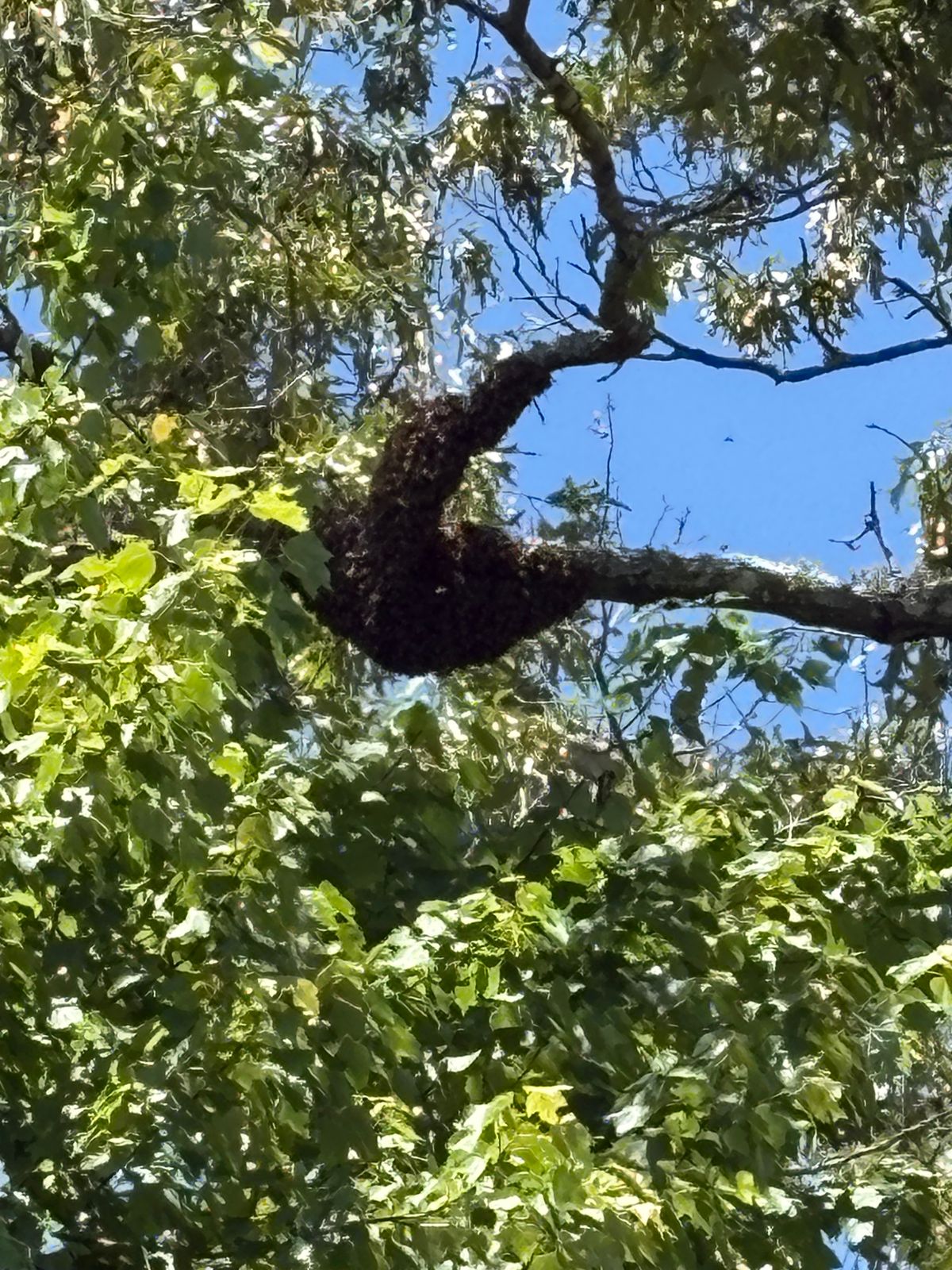
As spring unfolds across California, painting hillsides with wildflowers and waking up orchards, another natural spectacle takes to the air: the honey bee swarm. For many, a large, buzzing cluster of thousands of bees hanging from a tree branch or fence post can be an unsettling sight. However, this remarkable event isn't a cause for alarm; it's a sign of a healthy, thriving ecosystem and a critical moment in the life of a honey bee colony.
Understanding what a swarm is, why it happens, and what to do when you see one can transform a moment of uncertainty into an opportunity to support California’s most important pollinators and your local beekeeping community.
A honey bee swarm is nature's way of creating two bee colonies from one. It is a natural reproductive process for a healthy, growing colony. In the spring, when a hive becomes overcrowded with a booming population and ample food stores, the colony prepares to divide.
The original queen bee, along with usually 5,000 to 20,000 loyal worker bees, leaves the parent hive to find a new home. Before they depart, these bees gorge themselves on honey, packing enough fuel for the journey. This is a key reason why swarming bees are surprisingly docile. They are not defending a home, brood, or honey stores; their sole focus is on protecting their queen and finding a suitable new location to build a hive. The cluster you see is a temporary resting spot, a bivouac where scout bees gather information before the colony agrees on a final destination. This resting period typically lasts only 24 to 72 hours.
It's essential for residents to understand the distinction between a temporary swarm and an established hive, as it determines the proper course of action and the potential cost involved.
Knowing this difference helps set the right expectations when you reach out for help.
When you spot a swarm, you have a unique chance to help. These bees are vulnerable while searching for a new home, and connecting them with a beekeeper gives them the best chance of survival. This is where a community effort makes all the difference.
The Swarmed network is a testament to this community power. In California alone, our growing network includes over 640 registered beekeepers who are ready to help. Last season, they responded to alerts for over 2,040 reported swarms across the state, and the trend of community reporting is rising. Your report directly supports these local experts and protects our vital pollinators.
If you see a swarm, the steps are simple and safe:
By reporting, you are doing more than just removing bees from your property; you are providing a local beekeeper with a healthy, local colony and ensuring these pollinators continue their essential work in our state’s agricultural landscape.
To ensure you're reporting the right insect, it helps to know what to look for. Honey bees are typically fuzzy, with golden-brown and black stripes. They are focused on flowers or their swarm cluster.
This is different from more aggressive insects like yellowjackets or wasps, which are often mistaken for bees. Yellowjackets are sleeker, have distinct and bright yellow and black markings, and are commonly attracted to human food, like picnics and trash cans.
Honey bees are more than just producers of honey; they are the cornerstone of California’s agricultural abundance, pollinating everything from almonds and avocados to melons and berries. Protecting a swarm is a direct investment in the health of our environment and food supply.
The next time you see that buzzing ball of bees, you’ll know it’s not a threat but a beautiful, natural event. It’s a colony on an adventure, and you can be the one to guide them to a safe harbor.
If you see a honey bee swarm, embrace the opportunity to be a community scientist and a friend to the bees. Your quick and simple action can make a world of difference. Help protect our pollinators by visiting Swarmed to report the bee colony (opens in a new tab) and connect them with a local beekeeper.
California's Golden Opportunity: Harnessing the Spring Swarm For beekeepers across California, the arrival of spring signals more than just almond blossoms and wildflo...
Read More...May 18, 2026
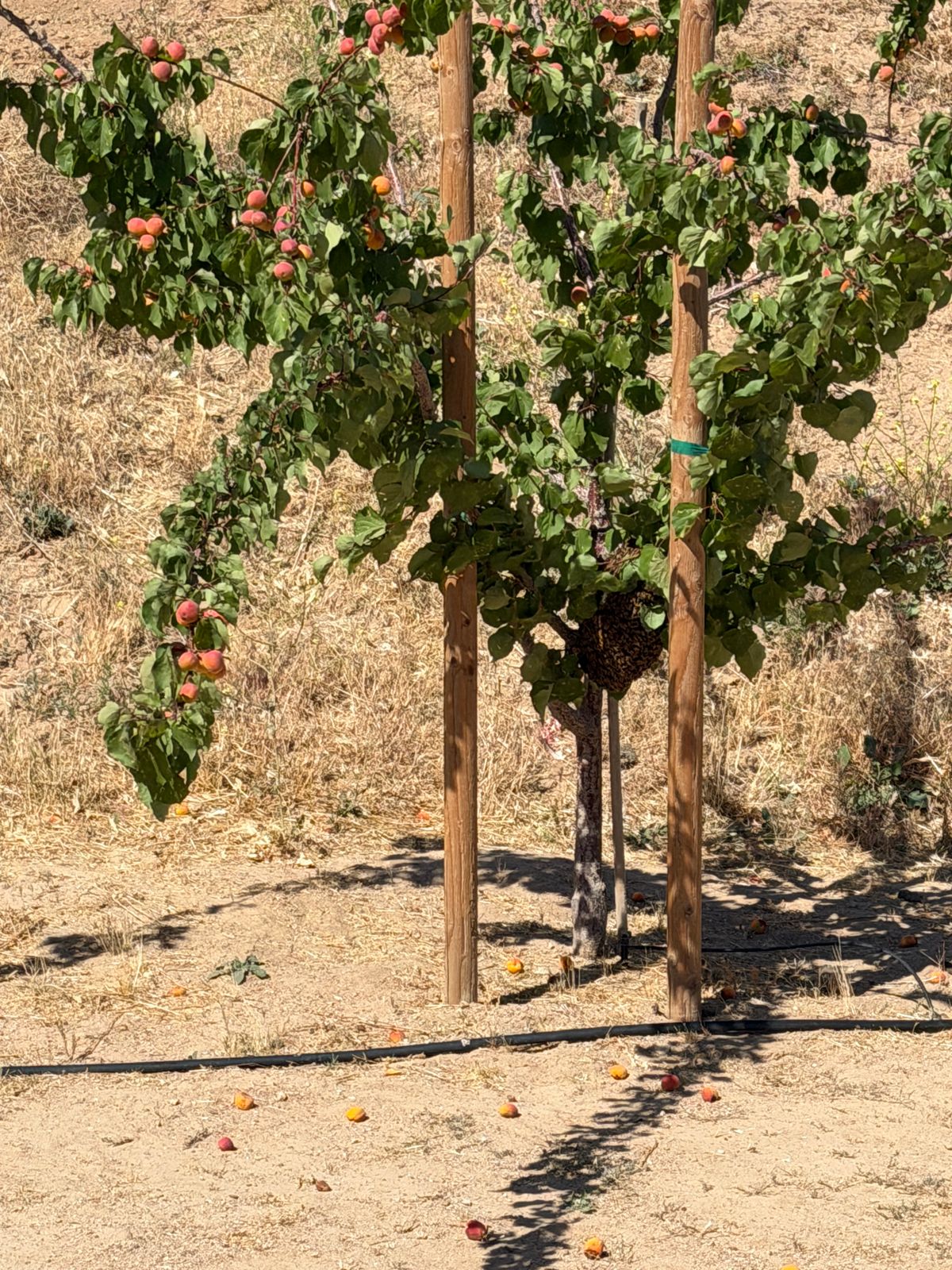
A Beekeeper's Guide to Swarm Collection in Idaho Spring has arrived in the Gem State, and with it, the unmistakable hum of honey bee swarms. For beekeepers, this is a...
Read More...May 18, 2026