
A Beekeeper's Guide to Swarm Season in California
California's Golden Opportunity: Harnessing the Spring Swarm For beekeepers across California, the arrival of spring signals more than just almond blossoms and wildflo...
Read More...May 18, 2026
Home > Blog > Georgia Bee Swarm Season: What to Do and How to Help
May 6, 2026
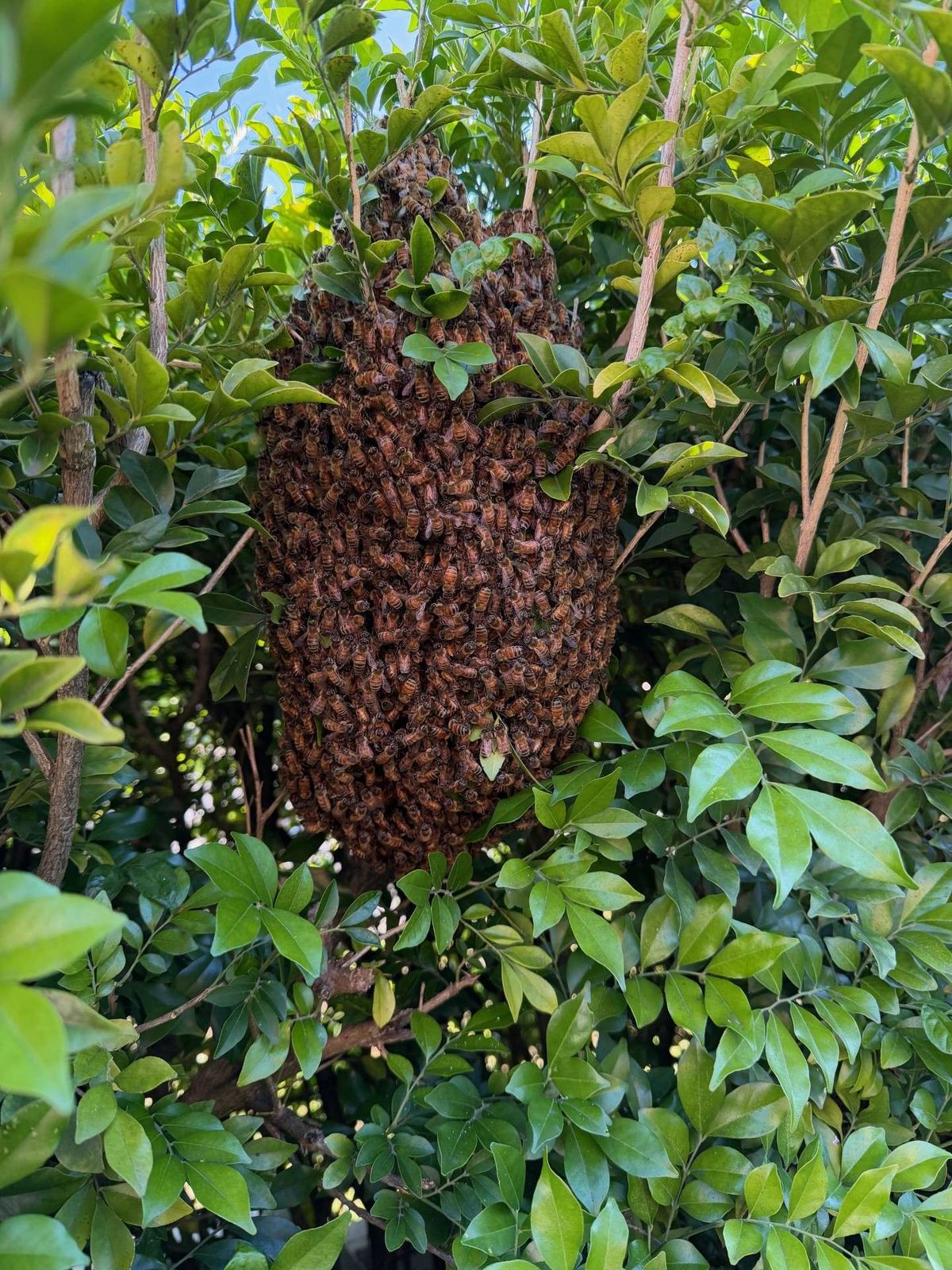
As spring unfolds across Georgia, from the bustling streets of Atlanta to the historic squares of Savannah and the riverbanks of Augusta, the air fills with the scent of blooming flowers and the sound of buzzing honey bees. This is the time of year when honey bee colonies are at their most active, leading to a natural phenomenon that can be startling if you're not expecting it: swarming.
Seeing a large cluster of thousands of bees on a tree branch or fence post can be intimidating, but it's actually a sign of a healthy, thriving honey bee population. This guide will walk you through Georgia's bee swarm season, explain what to do when you see a swarm, and show you how you can play a vital role in protecting these essential pollinators.
Honey bee swarming is the natural process of reproduction for a colony. When a hive becomes overcrowded, the old queen will leave with about half of the worker bees to find a new home. The bees left behind will raise a new queen to continue the original colony. Before they depart, the swarming bees gorge themselves on honey to have enough energy for the journey, which makes them surprisingly docile. Without a home or baby bees (brood) to defend, their primary focus is finding a suitable new location.
In Georgia, the primary bee swarm season typically begins in late March and peaks from April through early June. The warm, humid climate and abundant floral resources, especially in areas like Athens with its mix of urban gardens and rural landscapes, create ideal conditions for colonies to grow and multiply. This is when you are most likely to encounter a transient swarm.
Understanding the difference between a swarm and an established hive is critical, as it determines the proper course of action and what to expect regarding removal.
When you see a honey bee swarm, you have a unique opportunity to help. The best action you can take is to report it to a network that can connect you with a local beekeeper ready to help. Swarmed is a platform designed to do exactly that, creating a bridge between the community and beekeepers.
By reporting a swarm, you provide local beekeepers with healthy, local bees to strengthen their apiaries, support Georgia's agriculture through pollination, and ensure the bees are relocated safely instead of being exterminated or moving into an undesirable location. The process is simple: observe the bees from a safe distance, note their location, and report the colony.
To help protect these vital pollinators and support your community, you can report a swarm at https://beeswarmed.org/report-bee-colony (opens in a new tab).
Every swarm report is more than just a single rescue; it's a valuable data point that helps track the health and movement of honey bee populations. This community-sourced information provides insights into local bee genetics and population dynamics that are crucial for beekeepers and conservationists.
Each report adds to a nationwide understanding of honey bee health. While Georgia's swarm season is in full swing, other regions show different patterns. For example, Swarmed's activity score for a state like Nevada recently registered 1925, reflecting its unique climate and nectar flows. Your report from Atlanta or Augusta helps build a similar, detailed picture for the Peach State, guiding conservation efforts and supporting beekeepers who rely on this knowledge.
A rescued swarm is a genetic treasure that allows a beekeeper to start a new, productive hive that is already adapted to Georgia's specific environmental conditions.
The next time you see a cluster of bees hanging from a branch, you'll know it's not a threat but an opportunity. By taking a moment to report it, you become a crucial link in the chain of honey bee survival. Help protect Georgia's honey bees and support your local beekeeping community. Report any honey bee swarm you see at https://beeswarmed.org/report-bee-colony (opens in a new tab) and become a part of the solution for a healthier ecosystem.
California's Golden Opportunity: Harnessing the Spring Swarm For beekeepers across California, the arrival of spring signals more than just almond blossoms and wildflo...
Read More...May 18, 2026
A Beekeeper's Guide to Swarm Collection in Idaho Spring has arrived in the Gem State, and with it, the unmistakable hum of honey bee swarms. For beekeepers, this is a...
Read More...May 18, 2026