
A Beekeeper's Guide to Swarm Season in California
California's Golden Opportunity: Harnessing the Spring Swarm For beekeepers across California, the arrival of spring signals more than just almond blossoms and wildflo...
Read More...May 18, 2026
Home > Blog > From Mountains to Metro: Strengthening the Colorado Beekeeper Network
May 6, 2026
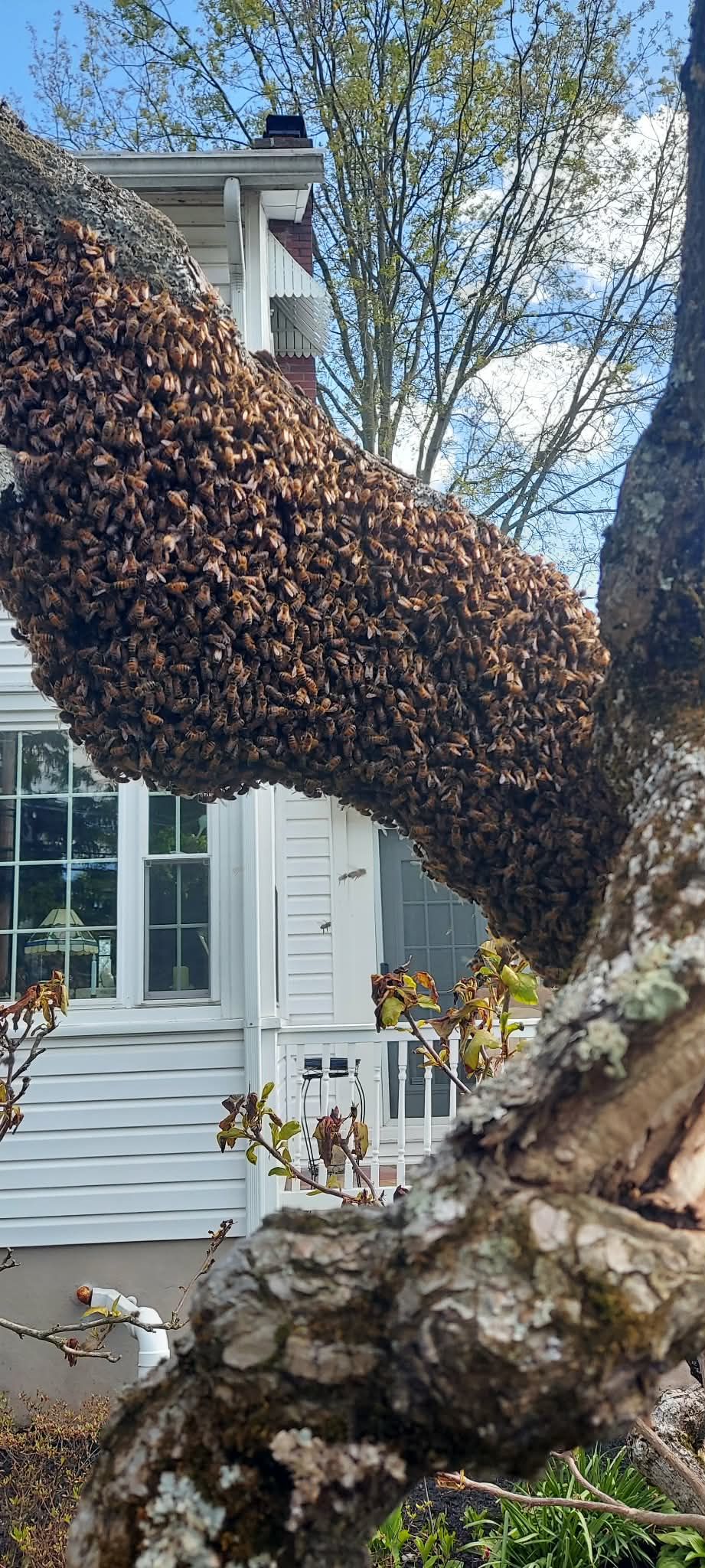
Across Colorado, the transition to warmer weather brings a predictable and vital natural phenomenon: the buzz of honey bee swarms. From the dense urban core of Denver to the sprawling suburbs of Colorado Springs and the rugged foothills surrounding Boulder, this seasonal surge represents both a challenge for the public and a significant opportunity for the state's beekeepers. Effectively managing this period requires preparedness, expertise, and most importantly, coordination. A robust Colorado beekeeper network is the key to ensuring these transient bee colonies are safely rescued and find new homes in managed apiaries.
Colorado's geography presents a unique set of circumstances for swarm response. Each region demands a slightly different approach, underscoring the need for a versatile and widespread network of skilled individuals.
For the dedicated beekeeper, swarm season is a time of immense opportunity. However, success hinges on understanding the critical difference between two types of bee encounters: swarm collection and established hive removal, also known as a "cutout."
Swarms, the primary focus of the Swarmed alert system, are transient clusters of bees that have left their parent hive to establish a new one. A typical swarm contains a queen and thousands of worker bees. Because they are in transit and have engorged themselves on honey for the journey, they are remarkably docile. They have no brood or established home to defend. For a beekeeper, this is a golden opportunity. Collecting a swarm is generally a straightforward process, often requiring little more than a box and some patience. These are healthy, locally-adapted bees that can be used to start new colonies or strengthen an existing apiary, all without the cost of purchasing packaged bees.
Established hives, on the other hand, are colonies that have already built a home within a structure like a wall, roof, or shed. They have invested significant energy in building wax comb, raising brood, and storing resources. As a result, they are defensive of their home. Removing an established hive is a complex process known as a cutout. This is not a simple collection; it is a specialized service that involves carpentry, structural access, and careful removal of comb and bees. This work is labor-intensive and requires a unique skill set. Consequently, cutouts are a paid service. As a beekeeper, you should provide a fair quote based on the job's complexity, time commitment, and any necessary repairs. This distinction is crucial for managing expectations for both the public and the beekeeper, establishing a professional and sustainable service.
A single beekeeper can make a difference, but a coordinated network can transform an entire region's swarm response. When beekeepers work together, coverage expands, response times shorten, and more swarms are successfully rescued. The collective impact far outweighs the sum of individual efforts.
Consider the data from other states. In Nevada, for example, a small group of just five networked beekeepers was able to respond to alerts and successfully rescue over 100 swarms in a single season. This demonstrates the incredible efficiency of a coordinated system. However, the data also shows the network's overall impact score in the state is declining, a trend indicating that without a steady influx of new participants, even successful networks can see their effectiveness wane due to burnout or insufficient coverage. This highlights the critical need for more beekeepers to join the effort to maintain a robust and resilient response system.
By joining a network, you become part of a powerful, collaborative effort to protect honey bees and serve your community. Swarmed provides the tool to make this collaboration seamless and effective.
Becoming part of the solution is simple. The Swarmed platform connects you with free, local swarm alerts in your immediate area, giving you the first opportunity to rescue valuable bees.
Join the Swarmed network today. (opens in a new tab)
Swarmed is designed with the beekeeper in mind, providing a free, powerful tool to enhance your apiary and connect you with your community. It's more than just an alert system; it's a resource for strategic growth.
Key benefits for Colorado beekeepers include:
This system empowers you to build your apiary sustainably while providing an essential service. The more beekeepers who participate in the Colorado beekeeper network, the more effective we all become at protecting these vital pollinators.
Your expertise is needed. Whether you have one hive or fifty, your participation strengthens the network for all. The next swarm alert could be just around the corner, representing a new, healthy colony for your apiary. Be prepared to answer the call.
Are you ready to grow your apiary and become a key part of Colorado's swarm solution? Join the Swarmed network to receive free, no-commitment swarm alerts directly to your phone. Sign up today to ensure you don't miss the next opportunity to rescue a healthy, local honey bee colony.
Sign up for free swarm alerts at Swarmed! (opens in a new tab)
California's Golden Opportunity: Harnessing the Spring Swarm For beekeepers across California, the arrival of spring signals more than just almond blossoms and wildflo...
Read More...May 18, 2026
A Beekeeper's Guide to Swarm Collection in Idaho Spring has arrived in the Gem State, and with it, the unmistakable hum of honey bee swarms. For beekeepers, this is a...
Read More...May 18, 2026