Understanding Florida's Extended Swarm Season
Florida's subtropical climate creates a prolonged spring, which means an extended and active honey bee swarm season across the state. Unlike regions with shorter springs, bee colonies in Florida have a wider window to build up their populations and reproduce. This natural reproductive process is called swarming. When a colony becomes strong and overcrowded, the old queen leaves with about half the worker bees to find a new home, leaving the original hive to raise a new queen.
This process is essential for the survival and propagation of honey bees. The season's timing varies geographically within the state, typically beginning in the warmer southern counties and progressing northward as temperatures rise consistently.
Identifying a Honey Bee Swarm vs. an Established Hive
Recognizing the difference between a temporary swarm and an established colony is critical for anyone wanting to help the bees. The distinction determines the type of professional assistance required and the associated costs.
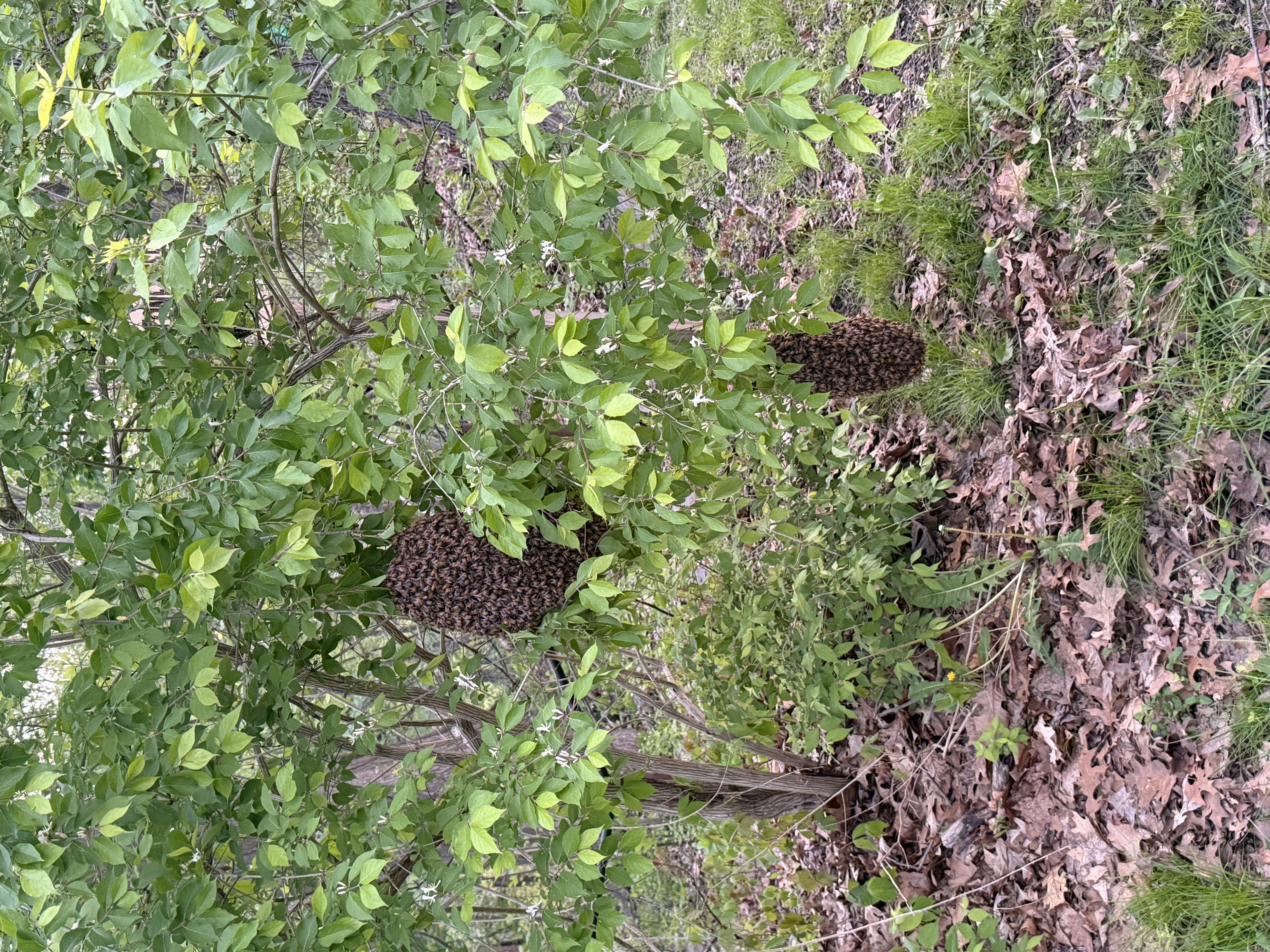
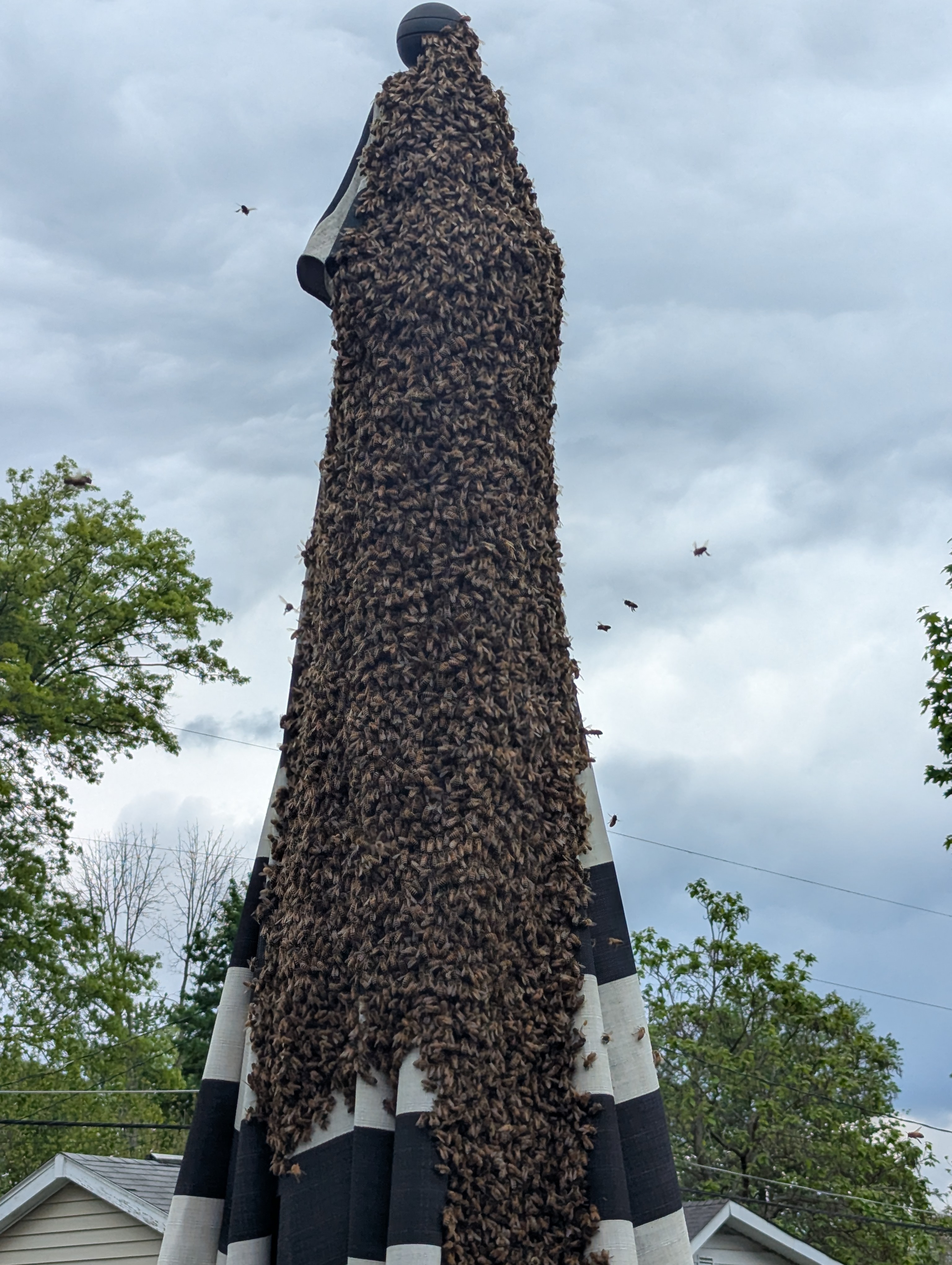
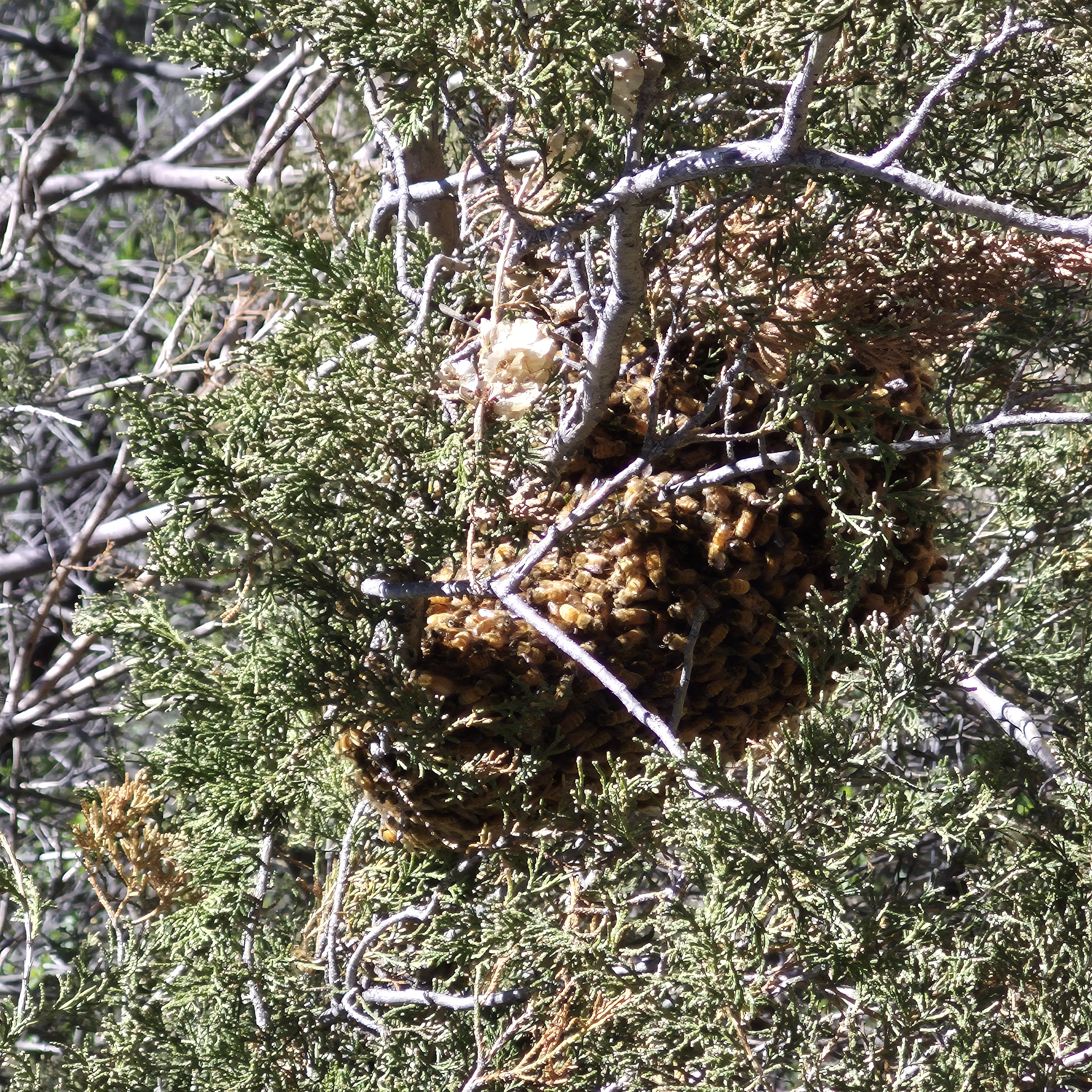
- A Swarm: This is a transient cluster of thousands of bees, including a queen, that has temporarily stopped to rest while scout bees search for a permanent home. Swarms are often seen as a ball of bees hanging from a tree branch, a fence post, or the side of a building. They are typically docile because they have no home, brood, or honey stores to defend. The collection of a swarm is a relatively simple process for a beekeeper and is usually performed at no charge.
- An Established Hive (or Colony): If bees have moved into a structure—such as a wall, attic, shed, or hollow tree—they are no longer a swarm. They have started building wax comb, raising young (brood), and storing honey. These bees will be defensive of their home. Removing an established colony is a complex, labor-intensive process known as a "cutout." It often requires carpentry skills and structural repairs. This specialized service is a paid job, and a beekeeper will provide a quote based on the complexity, location, and time required.
Understanding this difference helps set clear expectations. Reporting a swarm connects a beekeeper with bees they want, while identifying an established colony requires a different level of service.
The Community's Role in Protecting Honey Bees
When you see a swarm, your actions can have a significant positive impact. Reporting it through the proper channels is a crucial act of community stewardship that helps honey bees, local beekeepers, and the public.
- Protect Honey Bees: A swarm is vulnerable. Exposed to the elements and without resources, its survival depends on finding a suitable home quickly. By reporting it, you ensure the bees are rescued by a skilled beekeeper who can provide them with a proper hive and care.
- Support Local Beekeepers: For beekeepers, a healthy swarm is a valuable resource. It allows them to establish a new, genetically diverse colony in their apiary, which strengthens local bee populations and supports pollination for agriculture and gardens.
- Ensure Public Safety: An unmanaged swarm may eventually move into an undesirable location. A swift report allows a beekeeper to manage the situation professionally, preventing well-intentioned but untrained individuals from taking unsafe actions or using pesticides that harm the bees and the environment.
How to Submit a Florida Bee Swarm Report
Connecting a swarm with a local beekeeper is simple and effective. The Swarmed platform is a dedicated tool designed to facilitate these connections quickly and efficiently. The process is straightforward:
- Do not disturb the bees. Keep a safe distance and observe them from afar.
- Visit the Swarmed report page. Go to https://beeswarmed.org/report-bee-colony (opens in a new tab).
- Pin the location. Use the map to mark the exact location of the swarm.
- Provide details. Add a photo and a short description, noting if the bees are in the open (a swarm) or in a structure (an established hive).
Your report instantly alerts registered beekeepers in the area. This community-driven approach has proven effective; across Florida, the Swarmed network of nearly 300 beekeepers has responded to alerts for over 750 swarms. Again, remember that swarm rescue is typically free. If bees are inside a structure, the beekeeper will discuss the scope of the cutout work and provide a quote for their professional services.
Peak Swarm Times Across Florida
While swarms can occur at any point during the warmer months, activity intensifies during specific periods that shift from south to north.
- South Florida (Miami, Fort Lauderdale, Palm Beach): This region sees the earliest swarm activity in the continental U.S. The season often begins in late winter and peaks during early and mid-spring.
- Central Florida (Orlando, Tampa, Daytona Beach): Following the southern counties, the swarm season in Central Florida ramps up and typically peaks throughout the mid-spring months as nectar flows increase.
- North Florida (Jacksonville, Tallahassee, Gainesville, Panhandle): In the state's northern areas, the season starts later. Peak swarm activity generally occurs in late spring as the weather becomes consistently warm.
Being aware of these regional timelines helps residents anticipate when they are most likely to encounter a honey bee swarm.
Your Report Makes a Difference
Florida's vibrant ecosystem relies on healthy honey bee populations, and the annual swarm season is a sign of that vitality. By understanding what a swarm is and how to report it, you become a key partner in preserving these essential pollinators. If you see a cluster of bees, take a moment to report it. Your simple action provides a safe home for the bees and supports the local beekeepers who work to protect them. To help bees in your community, please report any swarms at https://beeswarmed.org/report-bee-colony (opens in a new tab).