A Community Guide to Honey Bee Swarms in The First State
As spring breathes new life into Delaware, from the bustling neighborhoods of Wilmington to the historic streets of Dover, the natural world awakens. Along with blooming flowers and budding trees comes a fascinating phenomenon: the honey bee swarm. Seeing a large cluster of thousands of bees on a tree branch or fence post can be startling, but it's a positive sign of a healthy honey bee population. This guide provides Delaware residents with the essential information on what to do when you encounter a swarm and how you can help protect these vital pollinators.
Understanding this natural process is the first step toward a safe and helpful response. The trend for swarm reports in Delaware is rising, which means our local bee populations are growing, but it also means more public encounters are likely. Knowing how to react helps both the bees and your community.
What Exactly is a Honey Bee Swarm?
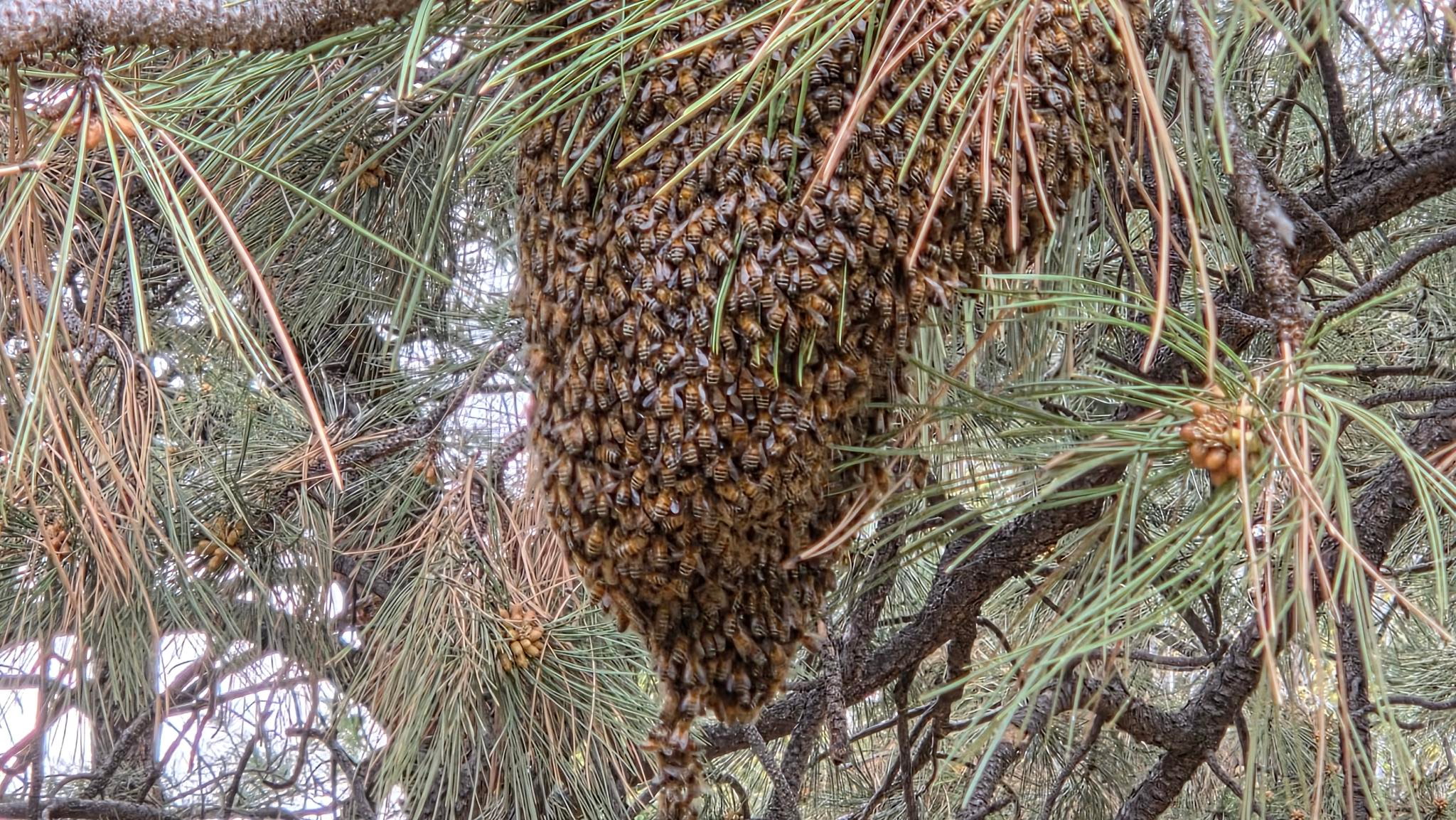
A honey bee swarm is the natural method a bee colony uses to reproduce. It's not a sign of aggression or danger; it's a sign of success. When a hive becomes overcrowded, the old queen bee leaves with about half of the worker bees to find a new home. The bees left behind will raise a new queen to continue the original colony.
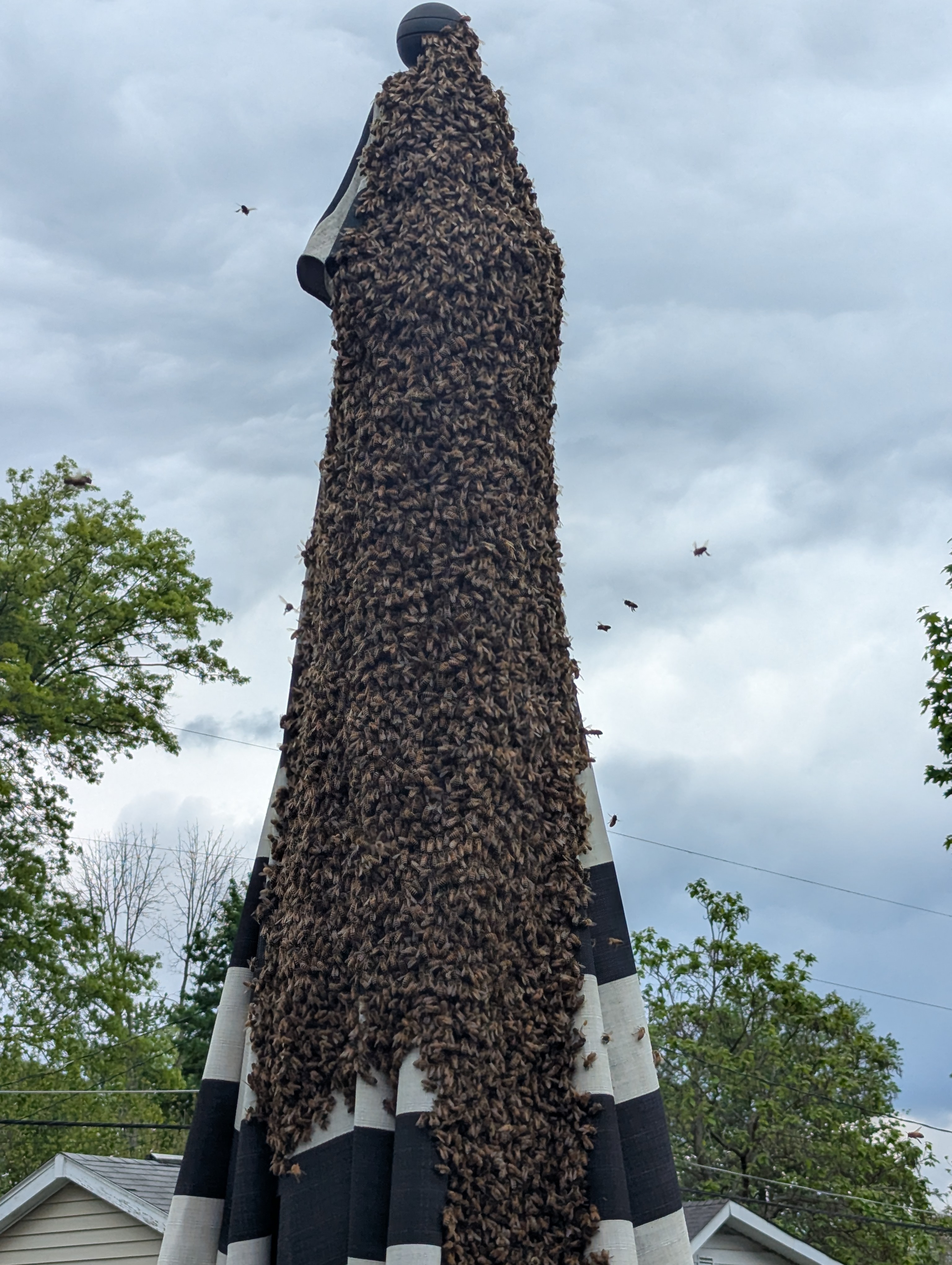
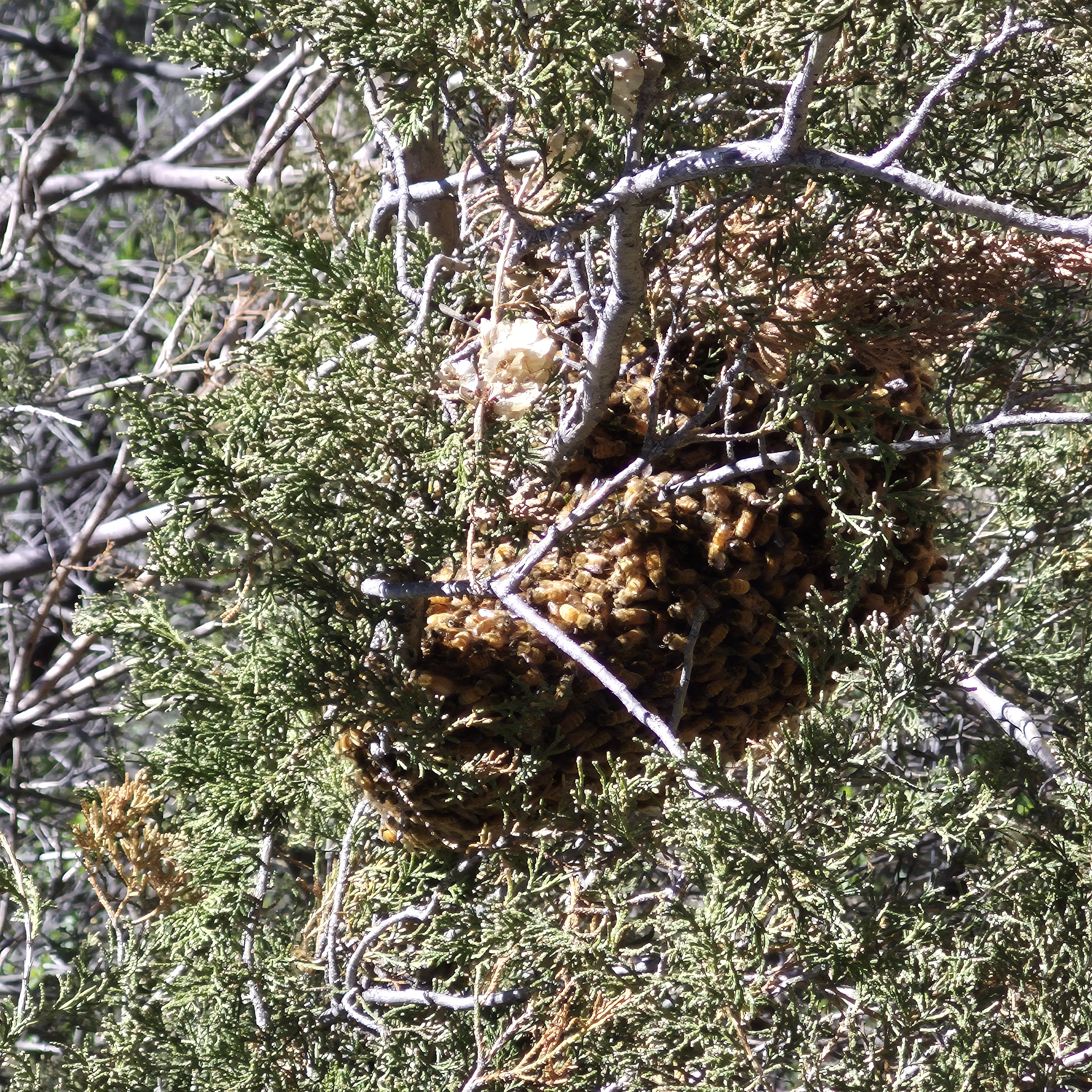
The bees in the traveling swarm—often between 10,000 and 30,000 strong—cluster together to protect their queen. Before leaving their original hive, they gorge on honey, making them full, lethargic, and remarkably docile. They have no home, no young brood, and no honey stores to defend, so their primary focus is on survival and relocation, not aggression.
This temporary cluster, which you might see on a branch, a mailbox, or a park bench, is usually just a resting stop. Scout bees fly out from the cluster in search of a suitable permanent cavity, like a hollow tree. The swarm will typically remain in its temporary location for 24 to 72 hours before moving on. During this time, they are vulnerable and can be easily rescued by a knowledgeable beekeeper.
Swarm Season in Delaware
Honey bee swarming is a seasonal event tied directly to the availability of resources. In Delaware, the peak period for swarms typically occurs during late spring when days are longer and warmer, and nectar-rich flowers are in full bloom. This abundance of food allows a colony to grow strong enough to divide.
You might see swarms anywhere in the state, from suburban backyards in Newark to rural farmsteads near the coast. The key is to be prepared and know that this is a normal part of the seasonal cycle for honey bees. The increase in swarm reports across the state highlights the growing need for a coordinated, community-based response to ensure these bees are safely relocated.
The Critical Difference: A Swarm vs. an Established Colony
Understanding the difference between a transient swarm and an established colony is crucial, as it determines the type of help needed and whether a cost is involved.
Honey Bee Swarm
- Appearance: A hanging or balled cluster of bees on an exposed surface (tree limb, fence, playground equipment).
- Behavior: The bees are docile and focused on protecting their queen in the center of the cluster.
- Duration: Temporary, usually lasting no more than a few days.
- Removal: This is typically a free service. Local beekeepers are eager to capture swarms to start new hives in their apiaries. It is a relatively simple process for an experienced beekeeper, often requiring just a box and some basic equipment.
Established Hive or Colony
- Appearance: You see bees flying in and out of a distinct entry point to a structure, such as a hole in a wall, a gap in a roofline, or an opening into a shed or attic.
- Behavior: The bees have built wax comb inside the structure and are raising young. They will be defensive of their home and resources.
- Duration: Permanent, until the colony is removed.
- Removal: This is a complex, paid service known as a "cutout." It requires a specialist with skills in both beekeeping and carpentry. The process involves carefully opening the structure, removing the bees, comb, and honey, and then repairing the damage. Beekeepers will provide a quote for this work based on its difficulty, time commitment, and the repairs needed.
Swarmed helps connect you with beekeepers for both scenarios, but it's important to report what you see accurately so the right help can be dispatched.
Delaware Bee Swarm Help: What to Do
If you see a honey bee swarm, your calm and informed actions can make all the difference. Follow these simple steps:
- Keep a Safe Distance: While swarming bees are docile, it's always wise to give them space. Observe from a distance and keep pets and children away.
- Do Not Disturb or Spray the Bees: Never spray a swarm with water or insecticide. Honey bees are essential for pollinating Delaware's crops, from apples and peaches to cucumbers and melons. Harming them disrupts our local ecosystem and food supply.
- Contact a Local Beekeeper via Swarmed: The fastest and most effective way to ensure the bees are rescued safely is to report them. The Swarmed platform instantly alerts a network of over 25 registered beekeepers in Delaware who are ready to help. These local experts have the skills and equipment to safely collect the swarm and give it a proper home in a managed apiary.
By reporting the swarm, you provide a valuable resource to a local beekeeper and prevent the bees from choosing an inconvenient location—like your home's attic—for their permanent residence.
Your Report Makes a Difference
When you take a moment to report a bee swarm, you are actively participating in a community effort with wide-ranging benefits. You are helping to:
- Protect Honey Bees: A rescued swarm is given a managed hive where it can thrive, protected from pests and harsh weather, and contribute to pollination.
- Support Delaware Beekeepers: Swarms are a sustainable way for beekeepers to expand their apiaries without having to purchase bees. You provide them with healthy, local bees perfectly adapted to our state's climate.
- Strengthen Local Agriculture: A healthy bee population, supported by local beekeepers, is fundamental to the success of Delaware’s farms and gardens. More bees mean better pollination and more robust harvests.
Your simple action of reporting a swarm contributes directly to the environmental and agricultural health of our state. The process is straightforward and ensures a positive outcome for everyone involved.
Report a Swarm, Help Your Community
This spring, when you see a honey bee swarm, you'll know exactly what it is: a natural wonder and an opportunity to help. Don't be alarmed; be a hero for the bees. By reporting the swarm, you connect a local beekeeper with a colony in need of a home, ensuring their survival and supporting the delicate balance of our local ecosystem. To report a bee colony and find help near you, please visit https://beeswarmed.org/report-bee-colony.