
A Beekeeper's Guide to Swarm Season in California
California's Golden Opportunity: Harnessing the Spring Swarm For beekeepers across California, the arrival of spring signals more than just almond blossoms and wildflo...
Read More...May 18, 2026
Home > Blog > A Guide to Connecticut Bee Swarm Removal This Spring
May 6, 2026
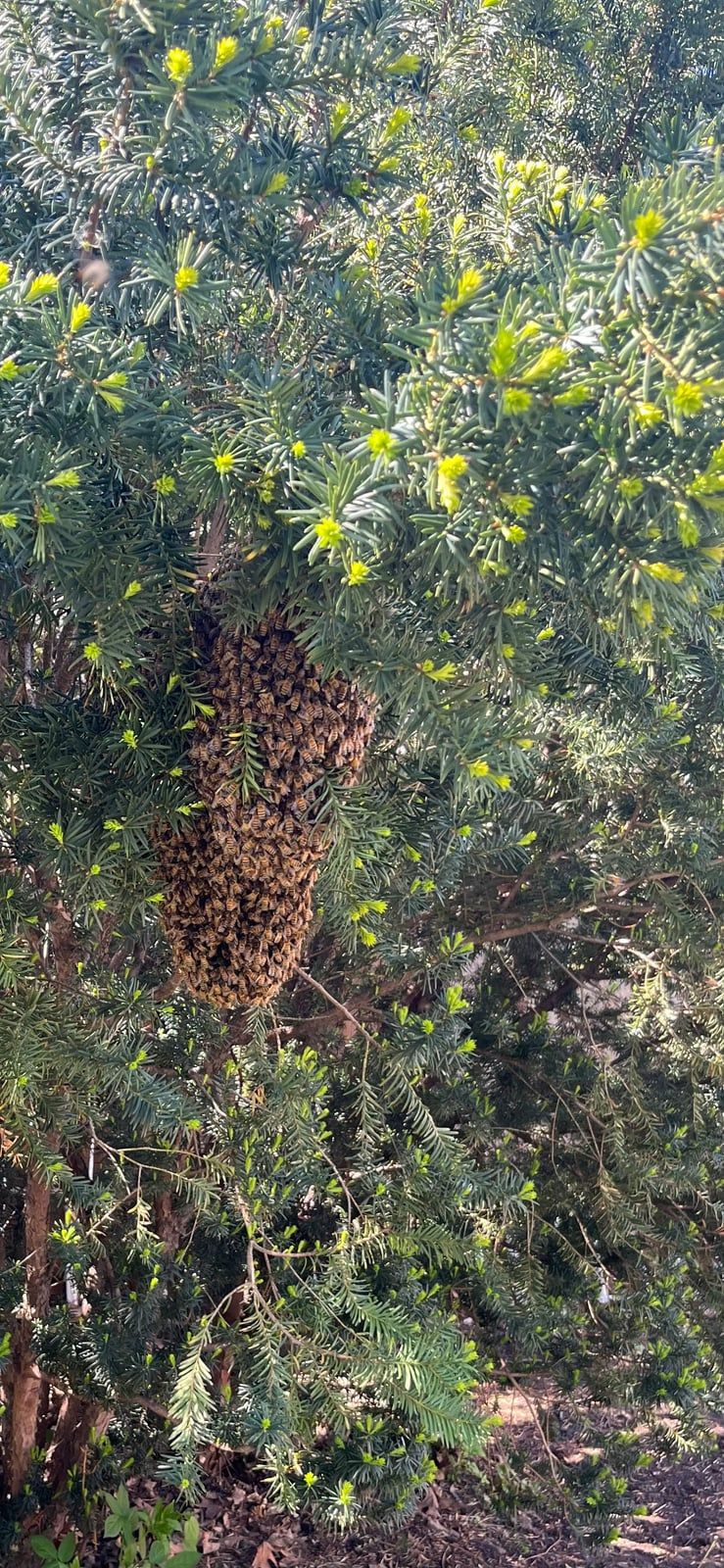
As spring unfolds across Connecticut, from the bustling streets of Hartford and New Haven to the coastal communities of Bridgeport and Stamford, nature awakens in vibrant ways. One of the most fascinating signs of this seasonal shift is the appearance of honey bee swarms. A large cluster of bees hanging from a tree branch or clinging to a fence post can be an intimidating sight, but it represents a natural and vital process for honey bee survival. Understanding what a swarm is and what to do when you see one can help you play a crucial role in protecting these essential pollinators.
This guide will walk you through the specifics of honey bee swarms, clarify the difference between a temporary swarm and an established hive, and explain how you can access safe and effective Connecticut bee swarm removal, often at no cost.
A honey bee swarm is the colony's natural method of reproduction. When a healthy hive becomes overcrowded in the spring, the colony prepares to divide. The original queen bee, along with roughly half the worker bees (anywhere from 10,000 to 30,000 individuals), leaves the parent hive to establish a new home. Before departing, these bees feast on honey, filling their stomachs for the journey ahead.
This is why swarming bees are typically quite docile. They are not defending a home, brood, or honey stores. Their primary focus is protecting their queen and finding a suitable new location. The swarm will cluster together in a temporary resting spot—a tree limb, a park bench, or the side of a building—while scout bees search for a permanent cavity. This temporary cluster is what the public usually encounters, and it generally only remains in one place for 24 to 72 hours.
Understanding the distinction between a swarm and an established hive is key, as it determines the type of response needed and the associated costs.
Swarmed helps connect you with beekeepers who handle both situations, ensuring you know what to expect.
If you encounter a honey bee swarm, the most important step is to remain calm. Do not spray the bees with water or pesticides. These bees are a valuable natural resource, and local beekeepers are eager to provide them with a safe home.
The most effective way to ensure their safety and yours is to connect with a nearby beekeeper. Swarmed provides a simple, fast, and free-to-use platform that alerts local beekeepers to the location of a swarm. By reporting it, you initiate a process that benefits everyone.
Your report on the Swarmed network instantly notifies registered beekeepers in your area. An available beekeeper can then claim the alert and arrange for a safe and professional collection. This process not only saves the bees but also supports the passionate individuals who manage these vital pollinators.
To help protect honey bees in your community, report a swarm here: https://beeswarmed.org/report-bee-colony (opens in a new tab)
Your simple act of reporting a swarm has a significant impact. For Connecticut beekeepers, a captured swarm is a valuable asset. It provides a new colony with strong, locally adapted genetics, perfectly suited to thrive in the state's unique climate. In active regions, the Swarmed network can respond to over 100 swarm alerts in a single season, showcasing the power of community reporting in preserving local bee populations.
Furthermore, by ensuring these bees are collected by a beekeeper, you prevent them from establishing a hive in an undesirable location where they might later be considered a pest. Your report directly contributes to the health of Connecticut’s agricultural landscape, as honey bees are essential for pollinating everything from apples and blueberries to pumpkins and squash.
Once you've reported the swarm, here are a few simple steps to take while you wait for the beekeeper to arrive:
This spring, when you see a cluster of honey bees in Stamford, Hartford, or any community in between, you'll know exactly what it is: a colony in search of a new beginning. Instead of a threat, view it as an opportunity to help.
By taking a moment to report the swarm, you become a vital link in the chain of honey bee conservation. You connect a vulnerable colony with a local beekeeper who can give it a safe, managed home where it can thrive and continue its essential work of pollination. This simple, helpful act protects honey bees and strengthens your entire community.
If you see a swarm, don't wait. Report the bee colony to our network and let a local Connecticut beekeeper handle the rest: https://beeswarmed.org/report-bee-colony (opens in a new tab).
California's Golden Opportunity: Harnessing the Spring Swarm For beekeepers across California, the arrival of spring signals more than just almond blossoms and wildflo...
Read More...May 18, 2026
A Beekeeper's Guide to Swarm Collection in Idaho Spring has arrived in the Gem State, and with it, the unmistakable hum of honey bee swarms. For beekeepers, this is a...
Read More...May 18, 2026