Colorado's Spring Awakening and the Buzz of Honey Bees
As the snow melts from the Rockies and wildflowers begin to bloom across the Front Range, Colorado awakens to the vibrant energy of spring. This season also marks the start of a fascinating natural phenomenon: honey bee swarm season. From the bustling streets of Denver and Colorado Springs to the communities of Boulder and Fort Collins, spotting a large cluster of bees can be surprising, but it’s a positive sign of a healthy ecosystem. Understanding the Colorado bee swarm calendar can help residents appreciate this process and play a vital role in protecting these essential pollinators.
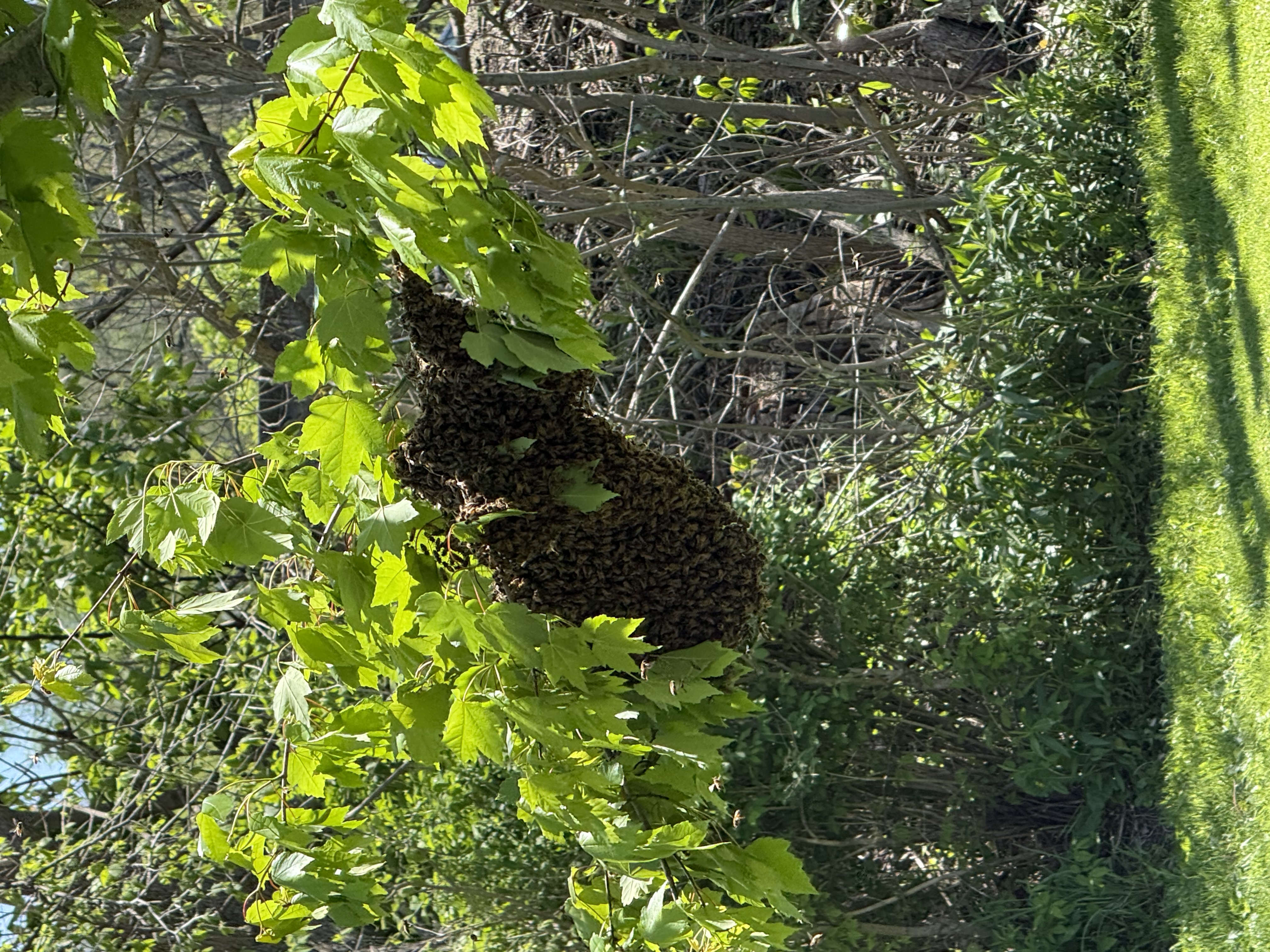
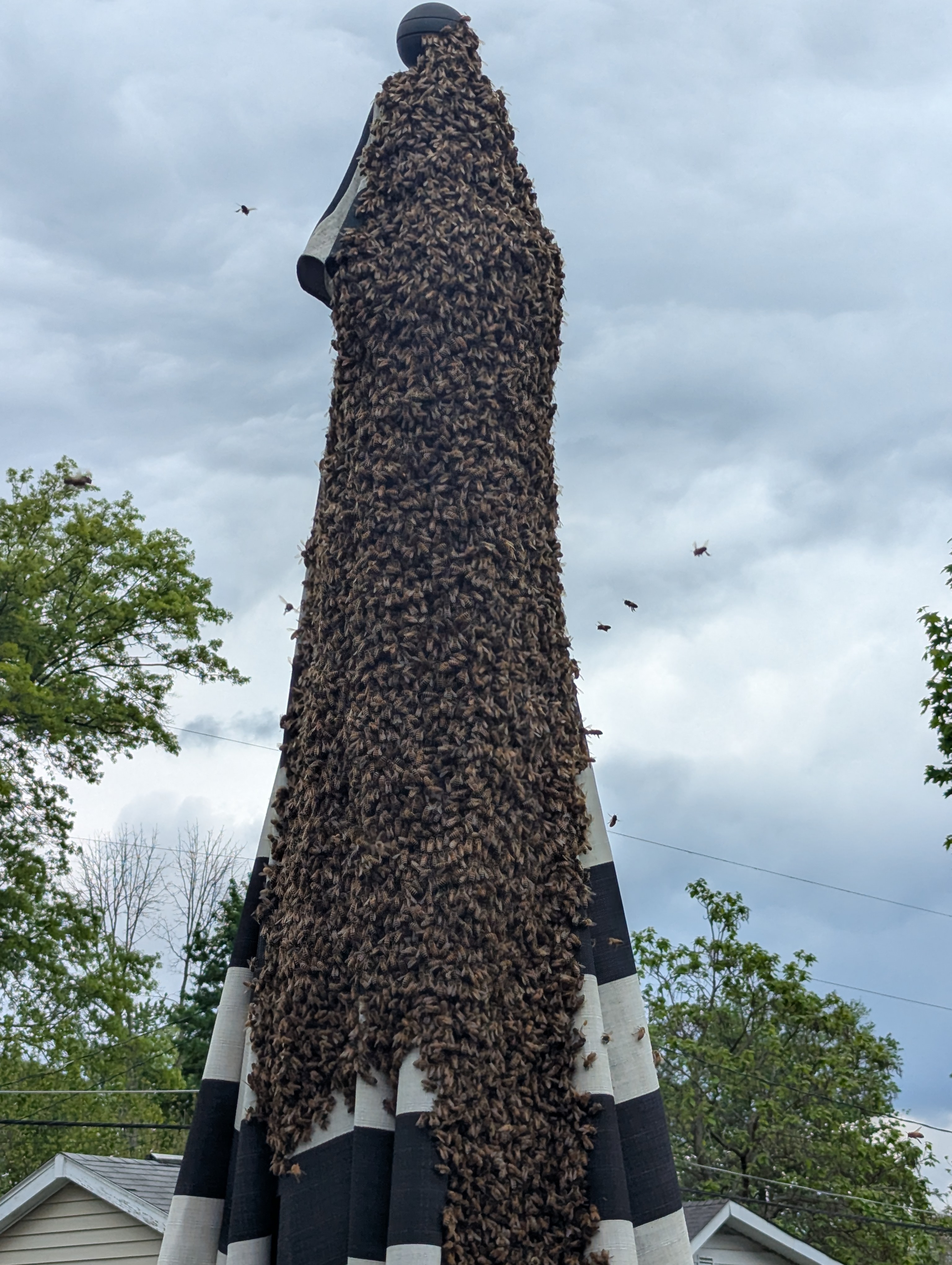
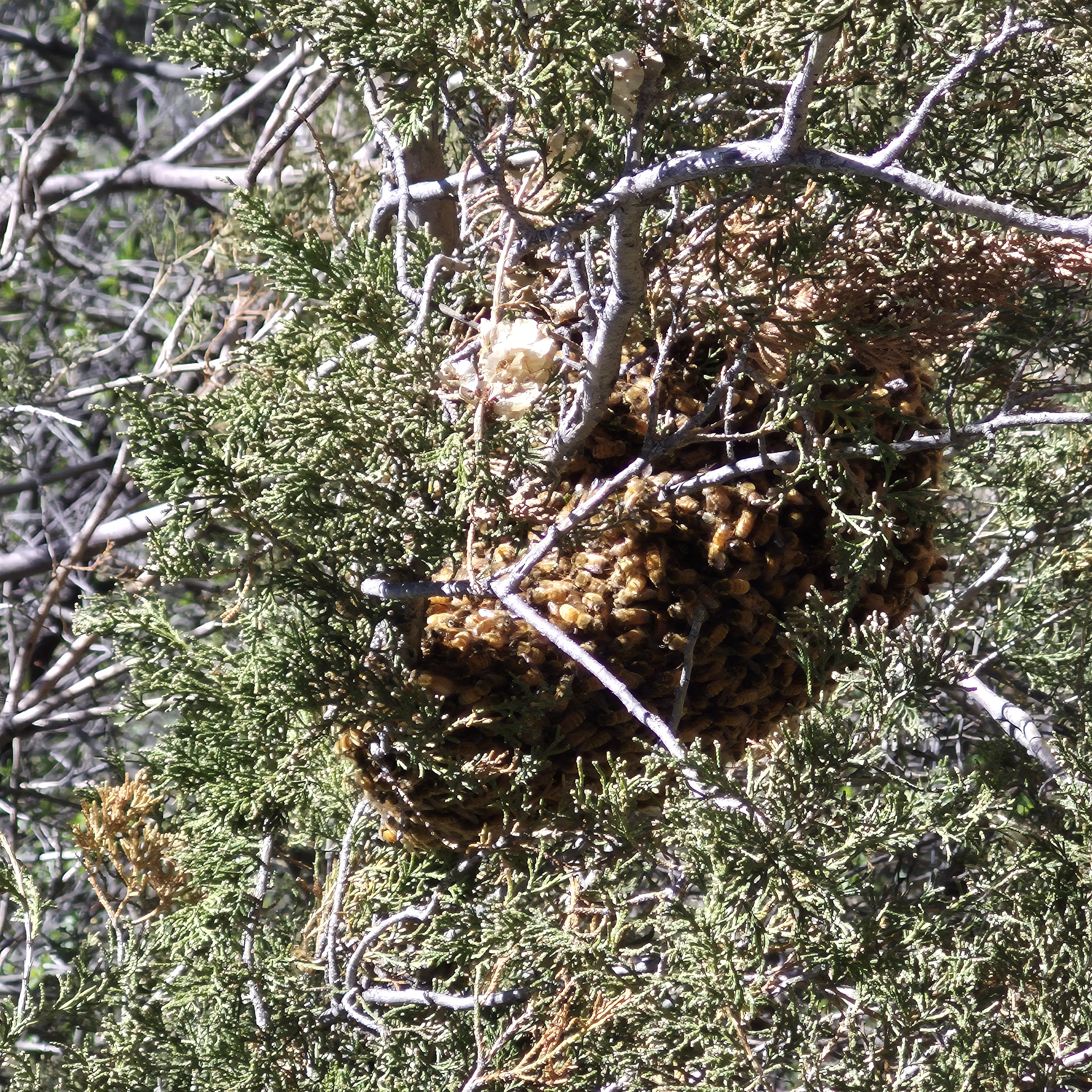
Swarming is the natural way honey bee colonies reproduce. When a hive becomes overcrowded, the old queen and about half the worker bees leave to find a new home. This group, known as a swarm, is a temporary, traveling colony in search of a permanent residence.
When to Expect Swarms: The Colorado Bee Swarm Calendar
While weather patterns and elevation can cause slight variations, the peak of swarm season in Colorado typically occurs in late spring, from late April through June. During this period, conditions are ideal for a new colony to establish itself, with abundant nectar and pollen to build up resources before winter.
In cities like Denver and Boulder, you may notice this activity as the days grow warmer and longer. Fort Collins and Colorado Springs also see a significant increase in swarm reports during this time. A warm, sunny afternoon following a period of rain is often a prime trigger for a colony to swarm.
Understanding the Difference: Swarm vs. Established Hive
A critical distinction for every homeowner to understand is the difference between a honey bee swarm and an established hive. Your ability to help bees—and the potential cost involved—depends entirely on this difference.
- A Swarm: This is a transient cluster of thousands of bees, with a queen at its center, resting on a temporary location like a tree branch, fence post, or mailbox. They may stay for a few hours or up to a few days while scout bees search for a suitable new home. Bees in a swarm are surprisingly docile. Before leaving their original hive, they fill up on honey, making them lethargic and less inclined to sting. They have no home, brood, or food stores to defend.
- An Established Hive: If a swarm finds a suitable cavity, they will move in and begin building a permanent home. This could be in a hollow tree, but it can also be within the walls, roof, or chimney of a building. Once they build wax comb and start raising young bees (brood), they are considered an established hive or colony. These bees will be defensive of their home and resources. Removing an established hive from a structure is a complex process known as a “cutout.”
This distinction is crucial when it comes to removal. The rescue of a swarm is typically a straightforward process that local beekeepers are happy to do, often at no cost. In contrast, a cutout requires specialized skills, carpentry, and structural repairs, and it is a service that beekeepers will provide a quote for based on the complexity of the job.
How You Can Be a Hero for Honey Bees
When you see a swarm, you have a unique opportunity to help protect honey bees and support your local beekeeping community. The most effective action you can take is to report the swarm through a network that connects you with nearby beekeepers.
Swarmed provides a simple, fast, and free platform to do just this. By reporting a swarm, you initiate an alert to registered beekeepers in your area who are ready to come and safely rescue the bees. This community effort makes a significant impact. In active regions, a small group of Swarmed beekeepers can rescue over 100 swarms in a season, giving millions of bees a new home.
The process is simple:
- Keep a safe distance from the swarm and ensure others do as well.
- Note the exact location, including the height from the ground and what the swarm is on.
- Visit https://beeswarmed.org/report-bee-colony (opens in a new tab) to submit a report.
Your report provides a local beekeeper with the opportunity to give these homeless bees a managed hive where they can thrive, pollinate local gardens, and produce honey. It's a win-win for the bees, the beekeeper, and the community.
Swarm Hotspots Across Colorado's Front Range
Urban and suburban environments offer many attractive, sheltered locations for a new bee colony. Parks, backyards, and commercial properties in Denver, Boulder, Colorado Springs, and Fort Collins are all common areas for swarm sightings. Seeing a swarm isn't a sign of an infestation; rather, it’s an indicator that local honey bee populations are healthy enough to reproduce.
By staying calm and reporting the swarm, you contribute directly to the health of Colorado’s environment. These rescued bees become part of local apiaries, supporting agriculture and biodiversity across the state.
Your Role in a Bee-Friendly Colorado
This spring, as you enjoy the beauty of Colorado, keep an eye out for the gentle hum of a honey bee swarm. Instead of feeling alarmed, you can feel empowered knowing exactly what to do. Each swarm reported is a colony saved and a local beekeeper supported.
If you see a honey bee swarm, don't wait for them to move into an inconvenient location. Become a hero for the bees by reporting it to connect with a local expert ready to help. To report a swarm and help protect these vital pollinators, visit https://beeswarmed.org/report-bee-colony (opens in a new tab).