Understanding Honey Bee Swarms in California
Spring in California transforms the landscape. As hillsides bloom and orchards buzz with activity, honey bees enter their most dynamic season. This period of growth and renewal brings a fascinating natural phenomenon to cities and suburbs from San Diego to Sacramento: honey bee swarms. While a large cluster of thousands of bees can be an intimidating sight, it represents a healthy, growing honey bee population and is rarely a threat.
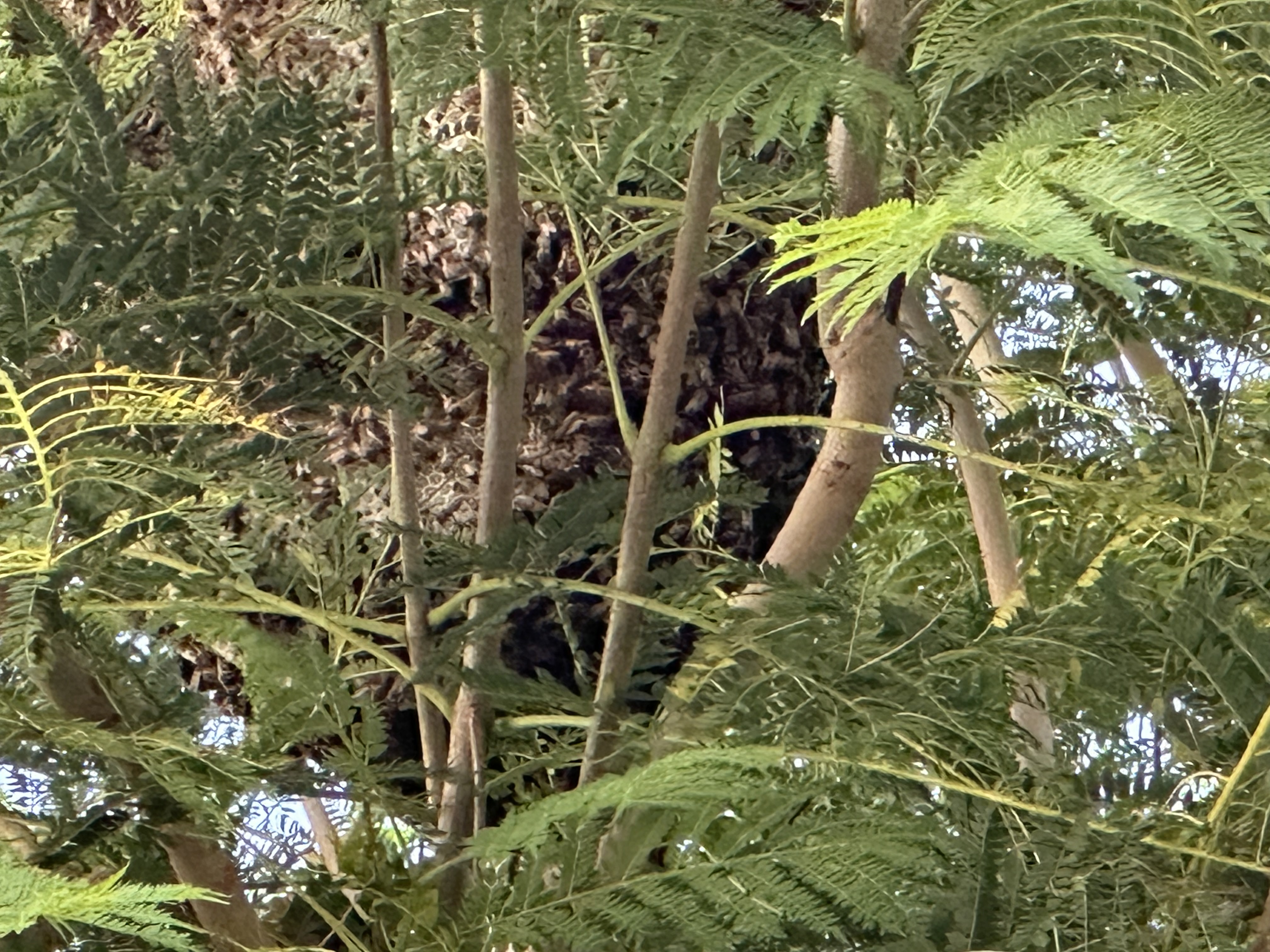
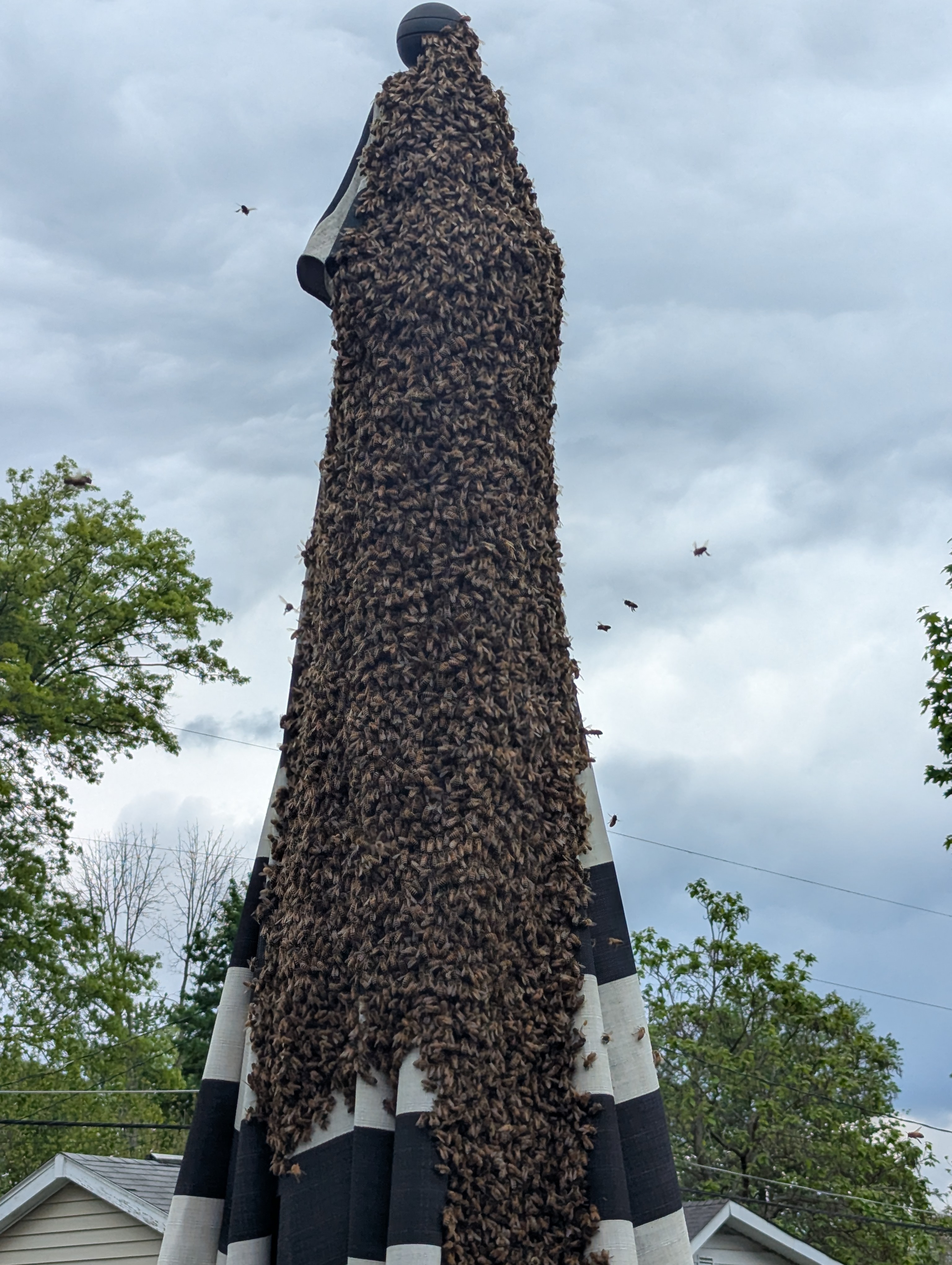
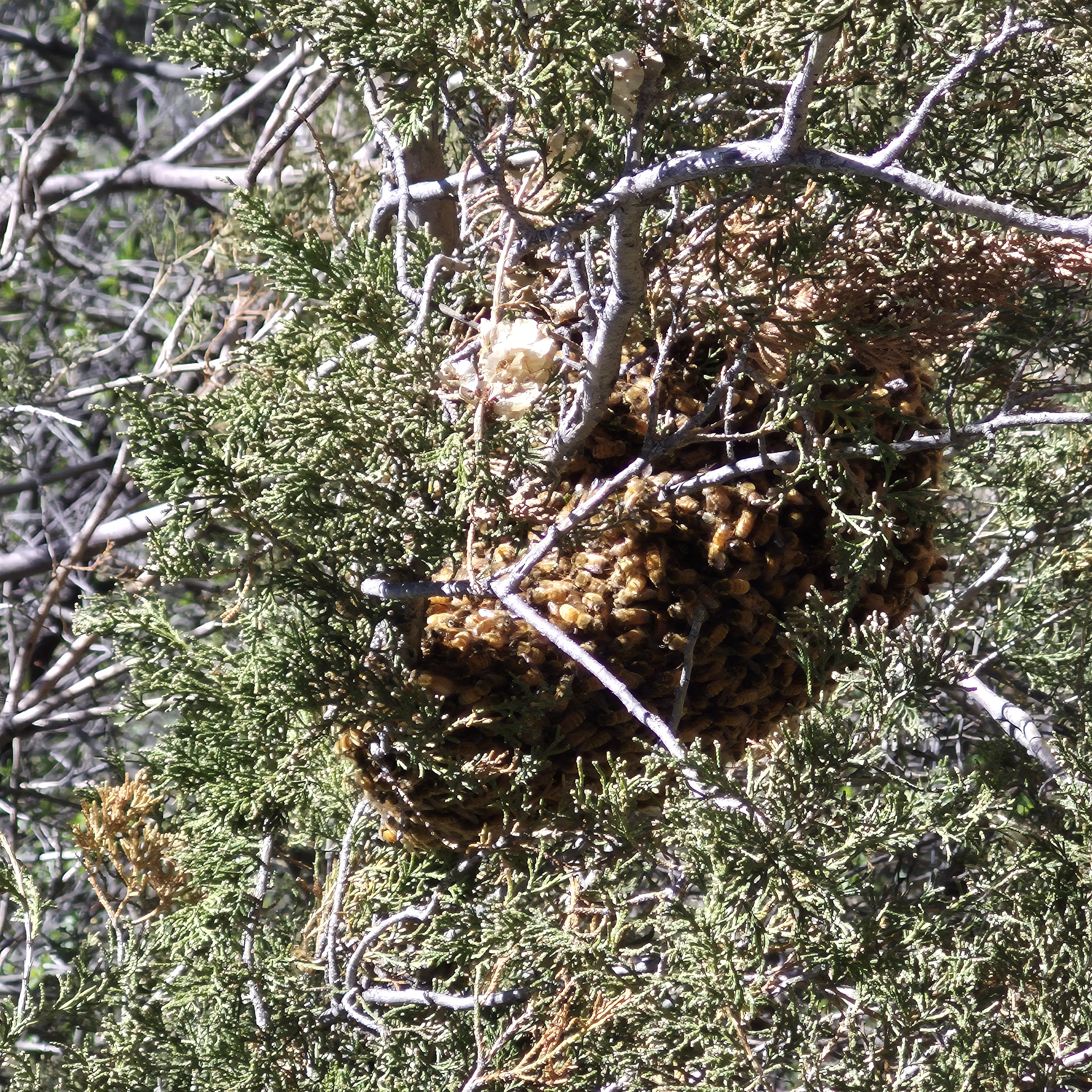
Swarming is the natural way honey bee colonies reproduce. When a hive becomes overcrowded, the old queen bee leaves with about half of the worker bees to find a new home. The remaining bees stay behind to raise a new queen. The migrating group, known as a swarm, will temporarily cluster on a tree branch, fence post, or building eave while scout bees search for a suitable permanent location. This is a critical, and vulnerable, time for the bees.
Swarm vs. Established Hive: A Critical Distinction
Understanding the difference between a temporary swarm and an established hive is essential for anyone who encounters bees on their property. This distinction determines the type of response needed and whether the service is typically free or requires payment.
- A Swarm: This is a transient cluster of bees hanging in the open. The bees are looking for a new home and have not yet built any wax comb. Because they have engorged themselves with honey for the journey and have no brood or food stores to protect, swarming bees are remarkably docile. Beekeepers are eager to rescue swarms because they provide a strong, healthy start for a new hive. Swarm rescue is normally free.
- An Established Hive or Colony: This occurs when bees have moved into a structure, such as a wall, chimney, attic, or hollow tree. They have started building wax comb to raise their young (brood) and store honey. Once they have a home to defend, the bees become defensive. Removing an established colony is a complex process known as a "cutout." It often requires carpentry skills and specialized equipment to open the structure, carefully remove all the bees and comb, and then perform repairs. This specialized work always costs money.
When you report bees, a beekeeper can help identify the situation. For an established hive, they should provide a fair quote based on the complexity, location, and time required for the removal. You have the option to accept or reject this quote.
Swarm Season in California's Cities
Peak swarm season across California typically runs from early spring through the beginning of summer. Activity surges as temperatures rise and nectar sources become plentiful. In bustling urban centers like Los Angeles and San Francisco, and throughout communities in San Jose and San Diego, reports of swarms increase significantly during these months.
The Swarmed network reflects this rising trend. Our platform connects the public with local, vetted beekeepers who are ready to help. In California alone, our network includes over 600 beekeepers who, in the last season, responded to nearly 1,900 swarm reports. This community effort ensures that tens of thousands of honey bee colonies are given a safe, managed home instead of being destroyed or moving into undesirable locations.
How to Safely Report a Bee Swarm in California
If you see a honey bee swarm, you have a unique opportunity to help. The most important actions are to remain calm and report it correctly.
- Keep a Safe Distance: Do not approach, spray, or disturb the swarm. The bees are focused on their task and will likely ignore you if left alone.
- Observe and Take a Photo: Note the swarm's location, size (e.g., basketball, football), and how high it is off the ground. A photo from a safe distance is extremely helpful for the beekeeper.
- Submit a California Bee Swarm Report: The most effective way to get help is to report the swarm online. By providing the location and details, you can alert nearby beekeepers who can respond quickly to provide a safe rescue.
Filing a report is the first step in a simple, community-driven process that protects honey bees. Beekeepers receive an alert and the first one available will claim the report and contact you to coordinate the rescue.
Your Role in Protecting California's Honey Bees
Reporting a swarm does more than just solve a potential problem on your property; it plays a vital role in the health of our local ecosystem. Honey bees are essential pollinators for California's agriculture and wild landscapes.
- Protect Honey Bees: A rescued swarm is relocated to a managed apiary where it can thrive, pollinate crops, and produce honey. Unreported swarms may be exterminated or move into locations where they pose a risk, leading to their eventual destruction.
- Support Local Beekeepers: Swarms are a sustainable way for beekeepers to maintain and grow their apiaries. By reporting a swarm, you are providing a valuable resource to a local expert who is passionate about bee conservation.
- Promote Community Safety: Connecting with a knowledgeable beekeeper ensures the bees are handled safely and professionally, preventing potential accidents or injuries that could result from unqualified removal attempts.
Your simple action of reporting a swarm creates a positive outcome for the bees, for local beekeepers, and for the entire community. It's a powerful example of how we can coexist with and support these vital insects.
If you see a honey bee swarm this spring, don't hesitate. You can be a crucial link in ensuring their survival. To connect with a local beekeeper and help save a colony, submit your California bee swarm report today. The process is free to use, fast, and directly supports the health of our state's honey bee population. Report your swarm at https://beeswarmed.org/report-bee-colony (opens in a new tab).