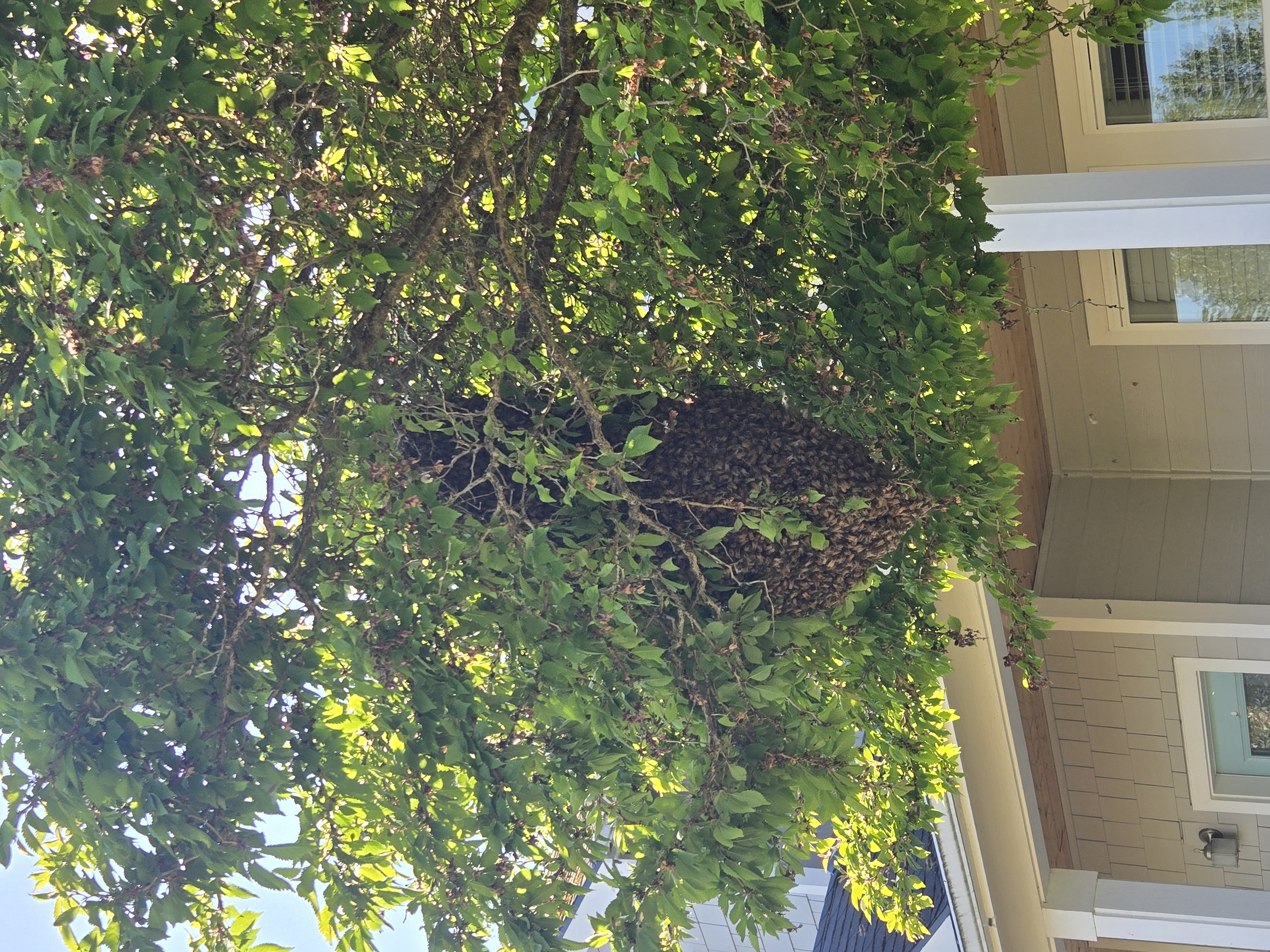
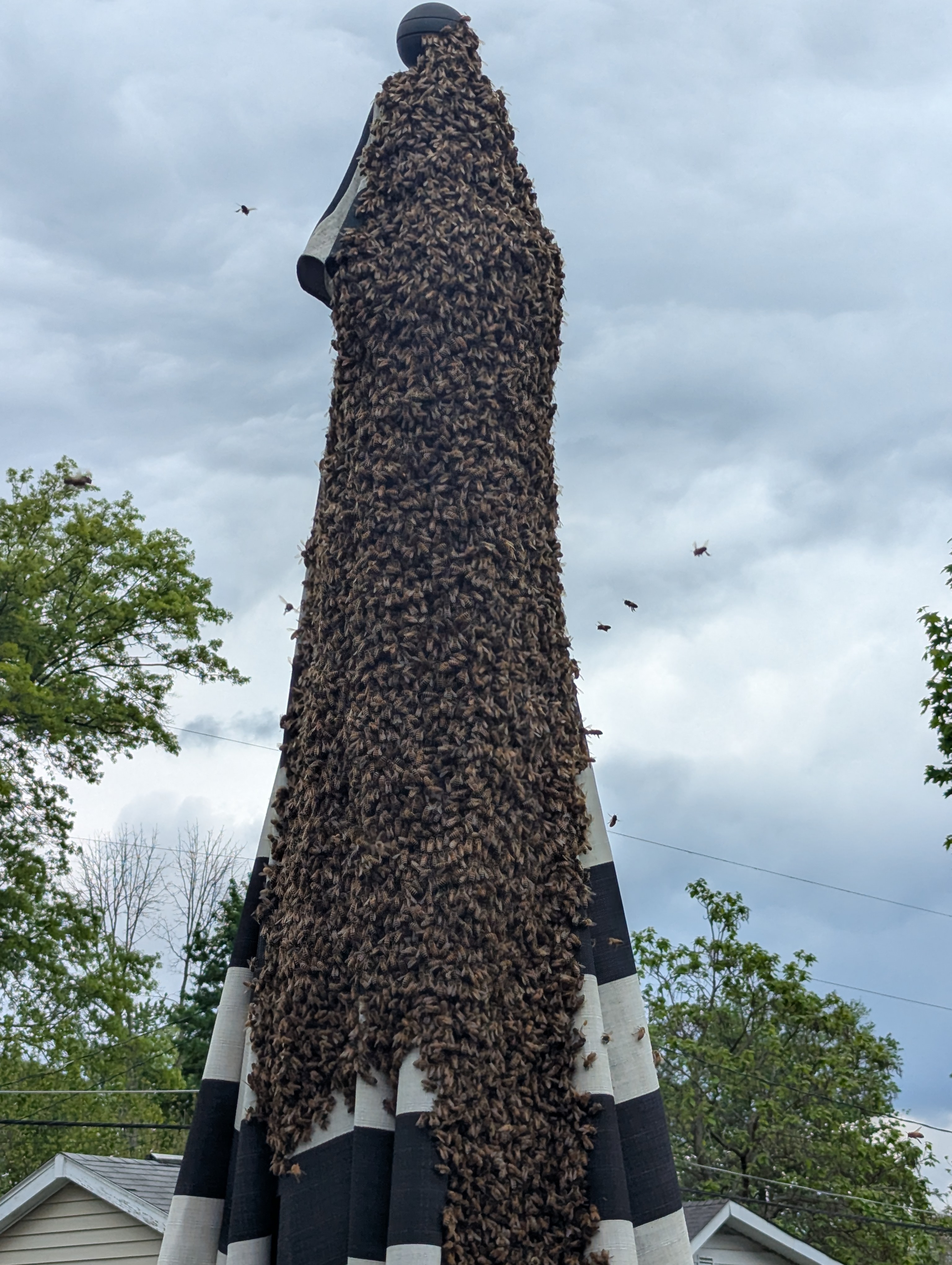
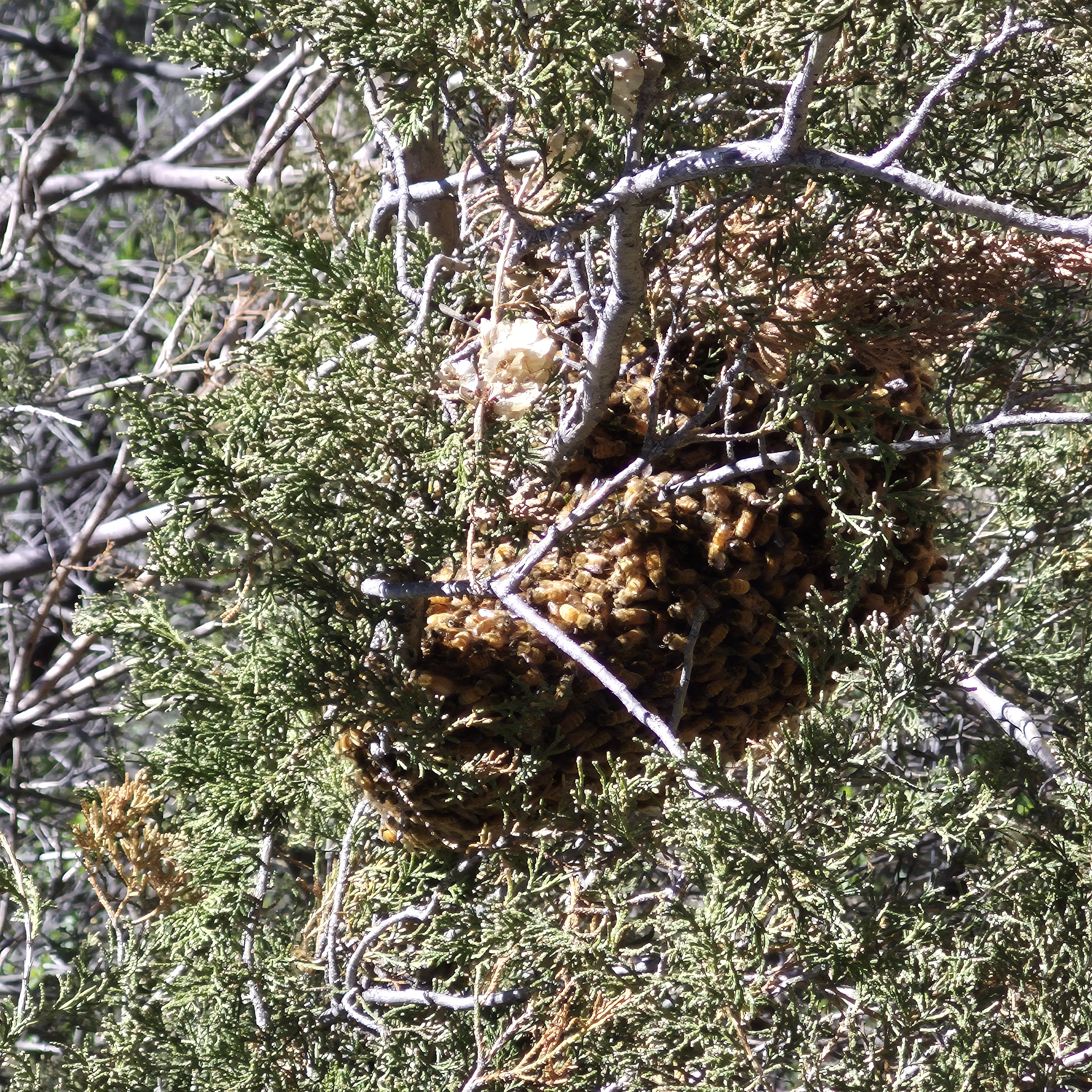
Spring in Oregon brings a familiar and welcome sight for beekeepers: the honey bee swarm. From the urban corridors of Portland and Eugene to the agricultural heart of Salem, colonies are engaging in their natural reproductive process. This annual surge represents a significant opportunity for beekeepers to strengthen their apiaries with healthy, locally adapted bees. The demand for skilled Oregon swarm collection is high, and a coordinated response ensures these valuable pollinators are safely rescued.
The Spring Surge in Oregon's Apiaries
As temperatures rise and nectar flows, healthy honey bee colonies reach a point where their population outgrows their current home. To ensure the survival of the species, the colony raises a new queen and the old queen departs with roughly half the worker bees. This traveling group is a swarm. For a few hours or days, they cluster on a tree branch, fence post, or mailbox while scout bees search for a suitable new cavity to build a permanent home.
This is a critical window for beekeepers. A rescued swarm is a genetic windfall—a new colony with a proven queen, already adapted to Oregon's climate and forage. Intercepting them before they establish a hive in an undesirable location, like the wall of a house, is a service to both the community and the bees themselves.
Modernizing Oregon Swarm Collection
Traditionally, beekeepers have relied on word-of-mouth, calls from friends, or frantic social media posts to locate swarms. This method is often inefficient, resulting in missed opportunities and delayed responses. A swarm reported in South Salem might be missed by a beekeeper just a few miles away simply because they weren't in the right Facebook group at the right time.
Swarmed provides a streamlined, technological solution to this challenge. Our platform serves as a central dispatch system for bee rescues. Here is how it benefits Oregon beekeepers:
- Instant, Local Alerts: When a member of the public reports a swarm on our platform, the system instantly notifies registered beekeepers within a predefined radius of the location. You receive a text or email with the details you need to respond quickly.
- No Commitment Required: Receiving an alert does not obligate you to act. If you are busy, the swarm is too far away, or your apiary is full, simply ignore the notification. The alert will automatically pass to the next available beekeeper.
- Healthy, Local Bees: Swarms are a sustainable way to grow your apiary. These are not package bees from another state; they are Oregon bees that have already thrived in the local environment, making them resilient and productive additions to your operation.
The Distinction Between Swarms and Structural Removals
A critical aspect of professional beekeeping is managing expectations with the public, particularly around pricing. Swarmed helps facilitate this by educating reporters on the difference between a swarm rescue and an established colony removal, also known as a cutout.
A swarm is a temporary cluster of bees resting in the open. These bees are typically docile, as they are engorged with honey and have no brood or honeycomb to defend. For beekeepers, the value of the bees themselves is the reward, so swarm rescue is almost always a free service offered to the community.
An established colony, or cutout, is entirely different. This occurs when a swarm has moved into a structure—such as a wall, chimney, or attic—and has begun building comb, raising brood, and storing honey. Removing bees from a structure is complex, labor-intensive work that often requires carpentry skills, specialized equipment, and structural repairs. Bees in an established hive are defensive of their home. This type of work is a professional service, and beekeepers should provide a fair quote based on the complexity, time, and materials required for the removal.
By joining the Swarmed network, you connect with community members who need help, and our system helps clarify what kind of situation you are responding to, allowing you to prepare for either a simple rescue or a professional cutout estimate.
The Potential for Growth
The impact of a coordinated beekeeper network is substantial. In other regions where our network is growing, we see remarkable efficiency. For example, in Nevada, a small group of just five beekeepers has already rescued over 100 swarms through the platform. This demonstrates the immense potential for Oregon's larger beekeeping community to rescue thousands of swarms each season, preventing bees from being exterminated and bolstering local apiaries.
Joining is a straightforward process designed to get you active quickly:
- Visit the beekeeper signup page.
- Create your profile and contact information.
- Define your service area by setting a radius around your home base.
- Wait for the alerts to arrive directly on your phone or in your inbox.
This system empowers you to expand your apiary on your own terms, responding only to the opportunities that fit your schedule and location.
Join the Swarmed Network in Oregon
This spring, hundreds of honey bee swarms across Portland, Salem, Eugene, and beyond will be in need of a new home. By joining the Swarmed network, you position yourself as a key resource in your community, ready to perform vital Oregon swarm collection services. You gain access to a steady stream of healthy, local bees while helping protect these essential pollinators.
Ready to expand your apiary and assist your community? Join the Swarmed beekeeper network today. Signing up is free, takes only a few minutes, and connects you to a stream of local swarm alerts with no commitment. Visit https://beeswarmed.org/beekeeper-signup to get started.