
A Beekeeper's Guide to Swarm Season in California
California's Golden Opportunity: Harnessing the Spring Swarm For beekeepers across California, the arrival of spring signals more than just almond blossoms and wildflo...
Read More...May 18, 2026
Home > Blog > A Beekeeper's Guide to Swarm Collection in Idaho
May 18, 2026
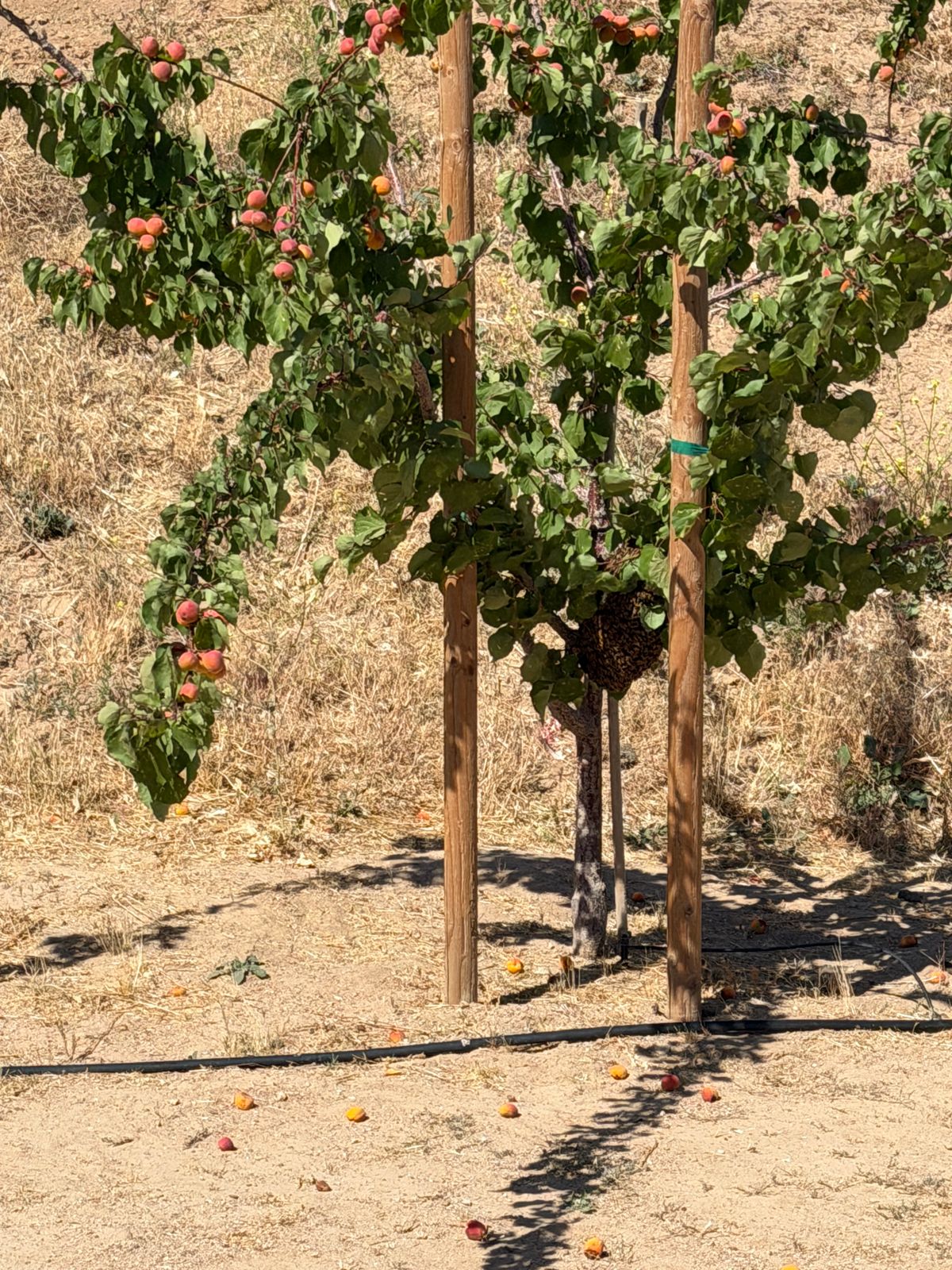
Spring has arrived in the Gem State, and with it, the unmistakable hum of honey bee swarms. For beekeepers, this is a prime season of opportunity. Swarm activity across Idaho is on a rising trend, presenting a valuable chance to expand apiaries with locally adapted, healthy bees. With over 200 swarms reported through the Swarmed network last season alone, the demand for skilled beekeepers to provide assistance has never been greater. This guide provides Idaho beekeepers with best practices for preparing for, and safely collecting, these swarms.
The increase in swarm reports across Idaho reflects both a growing public awareness and healthy bee populations. From the Treasure Valley to the Panhandle, established colonies are thriving and propagating through their natural reproductive process: swarming. When a colony outgrows its space, the old queen leaves with roughly half the worker bees to find a new home. This is the swarm.
These swarms are a tremendous resource. They represent strong genetic stock that has successfully overwintered in Idaho's specific climate. Capturing a local swarm means adding a colony to your apiary that is already acclimated to the regional forage, temperatures, and seasonal rhythms. It’s a sustainable way to grow, replacing winter losses or simply expanding your operation without the cost of purchasing packaged bees.
Success in swarm collection often comes down to preparation. Being ready to respond to a call means having your equipment organized and your strategy in place.
Having a dedicated kit ready to go can make the difference between a successful collection and a missed opportunity. Keep these items together in a large tote or in your vehicle during peak season:
Beyond reactive collection, beekeepers can proactively attract swarms by setting up swarm traps. These are essentially small hive boxes placed in strategic locations to offer an appealing new home to scout bees. For best results in Idaho, place traps 10-15 feet off the ground along a wood line or in a prominent tree. A lure of lemongrass essential oil can significantly increase your chances of attracting a passing swarm.
When you receive a swarm alert, your professionalism and process are key. You are not only collecting bees but also acting as an ambassador for beekeeping in your community.
Upon arrival, the first step is to correctly identify the situation. Is it a true swarm—a temporary, exposed cluster of bees—or an established colony that has already built comb inside a structure? This distinction is critical.
Clearly explaining this difference to the homeowner builds trust and manages expectations.
For a typical swarm hanging from a branch, the process is straightforward:
Once you have the swarm back in your apiary, the work of establishing them begins.
The biggest challenge for many beekeepers is simply knowing where the swarms are. Waiting for a phone call from a friend or neighbor is unreliable. The Swarmed network closes this gap, connecting Idaho beekeepers directly with community members who need help.
By joining the network, you receive free, real-time swarm alerts via text or email for your specific service area—with no commitment required. This tool empowers you to efficiently rescue honey bees, educate the public, and grow your own apiary with healthy, local colonies. It is the most effective way to turn Idaho's rising swarm trend into a direct benefit for your beekeeping goals.
Ready to expand your apiary and help your community? Join the Swarmed beekeeper network today (opens in a new tab) and start receiving free swarm alerts in your Idaho neighborhood.
California's Golden Opportunity: Harnessing the Spring Swarm For beekeepers across California, the arrival of spring signals more than just almond blossoms and wildflo...
Read More...May 18, 2026
A Buzz in the Air: What Every Californian Should Know About Honey Bee Swarms As spring unfolds across California, painting hillsides with wildflowers and waking up orc...
Read More...May 17, 2026