
A Beekeeper's Guide to Swarm Season in California
California's Golden Opportunity: Harnessing the Spring Swarm For beekeepers across California, the arrival of spring signals more than just almond blossoms and wildflo...
Read More...May 18, 2026
Home > Blog > Beekeeper NYC: The Essential Role in Urban Swarm Recovery
May 6, 2026
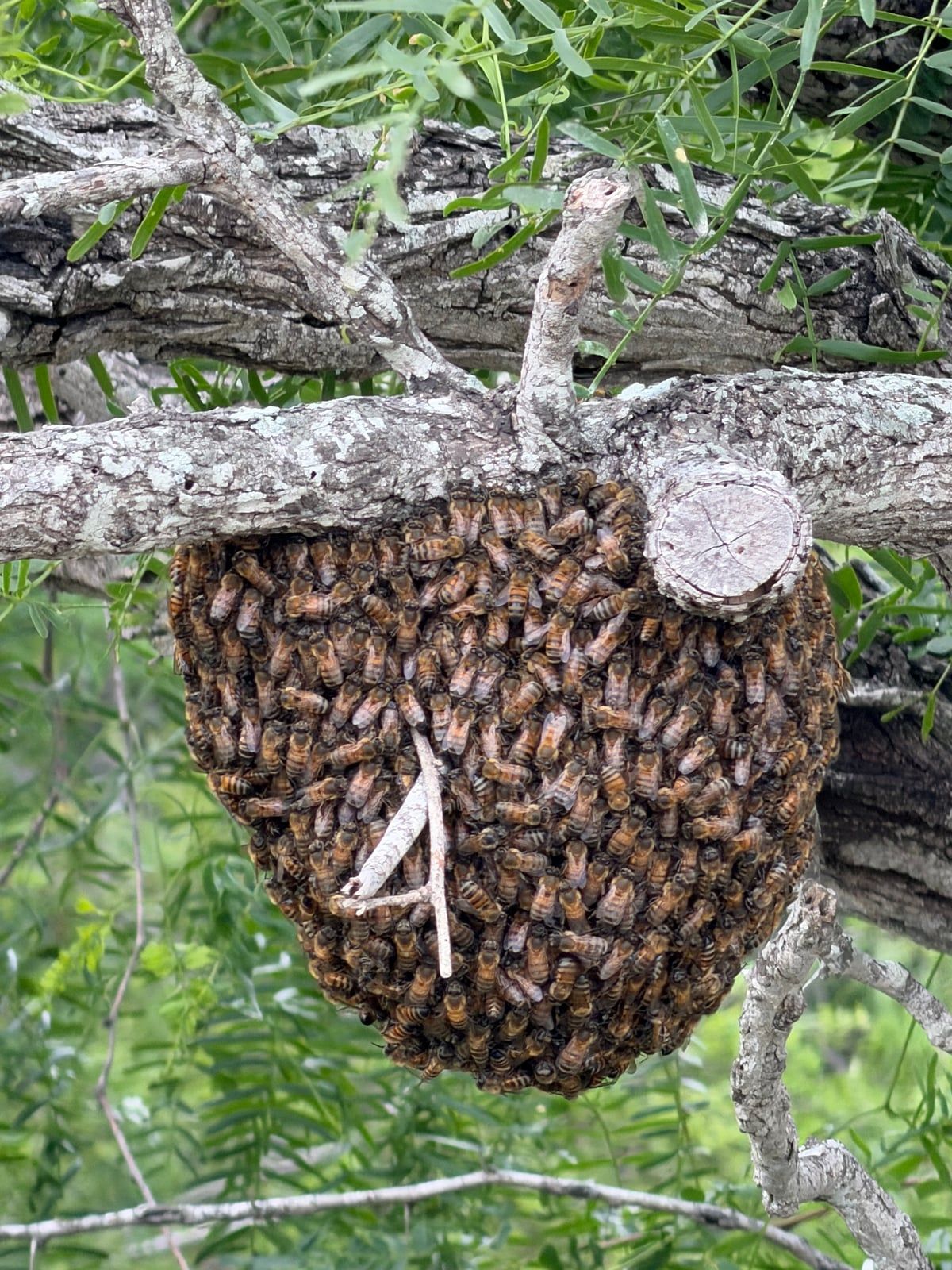
Spring in New York transforms the urban landscape. As blossoms emerge in Central Park and on fire escape gardens, another natural phenomenon follows: the honey bee swarm. A dense, buzzing cluster of thousands of bees clinging to a traffic light in Rochester or a brownstone stoop in Brooklyn can be an alarming sight. Yet, this is not a crisis; it is a critical moment for the bees and a unique opportunity for the skilled urban beekeeper.
In the densely populated environments of New York City, Buffalo, and Rochester, the role of the local beekeeper transcends hobbyism. It becomes a vital public service. An urban swarm requires a rapid, expert response that only a beekeeper can provide, ensuring the safety of both the public and the bees.
A honey bee swarm in a rural field is a simple matter. A swarm in Times Square is a logistical and public relations puzzle. Rescuing bees in a city environment presents a distinct set of challenges that underscore the need for experienced hands.
First, it's essential to understand what a swarm is. A swarm is a large group of bees, including a queen, that has left an existing colony to find a new home. In this transient state, the bees are remarkably docile. They have filled up on honey for their journey and have no home, brood, or food stores to defend. They are simply resting while scout bees search for a suitable permanent cavity.
Urban recovery presents unique obstacles:
Despite the concrete and steel, New York is home to a surprisingly robust and dedicated community of beekeepers. From rooftop apiaries in Queens to community gardens in Buffalo, these individuals manage thriving honey bee colonies against an urban backdrop. They possess a unique skill set, combining traditional apiculture knowledge with an understanding of city logistics and regulations.
These urban beekeepers are perfectly positioned to act as first responders for swarm events. They have the expertise to assess the situation, the equipment to handle the collection safely, and the passion to see these valuable insects protected. Their work is a collaborative effort that benefits the entire city, preserving vital pollinators while educating the public about their importance.
For a beekeeper, a swarm represents a significant opportunity. It is a chance to acquire a healthy, robust colony with a proven queen at no cost. Swarms are nature's way of creating new colonies, and they provide an excellent foundation for expanding an apiary or replacing a lost colony.
It is crucial to distinguish between a free swarm collection and a paid established hive removal. Capturing a swarm from a tree branch is relatively straightforward. However, removing an established colony that has built comb inside a wall requires carpentry skills, specialized equipment, and significant labor. This service, a cutout, is a professional job for which a beekeeper should provide a fair quote based on the complexity of the work.
By responding to swarm calls, beekeepers not only gain valuable resources for their own apiaries but also reinforce their role as community experts and stewards of the environment.
The sheer scale and density of a metropolis like New York City make coordination essential. A single beekeeper cannot be everywhere at once. When a swarm is reported in the Bronx, a beekeeper in Staten Island is not the most effective responder. This is where a localized, rapid-alert network becomes indispensable.
The logistical demands in New York are vastly different from those in less populated areas. For example, in a state like Nevada, swarm data shows that as few as five registered users might manage around 100 swarm reports across an entire season in a vast territory. In NYC, a single, highly visible swarm can generate dozens of calls within an hour. The immense population density requires a system that can instantly connect a reported swarm to the nearest available beekeeper.
This immediate connection is key to a successful recovery, preventing public panic and ensuring the bees are rescued before they become a more significant structural issue.
Your expertise as a New York beekeeper is critical for protecting honey bees and serving your community. The Swarmed network empowers you to be an effective part of the solution by providing free, localized swarm alerts directly to you. There is no commitment required; simply respond to the alerts in your area that you are able to handle. By joining, you gain access to healthy, local bees to grow your apiary while performing a valuable community service.
Become part of the essential response team for urban bees. Join the Swarmed beekeeper network today by signing up at https://beeswarmed.org/beekeeper-signup.
California's Golden Opportunity: Harnessing the Spring Swarm For beekeepers across California, the arrival of spring signals more than just almond blossoms and wildflo...
Read More...May 18, 2026
A Beekeeper's Guide to Swarm Collection in Idaho Spring has arrived in the Gem State, and with it, the unmistakable hum of honey bee swarms. For beekeepers, this is a...
Read More...May 18, 2026