You've Done Your Part—Now What?
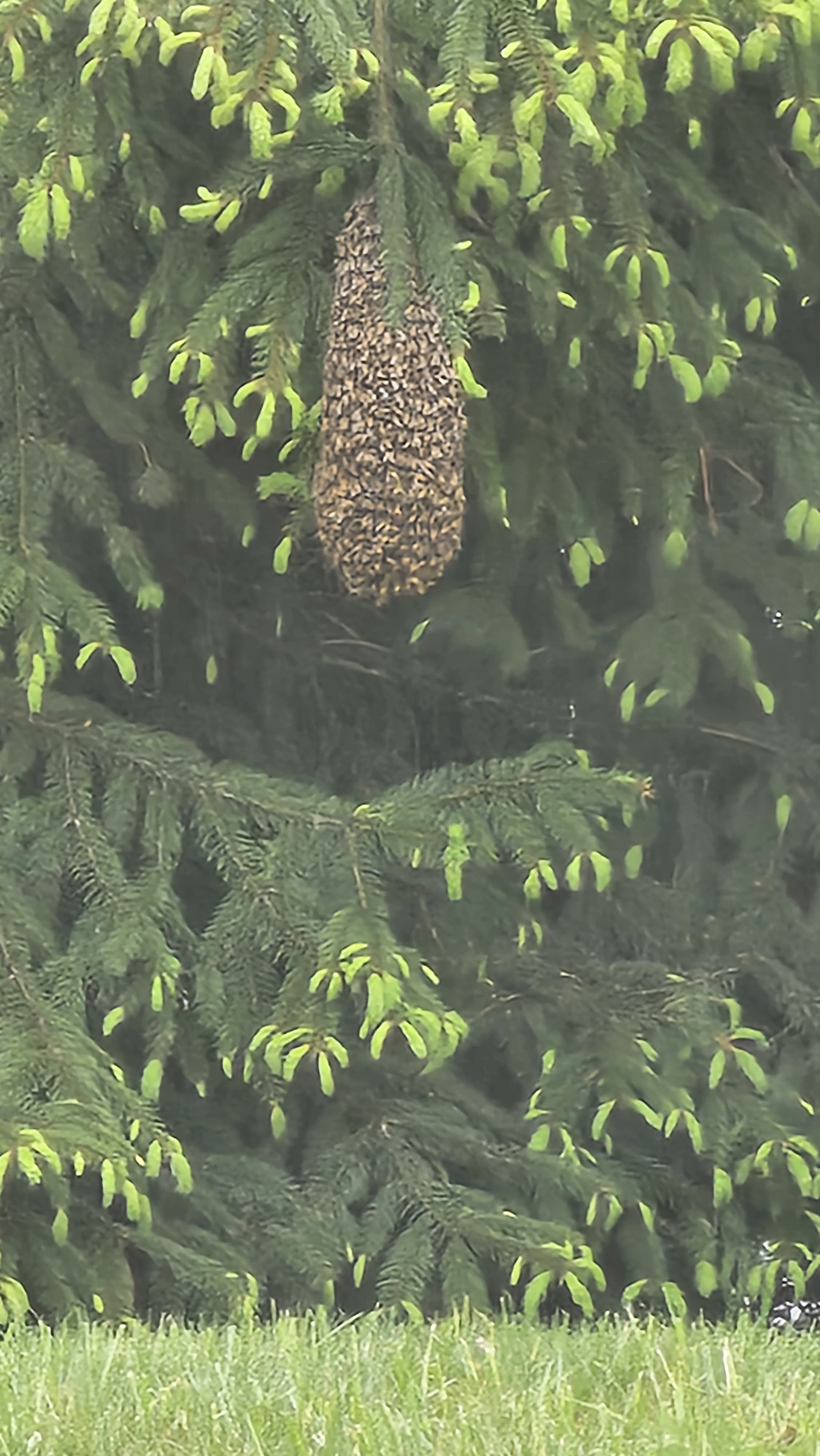
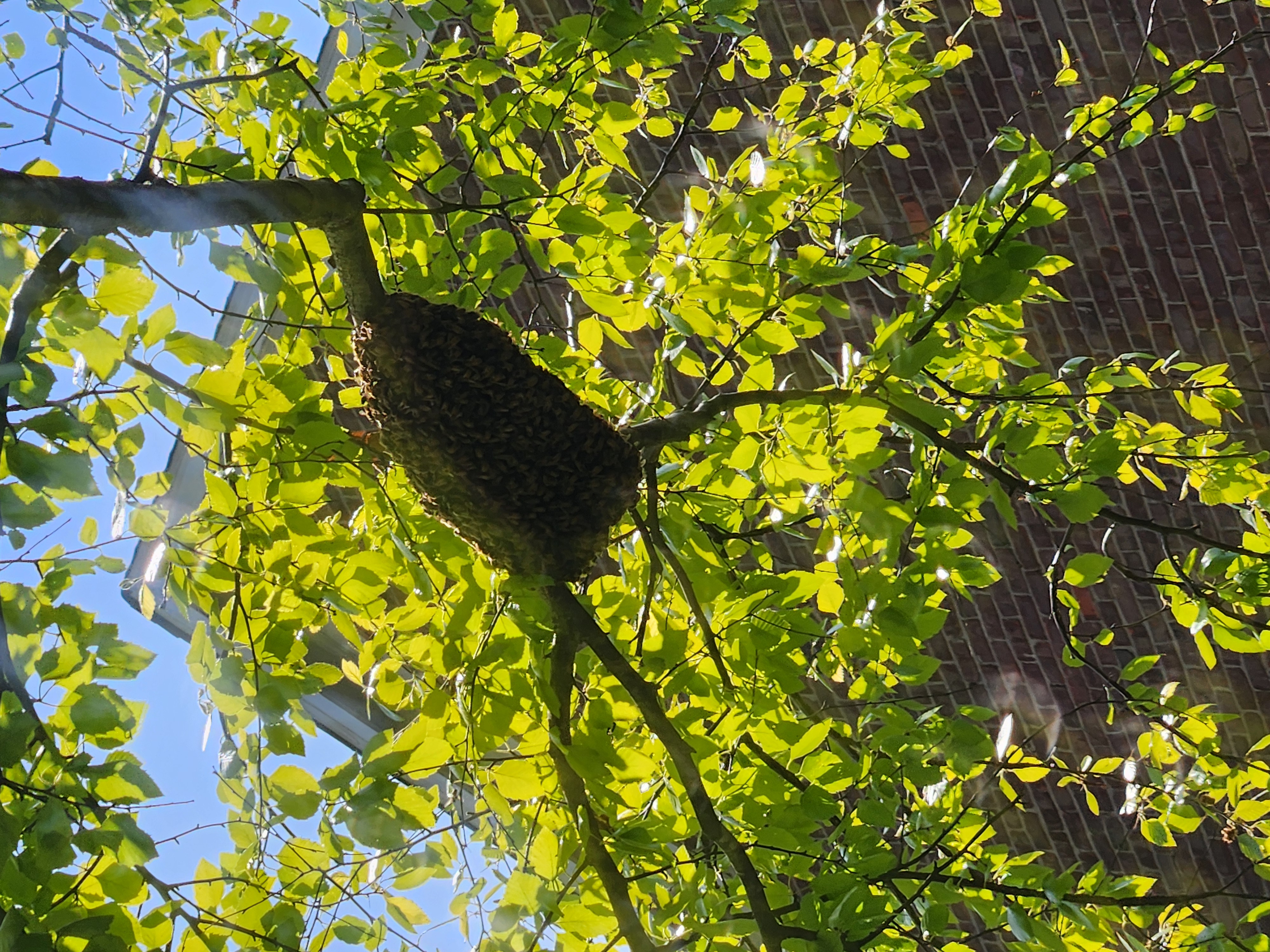
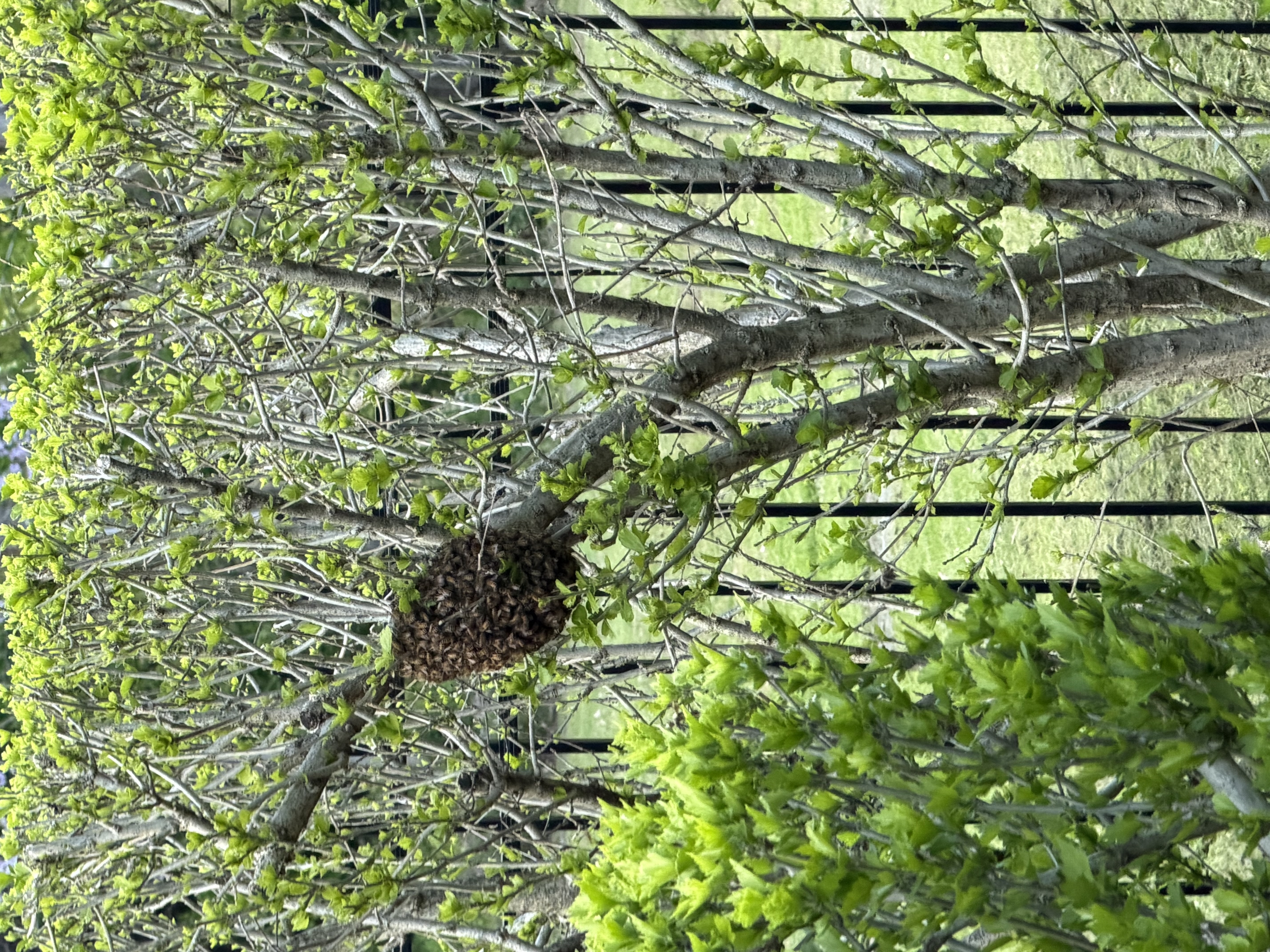
Seeing a large cluster of thousands of honey bees on a tree branch or fence post can be an awe-inspiring, if slightly intimidating, sight. If you've encountered this natural phenomenon in Sioux Falls, Rapid City, Pierre, or anywhere across South Dakota and reported it, you've taken a crucial step in protecting these vital pollinators. But what exactly happens after you click 'submit'? This guide walks you through the process, clarifying what to expect from the moment you report a swarm to the arrival of a local beekeeper.
Your simple act of reporting sets in motion a rapid, community-based response designed to safely rehome the bees and support local agriculture. Understanding the next steps helps demystify the process and highlights the positive impact of your contribution.
Step 1: Instant Confirmation
Immediately after you submit your swarm report through the Swarmed network, you will receive an automated email. This isn't just a simple receipt; it's a confirmation that your alert is now active and has been dispatched to a network of registered beekeepers in your specific area of South Dakota.
The system is designed for speed. The information you provided—the location, the size of the swarm, and how long it's been there—is instantly broadcast to the people best equipped to help: local beekeepers who are ready to respond.
Step 2: A Beekeeper Responds—Often Within Minutes
South Dakota beekeepers are passionate about honey bees. A swarm represents a valuable opportunity for them to start a new, healthy hive in their apiary. Because swarms are transient and can move on within a day or two, beekeepers act quickly.
It is very common for a beekeeper to contact you via phone call or text message within minutes of your report. They will likely ask a few clarifying questions:
- Can you confirm the bees are honey bees and not wasps or hornets?
- Where exactly is the swarm located? (e.g., "On the lowest branch of the oak tree in the front yard.")
- How high off the ground is it?
- Have the bees moved into a structure, or are they clustered in the open?
This last question is the most important, as it determines the nature of the service you require. It's the difference between a simple swarm rescue and a more complex structural removal.
Step 3: Understanding the Service: Free Swarm Rescue vs. Paid Colony Removal
One of the most common points of confusion for the public is the cost of bee removal. The answer depends entirely on where the bees are located and what they are doing. Swarmed helps clarify this for both the public and the beekeepers.
Honey Bee Swarm: A Free Rescue
A swarm is a temporary cluster of bees—typically thousands of them with their queen—resting in the open while they search for a new permanent home. They might be on a tree limb, a fence, a mailbox, or playground equipment. In this state, the bees are remarkably docile. They have filled up on honey for their journey and have no home, honey, or baby bees (brood) to defend.
For a beekeeper, rescuing a swarm is a straightforward process that usually involves gently encouraging the bees into a box. Because these bees are a valuable resource, swarm rescue is almost always performed for free by local beekeepers. They are happy to give these bees a safe, managed home.
Established Colony: A Paid Removal Service
An established colony or established hive is different. This is what happens when a swarm has found its new home and moved in. If bees have taken up residence *inside* a structure—such as the wall of your house, an attic, a shed, or a chimney—they are no longer a transient swarm. They have begun building wax comb, raising brood, and storing honey.
These bees will be defensive of their home. Removing an established colony is a complex, labor-intensive job known as a "cutout." It often requires carpentry skills and specialized equipment to open the structure, carefully remove all the bees and comb, and then perform any necessary repairs.
This type of work is a paid professional service. The beekeeper will assess the situation and provide you with a fair quote based on the complexity, time, and repairs involved. You are free to accept or reject this quote. Reporting through Swarmed is free to use, but a cutout is a specialized job that requires compensation.
Why Your Report Matters for South Dakota
By reporting a swarm, you do more than just solve a problem in your backyard. You become part of a statewide effort to protect honey bees and support the local beekeepers who care for them. Every report provides valuable information about bee populations and their health. While some states see fluctuating trends—for instance, Swarmed registered 102 swarms in Nevada last season—each report from Sioux Falls to Rapid City helps build a clearer picture of pollinator health right here in South Dakota.
These bees are essential for pollinating crops across our state, from sunflowers to alfalfa. When a local beekeeper rescues a swarm, those bees are put to work in a managed apiary, contributing to local food production and biodiversity. Your report directly supports a sustainable and healthy ecosystem.
Thank you for taking the time to help our honey bees. Reporting a swarm is a simple, safe, and powerful way to contribute to your community and the environment. If you see another swarm or know someone who has, you now know exactly what to do and what to expect.
To ensure honey bees find a safe home with a local beekeeper, please Report a bee colony here (opens in a new tab). It’s the best way to help the bees and your community.