
A Beekeeper's Guide to Swarm Season in California
California's Golden Opportunity: Harnessing the Spring Swarm For beekeepers across California, the arrival of spring signals more than just almond blossoms and wildflo...
Read More...May 18, 2026
Home > Blog > Bee Exterminator vs. Beekeeper: The Right Call for a Bee Swarm
May 6, 2026
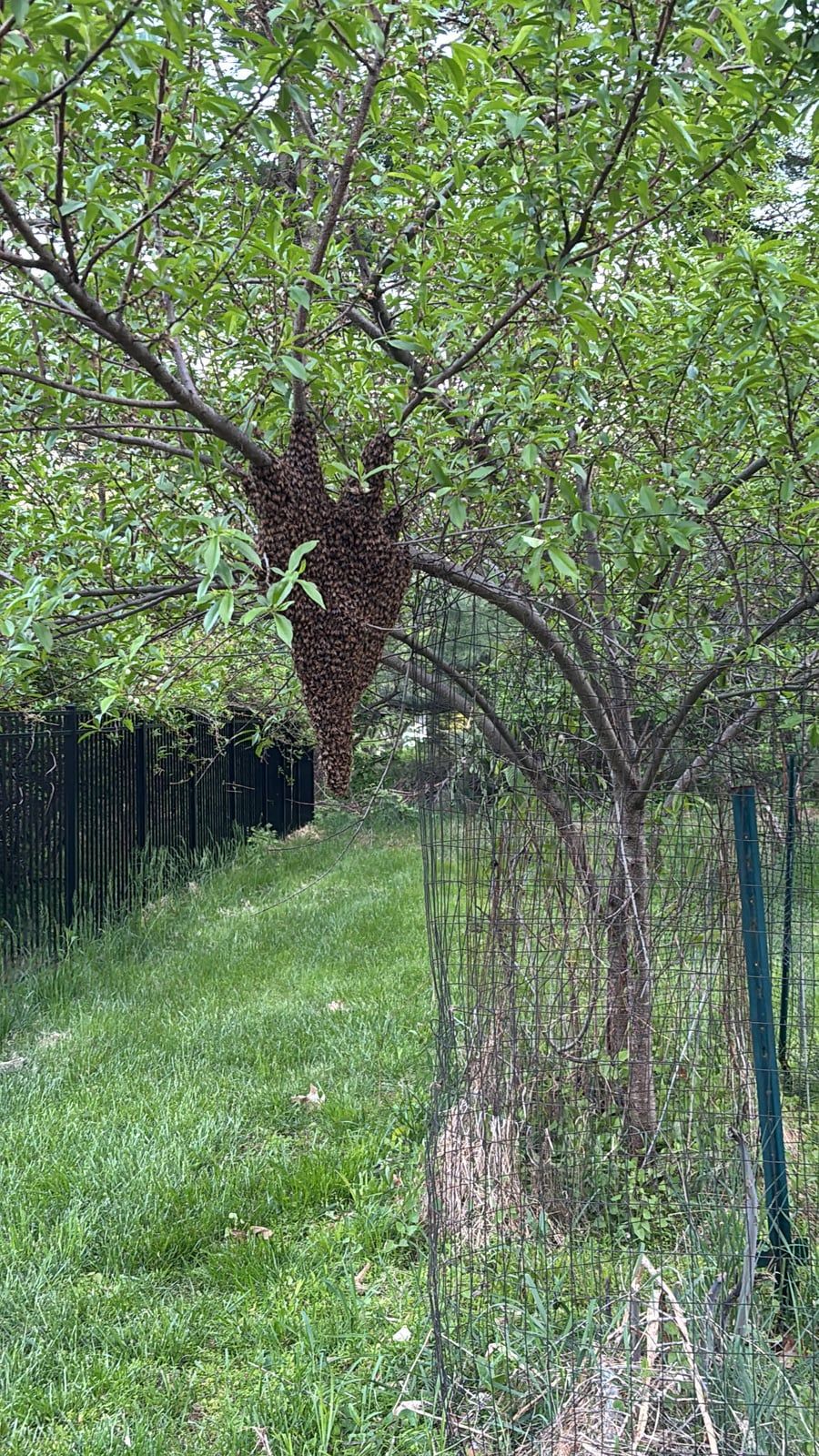
A sudden, buzzing mass of thousands of bees clustered on a tree branch or fence post is a startling sight. For many homeowners, the first instinct is to reach for the phone and search for a “bee exterminator.” This reaction is understandable, but it can lead to the unnecessary destruction of a vital and docile group of honey bees. There is a much better, safer, and ecologically responsible alternative: contacting a local beekeeper.
Understanding the difference between extermination and safe removal is crucial for protecting honey bee populations and making the right decision for your property and community. This guide will clarify what a bee swarm is, why it shouldn’t be feared, and how you can become an important part of its survival.
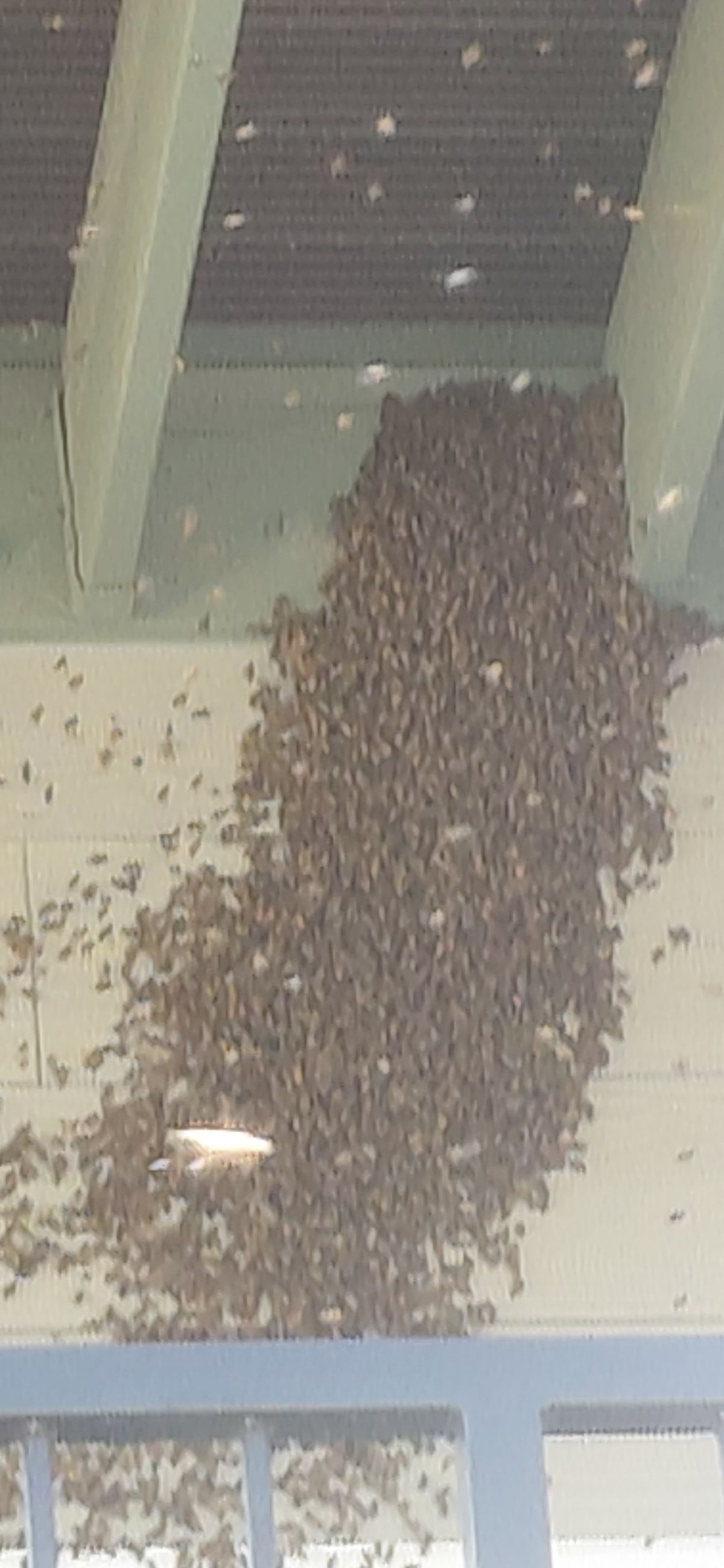
A honey bee swarm is a natural and temporary part of the honey bee life cycle. It is the colony's way of reproducing. In the spring, a healthy, successful colony may grow so large that it decides to split. The old queen, along with approximately half of the bees (from 10,000 to 30,000), will leave the original hive to find a new home.
While this large group flies, they need a temporary resting place. They will form a dense, buzzing cluster around their queen, often on a tree limb, a fence, or the side of a building. This is the swarm.
Key characteristics of a swarm include:
Not every group of bees is a swarm, and this distinction is critical for understanding what to do next. The term people use often determines the service—and cost—they can expect.
Understanding the difference between a swarm and an established colony directly relates to the potential cost of removal.
Swarm Collection (Usually Free): Local beekeepers are often eager to collect swarms. A healthy swarm provides them with a strong, new colony for their apiary without the cost of purchasing one. The process is relatively simple for an experienced beekeeper, who can often gently brush the bees into a box and relocate them. It is a win-win: the homeowner has the bees removed safely, and the beekeeper gains a new hive.
Cutout / Established Colony Removal (Costs Money): If bees are inside a structure, the removal is no longer a simple collection. It becomes a construction project. A beekeeper must carefully cut into the wall or structure to expose the hive, remove all the bees, comb, brood, and honey, and then seal the area to prevent future infestations. This process, called a cutout, requires specialized skills, tools, and often carpentry for repairs. Due to the time, complexity, and potential liability, a beekeeper will provide a quote for this service, which can range from a few hundred to over a thousand dollars depending on the situation. Homeowners can then accept or reject the quote for this paid service.
While calling a pest control company may seem like the most direct path, choosing extermination for a honey bee swarm has significant negative consequences. Honey bees are essential pollinators responsible for roughly one-third of the food we eat. Their populations are facing numerous threats, and every colony is precious.
Exterminating a swarm destroys a healthy, viable colony that a beekeeper could have saved and nurtured. Moreover, if bees have established a hive in a wall, simply spraying poison creates a bigger problem. The dead bees, brood, and honey will decay inside the wall, attracting other pests like ants, rodents, and wax moths, and potentially causing structural damage from rotting honey.
A professional beekeeper ensures all components of the hive are removed, solving the problem completely and ethically.
Connecting a person who has found a swarm with a local beekeeper who can rescue it is the most effective and responsible solution. This is precisely what community-based networks are designed to do. When you report a swarm, you initiate a process that benefits everyone.
This community-driven approach has a measurable impact. For instance, reports from community members across Nevada enabled local beekeepers to rescue 100 honey bee swarms. Each of those reports represented a colony saved from potential extermination and a boost for local agriculture and ecosystems. By simply making a report, these residents directly supported their local beekeepers and strengthened the pollinator population.
By choosing rescue over extermination, you are not just solving a problem on your property; you are participating in a nationwide effort to protect these invaluable insects.
If you encounter a swarm of honey bees, the steps are simple:
Protecting honey bees is a collective effort. The next time you see a swarm, you will know it is not a threat but an opportunity. It is a sign of a healthy ecosystem and a chance to take a simple action that has a profoundly positive impact.
Instead of searching for a bee exterminator, take a moment to report the colony. You will be helping save bees, supporting local beekeepers, and contributing to the health of your community. To report a swarm and connect with a beekeeper near you, click the link below.
Report a honey bee colony safely and easily. (opens in a new tab)
California's Golden Opportunity: Harnessing the Spring Swarm For beekeepers across California, the arrival of spring signals more than just almond blossoms and wildflo...
Read More...May 18, 2026

A Beekeeper's Guide to Swarm Collection in Idaho Spring has arrived in the Gem State, and with it, the unmistakable hum of honey bee swarms. For beekeepers, this is a...
Read More...May 18, 2026