Florida's Unique Beekeeping Landscape
Florida’s subtropical climate creates one of the longest and most active beekeeping seasons in the United States. While beekeepers in other states are just beginning to open their hives, those in the Sunshine State are often well into managing population growth. This extended period of warmth and forage availability leads to a significant increase in honey bee reproduction, which means one thing: swarms. From the dense suburbs of Miami and Orlando to the sprawling communities around Tampa, honey bee swarms are a common sight, particularly during the spring and early summer months.
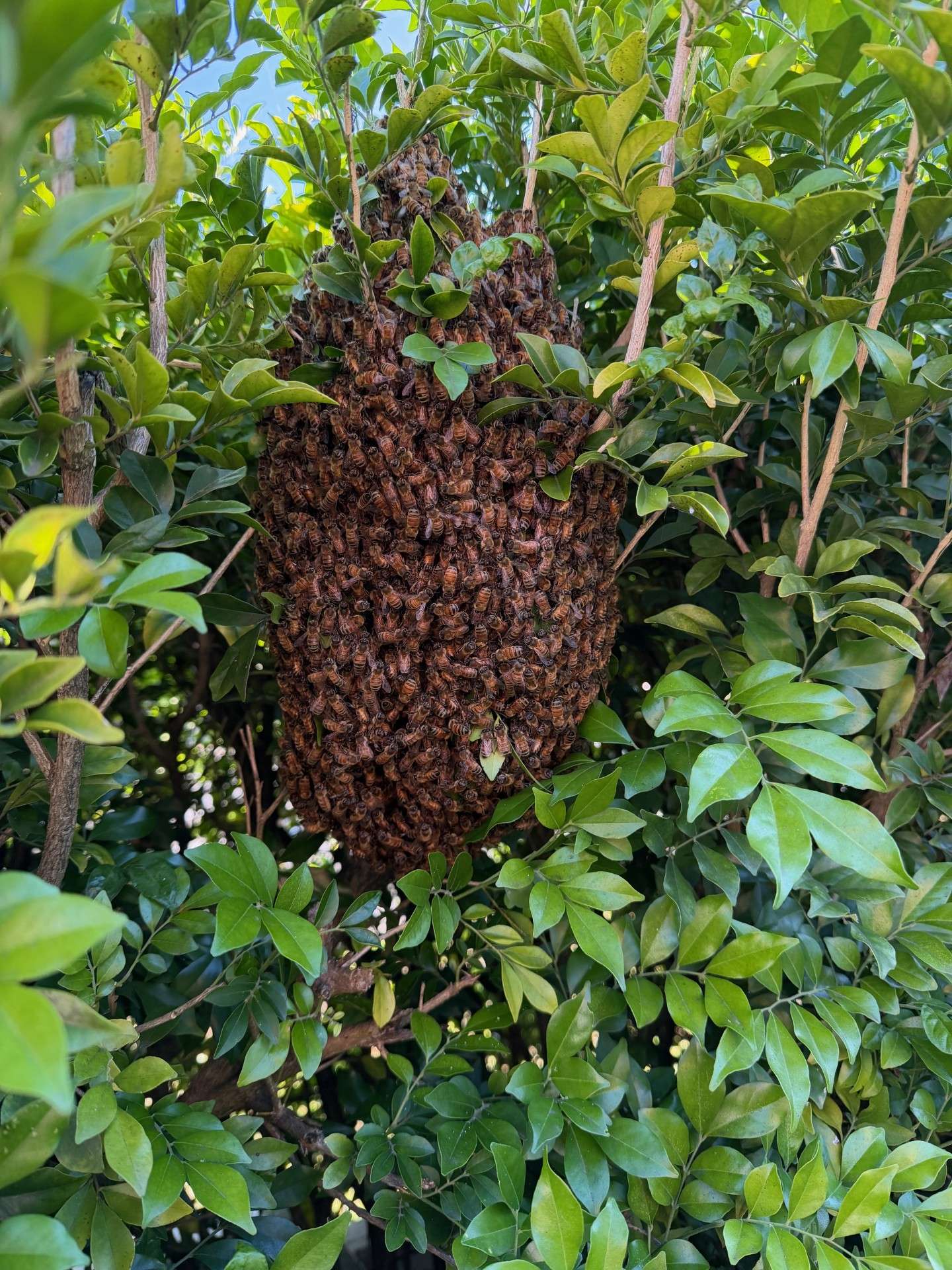
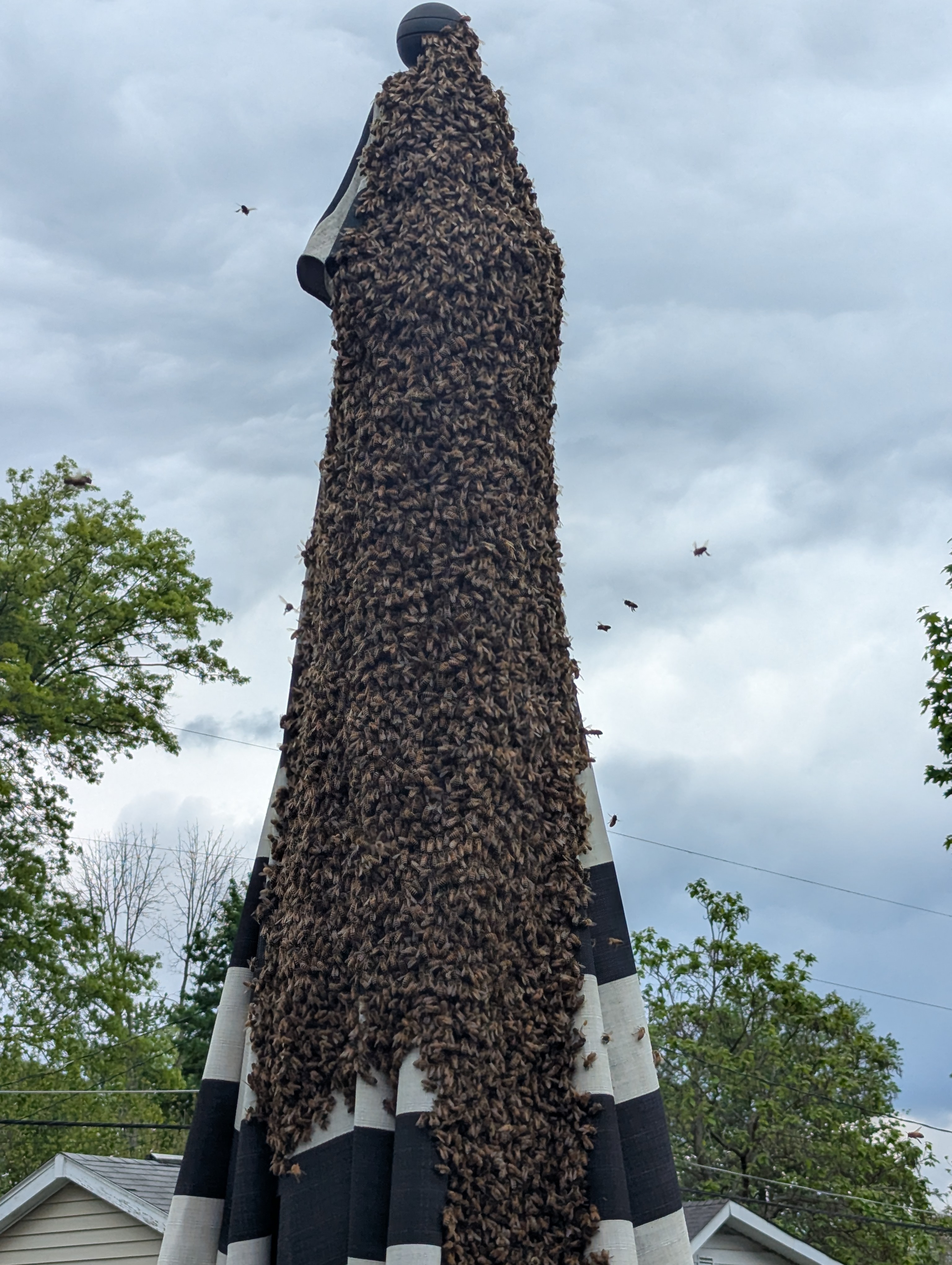
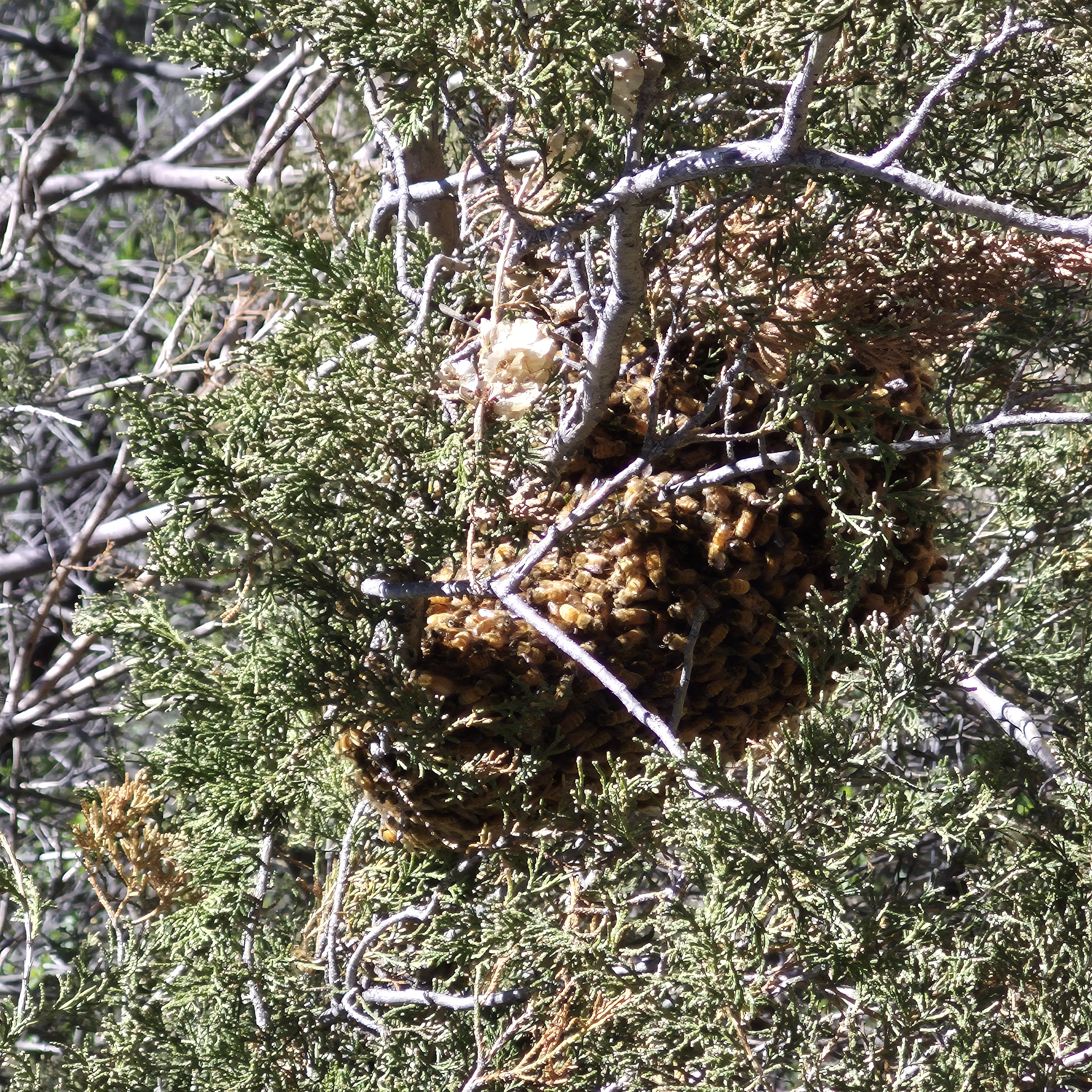
This natural process of colony division, while essential for bee survival, can be alarming for the public. A large cluster of bees on a tree branch or fence post often prompts calls to pest control services. This is a critical moment where knowledgeable beekeepers can intervene, providing a vital service to the community while also benefiting their own apiaries. The demand for skilled swarm collectors in Florida is consistently high, presenting a unique opportunity for the local beekeeping community.
The Critical Difference: Swarms vs. Established Colonies
To effectively serve the public and manage expectations, it is essential for beekeepers to understand and communicate the difference between a honey bee swarm and an established colony. This distinction governs the approach, the equipment needed, and the cost structure of the service.
A Swarm:
- A swarm is a temporary, transient cluster of bees with a queen, typically resting while scout bees search for a new permanent home. They may stay in one spot for a few hours to a couple of days.
- Bees in a swarm are generally docile. They have engorged themselves with honey for the journey and have no brood or honeycomb to defend.
- Collection is straightforward, usually involving gently shaking or brushing the cluster into a hive box or nuc.
- For beekeepers, swarms are a valuable resource. They represent healthy, locally-adapted genetics and a way to grow an apiary at no cost.
An Established Colony (Requiring a "Cutout"):
- An established colony has moved into a structure—such as a wall, roof, shed, or hollow tree—and has begun building comb, raising brood, and storing honey.
- These bees are defensive because they are protecting their established home and resources.
- Removal, known as a cutout, is complex and labor-intensive. It often requires carpentry skills, specialized tools to open the structure, and careful removal of comb.
- A cutout is a professional service that should be quoted fairly. The price reflects the complexity, time, risk, and any necessary structural repairs. Homeowners should expect to pay for this specialized work.
By joining a network that connects you with public reports, you position yourself to respond to both situations, providing education and professional service where needed.
Connect with Your Community Through Swarmed
The Swarmed network is a tool designed to connect the public with local beekeepers for swift and safe bee rescues. Last season alone, the platform helped facilitate the rescue of more than 750 swarms across Florida, demonstrating a clear and rising need for skilled responders. Registering as a beekeeper on the Swarmed network allows you to tap into this demand and become a primary contact for swarm calls in your area.
Joining the network offers several distinct advantages for Florida beekeepers:
- Free, Local Swarm Alerts: Receive real-time notifications via text or email when a swarm is reported near you. You choose the radius you're willing to cover.
- No Commitment: You are in complete control. Review the details of an alert and decide whether to accept or decline it. There is no penalty for passing on a collection.
- Grow Your Apiary: Each collected swarm is an opportunity to add a new, robust colony to your apiary with locally adapted genetics, increasing your potential for honey production and pollination.
- Support Local Pollinators: By rescuing swarms, you are directly contributing to the health and preservation of honey bee populations in Florida, ensuring these vital pollinators continue to thrive.
Preparing for a Successful Swarm Season
To become a swarm collector in Florida, preparation is key. Having your equipment ready allows you to respond quickly and safely when an alert comes in.
Your basic swarm kit should include:
- A ventilated swarm box, cardboard nuc, or spare hive body with frames.
- A complete bee suit, including a veil and gloves, for personal protection.
- A bee brush to gently guide stray bees.
- A sturdy ladder for accessing swarms in elevated locations.
- Securing straps to keep your collection box closed during transport.
When you arrive on-site, the first step is always assessment. Confirm that it is a transient swarm and not an established colony. Communicate clearly with the homeowner, explaining the process and, if it turns out to be a cutout, discussing the scope of work and providing a fair quote before you begin.
Once you have a new swarm back at your apiary, it's good practice to quarantine them for a short period to monitor for any health issues before introducing them to your main yard. Providing them with a 1:1 sugar water solution will help them draw out comb and get established quickly.
Your expertise is a valuable asset to your community and to the health of Florida's ecosystem. By registering as a swarm collector, you play an active role in protecting honey bees while simultaneously strengthening your own beekeeping endeavors.
Are you ready to answer the call? Join the Swarmed beekeeper network today to start receiving free, no-commitment swarm alerts in your area. Your community and the bees need you.
Sign up for the Swarmed network and become a local swarm collector (opens in a new tab)