Springtime Buzz: Understanding Arkansas Honey Bee Swarms
Across Arkansas, from the bustling streets of Little Rock to the vibrant communities in Fayetteville and Fort Smith, the arrival of warmer spring weather signals a remarkable natural event: honey bee swarm season. As flowers bloom and days lengthen, you may notice large clusters of bees gathered on tree branches, fence posts, or buildings. This sight, while potentially startling, is a positive sign of a healthy and growing honey bee population.
Swarming is the honey bee's natural method of reproduction at the colony level. An established colony becomes crowded, so the old queen and about half the bees leave to find a new home, leaving a new queen to continue the original hive. These traveling bees are in a transitional state, and understanding their behavior is key to helping them thrive.
The Difference Between a Swarm and an Established Hive
Knowing what you're seeing is crucial, as it determines the best course of action and the potential cost of removal. There is a significant difference between a temporary swarm and a permanently established colony.
A Honey Bee Swarm:
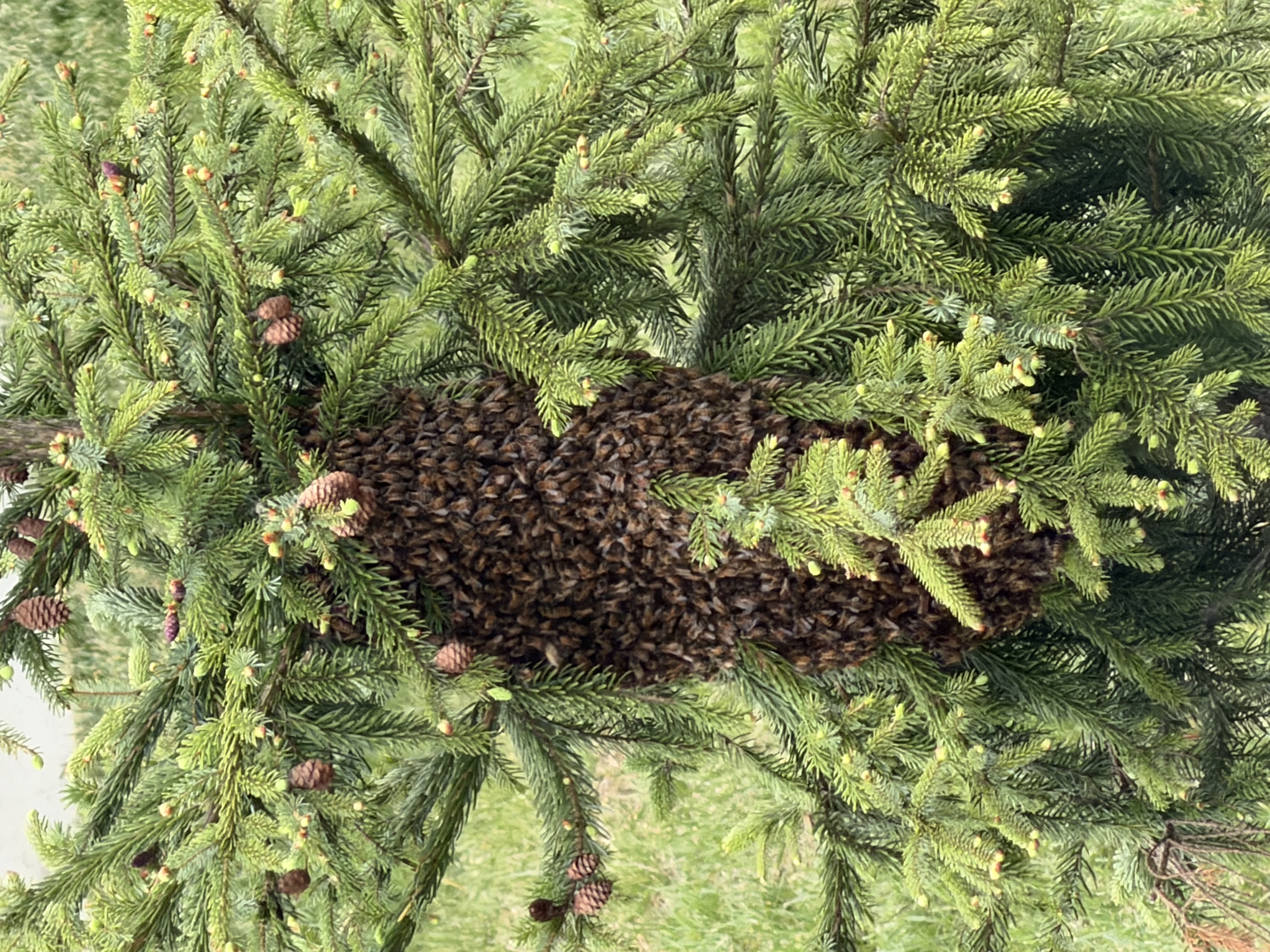
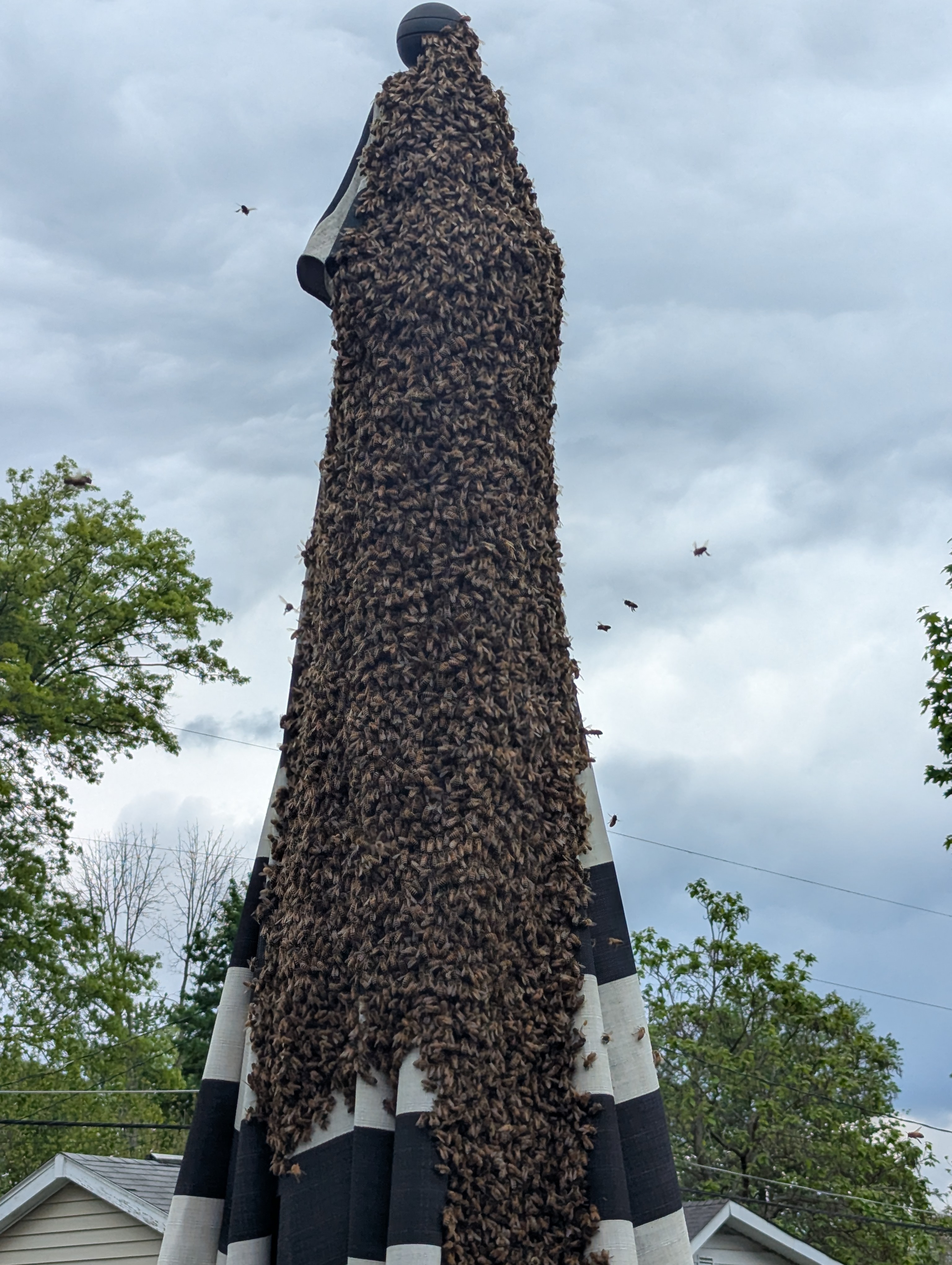
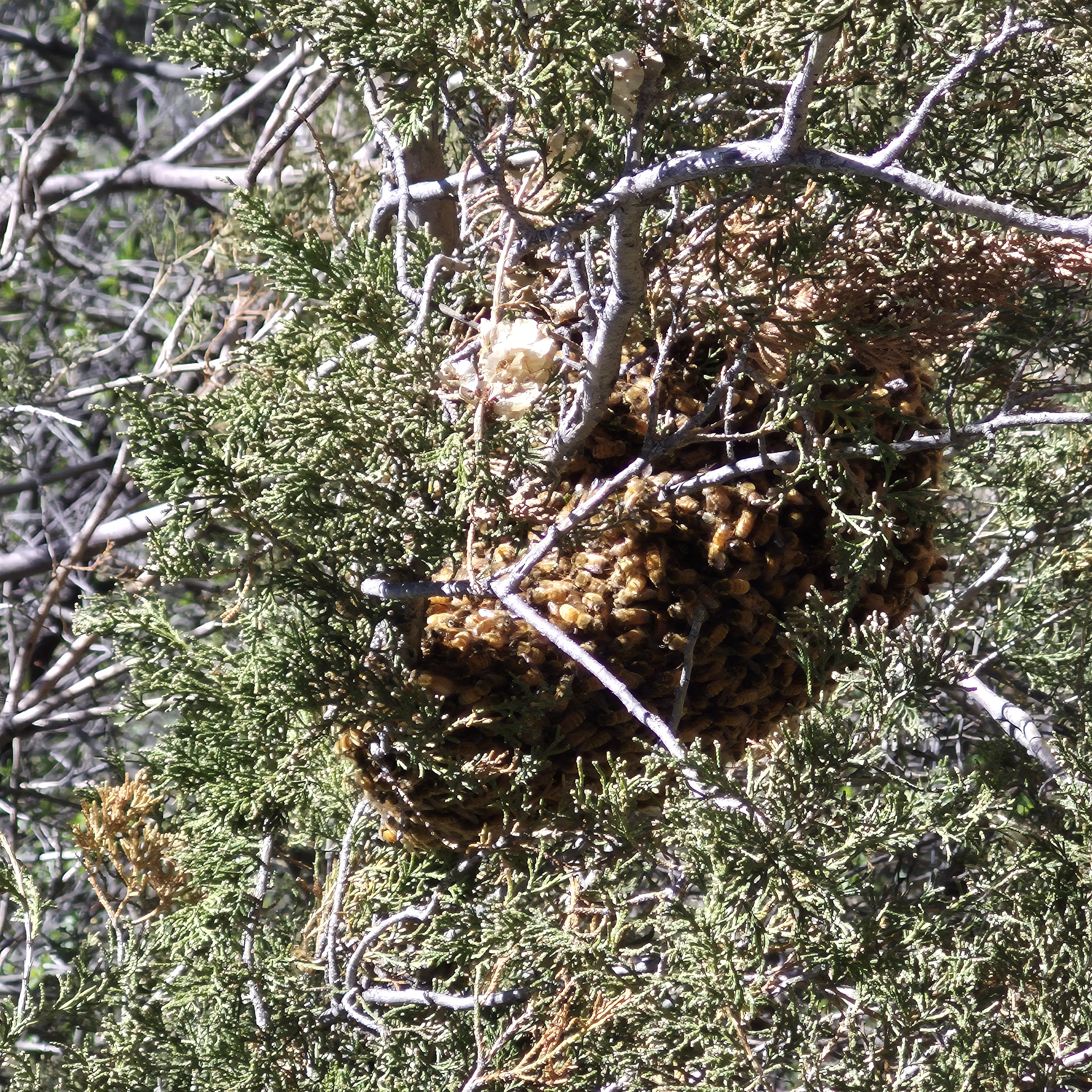
- Appearance: A large, dense cluster of thousands of bees, often shaped like a ball or a beard, hanging from an object. There is no visible comb.
- Behavior: The bees are generally docile. Before leaving their original hive, they fill up on honey, making them less inclined to sting. Their primary focus is protecting the queen in their center and finding a new permanent home.
- Duration: A swarm is temporary, typically resting in one spot for only 24 to 72 hours while scout bees search for a suitable new cavity.
- Removal: Collection is usually free. Beekeepers are eager to capture swarms to start new hives in their apiaries. It's a simple process for an experienced beekeeper to safely gather the bees into a box.
An Established Colony (or Hive):
- Appearance: You'll see bees flying in and out of a protected opening—a hole in a wall, a roof eave, a hollow tree, or a shed. Inside this structure, they have built wax comb for raising brood and storing honey.
- Behavior: These bees are defensive. They have a home, young bees (brood), and food stores to protect, making them more likely to sting if they feel threatened.
- Duration: This is a permanent residence.
- Removal: This service costs money. Removing an established colony is a complex process known as a "cutout." It often requires specialized equipment, carpentry skills to open the structure, and careful removal of bees and comb, followed by repairs. A professional beekeeper will provide a quote for this work, which can range from $200 to $800+ depending on the location, complexity, and time involved. You have the right to accept or decline the quote.
Swarm Season Timeline in Arkansas
In Arkansas, peak swarm season typically aligns with the progression of spring, generally beginning as temperatures consistently stay warm and major nectar sources become available. While the exact timing can shift with the weather, residents in Fort Smith, Little Rock, and across the state should be most vigilant from mid-spring onward. This is when healthy colonies are at their peak population and are most likely to divide.
How You Can Help Protect Honey Bees
When you see a honey bee swarm, you have an opportunity to help these vital pollinators and support local agriculture. The Swarmed network connects people who find swarms with local, registered beekeepers who can provide a new home for the bees.
Reporting a swarm is the most effective action you can take. Swarmed provides a free, streamlined service that dispatches your report to nearby beekeepers. This system helps ensure the bees are rescued safely and efficiently, preventing them from establishing a colony in an undesirable location where removal would be difficult and costly.
Our platform helps monitor bee populations and trends nationwide. For instance, data from last season in a state like Nevada indicated a declining trend in reported swarms, highlighting how crucial every single report is in states like Arkansas for protecting local bee populations.
What to Do When You See a Swarm
Observing a swarm can be surprising, but it's important to take the correct steps. Here’s what to do:
- Keep a Safe Distance: While swarms are docile, it's best to observe them from afar and keep pets and children away.
- Do Not Disturb Them: Do not spray the bees with water, pesticides, or anything else. This will not make them leave and may cause them to become defensive.
- Take a Photo: If you can do so safely, a picture can help the beekeeper confirm it's a honey bee swarm and assess its size.
- Report the Swarm: The most important step is to report it immediately. Visit **https://beeswarmed.org/report-bee-colony (opens in a new tab)** to submit a report. The platform is free to use, though we do ask for an optional suggested contribution of $12 to help support our mission.
Your Report Makes a Difference
By taking a few moments to report Arkansas honey bee swarms, you become an essential partner in honey bee conservation. Your action connects a colony of bees with a local beekeeper who can give them a safe, managed home. This supports Arkansas beekeepers, protects the bees, and strengthens our local ecosystem.
Next time you see a cluster of bees on the move, you'll know exactly what it is and how to help. Join your community in protecting these essential pollinators. Report any swarm you see at https://beeswarmed.org/report-bee-colony.