You’ve done a great thing for your community and for honey bees. By reporting a swarm in Wisconsin, you’ve initiated a process that connects a vulnerable honey bee colony with a local beekeeper who can provide a safe, managed home. Whether you're in Milwaukee, Madison, Green Bay, or anywhere in between, your action makes a significant difference.
But what happens now? After you click 'submit' on the report form, a simple and efficient process begins. This guide outlines exactly what you can expect, clarifying the steps involved and explaining the important difference between a simple swarm rescue and a more complex hive removal.
Your Report is Received
Immediately after you submit a report, two things happen:
- You Receive a Confirmation: You will get an automated email confirming that we have received your report. This message lets you know that the system is working and your information has been logged.
- Beekeepers are Alerted: The Swarmed network instantly sends an alert to registered beekeepers in your specific area. This alert includes the details you provided—location, photos, and your contact information—so they can respond quickly and effectively.
Our system is designed to connect you with the nearest available beekeeper, ensuring a timely response to help the bees.
A Local Beekeeper Will Contact You
The next step is contact from a Wisconsin beekeeper. This will typically be a phone call or text message. Beekeepers are passionate individuals who volunteer their time to help rescue honey bees, so their response time can vary depending on their daily schedule, the time of day you reported the swarm, and their proximity to you.
To prepare for their arrival, the beekeeper will likely ask a few clarifying questions:
- Is the swarm still there? Swarms are temporary and can move on, so they'll want to confirm the bees are still at the location.
- Where exactly is it located? For example, is it on a low-hanging branch, a fence post, or high up in a tree?
- How large is the cluster of bees? A comparison to a common object (like a basketball or football) is very helpful.
- How long has it been there? This helps them determine the urgency.
Your answers help the beekeeper assess the situation and bring the right equipment for a successful rescue.
The Critical Difference: Free Swarm Rescue vs. Paid Hive Removal
Understanding the difference between a swarm and an established colony is crucial, as it directly impacts the service provided. This is the most common point of confusion, and clarifying it sets clear expectations for everyone.
Honey Bee Swarm (Typically Free to Remove)
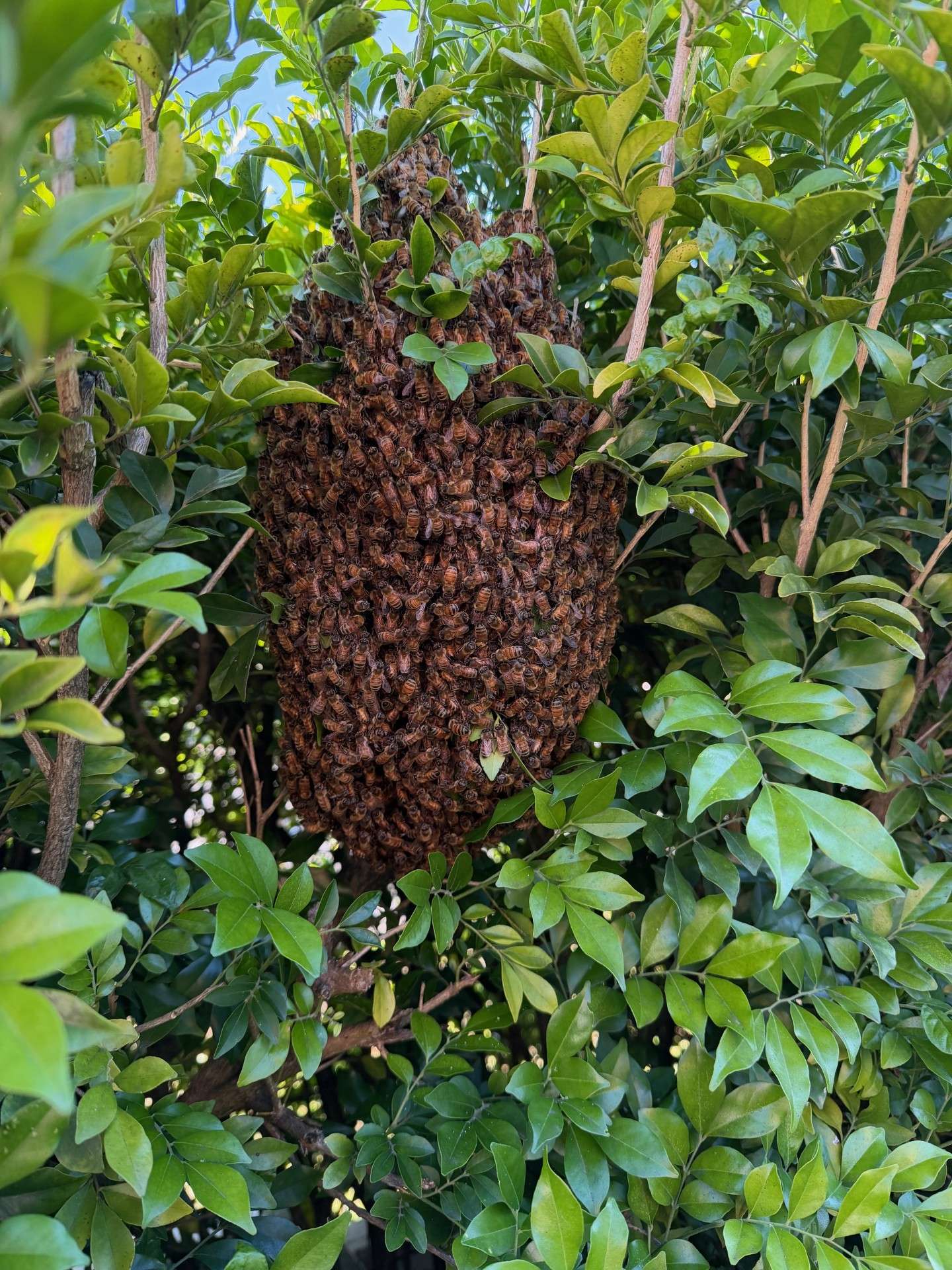
A swarm is a temporary, transient cluster of bees. It consists of a queen and thousands of worker bees that have left their original hive to find a new home. Key characteristics include:
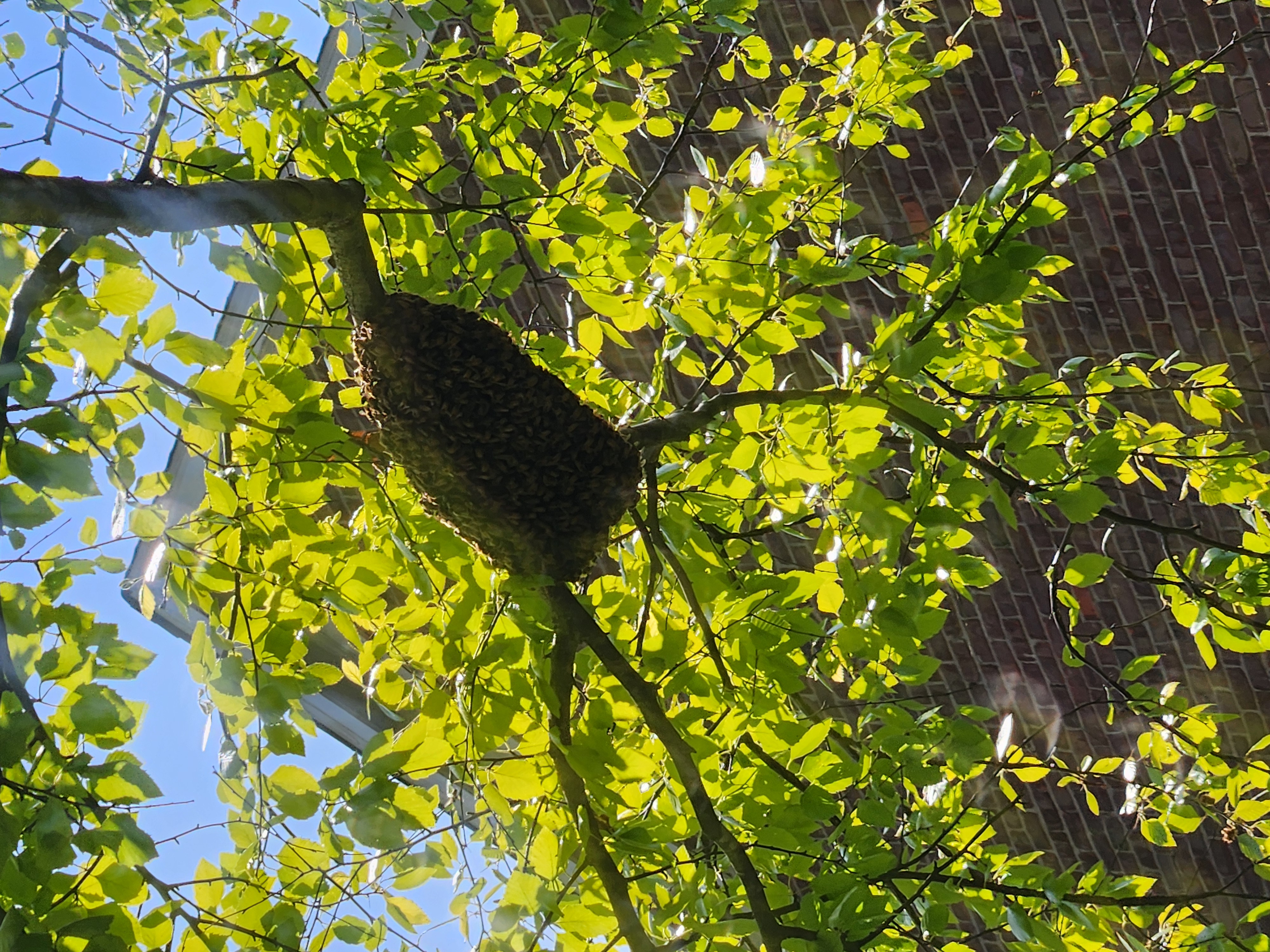
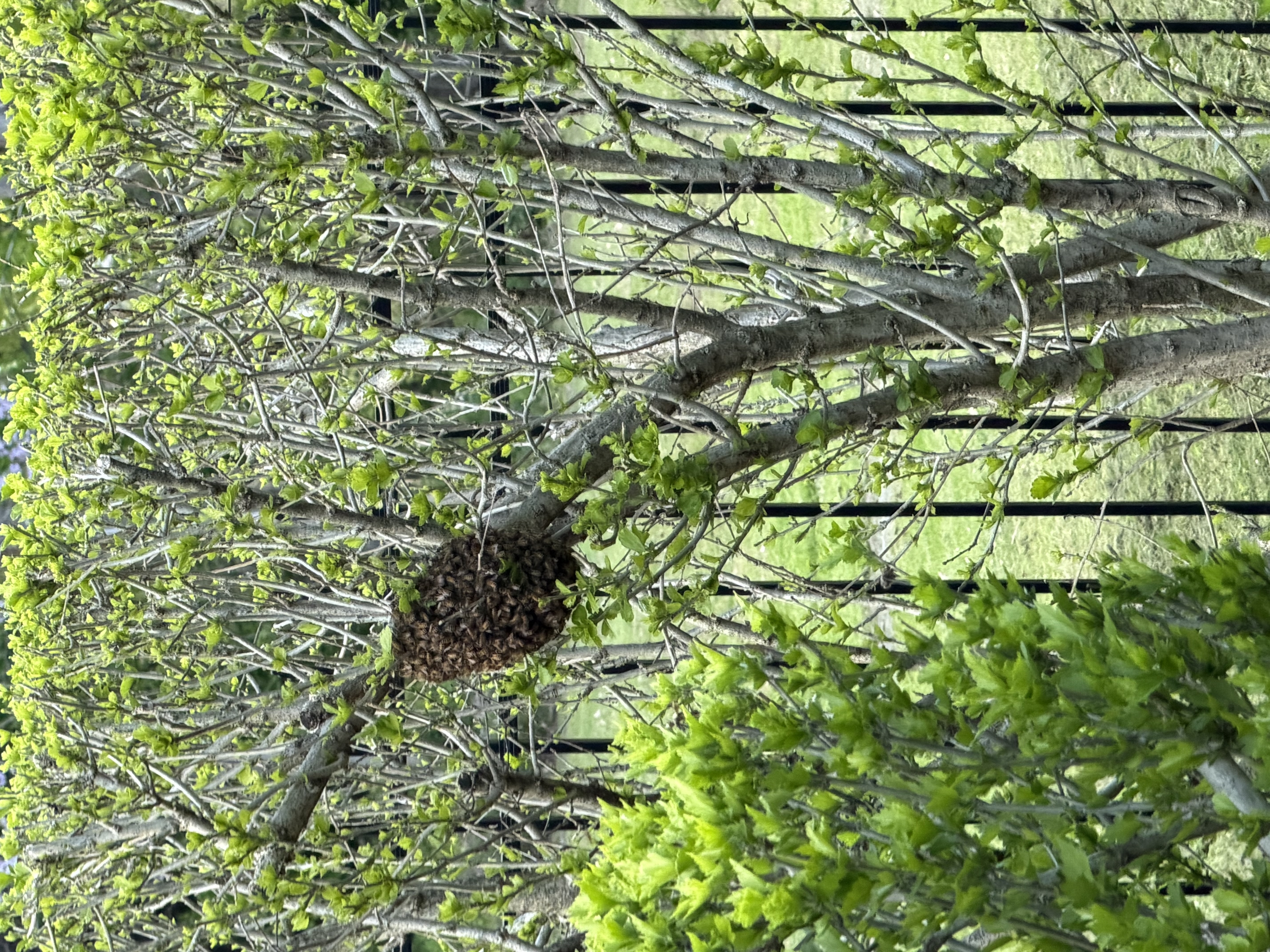
- Appearance: A large, hanging clump of bees, often on a tree branch, fence, or mailbox.
- Behavior: The bees are generally docile. Before swarming, they gorge on honey, making them less inclined to sting. They have no home, brood, or food stores to defend.
- Duration: A swarm will typically only remain in one spot for 24 to 72 hours while scout bees search for a permanent cavity.
Swarm rescue is almost always a free service. Beekeepers are eager to capture swarms because they provide healthy, robust bees to start new hives in their apiaries. For them, a swarm is a valuable resource.
Established Hive or Colony (Requires a Paid 'Cutout' Service)
An established hive is different. This is a colony that has already found and moved into a permanent home, such as inside the wall of a house, a chimney, a shed, or a hollow tree. They are no longer just resting. Key characteristics include:
- Infrastructure: The bees have built wax comb for storing honey and raising young bees (brood).
- Behavior: The bees will be defensive of their established home and resources.
- Permanence: They have no intention of leaving and have started building their life in the structure.
Removing an established colony is a complex and labor-intensive process known as a cutout. It often requires carpentry skills and specialized equipment to open the structure, carefully remove all the comb, bees, and honey, and then seal the area to prevent future infestations. Because of the skill, time, and potential for structural repairs involved, a cutout is a paid service. The beekeeper will assess the complexity of the job and provide you with a fair quote before any work begins.
The On-Site Rescue
For a simple swarm, the process is fascinating and calm. The beekeeper will place a box beneath the cluster and gently brush or shake the bees into it. The goal is to get the queen into the box, as the rest of the colony will follow her scent. The beekeeper will often leave the box for a few hours to ensure all the scout bees have returned before taking them to their new home.
For a cutout, the work is much more involved and can take several hours. The beekeeper will work carefully to save as much of the comb and as many bees as possible for relocation.
Your Report Strengthens Wisconsin's Bee Population
Every swarm reported is a success story. By connecting bees with beekeepers, you are doing more than just solving a problem in your yard. You are actively participating in the preservation of these essential pollinators. Community-powered networks are incredibly effective; in some regions, they can facilitate the rescue of over 100 swarms in a single season, each one a vital genetic addition to the local honey bee population.
Your report supports local Wisconsin beekeepers, protects honey bees, and contributes to the health of our state's ecosystem.
If you see a honey bee swarm, you can play a crucial role in its survival. By taking a few moments to report it, you connect valuable bees with local Wisconsin beekeepers who can give them a safe home. Help protect our pollinators and support your community by reporting a honey bee colony at https://beeswarmed.org/report-bee-colony (opens in a new tab).