You've Done Your Part—Here's What to Expect
First, thank you. By reporting a honey bee swarm in Oregon, you’ve taken a crucial step to protect these vital pollinators and support your local community. Whether you're in Portland, Salem, Eugene, or anywhere in between, your action connects a vulnerable bee colony with a beekeeper who can give it a safe new home. But what happens after you click 'submit'? This guide walks you through the next steps.
Immediately after you file your report on Swarmed, two things happen. You will receive an email confirmation with the details of your submission. Simultaneously, our system sends an instant alert to registered beekeepers in your specific area. These local experts are prepared to respond to swarm calls, especially during the busy spring season.
Is It a Swarm or an Established Hive? The Critical Difference
Understanding the situation you've reported is key to setting the right expectations. The most important distinction is whether you have a bee swarm or an established hive, as this determines the type of response, the complexity, and the cost.
The Honey Bee Swarm
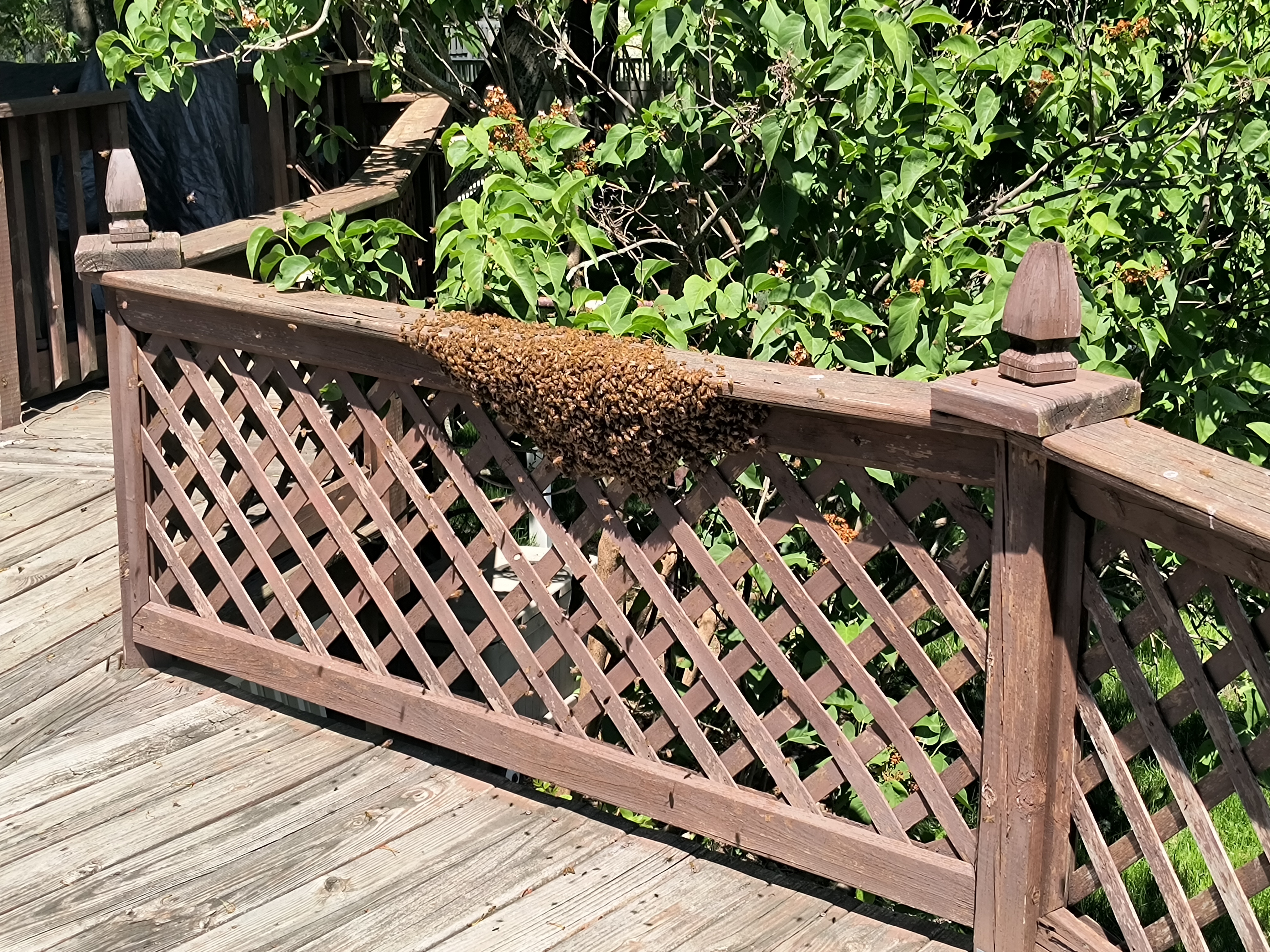
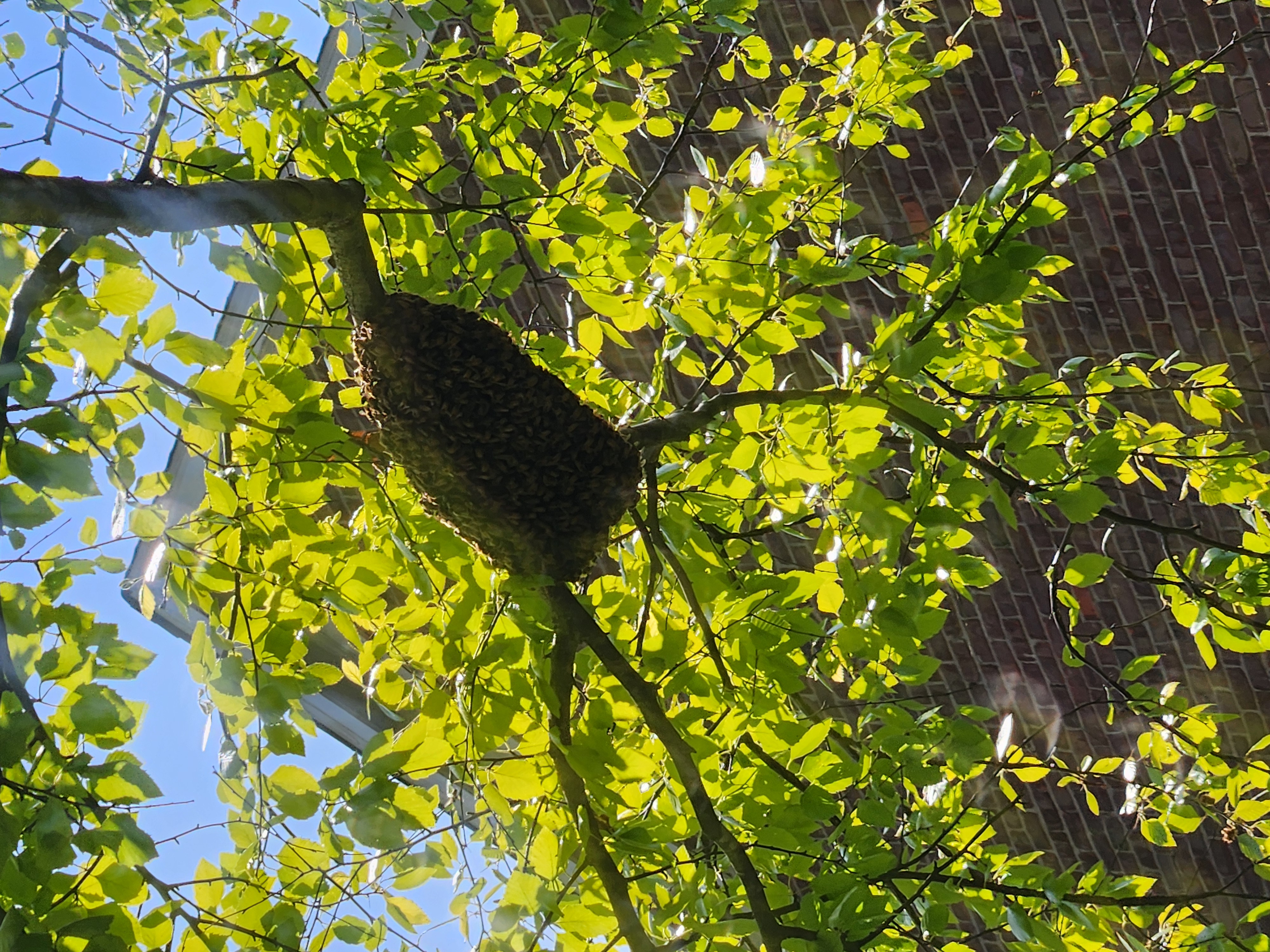
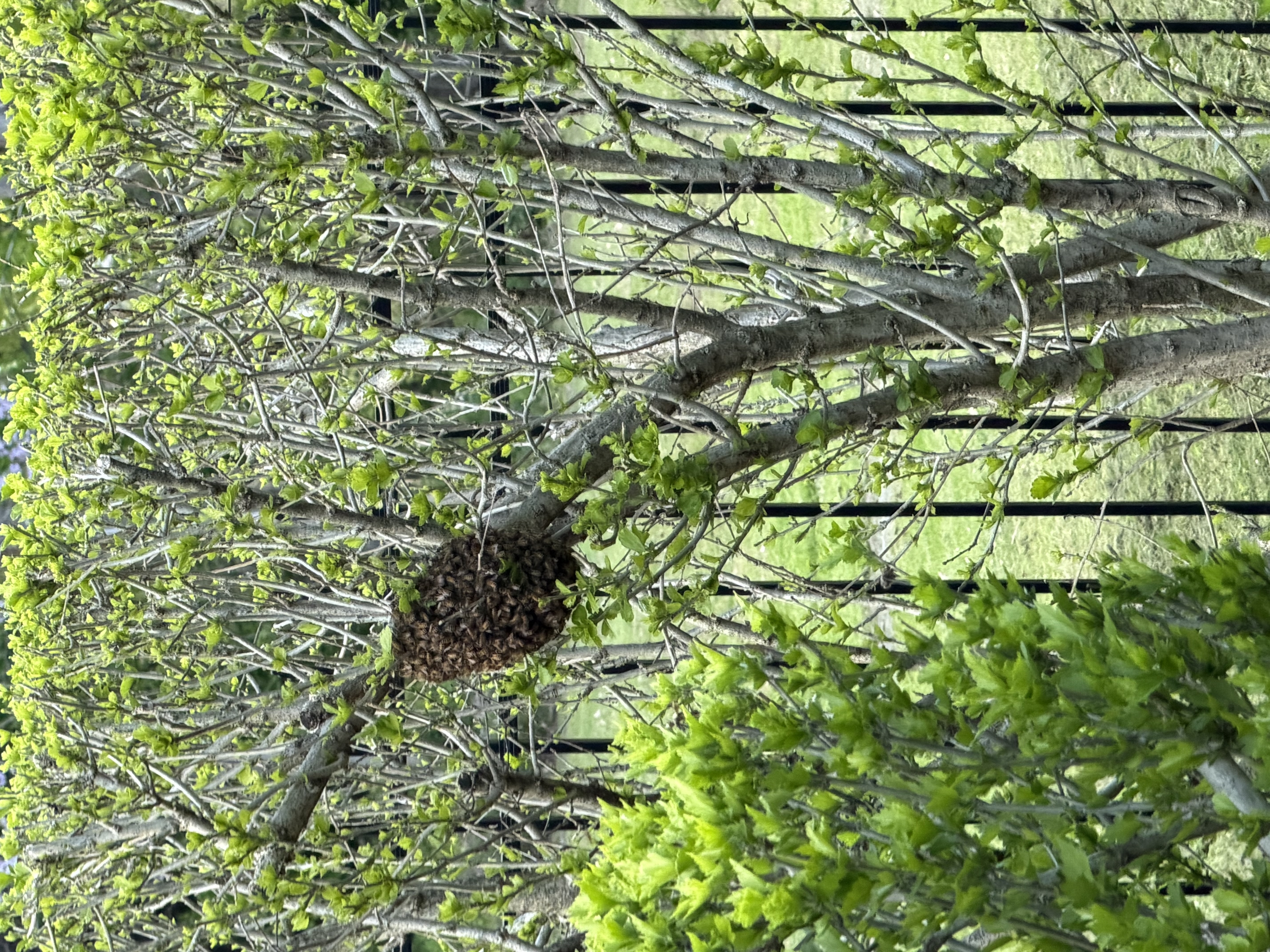
A honey bee swarm is a temporary, transient cluster of bees. It typically looks like a ball or cone of thousands of bees clinging to a tree branch, fence post, or the side of a building.
- Behavior: The bees are generally docile. They have gorged on honey before leaving their old hive and do not have a home, brood, or food stores to defend.
- Duration: A swarm is a resting stop. The bees are protecting their queen in the center of the cluster while scout bees search for a permanent home. They will usually move on within 24 to 72 hours.
- Structure: There is no visible wax comb. It is simply a cluster of bees.
Removal of a honey bee swarm is almost always free. Beekeepers are eager to rescue swarms because they represent a healthy, established queen and a strong workforce to start a new hive in their apiary.
The Established Hive (or Colony)
If bees have moved into a structure—such as inside a wall, a roof soffit, a shed, or a hollow tree—they are no longer a swarm. They have established a permanent home.
- Behavior: These bees will be defensive. They have built a home with precious resources, including wax comb, honey, and developing young (brood), and they will protect it.
- Duration: This is a permanent residence until the colony is removed.
- Structure: The bees have built wax comb inside the structure for raising brood and storing honey. You will see bees flying in and out of a specific entry point.
Removal of an established hive is a paid service known as a 'cutout'. This is not a simple collection; it is a construction and bee removal project that requires specialized skills and equipment.
Understanding the Beekeeper's Response: Rescue vs. Cutout
The beekeeper who contacts you will first ask questions to determine whether they are dealing with a swarm or an established hive. This helps them prepare correctly and manage expectations for the service.
The Swarm Rescue Process
If you have a swarm, a local beekeeper will likely arrange to come by quickly. The rescue process is typically calm and straightforward. The beekeeper’s goal is to carefully place the queen into a special box, and the rest of the swarm will follow her scent inside. Once the bees are contained, the beekeeper takes them to a new, managed hive where they can thrive. This service is a win-win: the bees get a safe home, your property is cleared, and the beekeeper gains a new colony.
The Cutout Service for Established Hives
If bees have built a hive in your wall or another structure, the process is far more complex. A cutout requires the beekeeper to carefully cut into the structure to access and remove all the bees, comb, and honey. It is labor-intensive work that can take several hours and may require carpentry skills to perform the removal and subsequent repairs.
Because of this complexity, the beekeeper will provide a quote for the cutout service. This quote is typically based on the hive’s location, the difficulty of access, the time required, and any necessary repair work. As a property owner, you have the option to accept or decline the quote. Swarmed connects you with experts, but the terms of a cutout service are a direct agreement between you and the beekeeper.
Why Your Report Is So Important for Oregon
Your single action of reporting a swarm has a significant impact. In some regions, the Swarmed network has helped coordinate the rescue of over 100 swarms in a single season, all thanks to community members like you. By using the Swarmed platform, you are directly contributing to the health of honey bee populations, which are essential for pollinating Oregon’s diverse agricultural crops, from berries to pears.
You also provide invaluable support to local Oregon beekeepers who dedicate their time and resources to caring for these essential insects. Each rescued swarm helps a local beekeeper maintain a healthy and sustainable apiary.
What to Do While You Wait for the Beekeeper
Once you've reported the swarm, your main job is done, but here are a few simple tips to ensure safety while you wait:
- Keep a safe distance. While swarms are docile, it's best to observe them from afar.
- Do not disturb the bees. Avoid spraying them with water, insecticides, or anything else. This will only agitate them.
- Keep children and pets away from the area.
- Be ready to provide information. When the beekeeper calls, be prepared to describe the swarm's location, size, and how high off the ground it is.
By taking a moment to file a report, you become a key part of the solution for protecting honey bees in our state. Your observation sets in motion a community-based effort that saves bees and supports the people who care for them.
If you see a honey bee swarm, don't hesitate. You can help protect honey bees and support your local community by taking a moment to Report a swarm on Swarmed (opens in a new tab).