After Reporting a Honey Bee Swarm in Alaska: Your Next Steps
First, thank you. By taking a moment to report a honey bee swarm, you’ve taken a crucial step in protecting these essential pollinators and supporting your local Alaskan beekeeping community. Whether you're in Anchorage, Fairbanks, or Juneau, your action connects a vulnerable honey bee colony with a beekeeper who can give it a safe, managed home. Now that you’ve submitted your report, you’re probably wondering what comes next. This guide will walk you through the process.
The Immediate Aftermath: Confirmation and Beekeeper Alert
Shortly after you submit the report through the Swarmed platform, you will receive an email confirmation. This email verifies that your report has been received and is being processed. Simultaneously, our system instantly sends an alert to registered beekeepers in your specific area.
This alert includes the location and details you provided. Beekeepers who are available to help will review the information and one will claim the report. This system is designed to be fast and efficient, connecting your reported bees with the nearest available expert as quickly as possible.
Understanding the Difference: Is It a Swarm or an Established Hive?
Setting the right expectation is important, and it all comes down to understanding what you've found. The distinction between a swarm and an established hive determines the complexity, cost, and method of removal. A Honey Bee Swarm
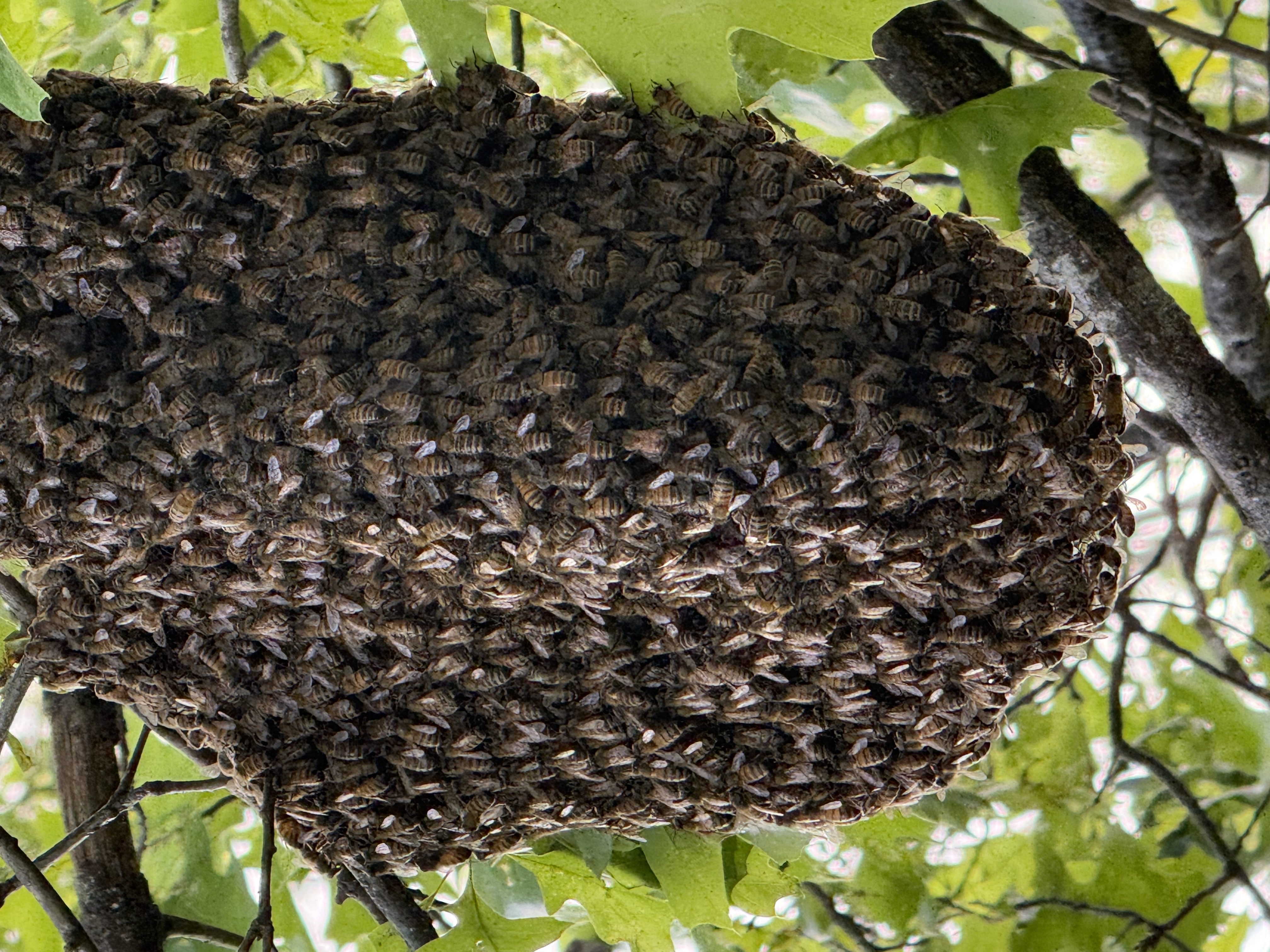
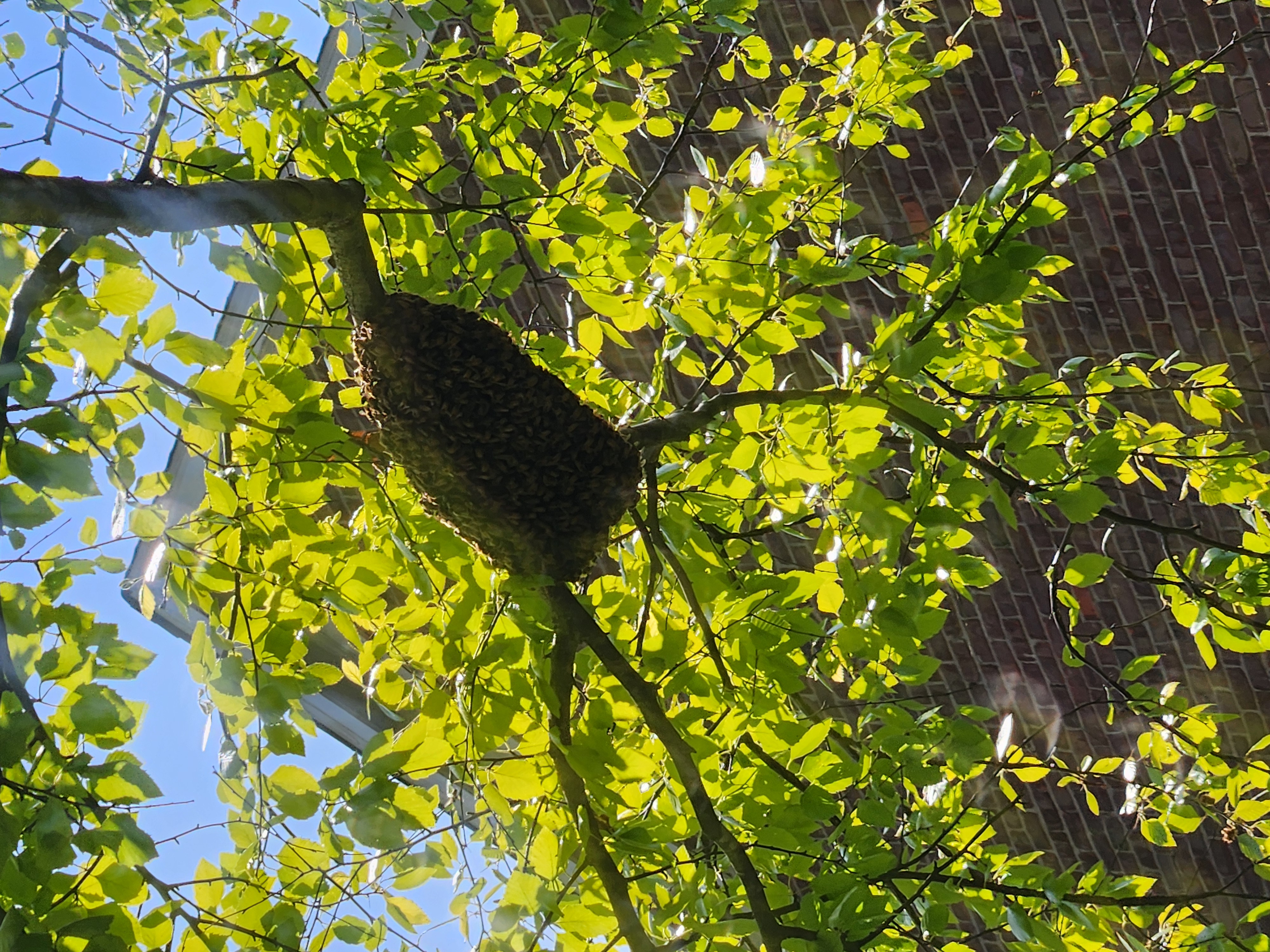
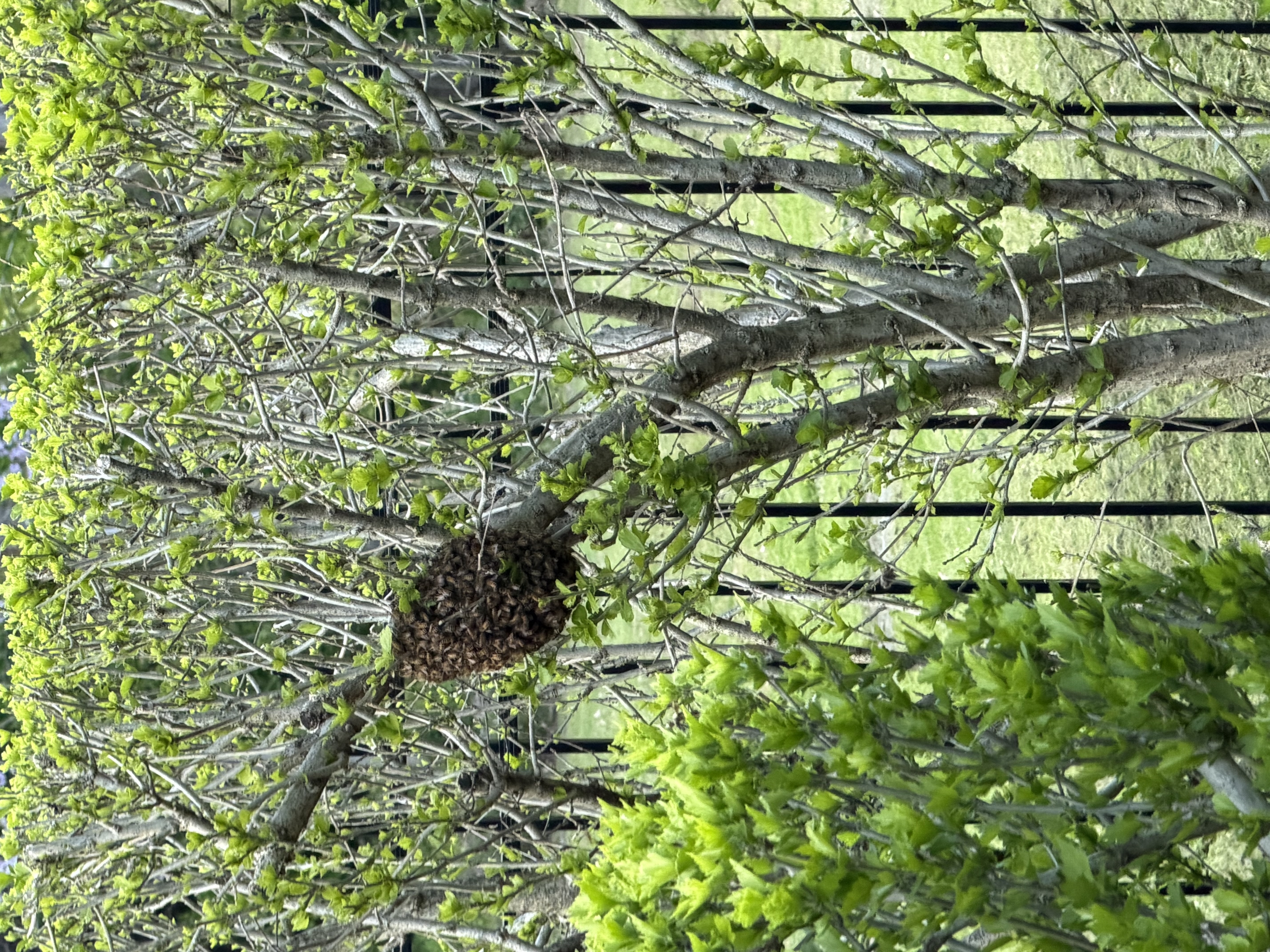
- What it looks like: A large, dense cluster of bees, often hanging from a tree branch, fence post, or the side of a building. There is no visible comb structure.
- Behavior: Swarms are typically very docile. The bees have filled up on honey before leaving their old hive and have no home, brood, or food stores to defend. Their primary focus is on finding a new permanent residence.
- Duration: A swarm is temporary, usually staying in one spot for only 24 to 72 hours while scout bees search for a suitable new home.
- Removal: This process is called a swarm rescue or collection. Because the bees are docile and haven't built anything, a beekeeper can often gently brush or shake them into a special box. Swarm rescues are almost always free. Beekeepers are eager to provide this community service because it allows them to acquire a new, healthy colony with local genetics for their apiary.
An Established Hive (or Established Colony)
- What it looks like: Bees are seen flying to and from a specific opening in a structure—like a wall, a roof soffit, a shed, or a hollow tree. They have been there for more than a few days and have started building wax comb.
- Behavior: These bees will be defensive. They have a home, honey, and developing young (brood) to protect. They will defend their colony if they feel threatened.
- Duration: This is a permanent home for the bees unless they are removed.
- Removal: This process is called a cutout. It is a complex and labor-intensive job that often requires carpentry or construction skills to access the colony. The beekeeper must carefully cut into the structure, remove all the comb, bees, and honey, and then seal the area to prevent future infestations. Because of the skill, time, and potential for repairs involved, cutouts are a paid service.
When a beekeeper contacts you, they will ask questions to determine whether you have a swarm or an established hive. If it’s a cutout, they will assess the situation and provide you with a fair quote for the work before beginning. You can then choose to accept or decline the service.
While You Wait: How to Keep Yourself and the Bees Safe
While you wait for a beekeeper to arrive, a few simple precautions will ensure everyone's safety.
- Keep a safe distance: Observe the bees from at least 15-20 feet away. This gives them space and reduces the chance of accidental contact.
- Do not disturb them: Avoid spraying the bees with water, insecticides, or anything else. A swarm is not aggressive unless provoked.
- Secure the area: Keep children and pets indoors or far away from the swarm to prevent any accidental disturbances.
- Provide clear access: If possible, make sure there is a clear path for the beekeeper to access the swarm with their equipment.
Remember, the bees in a swarm are simply resting. They are vulnerable and focused on their mission to find a new home. Your patience and respect for their space are greatly appreciated.
Why Your Report is Vital for Alaska's Bees
Reporting a honey bee swarm does more than just solve a problem in your backyard—it actively contributes to the health of Alaska's ecosystem. Honey bees face numerous challenges, and every rescued swarm is a victory. In other states with unique climates like Nevada, community members reported over 100 swarms last season, providing critical genetic resources for local beekeepers and valuable data on bee populations. Your report in Alaska has the same powerful impact.
By connecting these bees with a local beekeeper, you are:
- Preserving Local Genetics: Rescued swarms are from colonies that have successfully survived in Alaska's climate, making them well-adapted and valuable for local apiaries.
- Supporting Local Beekeepers: You provide beekeepers with a sustainable way to expand their operations without needing to purchase bees from out of state.
- Protecting Pollinators: Honey bees are vital for pollinating gardens, crops, and wildflowers during Alaska's short but intense growing season.
Your single action creates a positive ripple effect through your local community and environment. By choosing rescue over extermination, you become a partner in protecting these incredible insects.
Thank you again for your contribution to protecting Alaska's honey bees. Your willingness to act makes a real difference. If you see another swarm or know someone who needs help with one, encourage them to do the same. Each report strengthens our local bee population and supports the beekeepers who care for them.
To report a honey bee swarm and help your community, please visit: Report swarms to help bees and your community (opens in a new tab).