
A Beekeeper's Guide to Swarm Season in California
California's Golden Opportunity: Harnessing the Spring Swarm For beekeepers across California, the arrival of spring signals more than just almond blossoms and wildflo...
Read More...May 18, 2026
Home > Blog > A Beekeeper's Guide to Swarm Collection in Delaware
May 17, 2026
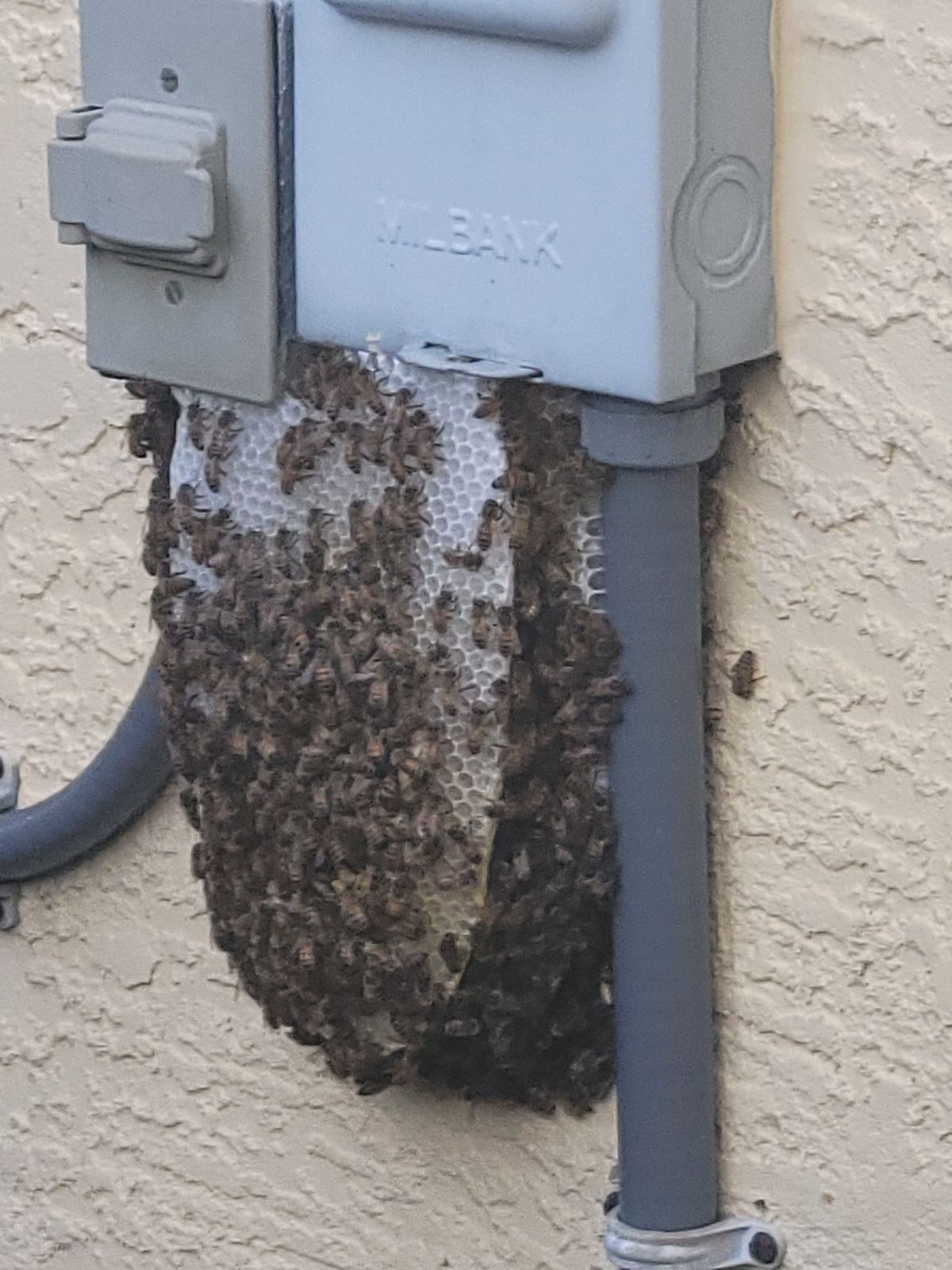
As spring unfolds across Delaware, from the rolling hills of New Castle County to the coastal plains of Sussex, the familiar hum of honey bees grows stronger. This season marks a critical time in the life of a honey bee colony: swarm season. For beekeepers, this natural reproductive process presents a significant opportunity to expand an apiary with healthy, locally adapted bees at minimal cost.
Recent data indicates a rising trend in swarm activity throughout the state. Last season alone, the Swarmed network registered alerts for over 40 distinct swarms in Delaware. With a limited number of beekeepers currently available to respond, many of these valuable genetic resources go uncollected. This guide provides Delaware beekeepers with the knowledge and strategies needed to effectively locate, assess, and collect honey bee swarms, strengthening both their own operations and the local pollinator population.
Successful swarm collection begins with knowing where and when to look. In Delaware, swarming typically peaks from late April through June, when established colonies become crowded and decide to split. The original queen leaves with roughly half the worker bees, temporarily clustering nearby while scout bees search for a permanent home.
These temporary clusters are often found in predictable locations:
To proactively attract swarms, consider setting up swarm traps (often called bait hives). A well-placed trap can lure a passing swarm looking for a new home. For best results in Delaware:
Being prepared is crucial for a safe and successful collection. Spontaneous swarm calls require having your gear ready to go at a moment's notice. Your toolkit should include:
Once you arrive on-site, take a moment to assess the situation before acting. Confirm the bees are a honey bee swarm and determine the safest method for collection.
Communicating effectively with the public is a key part of swarm collection. Homeowners often do not know the difference between a swarm and an established colony, which has significant implications for the work involved.
As a beekeeper, it is important to explain this difference clearly and professionally. Quoting fairly for cutouts while offering free swarm collection builds trust and establishes you as a knowledgeable expert.
The rising number of swarms in Delaware presents a clear opportunity for beekeepers to grow their apiaries with strong, local genetics while providing a valuable service to the community. Being in the right place at the right time is everything, and connecting with a modern alert system is the most effective way to do that.
Expand your apiary this spring by joining the Swarmed beekeeper network. You will receive free, real-time swarm alerts in your local area with no commitment to respond. It is the easiest way to find healthy bees and connect with residents in need. Sign up for the Swarmed beekeeper network today (opens in a new tab) and be ready for the next call.
California's Golden Opportunity: Harnessing the Spring Swarm For beekeepers across California, the arrival of spring signals more than just almond blossoms and wildflo...
Read More...May 18, 2026
A Beekeeper's Guide to Swarm Collection in Idaho Spring has arrived in the Gem State, and with it, the unmistakable hum of honey bee swarms. For beekeepers, this is a...
Read More...May 18, 2026