
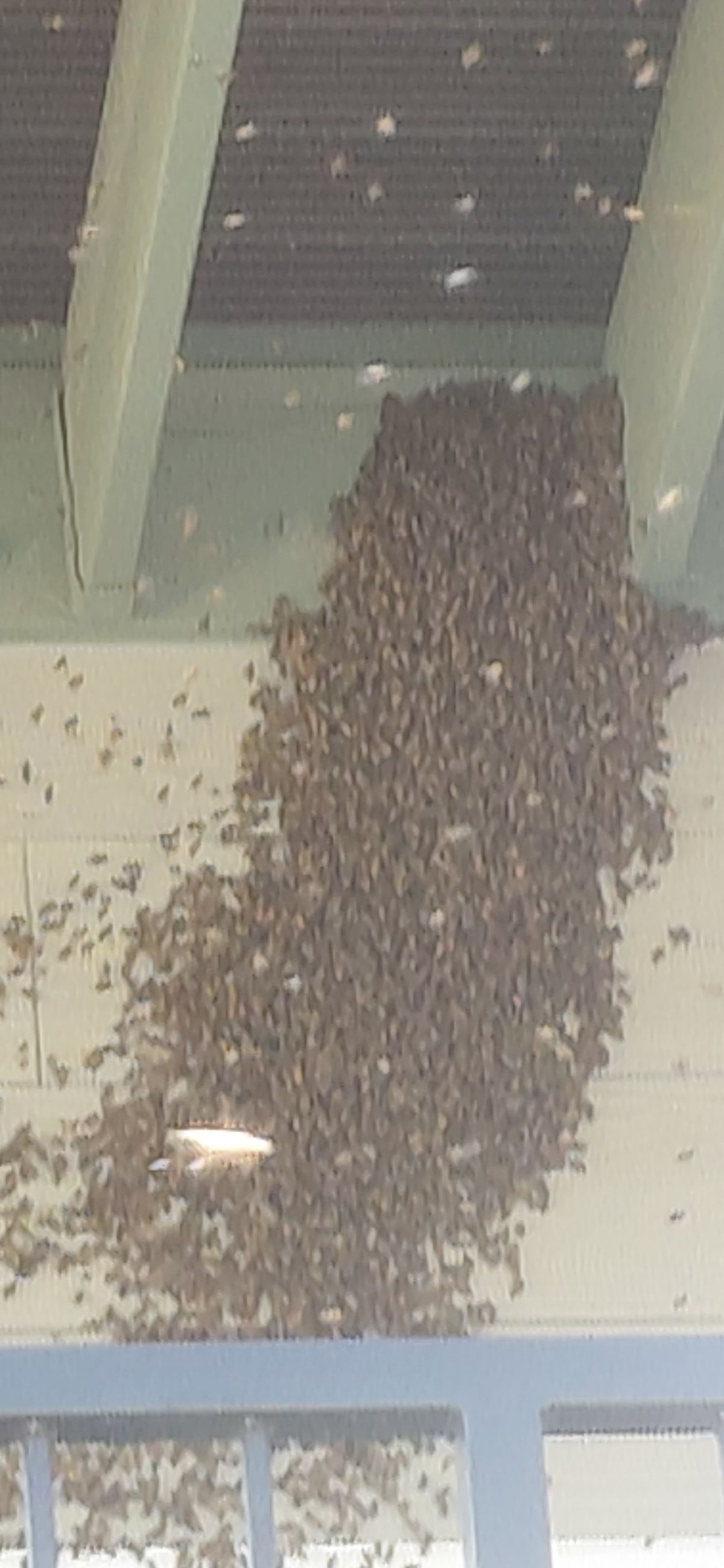
A Beekeeper's Guide to Swarm Season in California
California's Golden Opportunity: Harnessing the Spring Swarm For beekeepers across California, the arrival of spring signals more than just almond blossoms and wildflo...
Read More...May 18, 2026
Home > Blog > Getting Ready for Spring Swarms and Protecting Honey Bees
February 23, 2026
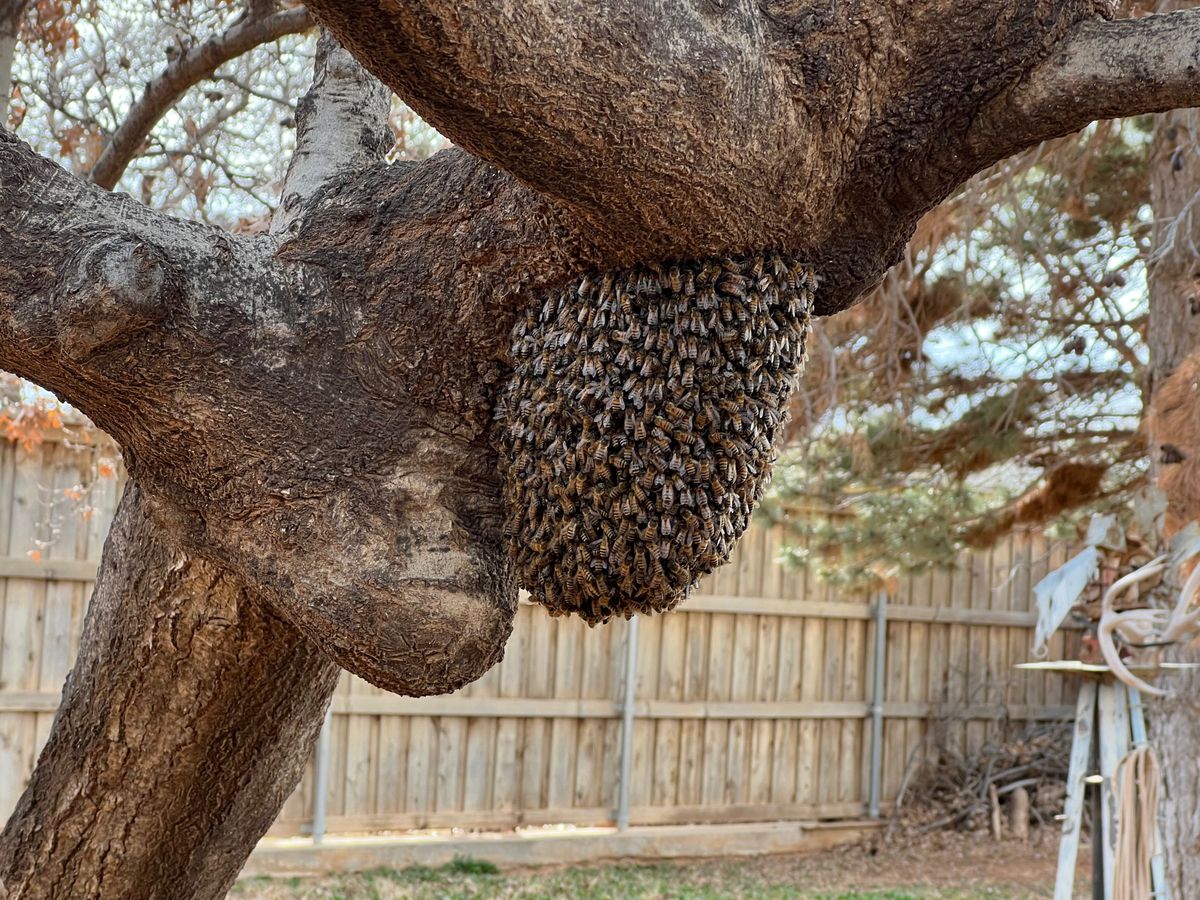
Even as winter's chill holds firm in February, the natural world is subtly preparing for spring. For honey bees, this quiet time is followed by one of their most incredible phenomena: swarming. Understanding swarms now can make all the difference when you encounter one in the warmer months.
A honey bee swarm is a breathtaking sight, a large cluster of thousands of bees, often hanging from a tree branch, fence post, or even a car. This is how a healthy honey bee colony reproduces. When a hive becomes too crowded, the old queen and about half the worker bees leave to find a new home, leaving behind a new queen to continue the original colony. These bees are generally docile because they are engorged with honey for their journey and have no hive or brood to defend.
Swarming typically lasts only 24 to 72 hours while scout bees search for a permanent new residence. During this temporary phase, these bees are looking for a safe space, not looking to cause trouble.
It's crucial to distinguish between a temporary swarm and an established hive. If bees have moved into a structure like a wall, roof, or shed and have started building comb, they are an established colony. These bees are defensive of their home and resources, and their removal, known as a "cutout," requires specialized skills and often carpentry work. This type of removal typically involves a fee, which a beekeeper will quote based on complexity and necessary repairs.
On the other hand, a transient swarm is usually a free rescue. Beekeepers are eager to welcome these bees into their beehives, helping to boost their numbers and support local bee populations.
Honey bees are vital pollinators, contributing to one in every three bites of food we eat. Unfortunately, honey bee populations face significant challenges, including habitat loss and disease. When you report a swarm, you are directly contributing to bee conservation. Instead of resorting to extermination, which kills thousands of beneficial insects, reporting a swarm connects them with a local beekeeper who will safely rescue and rehome them.
Swarmed is a free resource that connects people who find honey bee swarms with local beekeepers ready to rescue them. Our network includes nearly 10,000 beekeepers across North America, protecting over 150 million bees every year.
Learning about swarms now means you can act quickly and responsibly when you spot one. Your quick action helps protect honey bees and supports your local beekeeping community. Remember, reporting a swarm to Swarmed is always free to use.
Ready to make a difference this spring? Report any bee swarms you find to help bees and your community.
Report a Swarm Now: https://beeswarmed.org/report-bee-colony (opens in a new tab)
California's Golden Opportunity: Harnessing the Spring Swarm For beekeepers across California, the arrival of spring signals more than just almond blossoms and wildflo...
Read More...May 18, 2026
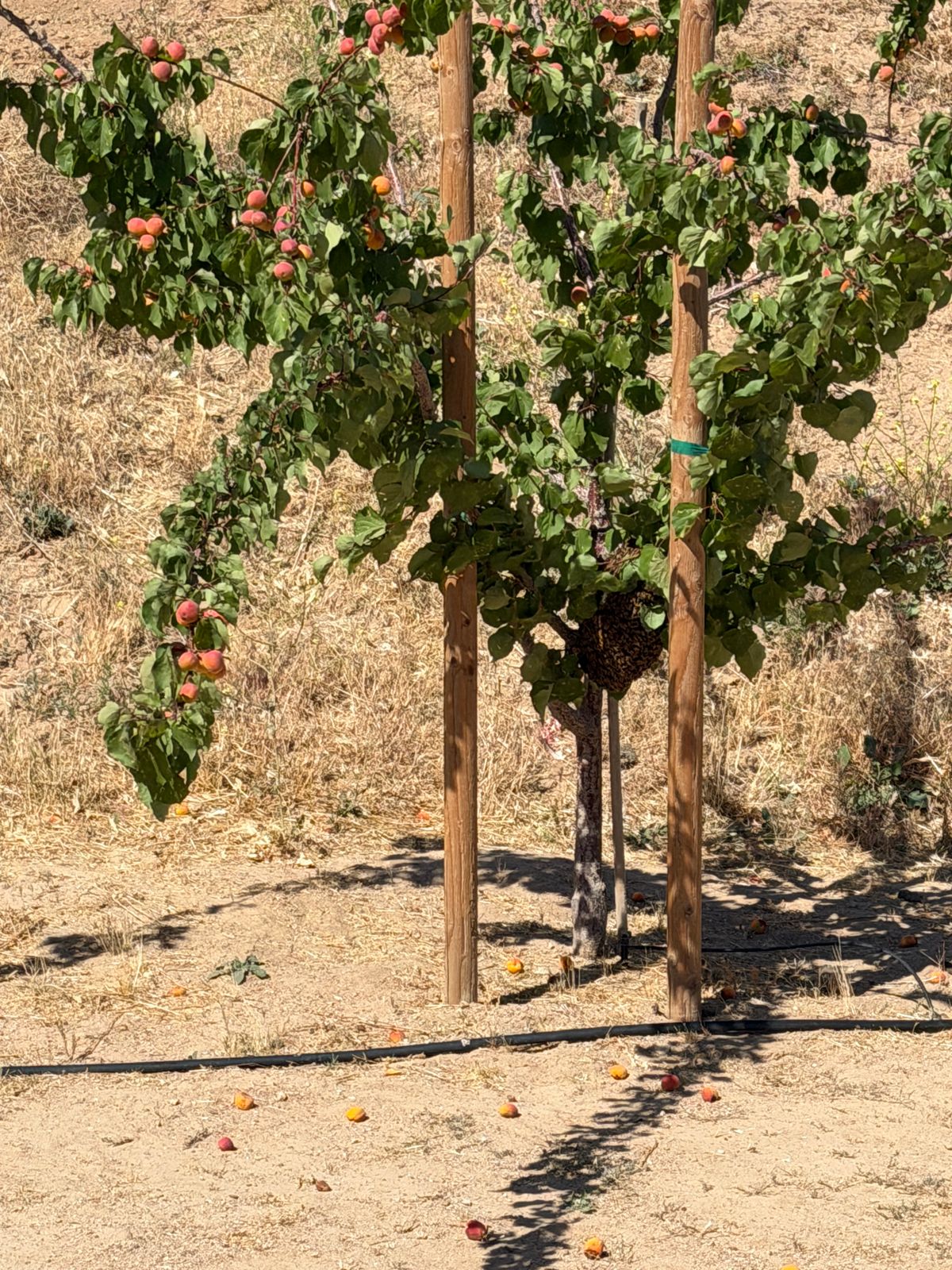
A Beekeeper's Guide to Swarm Collection in Idaho Spring has arrived in the Gem State, and with it, the unmistakable hum of honey bee swarms. For beekeepers, this is a...
Read More...May 18, 2026