
A Beekeeper's Guide to Swarm Season in California
California's Golden Opportunity: Harnessing the Spring Swarm For beekeepers across California, the arrival of spring signals more than just almond blossoms and wildflo...
Read More...May 18, 2026
Home > Blog > Ohio: Spring Has Sprung, Be Ready for Honey Bee Swarms
April 28, 2026
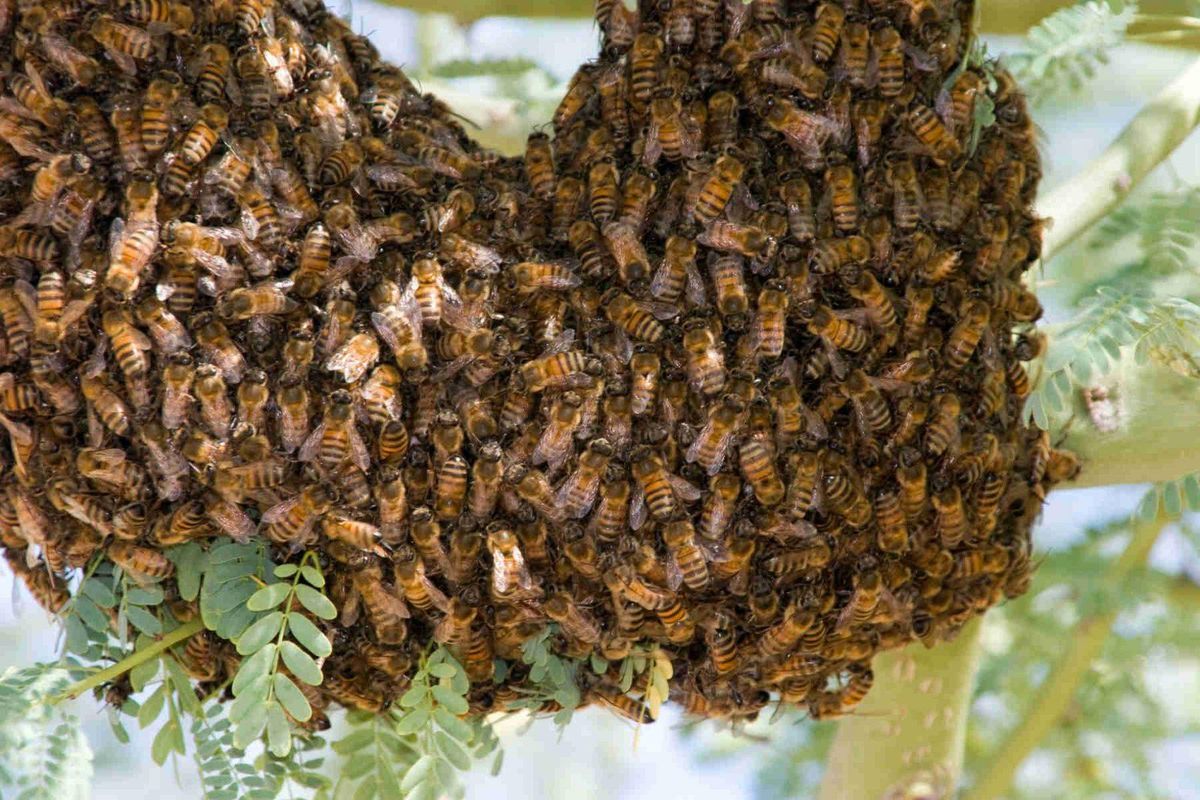
April in Ohio signals the full arrival of spring, bringing warmer weather and blooming flowers. As nature awakens, so do honey bee colonies, and this is a time when you might encounter a fascinating natural phenomenon: a honey bee swarm. Understanding what a swarm is and what to do if you find one protects these vital pollinators and offers a free solution for your property.
A honey bee swarm is a temporary cluster of bees, often seen clinging to a tree branch, bush, or even a fence post. This is a natural part of a honey bee colony's reproduction process. When a hive becomes too crowded, the old queen leaves with about half of the worker bees to find a new home. During this transitional period, the bees are usually docile because they are engorged with honey and have no hive or brood to defend. A swarm typically stays in one location for 24 to 72 hours while scout bees search for a permanent new residence.
It is important to distinguish between a temporary swarm and an established hive:
Reporting a swarm helps protect honey bees, which are crucial for pollinating crops and wildflowers across Ohio and beyond. Globally, honey bees pollinate over $235 billion worth of crops annually. By connecting with local beekeepers, you ensure these bees are safely rehoused rather than exterminated. This saves an average of $200-$500, the typical cost of pest control, while protecting thousands of bees.
If you discover a cluster of bees on your property in Ohio this April:
Reporting a swarm on Swarmed is free to use. If you'd like to support the platform and help us keep connecting communities with local beekeepers, a suggested contribution of $12 goes a long way. With nearly 10,000 beekeepers in our network across North America, Swarmed has helped protect over 150 million bees and saved beekeepers over $500,000 in replacement costs.
Help protect Ohio's honey bees and support your local beekeeping community. Report any honey bee swarms you find.
California's Golden Opportunity: Harnessing the Spring Swarm For beekeepers across California, the arrival of spring signals more than just almond blossoms and wildflo...
Read More...May 18, 2026

A Beekeeper's Guide to Swarm Collection in Idaho Spring has arrived in the Gem State, and with it, the unmistakable hum of honey bee swarms. For beekeepers, this is a...
Read More...May 18, 2026