
A Beekeeper's Guide to Swarm Season in California
California's Golden Opportunity: Harnessing the Spring Swarm For beekeepers across California, the arrival of spring signals more than just almond blossoms and wildflo...
Read More...May 18, 2026
Home > Blog > Winter Bees? Why You Might Still See Swarms in Your Neighborhood
January 19, 2026
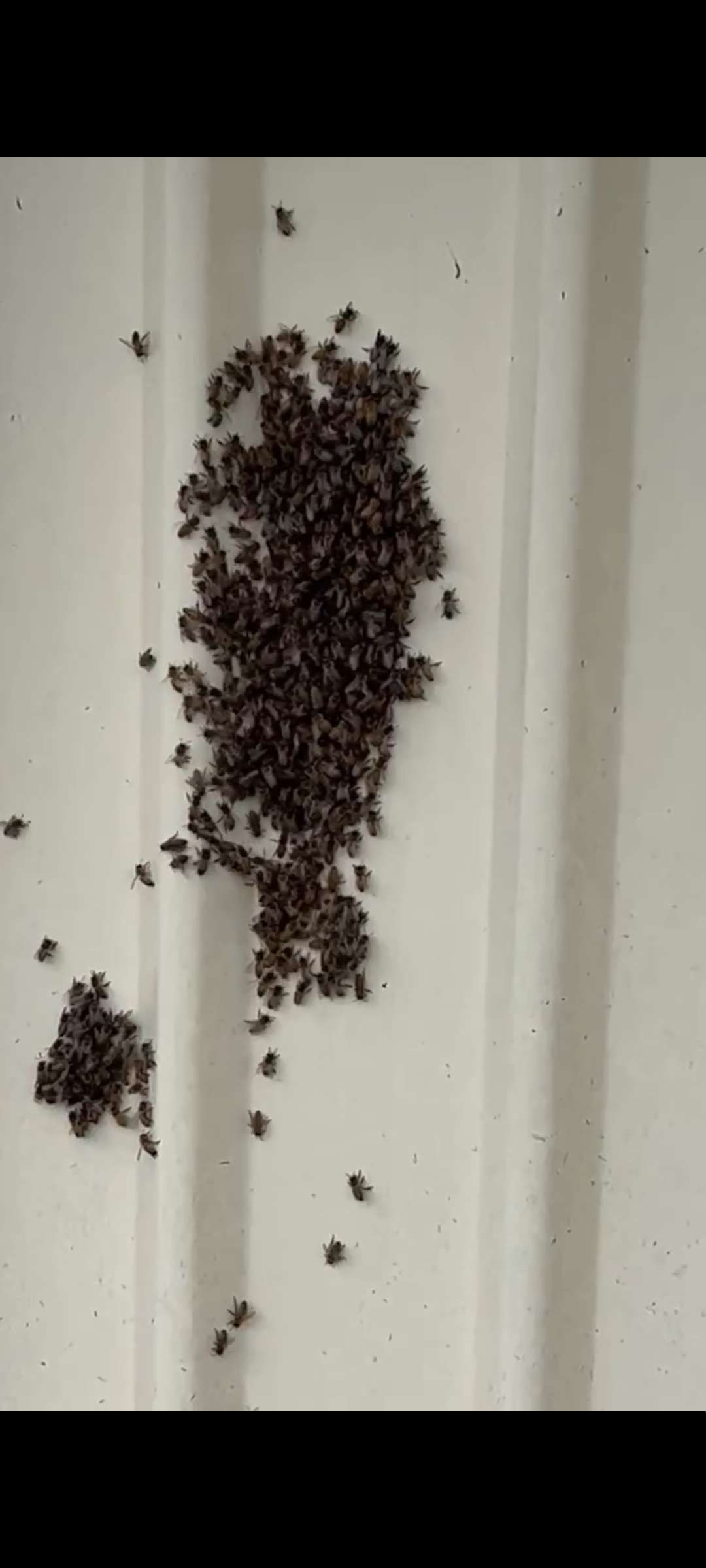
Even though it's January, you might still spot a cluster of bees hanging out on a tree branch or the side of a building. While swarm season is typically associated with warmer months, bee behavior can be surprising, especially in certain regions.
So, what's going on?
Mild Weather Matters
In areas with consistently mild winters, like parts of California or the southern US, honey bees can remain active longer. A few warm days can trick a colony into thinking spring is arriving, leading to swarm behavior. This is especially true in urban environments, where the "heat island" effect can further moderate temperatures.
Colony Health and Overcrowding
Sometimes, a colony might swarm due to overcrowding, even in winter. If a hive is particularly strong and resources are plentiful, the bees may decide to split, just as they would during the normal swarm season.
Why This Matters to You
Whether you're a homeowner or simply a bee enthusiast, it's important to know that swarms can happen year-round. Identifying a swarm early is crucial for ensuring the bees' safety and preventing them from establishing a hive in an undesirable location.
What to Do if You See a Swarm
Why Report to Swarmed?
Swarmed connects you with local beekeepers who are eager to rescue swarms. Instead of calling an exterminator (which can be costly and harmful to the bees), a beekeeper will often remove the swarm for free. This protects the bees and supports local beekeeping efforts.
Remember: Swarm collection is normally free - beekeepers want these bees. However, if bees have established a hive in your wall or structure with built comb, removal requires specialized skills and carpentry work. Expect the beekeeper to provide a fair quote based on complexity and repairs needed. You can accept or reject.
By reporting swarms, you're not only helping to protect honey bees but also contributing to a healthier ecosystem in your community. So, keep an eye out – even in January – and don't hesitate to report any clusters of bees you find!
See a swarm? Report it now and help save the bees!
California's Golden Opportunity: Harnessing the Spring Swarm For beekeepers across California, the arrival of spring signals more than just almond blossoms and wildflo...
Read More...May 18, 2026
A Beekeeper's Guide to Swarm Collection in Idaho Spring has arrived in the Gem State, and with it, the unmistakable hum of honey bee swarms. For beekeepers, this is a...
Read More...May 18, 2026