
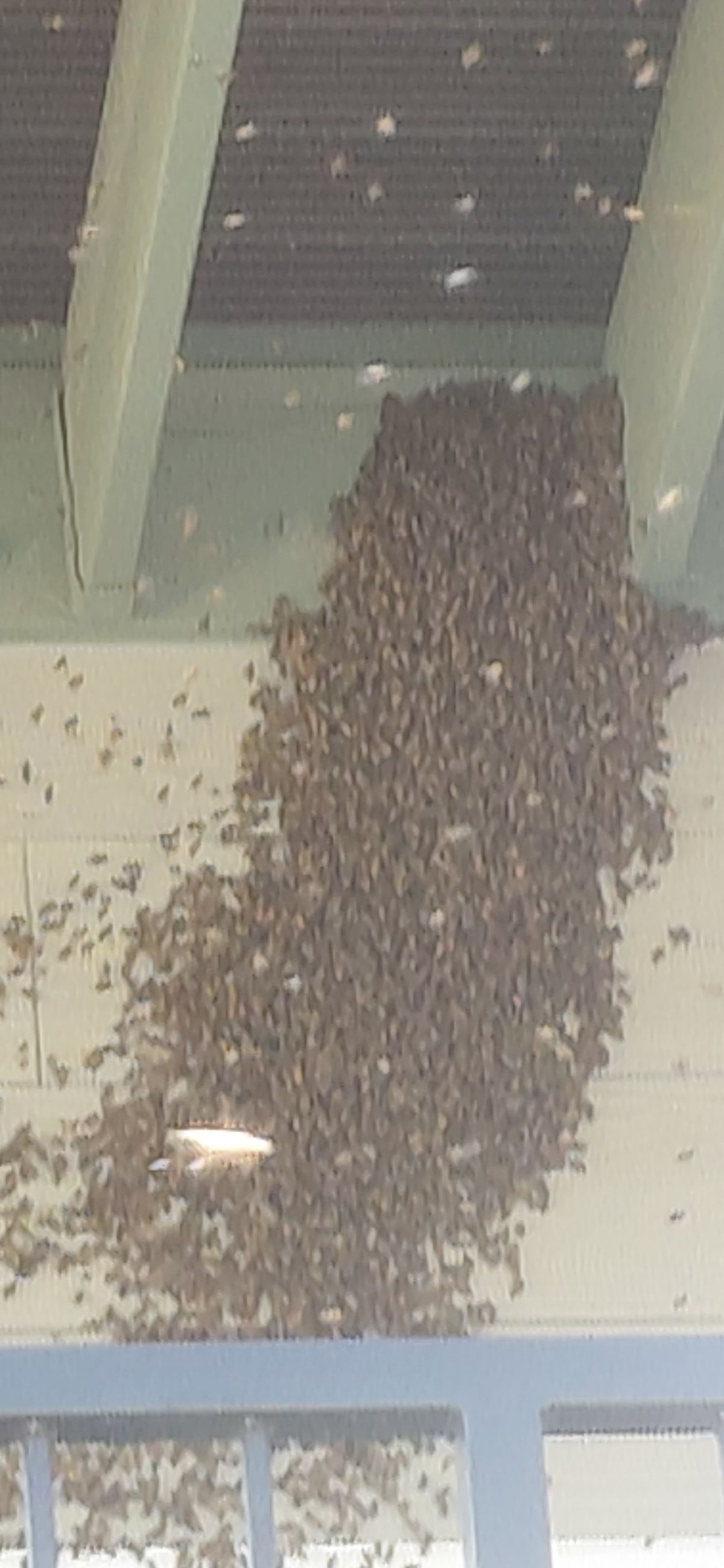
A Beekeeper's Guide to Swarm Season in California
California's Golden Opportunity: Harnessing the Spring Swarm For beekeepers across California, the arrival of spring signals more than just almond blossoms and wildflo...
Read More...May 18, 2026
Home > Blog > Winter Bees: Why You Might See Active Honey Bees This January
January 28, 2026
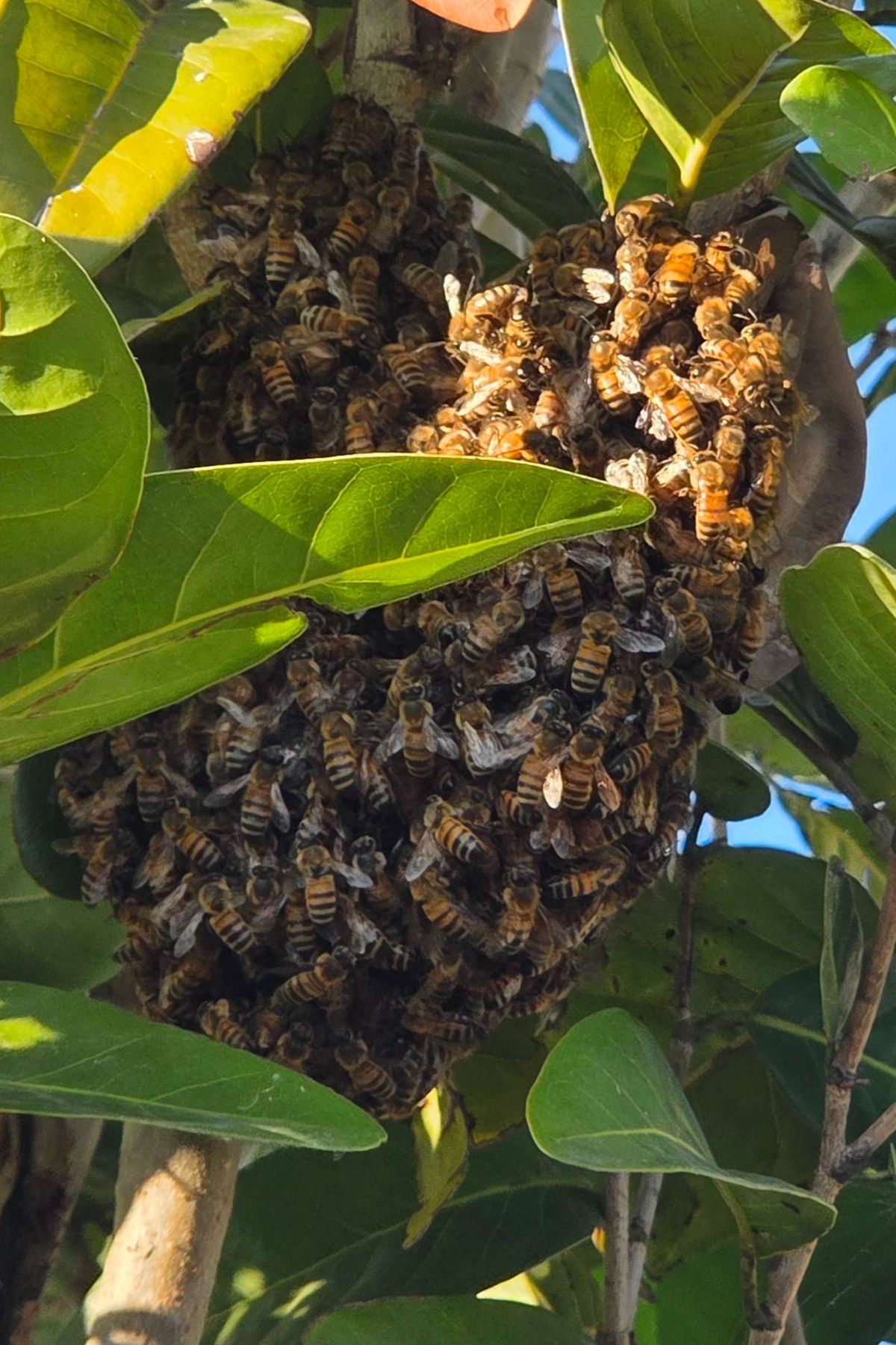
Even in the depths of winter, the fascinating world of honey bees doesn't entirely shut down. While many insects are dormant, honey bees can remain surprisingly active, especially during warmer spells. Understanding why you might see bees buzzing around in January can help you appreciate these incredible creatures and know how to assist them if needed.
Honey bees are social insects that maintain a warm hive temperature throughout winter by clustering together and shivering their flight muscles. This process requires energy, which they get from stored honey. On warmer days, typically above 50°F (10°C), bees may emerge from the hive for several reasons:
Even if you're unsure whether the insects you see are honey bees, report them anyway. Swarmed's image recognition system can help identify the species and connect you with the appropriate resources.
Report a swarm (opens in a new tab) now and help protect these vital pollinators!
California's Golden Opportunity: Harnessing the Spring Swarm For beekeepers across California, the arrival of spring signals more than just almond blossoms and wildflo...
Read More...May 18, 2026
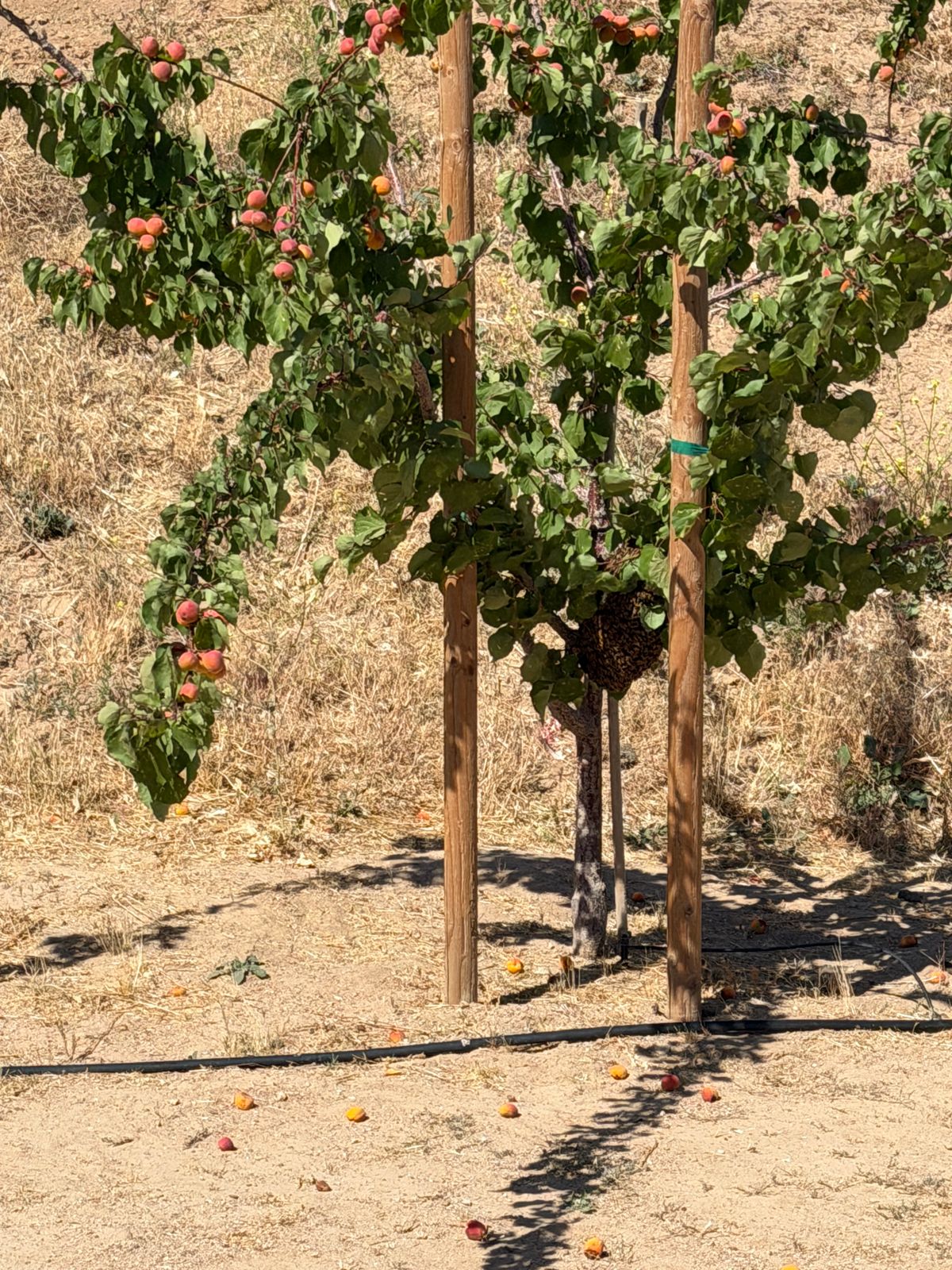
A Beekeeper's Guide to Swarm Collection in Idaho Spring has arrived in the Gem State, and with it, the unmistakable hum of honey bee swarms. For beekeepers, this is a...
Read More...May 18, 2026