
A Beekeeper's Guide to Swarm Season in California
California's Golden Opportunity: Harnessing the Spring Swarm For beekeepers across California, the arrival of spring signals more than just almond blossoms and wildflo...
Read More...May 18, 2026
Home > Blog > Why You Should Never Spray a Bee Swarm | Swarmed Guide
January 17, 2026

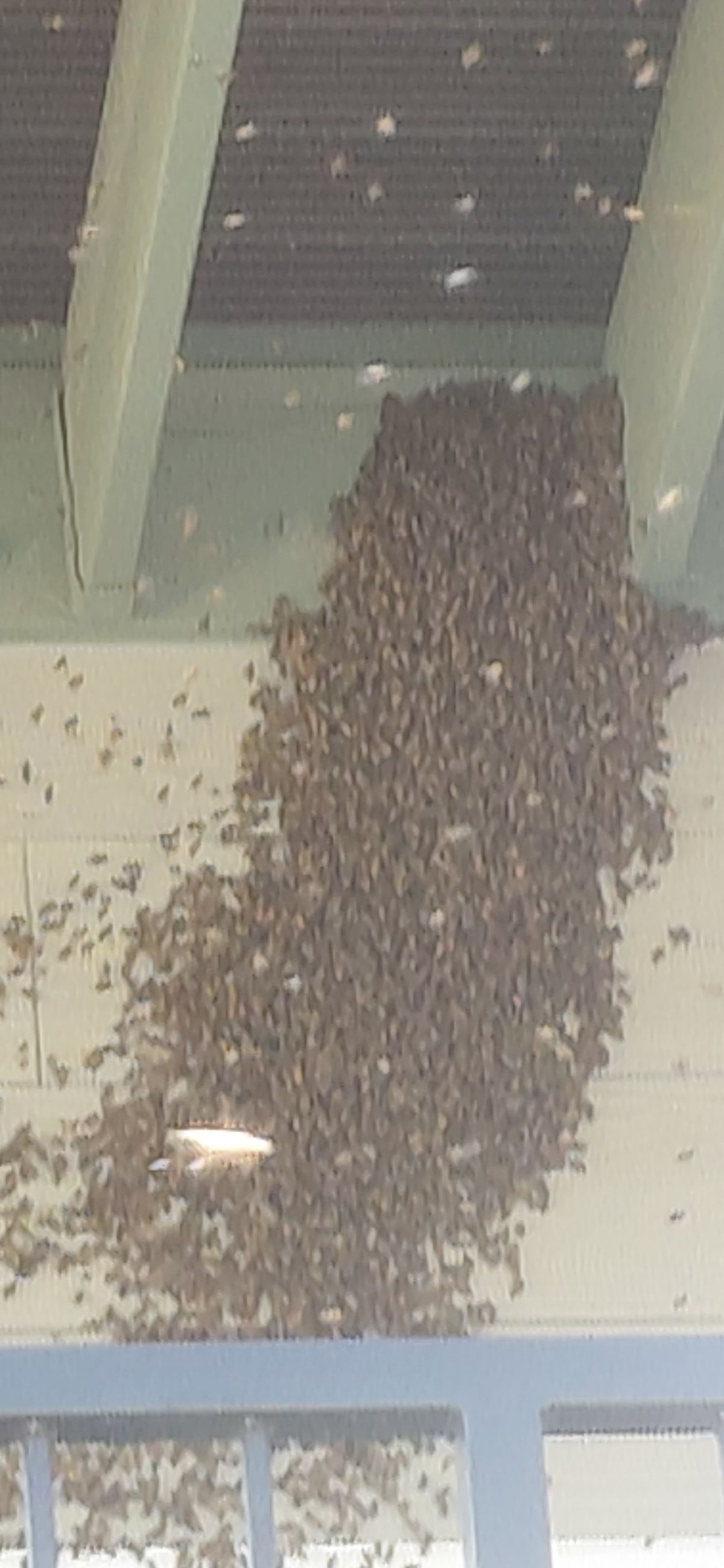
Finding a swarm of bees can be surprising, even alarming. Your first instinct might be to get rid of them fast. Some people think spraying the bees with chemicals is the answer. It is not. Spraying a bee swarm is dangerous, harmful to the environment, and unnecessary.
You can report a bee swarm (opens in a new tab) through Swarmed and connect with a beekeeper who will remove it safely.
Swarmed helps close the gap between public swarm sightings and beekeeper response. With wild bee survival at an all-time low and U.S. beekeepers reporting massive winter colony losses, every rescued swarm makes a real difference.
Spraying a Bee Swarm Does Not Solve the Problem
Spraying bees with insecticide might kill some bees. It will not solve the real problem. A sprayed swarm:
Instead of solving the problem, spraying often makes it worse.
Why Spraying Bees is Harmful
When you spray a bee swarm, you are not just killing a few insects. You are killing essential pollinators that support farms, gardens, and wild ecosystems. Honey bees pollinate one in every three bites of food we eat.
Chemical sprays also contaminate soil and water, harming other wildlife.
There is no safe way to spray a swarm. Humane relocation is the only responsible option, but if a swarm has been sprayed with chemicals, most beekeepers won't want to pick them up.
Swarms Are Not Aggressive
Most people do not realize that swarming bees are not usually aggressive. They have no hive or honey to defend. Their goal is to find a new home, not to attack people.
If you leave them alone and report them quickly, they can be safely collected without risk.
The Safe and Humane Way to Remove a Bee Swarm
When you report through Swarmed (opens in a new tab):
No chemicals. No harm.
What You Should Do If You See a Swarm
Quick reporting helps prevent the bees from moving into structures where removal becomes more difficult.
Why This Matters
Wild bee swarms left alone have only about a 25 percent chance of surviving. With recent record winter losses in bee colonies, every rescued swarm strengthens local pollinator populations.
By choosing humane removal and refusing to spray, you help protect food security, ecosystems, and future generations of bees.
Swarmed makes it easy to do the right thing for bees and for your community.
California's Golden Opportunity: Harnessing the Spring Swarm For beekeepers across California, the arrival of spring signals more than just almond blossoms and wildflo...
Read More...May 18, 2026

A Beekeeper's Guide to Swarm Collection in Idaho Spring has arrived in the Gem State, and with it, the unmistakable hum of honey bee swarms. For beekeepers, this is a...
Read More...May 18, 2026