
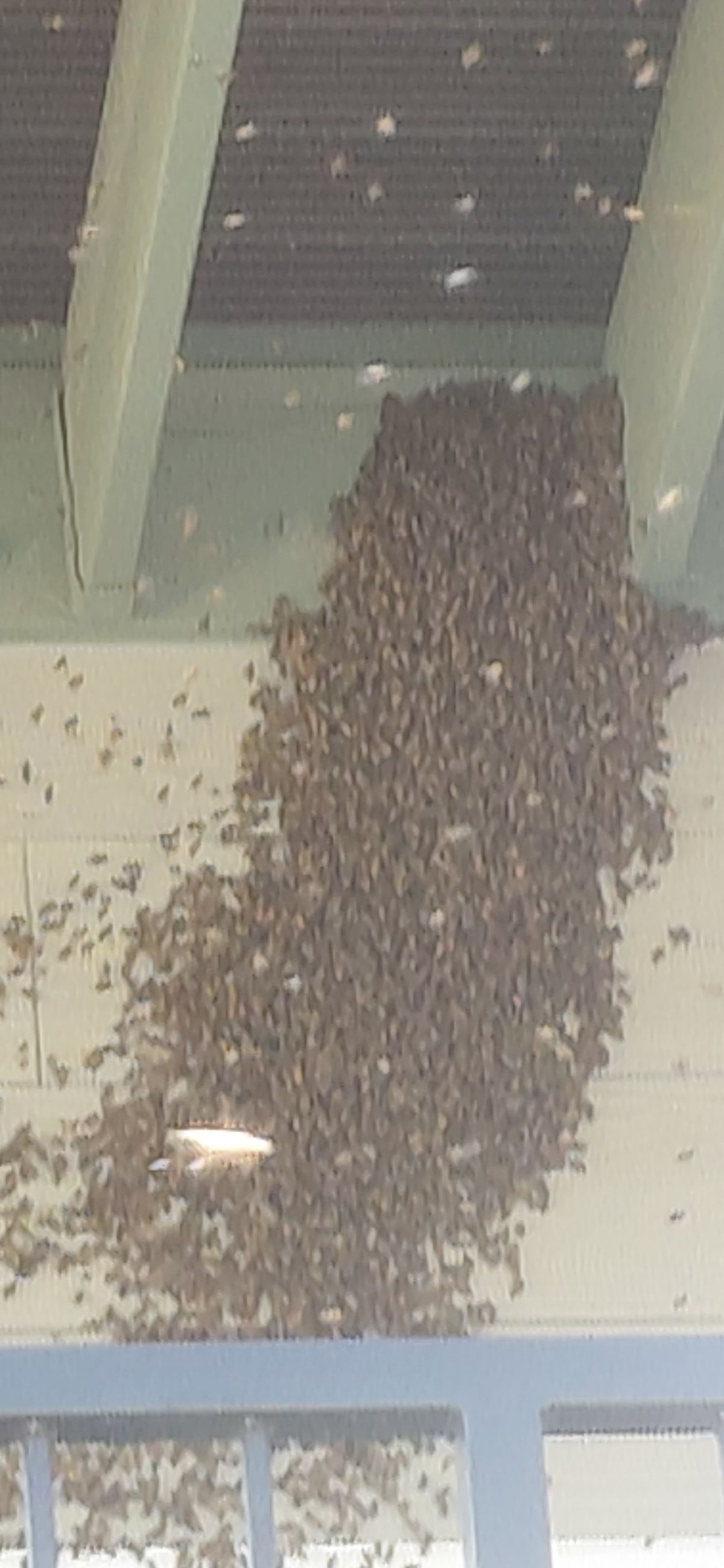
A Beekeeper's Guide to Swarm Season in California
California's Golden Opportunity: Harnessing the Spring Swarm For beekeepers across California, the arrival of spring signals more than just almond blossoms and wildflo...
Read More...May 18, 2026
Home > Blog > Why Your Local Beekeeper Wants Your Bee Swarm
January 17, 2026

In my years connecting communities with beekeepers through Swarmed, I've watched thousands of bee colonies go from urgent problems into working agricultural assets. Here's why beekeepers respond enthusiastically to swarm calls and how letting them relocate your bees creates benefits beyond your backyard.
This is why beekeepers respond so quickly to swarm reports through Swarmed, usually in under 15 minutes. What looks like a problem to property owners represents opportunity and value to beekeepers.
Best outcome: Contact Swarmed (opens in a new tab) to connect with local beekeepers who can help remove your bee colony and protect the bees.
When bees swarm naturally and settle without human intervention, most don't survive their first year. Recent research from German forests shows only 10.6% of wild colonies survive annually, with an average lifespan of just 0.6 years. Even in more favorable conditions like New York's Arnot Forest, only 23% of first-year colonies and 84% of established colonies survive winter.
Why wild survival is challenging:
The beekeeper difference: When skilled beekeepers relocate swarms to managed apiaries, survival rates increase to 60% or higher. Professional management, disease monitoring, and supplemental feeding during difficult periods turn vulnerable swarms into productive colonies.
This improvement in survival rates means that contacting a beekeeper instead of an exterminator saves bee colonies and preserves the services these bees provide.
The agricultural impact:
Genetic Diversity: Swarms represent fresh genetics that strengthen local bee populations. Cost Savings: Purchasing established colonies costs $150-300. Collecting swarms provides similar value while helping the community. Natural Selection: Swarms come from colonies successful enough to reproduce, indicating strong genetics and survival traits. Local Adaptation: These bees are already adapted to local climate, flowering patterns, and environmental conditions. Community Service: Most beekeepers want to help neighbors while supporting bee conservation
When exterminators eliminate bee colonies instead of relocating them, the losses extend beyond the immediate situation:
Immediate losses:
Long-term impact:
Economic costs:
The better choice: Using Swarmed, you can connect with beekeepers who turn these situations into productive outcomes for everyone involved.
Species identification: Beekeepers can distinguish between honey bees (worth relocating) and other species that might require different approaches. Proper equipment and techniques: Tools and protective gear for safe, effective collection that preserves the entire colony. Post-relocation care: Continued management that emphasizes colony survival and productivity. Educational value: Most beekeepers are happy to explain bee behavior and answer questions about local pollinator ecology. Community connections: Access to a network of bee-friendly resources and ongoing support.
Based on insights from experienced beekeepers, here's what you can expect: Oftentimes free:
May involve fees ($150-400+):
Why fees are sometimes necessary: Complex removals require time, specialized equipment, and expertise. The work involves real costs including gas, time (sometimes 4-12 hours), equipment wear, and the investment in proper protective gear and tools. What you get: Complete colony removal, site preparation to prevent re-attraction, and often guidance about preventing future bee situations. Equipment reality: Each new colony requires at least $150 in basic equipment for proper housing, plus ongoing care costs. When beekeepers collect swarms for free, they're making a genuine investment in community service.
Swarmed (opens in a new tab) (recommended): Our platform connects you with over 9,000 beekeepers nationwide who can respond quickly to swarm reports. Free to use and designed for these situations. Local beekeeping associations: Most regions have organized groups with swarm collection details and experienced members. University extension programs: Some maintain lists of local beekeepers willing to collect swarms. Agricultural departments: County and state agencies sometimes provide beekeeper referrals.
Initial assessment (15-30 minutes): The beekeeper evaluates the situation, confirms species identification, and explains the collection process. Collection process (30-90 minutes for swarms, longer for established colonies): Using proper protective equipment, the beekeeper gently collects the cluster into a secure container designed for bee transport. Site preparation: Cleaning any attractant pheromones and advising on prevention measures. Transportation: Bees are moved to an appropriate apiary location where they can establish successfully with ongoing management. Follow-up: Some beekeepers provide updates on colony progress and are available for future bee questions.
Environmental benefits:
Community benefits:
Agricultural benefits:
Personal satisfaction:
Spring swarms (March-May): Peak activity period when most swarms occur. Quick response gives colonies the best chance to establish before winter. Summer clusters (June-August): May be secondary swarms or displaced colonies. Still valuable for relocation with proper timing and care. Fall situations (September-November): More urgent because colonies need time to prepare for winter. Experienced beekeepers can assess viability. Winter emergencies (December-February): Rare but may indicate displaced colonies needing immediate skilled attention.
Q: Why do beekeepers want swarms when they could just buy bees? A: Swarms provide free genetic diversity, are naturally selected for survival traits, and come pre-adapted to local conditions. Plus, collecting swarms helps the community while advancing bee conservation. Q: What happens to the bees after collection? A: They're relocated to managed apiaries where they receive ongoing care, disease monitoring, and protection. This increases their survival rate from 10-23% to over 80%. Q: How much pollination does one relocated colony actually provide? A: A healthy colony visits 2-3 million flowers daily during active foraging periods. The agricultural value of these pollination services is worth 10-20 times more than the honey the colony produces. Q: Is bee relocation always free? A: Simple swarm collection is usually free, but established colonies in difficult locations may involve fees of $150-400+ for the specialized time and equipment required. Q: How quickly do I need to contact a beekeeper? A: As soon as possible. Swarms typically move within 24-72 hours, and early contact gives beekeepers the best opportunity for successful collection. Q: What if the beekeeper can't collect them right away? A: Most beekeepers through Swarmed respond within 15 minutes to assess timing. They'll advise you on keeping the area safe while arranging collection during optimal conditions. Q: Do relocated bees ever return to the original location? A: Proper relocation includes site cleaning to remove attractant pheromones. While the same property features might attract other swarms in the future, the relocated colony won't return. Q: How do I know if I'm dealing with honey bees worth relocating? A: Contact Swarmed even if you're uncertain. Our beekeepers can identify species and recommend appropriate action, whether you're dealing with honey bees, wasps, or other insects.
Mateo Kaiser is the founder of Swarmed, a global bee swarm reporting and rescue network that has helped relocate over 150 million honey bees. Mateo is a Master Beekeeper focused on bee behavior and conservation technology. Swarmed has over 9,000 beekeepers worldwide to help the public safely and ethically relocate honey bee colonies. Swarmed is a satellite partner of the California Master Beekeeper Program at UC Davis.
California's Golden Opportunity: Harnessing the Spring Swarm For beekeepers across California, the arrival of spring signals more than just almond blossoms and wildflo...
Read More...May 18, 2026
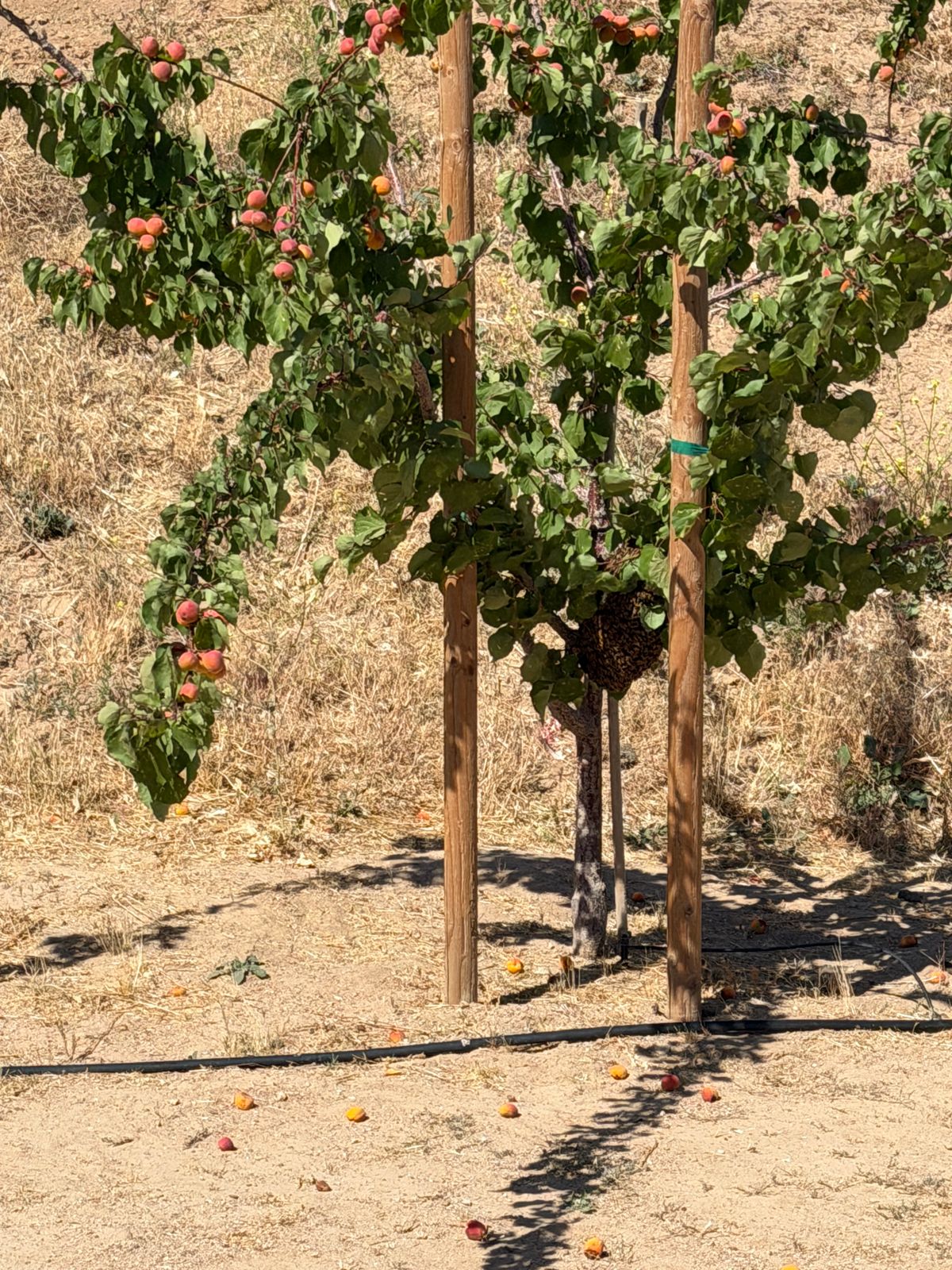
A Beekeeper's Guide to Swarm Collection in Idaho Spring has arrived in the Gem State, and with it, the unmistakable hum of honey bee swarms. For beekeepers, this is a...
Read More...May 18, 2026