
A Beekeeper's Guide to Swarm Season in California
California's Golden Opportunity: Harnessing the Spring Swarm For beekeepers across California, the arrival of spring signals more than just almond blossoms and wildflo...
Read More...May 18, 2026
Home > Blog > Why Bee Swarms Are Good for Your Apiary | Swarmed Guide
January 17, 2026

Swarming is one of nature’s most fascinating phenomena. While some beekeepers see it as a setback, others know it’s actually an opportunity to expand their apiary, strengthen bee genetics, and encourage sustainability. In this post, we’ll dive into the benefits of capturing swarms, why smaller colonies can be a good thing, and when swarming might be a sign of trouble.
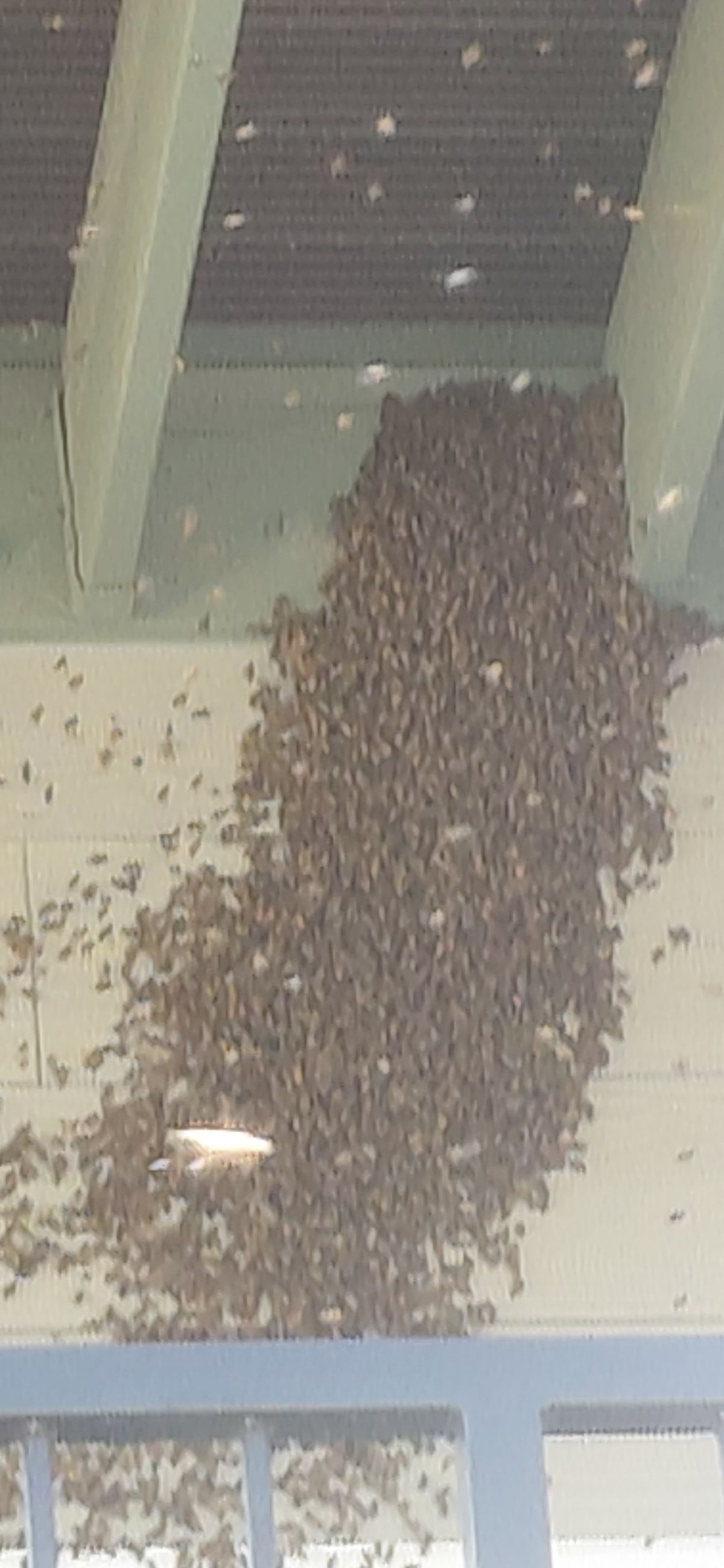
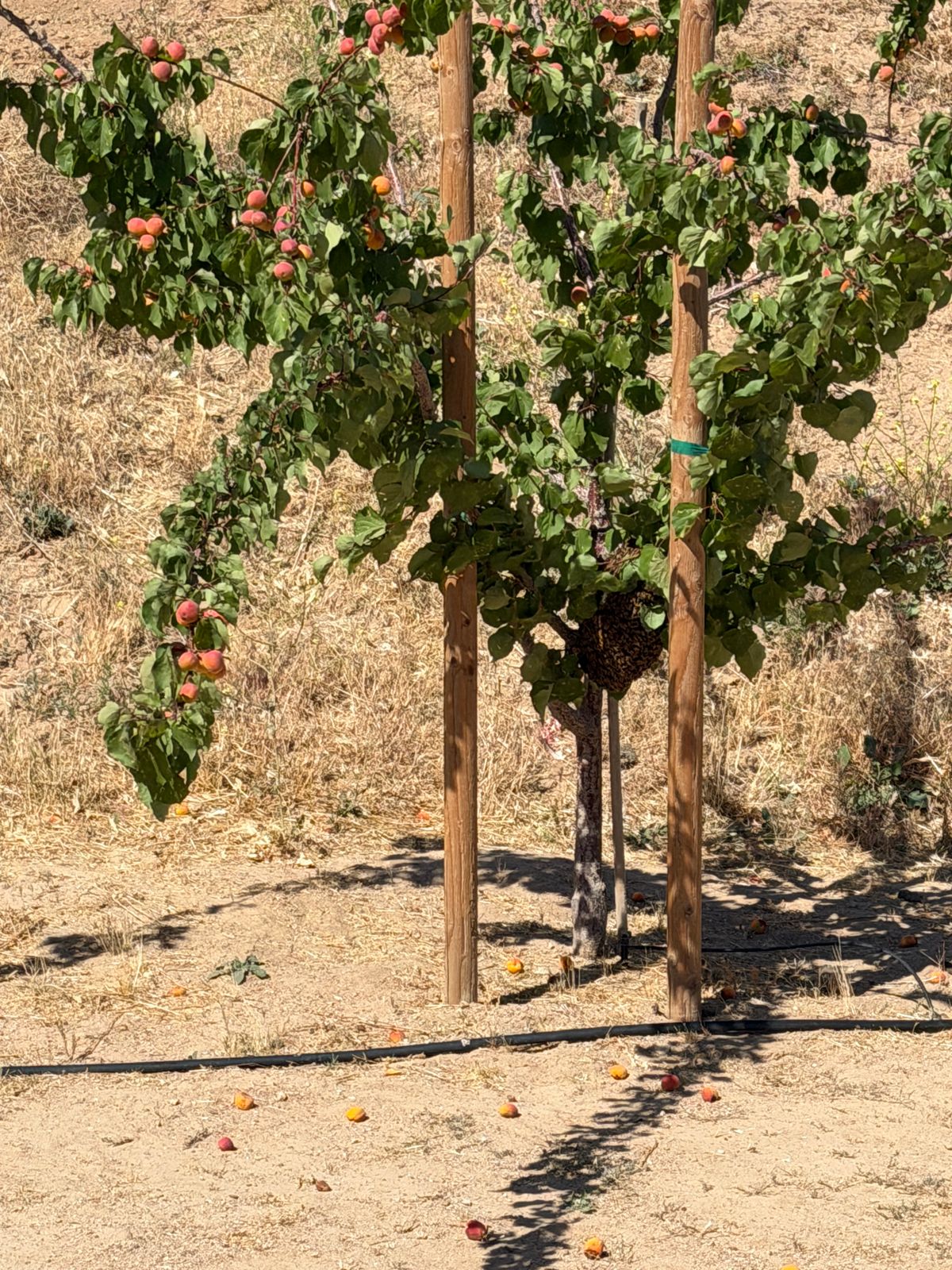
A bee swarm happens when a colony splits, with about half the bees leaving their hive along with the queen to start fresh. This natural behavior allows colonies to spread, but it can feel chaotic if you aren’t prepared. Instead of seeing it as a loss, beekeepers can take advantage of this process to capture and manage new colonies.
Bee swarms are like nature’s gift to beekeepers. Capturing a swarm gives you a ready-made colony that can quickly settle in and contribute to your operation. Here’s how swarms benefit your apiary:
- Instant Hive Growth: Capturing a swarm means you get a full colony for free. The bees are ready to start building comb, raising brood, and collecting nectar from the moment they’re introduced to their new home. - Fast Comb Building: Swarming bees are driven to build out their new hive. They’ll draw comb quickly, helping the colony get established faster, which means they can start storing honey earlier in the season.
Many beekeepers have learned that smaller colonies—whether from swarms or hive splits—can actually be an advantage. Here’s why:
- Less Competition for Resources: With fewer bees, there’s less internal competition for food and resources, which can lead to better honey production. Smaller colonies also focus on gathering and storing honey rather than immediately expanding brood production. - Controlled Growth: Splitting or allowing swarms can help prevent overcrowding in your hives. Overcrowded hives are more likely to swarm on their own, which can lead to losing bees if the swarm isn’t captured.
By intentionally managing smaller colonies, you can keep your bees focused on the right tasks, especially when honey production is your goal.
One of the best aspects of capturing a swarm is the fresh genetics it brings to your apiary. The queen in a swarm has likely mated with drones from several different colonies, which improves genetic diversity. This is crucial for:
- Behavioral Traits: Different strains of bees bring different benefits. Some may be better foragers, others may handle colder climates more efficiently, and some are more docile. By capturing swarms, you introduce these varied traits into your operation.
Bees from local swarms are naturally adapted to the area’s environment. They’ve already proven their ability to survive in the specific conditions of your region, which makes them more likely to thrive in your apiary without needing excessive intervention.
While swarming has many benefits, it’s not always a good thing. There are a few scenarios when swarming can be a challenge for beekeepers:
- Losing Bees: If a swarm isn’t captured, you may lose a significant portion of your colony. This can impact honey production and reduce your overall hive numbers. - Frequent Swarming: When colonies swarm too often, it can weaken the hive. Bees need time to recover and build their strength after swarming. If they swarm repeatedly in a short period, the remaining bees may struggle to maintain brood production and hive health. - Poor Timing: Swarming late in the season can leave the new colony without enough time to build up stores for winter. In this case, both the original hive and the new swarm may be at risk of starving or failing to survive colder months.
To minimize the negative impacts of swarming, regular hive inspections and good management practices are key. Keeping an eye on colony size, providing adequate space, and preventing overcrowding can help reduce the likelihood of unwanted swarms. Tools like Swarmed can also help by notifying you of swarms nearby, so you can capture them before they become a problem.
When someone spots a swarm, they can report it on Swarmed, and nearby beekeepers receive an instant notification. This gives you a head start in collecting local swarms and expanding your apiary.
By signing up for Swarmed (opens in a new tab) and spreading the word in your community, you can ensure that swarms are captured quickly, reducing the risk of losing bees and helping you grow your operation efficiently.
California's Golden Opportunity: Harnessing the Spring Swarm For beekeepers across California, the arrival of spring signals more than just almond blossoms and wildflo...
Read More...May 18, 2026
A Beekeeper's Guide to Swarm Collection in Idaho Spring has arrived in the Gem State, and with it, the unmistakable hum of honey bee swarms. For beekeepers, this is a...
Read More...May 18, 2026