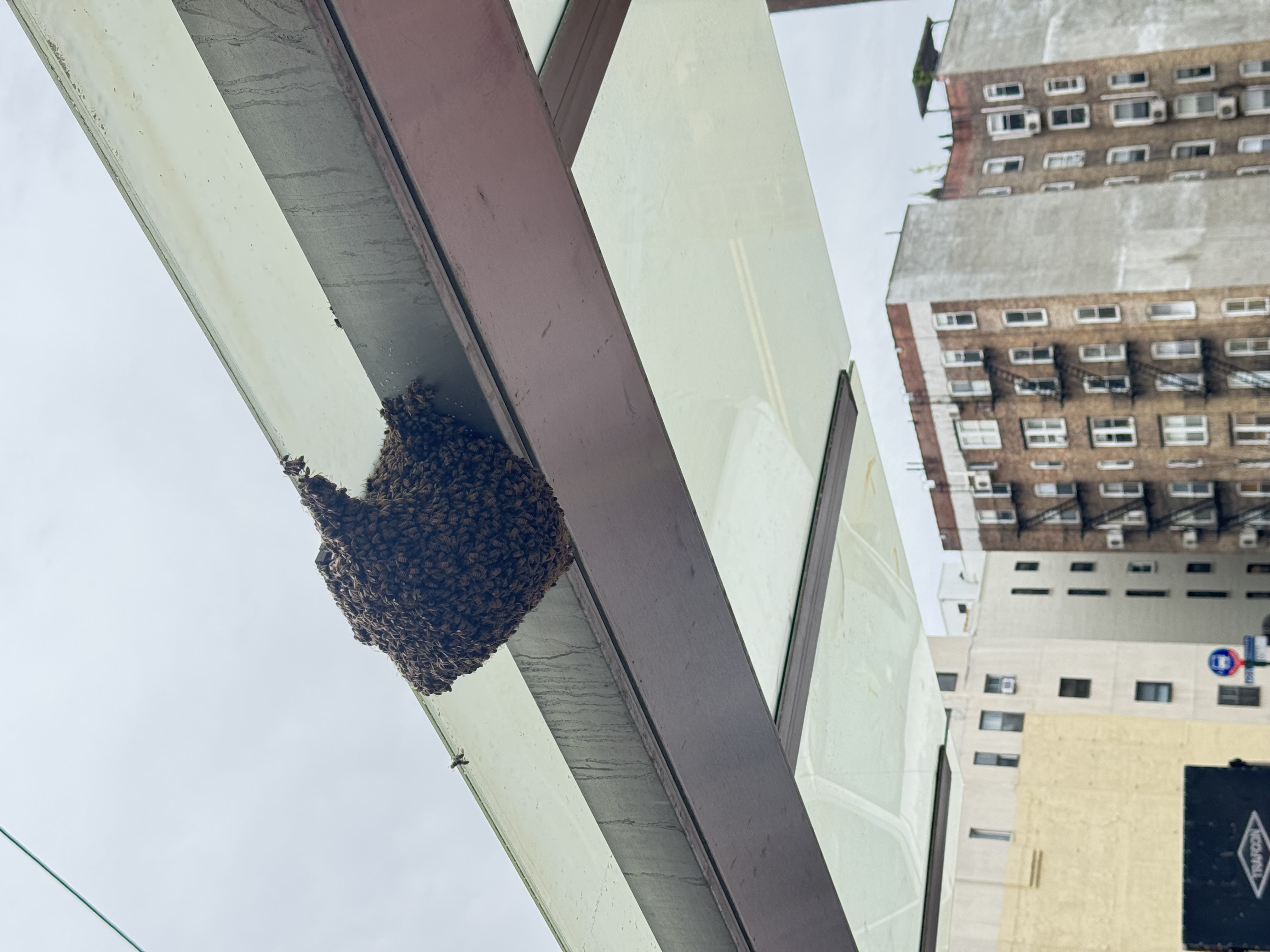
A Beekeeper's Guide to Swarm Collection in Florida
Florida Swarm Season: Adapting to a Unique Landscape Spring in Florida brings a surge of beekeeping activity, with honey bee swarms becoming a common sight. For beekee...
Read More...May 14, 2026
Home > Blog > Found a Bee Swarm in Idaho? Here’s What Happens Next
May 15, 2026
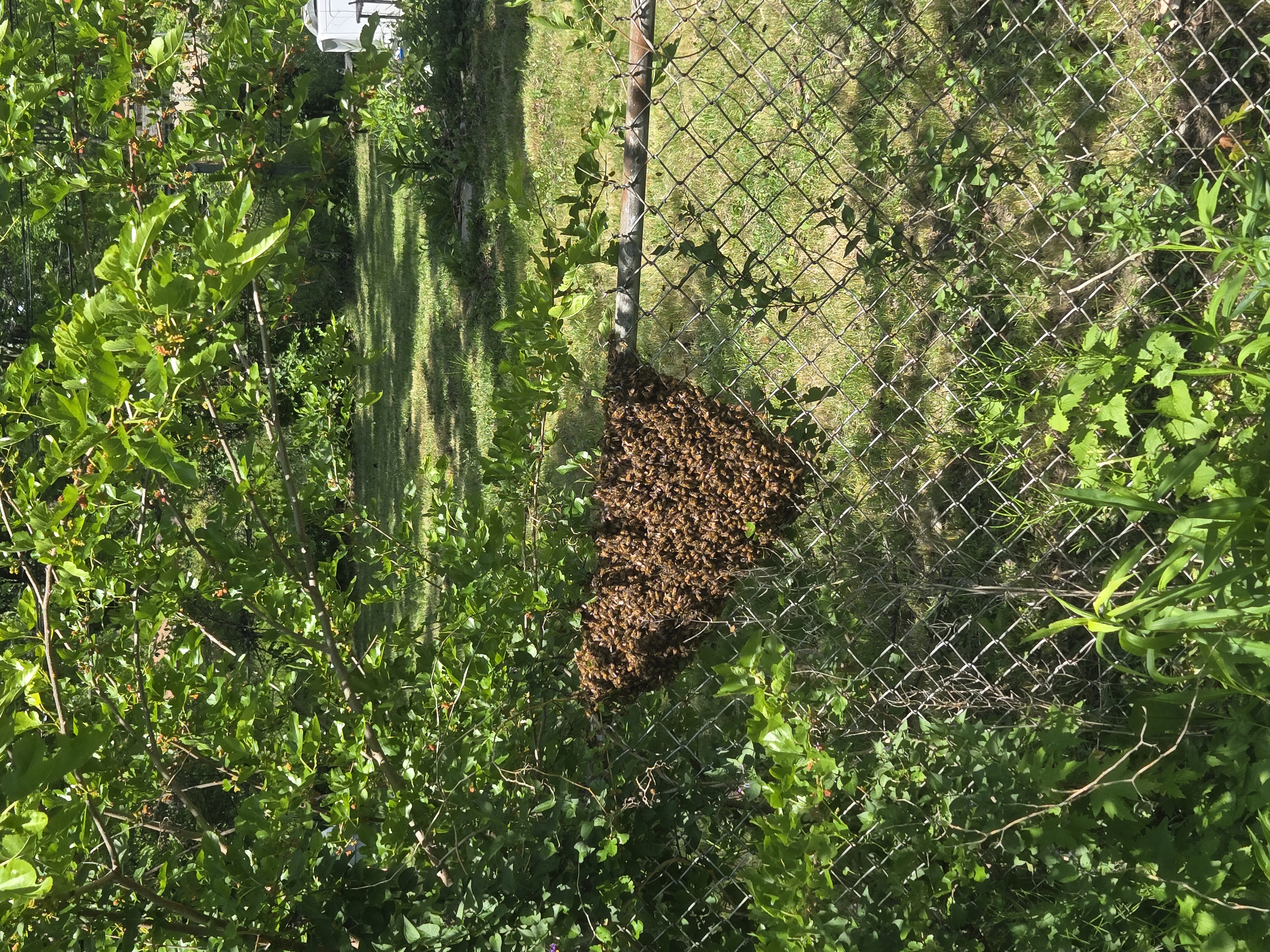
Spring in Idaho brings blooming landscapes and the familiar buzz of honey bees. If you’ve spotted a large cluster of bees hanging from a tree branch or fence post, you’ve witnessed a natural wonder: a honey bee swarm. While it can look intimidating, it’s a positive sign of a healthy bee population. By taking a moment to report the swarm (opens in a new tab), you’ve already taken the most important step.
This guide will walk you through what to expect next, clarifying the process and highlighting how your simple action supports Idaho’s environment and beekeeping community.
A honey bee swarm is not an angry mob of bees. It is a colony in transition. The old queen has left her original hive with about half of the worker bees to find a new home. The bees you see clustered together are essentially homeless and are resting while scout bees search for a suitable permanent cavity.
During this phase, honey bees are remarkably docile. Before leaving their old hive, they filled up on honey, making them full and less inclined to sting. They have no home, no brood, and no honey stores to defend. Their primary focus is on protecting the queen and conserving energy. It's best to observe them from a safe distance, but there's no need for panic.
Once you submit the swarm’s location through the Swarmed network, an alert is instantly dispatched to registered beekeepers in your specific area of Idaho. Our network connects people like you with local experts who are ready and willing to help. Last season alone, Idaho residents reported over 200 swarms, a rising trend that shows a growing community commitment to protecting these vital pollinators.
Here’s the step-by-step process:
When the beekeeper arrives, they will come prepared with all the necessary equipment. The goal is a calm, safe rescue for the bees, the beekeeper, and you.
The beekeeper will first assess the situation, confirming that it is indeed a honey bee swarm and determining the safest way to access it. The rescue itself is often a gentle and fascinating process to watch.
The most common method involves placing an open box directly beneath the swarm and giving the branch a firm shake. Most of the bees, along with the queen, will fall directly into the box. The remaining bees in the air will follow their queen's pheromones and march into their new temporary home. The beekeeper will leave the box for a short while to allow all the foraging scout bees to return before sealing it and taking the colony to their apiary.
For a simple swarm hanging on a branch, this service is almost always offered free of charge. Beekeepers are happy to give these bees a new, managed home where they can thrive.
It is crucial to understand the difference between a swarm and an established hive, as this affects the complexity and cost of the removal.
Removing an established colony is a much more complex and labor-intensive process known as a “cutout.” It often requires specialized equipment and carpentry skills to open the structure, carefully remove the comb and bees, and then perform repairs. Because of the skill, time, and potential liability involved, a cutout is a paid service.
A beekeeper responding to your report will be able to tell the difference. If it turns out to be an established colony, they will explain the situation and provide a fair quote for the removal work. You can then decide whether to accept their offer.
Reporting a honey bee swarm is more than just a public service; it’s a vital contribution to Idaho’s agricultural health and ecosystem.
By taking a few minutes to report a honey bee swarm, you become a key player in a community-wide effort to support these indispensable insects. It’s a simple act with a significant and positive impact.
If you see a swarm, don’t hesitate. You can help ensure their safety and support local beekeeping efforts by making a report today. Help protect Idaho's pollinators by reporting a honey bee swarm at https://beeswarmed.org/report-bee-colony (opens in a new tab).
Florida Swarm Season: Adapting to a Unique Landscape Spring in Florida brings a surge of beekeeping activity, with honey bee swarms becoming a common sight. For beekee...
Read More...May 14, 2026
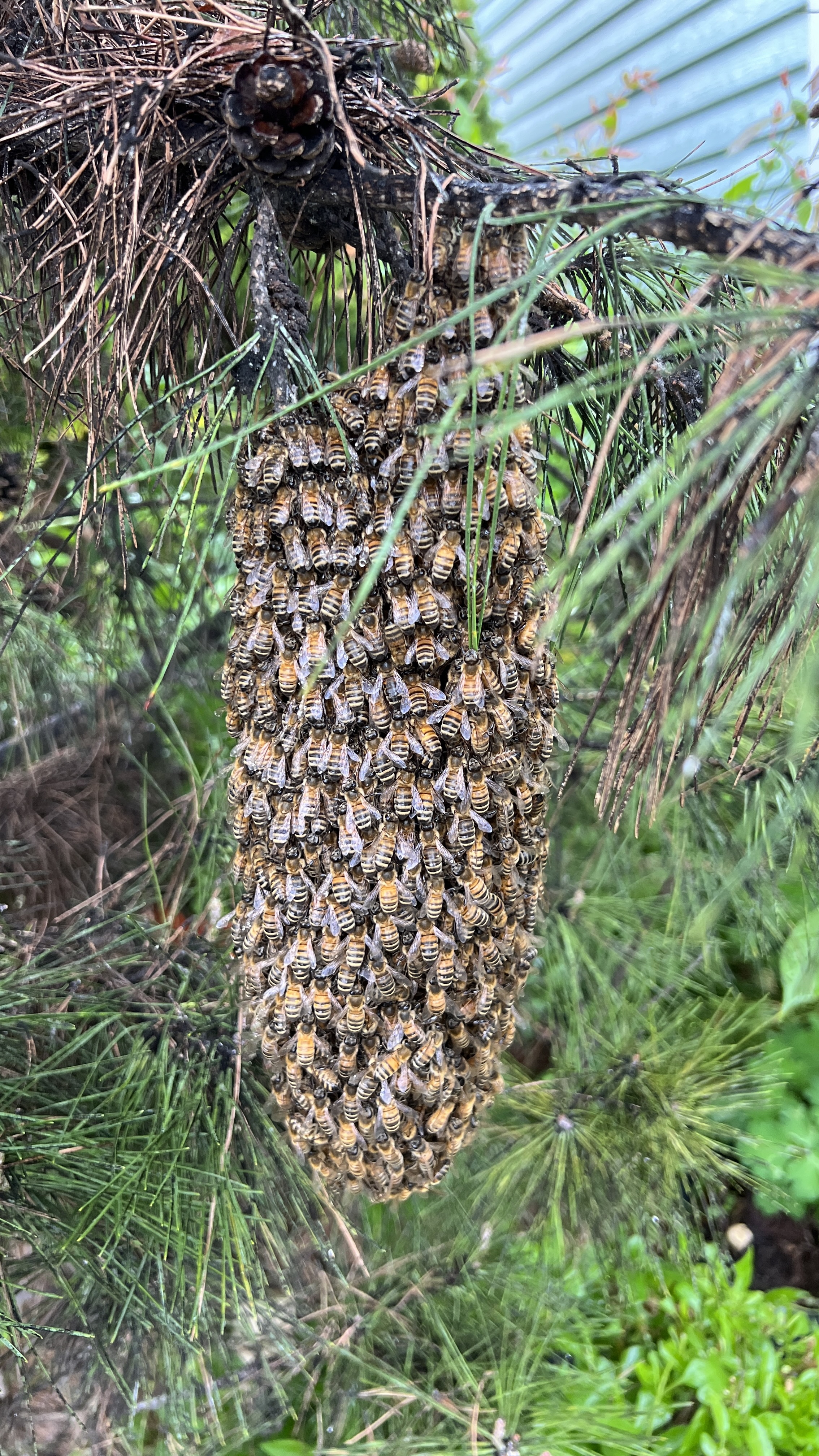
Springtime and Honey Bee Activity in the Sunshine State As the Florida landscape bursts into bloom, you might notice increased activity from our most important pollina...
Read More...May 14, 2026
