
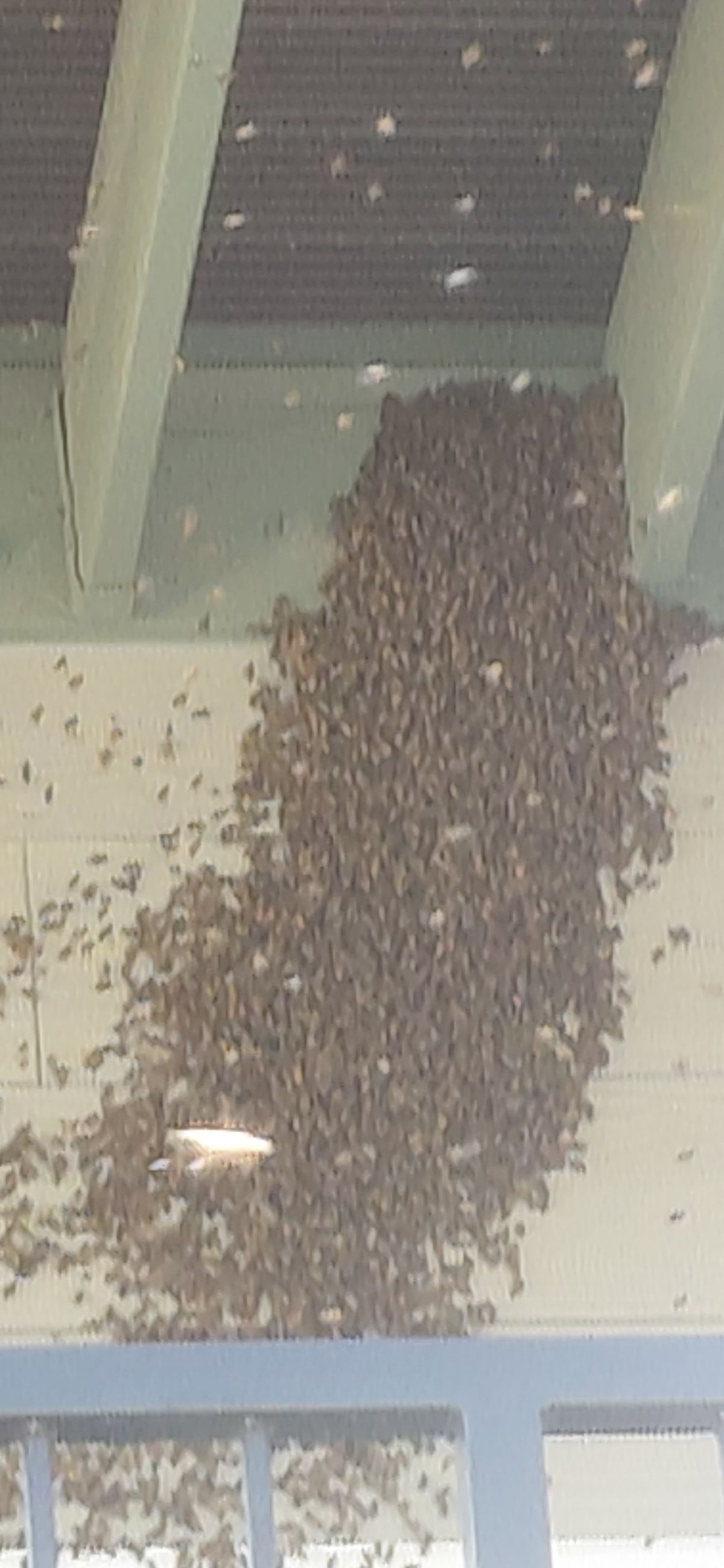
A Beekeeper's Guide to Swarm Season in California
California's Golden Opportunity: Harnessing the Spring Swarm For beekeepers across California, the arrival of spring signals more than just almond blossoms and wildflo...
Read More...May 18, 2026
Home > Blog > Honey Bee Swarms in Florida: Your Guide to Safe Reporting
May 14, 2026
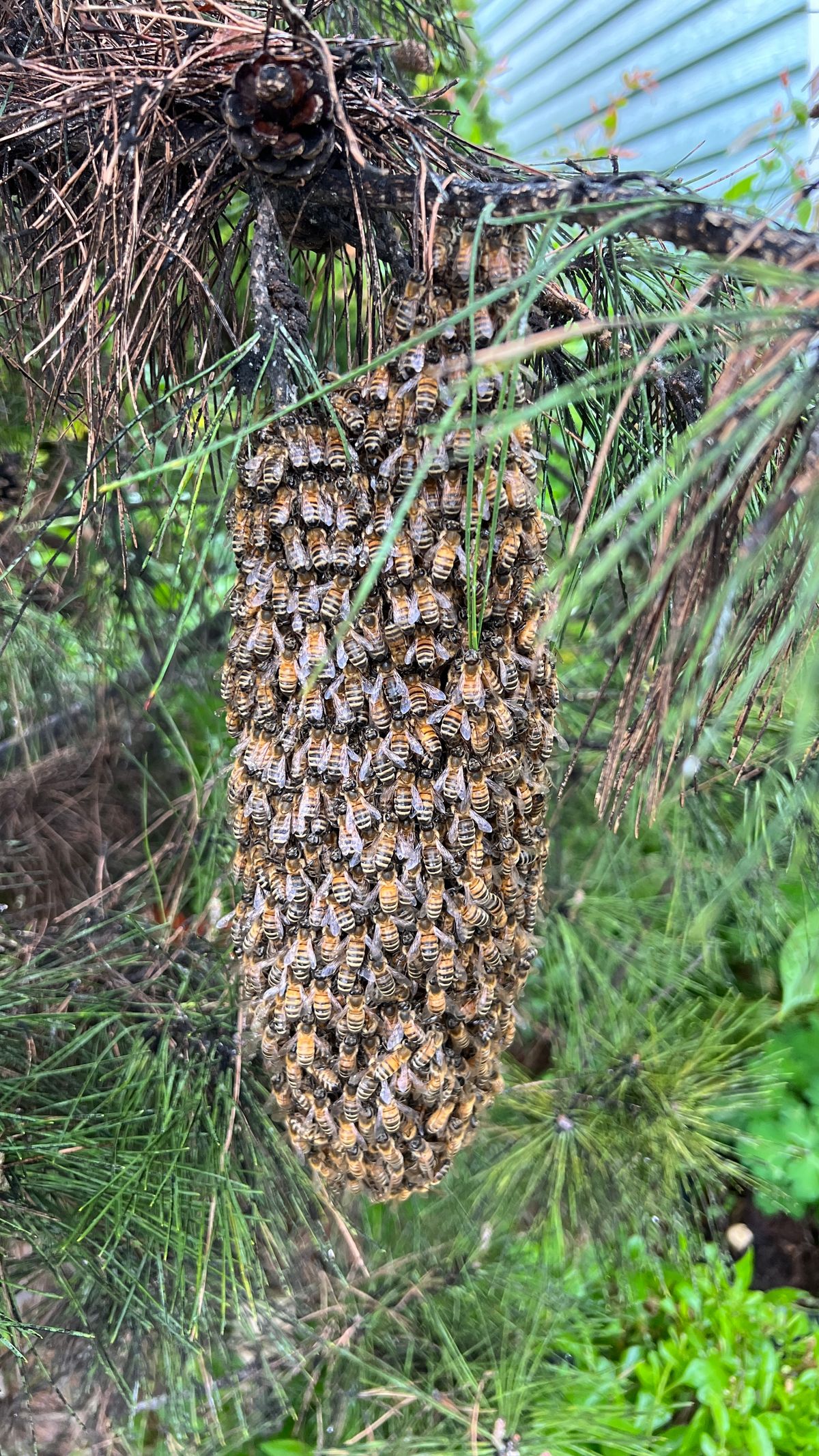
As the Florida landscape bursts into bloom, you might notice increased activity from our most important pollinators: honey bees. It’s a time when you could encounter a truly remarkable sight—a honey bee swarm. A large, buzzing cluster of thousands of bees hanging from a tree branch or fence post can be startling, but it represents a natural and vital process for their survival. Understanding what a swarm is and how to respond correctly is crucial for both public safety and the protection of these essential creatures.
This guide will help Florida residents accurately identify honey bee swarms, differentiate them from other stinging insects, and explain the best course of action: reporting them for safe, professional rescue.
A honey bee swarm is a colony in transit. When a healthy hive becomes overcrowded, the queen bee will leave with about half of the worker bees to find a new home. The cluster you see is a temporary resting spot while scout bees search for a suitable permanent location, like a hollow tree.
Key characteristics of a honey bee swarm include:
Correct identification is the first step toward a safe resolution. Many people confuse honey bees with more aggressive insects. Here’s how to tell the difference:
If you see a large, fuzzy, buzzing ball of insects resting on a branch, you are almost certainly looking at a honey bee swarm.
Understanding the distinction between a swarm and an established hive is essential, as it determines the removal process and potential cost.
Attempting a DIY removal by spraying a swarm with pesticides or water is dangerous and harmful. It can provoke the bees, and it eliminates a valuable pollinator resource. Reporting the swarm is the best solution for everyone.
If you encounter a honey bee swarm, follow these simple steps:
A clear photo of the bees can help the beekeeper confirm it is a honey bee swarm and come prepared for the rescue.
By reporting a swarm, you become an active participant in the preservation of honey bees in Florida. Your simple action provides a valuable resource to a local beekeeper and ensures a vulnerable colony gets a safe new home.
If you see a honey bee swarm, your first step is the most important one. Help protect our vital pollinators and support your local beekeeping community by reporting it through Swarmed. Visit https://beeswarmed.org/report-bee-colony (opens in a new tab) to connect with a professional beekeeper for a safe and prompt rescue.
California's Golden Opportunity: Harnessing the Spring Swarm For beekeepers across California, the arrival of spring signals more than just almond blossoms and wildflo...
Read More...May 18, 2026
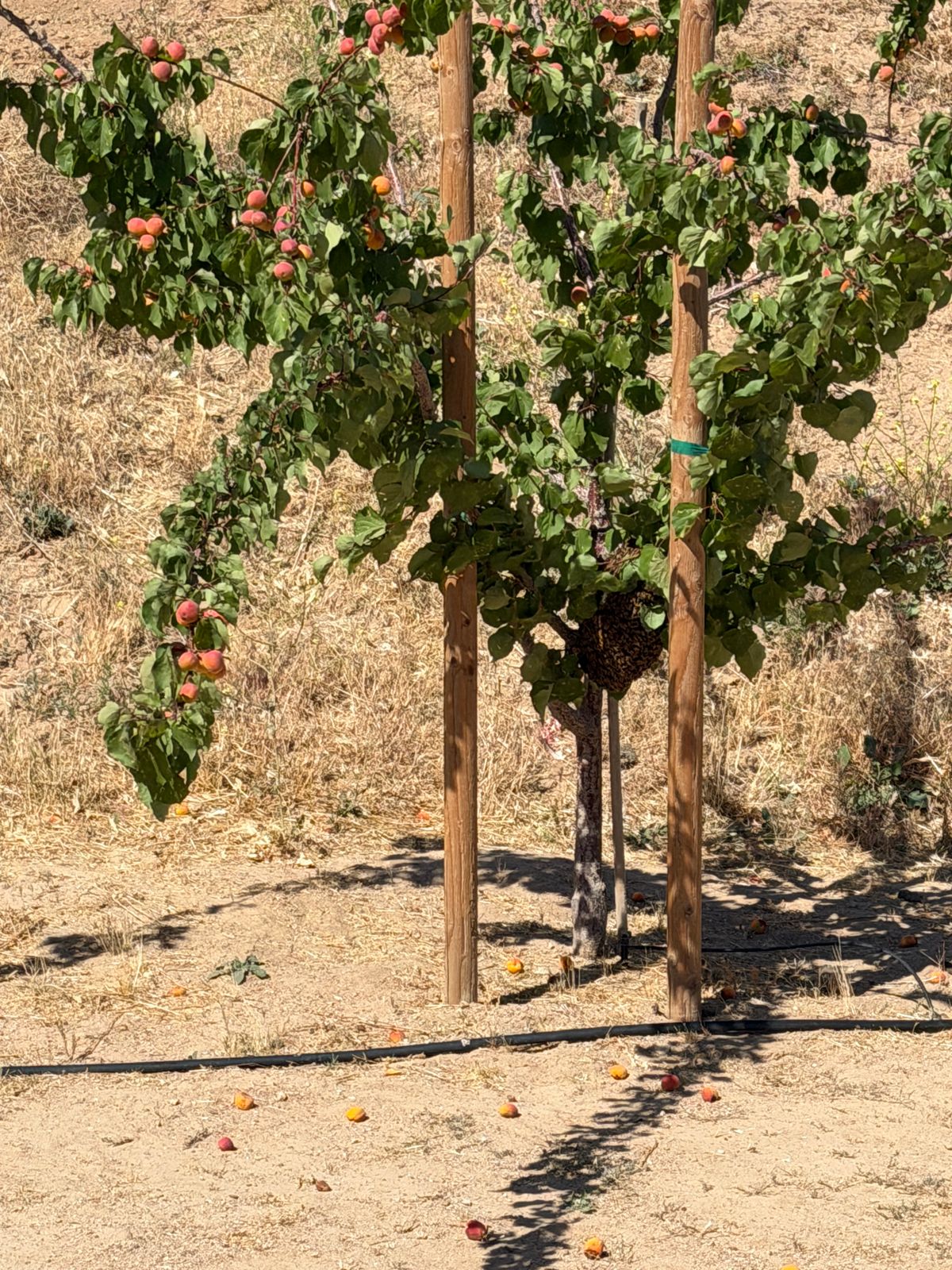
A Beekeeper's Guide to Swarm Collection in Idaho Spring has arrived in the Gem State, and with it, the unmistakable hum of honey bee swarms. For beekeepers, this is a...
Read More...May 18, 2026