
A Beekeeper's Guide to Swarm Season in California
California's Golden Opportunity: Harnessing the Spring Swarm For beekeepers across California, the arrival of spring signals more than just almond blossoms and wildflo...
Read More...May 18, 2026
Home > Blog > Honeybee Democracy: What Swarms Can Teach Us
May 14, 2026
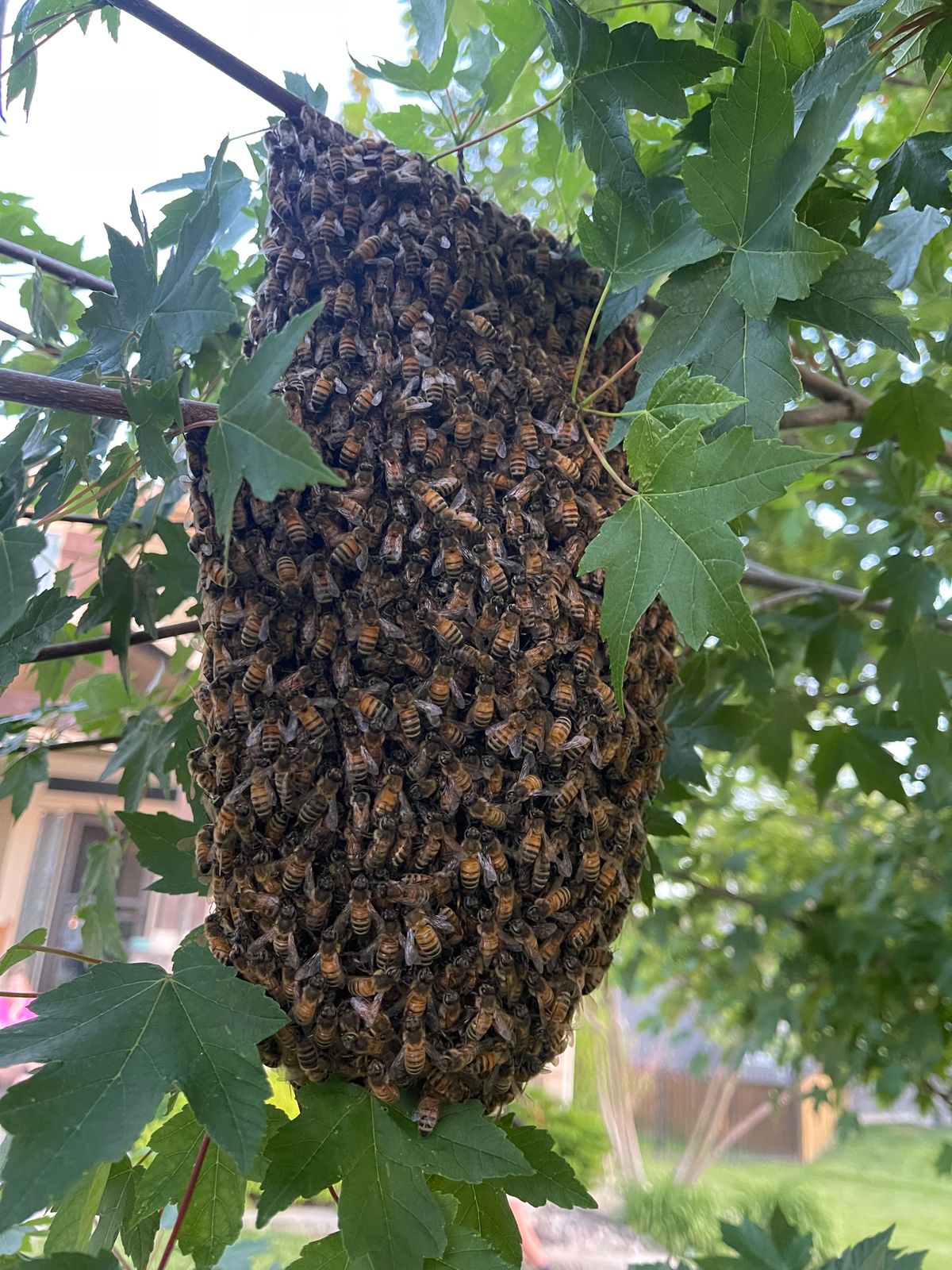
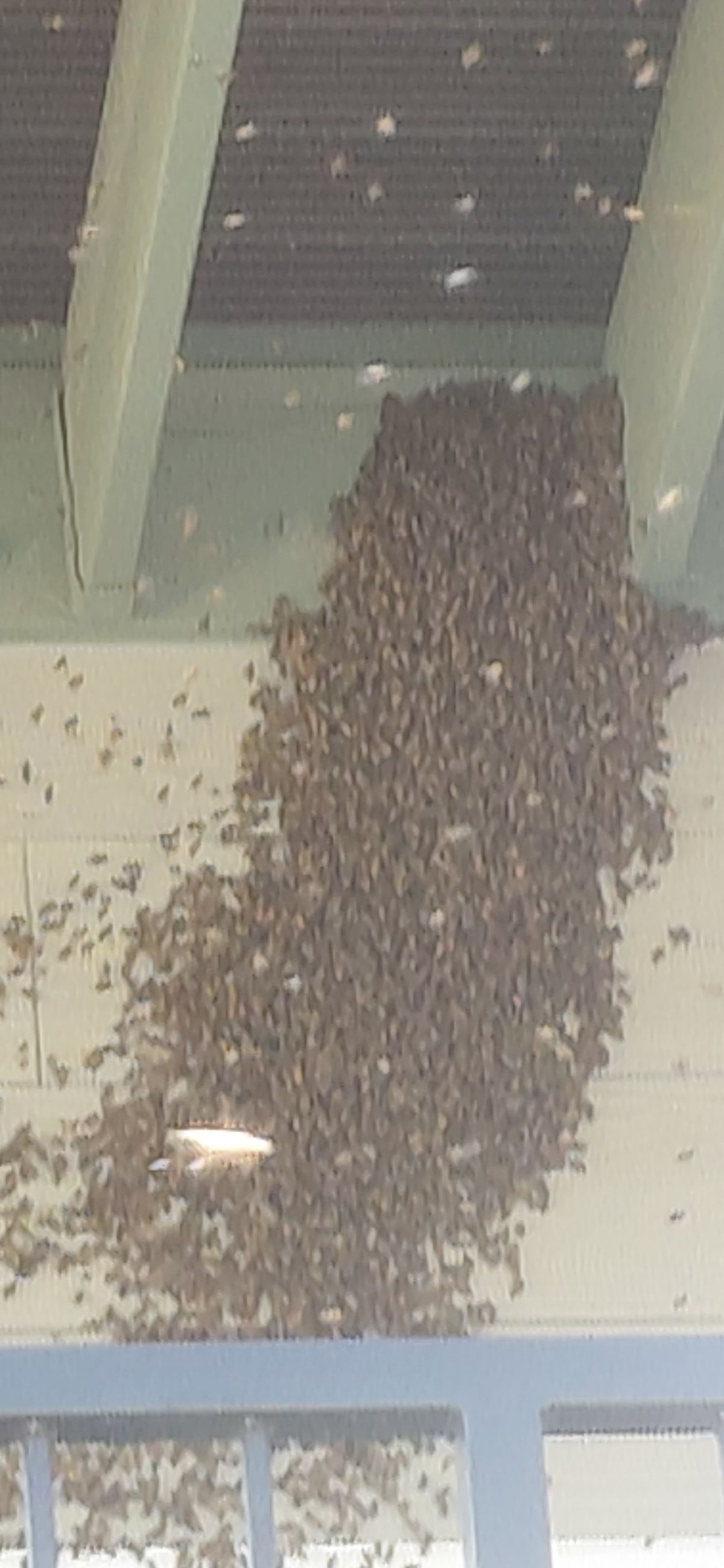
Each spring, as the world awakens, honey bee colonies also stir with the instinct for expansion. This drive culminates in one of nature’s most spectacular and misunderstood events: swarming. While a swirling mass of thousands of bees can seem alarming, it’s actually a sign of a healthy, thriving colony. Dr. Thomas D. Seeley’s landmark book, Honeybee Democracy, pulls back the curtain on this phenomenon, revealing it not as a chaotic frenzy, but as a sophisticated and orderly process of collective decision-making.
Seeley, a world-renowned biologist at Cornell University, has spent decades studying the behavior of honey bees. In his book, he meticulously documents how a honey bee swarm chooses its new home. It’s a process that puts many human endeavors to shame. When a colony becomes overcrowded, the old queen and about half the bees leave to form a new colony. They cluster on a nearby branch or structure in a temporary bivouac—this is the swarm—while a few hundred experienced scout bees set out in search of a permanent residence.
What follows is a remarkable display of debate and consensus-building. Each scout bee explores the surrounding landscape, evaluating potential nest sites against a strict set of criteria: cavity volume, entrance size and direction, and protection from the elements. When a scout finds a promising location, she returns to the swarm cluster and performs a “waggle dance” on its surface.
This dance is a form of symbolic language, communicating the direction and distance to the potential new home. The more enthusiastic the dance, the higher the scout’s assessment of the site. Other scouts observe these dances, fly out to inspect the advertised locations for themselves, and, if they agree with the assessment, return to perform their own dances. It’s a peer-review system in action.
Slowly, through this process of open debate and independent verification, a consensus emerges. More and more scouts begin dancing for one superior site, eventually creating a tipping point where the entire swarm agrees. Once the decision is made, the swarm takes flight as one, guided by the scouts to their democratically chosen new home.
Understanding this incredible process completely changes how one views a bee swarm. The temporary cluster of bees hanging from a tree branch is not an angry mob; it is a community in transition, patiently waiting while its most experienced members conduct a careful and deliberate search. The bees in a swarm are surprisingly docile. Having filled their stomachs with honey before leaving the original hive, their primary focus is on finding a new home, not defending one. They have no brood or food stores to protect.
This is where the public plays a crucial and benevolent role. While the bees’ democratic process is nearly foolproof for choosing the best available site, it can't distinguish between a hollow tree and a wall cavity in a house. When a swarm decides to move into a chimney, attic, or shed, it becomes an “established colony.”
Here, the situation changes dramatically. An established colony builds wax comb, raises young (brood), and stores honey. Their defensive instincts kick in to protect their home. Removing an established colony is a complex and specialized task known as a “cutout,” which involves opening up structures and carefully removing the bees and comb. This is work that requires skill and equipment, and it is a service for which beekeepers must charge a fee.
By reporting a swarm before it moves into a structure, you are performing a tremendous service for the bees, your community, and local beekeepers. When you see a swarm, you are witnessing that brief, calm moment of democratic deliberation. This is the ideal time for a beekeeper to provide them a safe and productive home in a managed hive.
Swarm collection is typically a free service. Beekeepers are eager to give these bees a proper home, as swarms are a natural and sustainable way to start new colonies. By connecting a swarm with a beekeeper, you prevent the bees from choosing an unsuitable location and save a property owner from a future costly removal.
Protecting these swarms is vital for local ecosystems, especially in regions like Nevada where recent trends show a decline in reported swarms. Every single reported swarm—like the 102 reported there last season—makes a real difference in supporting bee populations and the beekeepers who manage them.
If you see a cluster of bees, you can instantly become part of this positive cycle. By using a free service to report the bee colony (opens in a new tab), you can quickly alert nearby beekeepers who are ready and willing to help. Your simple action ensures the bees are safely relocated, supports the local beekeeping community, and protects the honey bee population that is so vital to our environment.
Honeybee Democracy teaches us that a swarm is a moment of profound natural intelligence and cooperation. When you see one, you have the unique opportunity to participate in that story. By taking a moment to report it, you provide the final, crucial piece of the puzzle: a safe harbor for the bees, ensuring their journey ends not in a wall, but in the welcoming care of a local beekeeper.
California's Golden Opportunity: Harnessing the Spring Swarm For beekeepers across California, the arrival of spring signals more than just almond blossoms and wildflo...
Read More...May 18, 2026
A Beekeeper's Guide to Swarm Collection in Idaho Spring has arrived in the Gem State, and with it, the unmistakable hum of honey bee swarms. For beekeepers, this is a...
Read More...May 18, 2026