
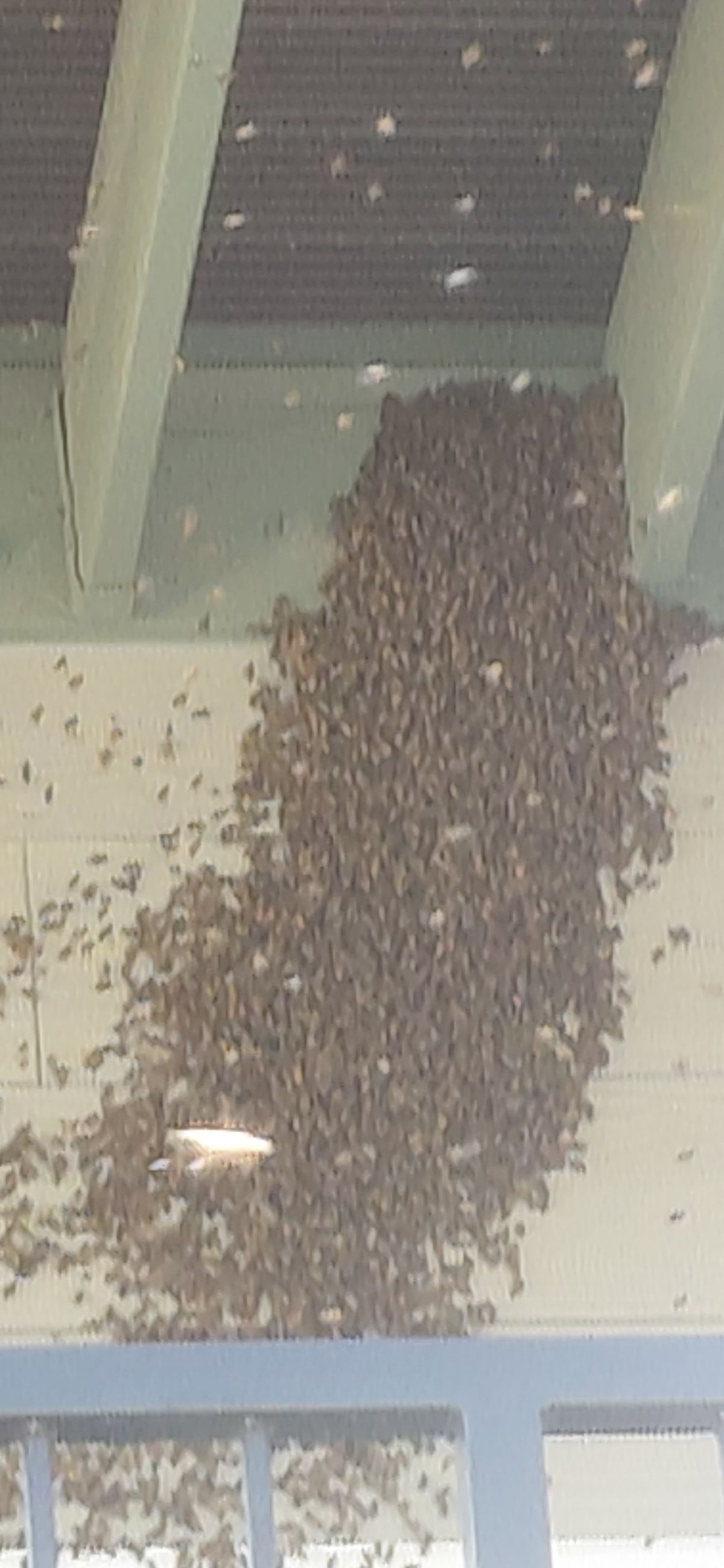
A Beekeeper's Guide to Swarm Season in California
California's Golden Opportunity: Harnessing the Spring Swarm For beekeepers across California, the arrival of spring signals more than just almond blossoms and wildflo...
Read More...May 18, 2026
Home > Blog > A Beekeeper's Guide to Swarm Collection in Florida
May 14, 2026
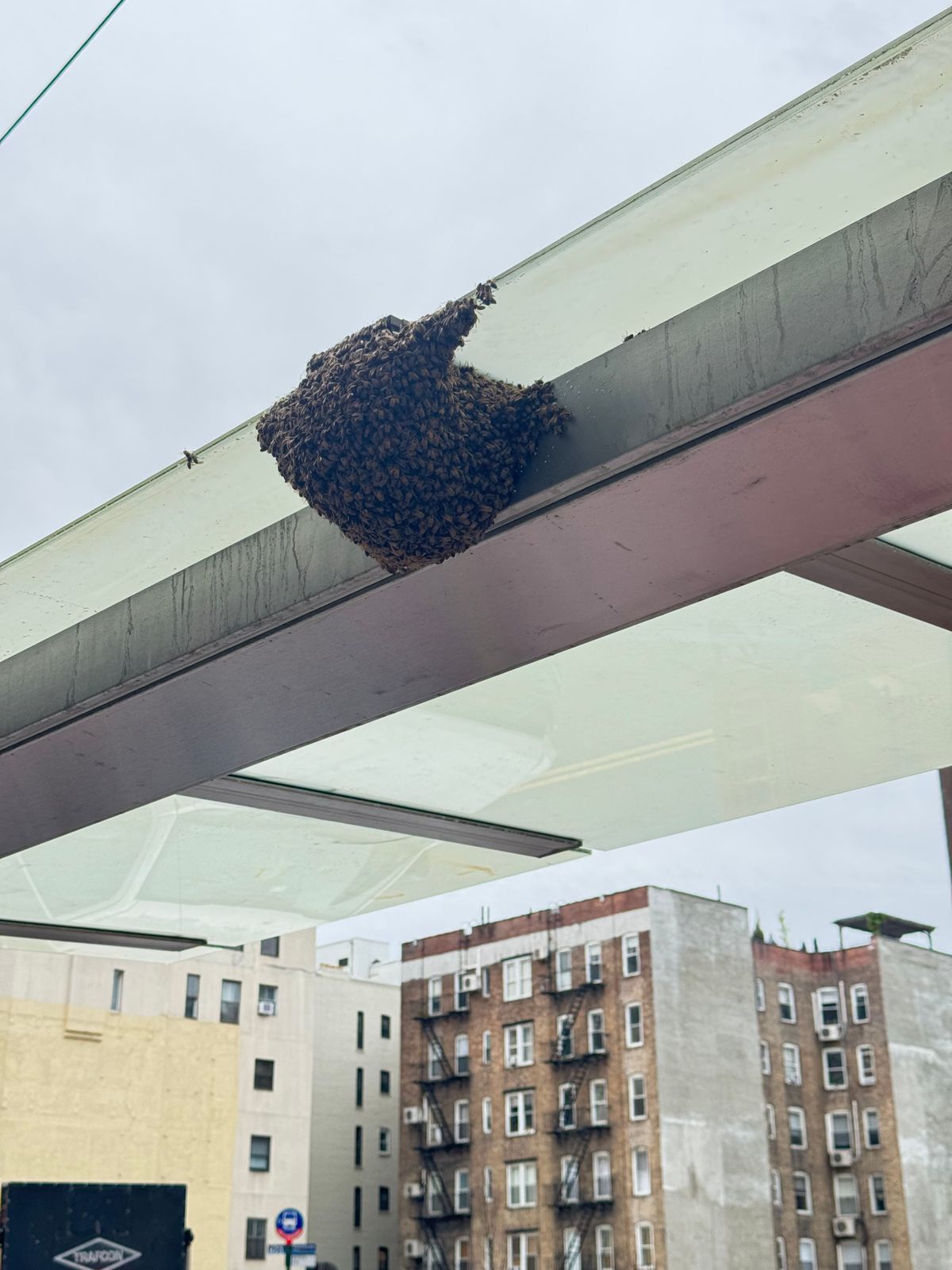
Spring in Florida brings a surge of beekeeping activity, with honey bee swarms becoming a common sight. For beekeepers, this represents a prime opportunity to acquire local, acclimated bees to strengthen or expand their apiaries. However, Florida's subtropical climate, extended warm season, and specific pest pressures require a tailored approach to swarm collection.
Unlike in more temperate regions, swarm season can begin earlier and last longer in the Sunshine State, creating a wider window of opportunity. The demand for skilled beekeepers is significant; last season, the Swarmed network processed alerts for over 780 swarms in Florida alone, and the trend is rising. This guide provides specialized techniques and considerations to help Florida beekeepers effectively and safely manage swarm collection.
Success in swarm collection often comes down to preparation. Given Florida's heat and humidity, your equipment choices are critical for both your comfort and the bees' survival.
Setting up swarm traps (sometimes called bait hives) is a proactive strategy to capture swarms with minimal effort. Position them 10-15 feet off the ground along a wood line or prominent feature, baited with lemongrass essential oil or a piece of old brood comb.
Before you approach a call, it's crucial to clarify what you are dealing with. A swarm is a transient cluster of bees, typically hanging from a tree branch or fence post, while they search for a new home. These bees are engorged with honey and have no brood to defend, making them docile. Swarm collection is a service beekeepers are happy to provide, typically at no cost to the homeowner, as the bees are a valuable resource.
An established colony is different. These bees have moved into a structure—like a wall, roof, or shed—and have built comb. Removal of an established colony is a complex process known as a "cutout." It requires carpentry skills and significant time, and bees will be defensive of their home. This is a specialized service that should be quoted fairly based on the complexity of the job. Making this distinction clear to the property owner manages expectations and establishes professionalism.
Once you've identified a true swarm, approach it calmly and deliberately. Assess the location, height, and accessibility before you begin.
Capturing the swarm is only half the battle; ensuring their survival in the Florida heat is paramount.
The public needs reliable, local beekeepers to help with swarm situations. By joining a network, you can build your apiary with healthy, local bees while providing an essential community service.
The Swarmed platform connects beekeepers directly to residents who report swarms, sending you free, real-time alerts for jobs in your immediate area. There is no commitment required—you simply claim the swarms that work for you. It's an excellent opportunity to grow your apiary with bees already adapted to Florida's unique environment.
By being prepared with the right techniques and equipment, Florida beekeepers can turn swarm season into a productive and rewarding time of year. Sharpen your skills, ready your gear, and connect with the opportunities right in your backyard.
Ready to expand your apiary and help protect honey bees in Florida? Join the Swarmed beekeeper network (opens in a new tab) and start receiving free, local swarm alerts today.
California's Golden Opportunity: Harnessing the Spring Swarm For beekeepers across California, the arrival of spring signals more than just almond blossoms and wildflo...
Read More...May 18, 2026
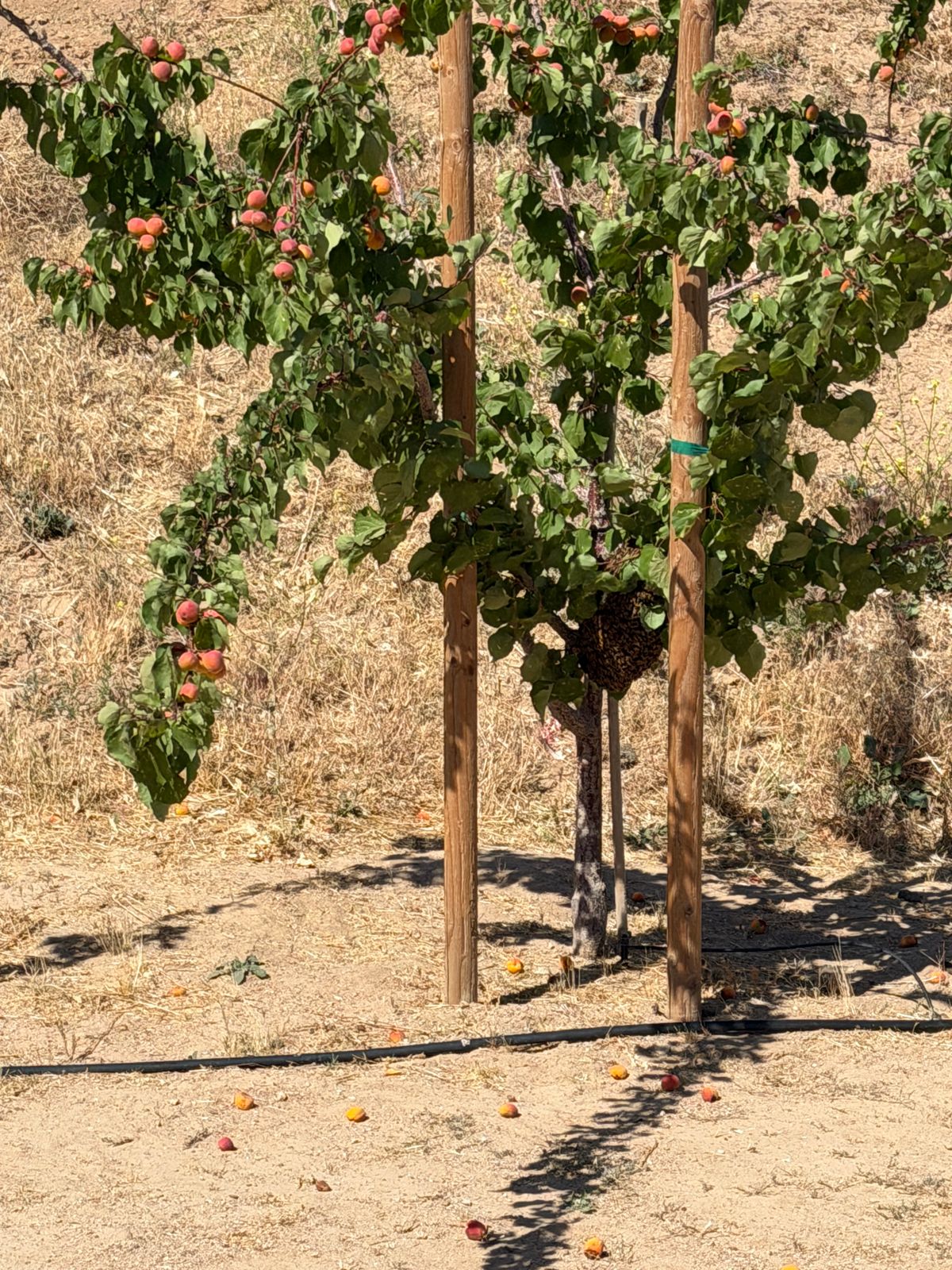
A Beekeeper's Guide to Swarm Collection in Idaho Spring has arrived in the Gem State, and with it, the unmistakable hum of honey bee swarms. For beekeepers, this is a...
Read More...May 18, 2026