
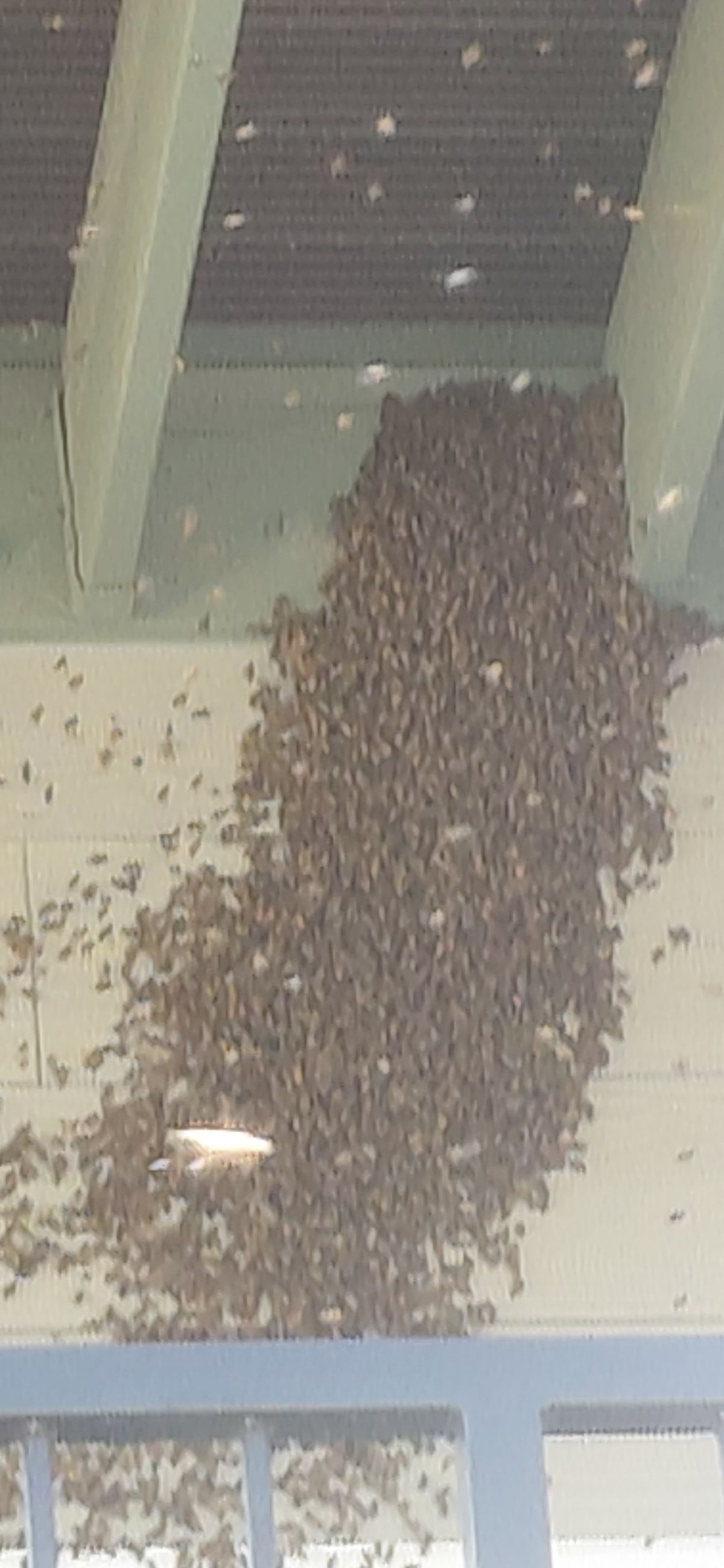
A Beekeeper's Guide to Swarm Season in California
California's Golden Opportunity: Harnessing the Spring Swarm For beekeepers across California, the arrival of spring signals more than just almond blossoms and wildflo...
Read More...May 18, 2026
Home > Blog > 5 Books on Swarm Behavior Every Beekeeper Should Read
January 17, 2026

Swarming is one of the most fascinating and complex behaviors in the world of beekeeping. Understanding why and how swarms happen is key to managing your hives effectively. Whether you're just starting out or are a seasoned beekeeper, these five books will give you deeper insights into swarm behavior, helping you better manage this natural phenomenon.
1. Honeybee Democracy by Thomas D. Seeley Order here. (opens in a new tab)
In Honeybee Democracy, Thomas D. Seeley masterfully explains how honeybee swarms make collective decisions when seeking new homes. Seeley’s research reveals that decision-making within swarms mirrors democratic processes, with scout bees evaluating potential new nest sites. According to Seeley, scouts advocate for their chosen site by performing waggle dances, with each dance reflecting the quality of the site. The swarm only makes a decision once a quorum of about 15 scouts have settled on the same site, ensuring that the best possible location is chosen for the colony.
Key Takeaways:
2. At the Hive Entrance by H. Storch Order here. (opens in a new tab)
This book, originally published as Am Flugloch, offers practical advice for observing hive behavior without disturbing the bees. H. Storch details how a beekeeper can monitor the hive by observing the entrance, where a variety of signs can reveal the colony’s state of health and potential for swarming. Storch emphasizes the importance of timing in swarm prevention, noting that the behavior of bees at the entrance changes throughout the year. For example, an increase in flights during the spring, paired with the appearance of drones, often indicates the hive is preparing to swarm.
Key Takeaways:
3. The Buzz About Bees: Biology of a Superorganism by Jürgen Tautz Order here. (opens in a new tab)
Jürgen Tautz’s The Buzz About Bees offers an in-depth look into the honeybee colony as a superorganism, with particular emphasis on how swarming functions as part of the colony’s reproductive cycle. Tautz explains that swarming is not merely a disruption but a natural process of reproduction for honeybee colonies. The decision to swarm is driven by overcrowding and the presence of a mature queen ready to leave the hive. Worker bees prepare the queen for flight by reducing her weight, while scouts search for a new home. The colony’s survival depends on this coordinated effort.
Key Takeaways:
4. Lives of Bees: The Untold Story of the Honey Bee in the Wild by Thomas D. Seeley Order here. (opens in a new tab)
In Lives of Bees, Seeley expands on his research by exploring the behavior of wild honeybee colonies, contrasting it with managed hives. In the wild, bees swarm to reproduce and survive, following a natural cycle that ensures genetic diversity and colony strength. Seeley’s research shows that wild colonies, unlike managed hives, tend to swarm more frequently and at predictable intervals, providing valuable insights for beekeepers. His observations emphasize the importance of allowing bees to follow their natural instincts, even within managed hives.
Key Takeaways:
Order here. (opens in a new tab)
The Beekeeper's Bible covers a wide array of beekeeping topics, with practical sections devoted to swarm management. The book explains how beekeepers can prevent swarming through various methods such as splitting hives, removing queen cells, or adding extra space. It also provides an overview of the lifecycle of a bee, helping readers understand the timing of swarming within the broader context of hive management.
Key Takeaways:
Conclusion
Swarming is an intricate and essential aspect of honeybee behavior, and understanding it is crucial for successful beekeeping. These five books provide diverse perspectives on swarm behavior—from the scientific principles behind collective decision-making to practical, hands-on advice for managing hives. Whether you're observing from the outside or delving deep into the biology of bees, these resources will improve your beekeeping practice.
To be notified of bee swarms in your area visit beeswarmed.org (opens in a new tab) to sign up.
California's Golden Opportunity: Harnessing the Spring Swarm For beekeepers across California, the arrival of spring signals more than just almond blossoms and wildflo...
Read More...May 18, 2026
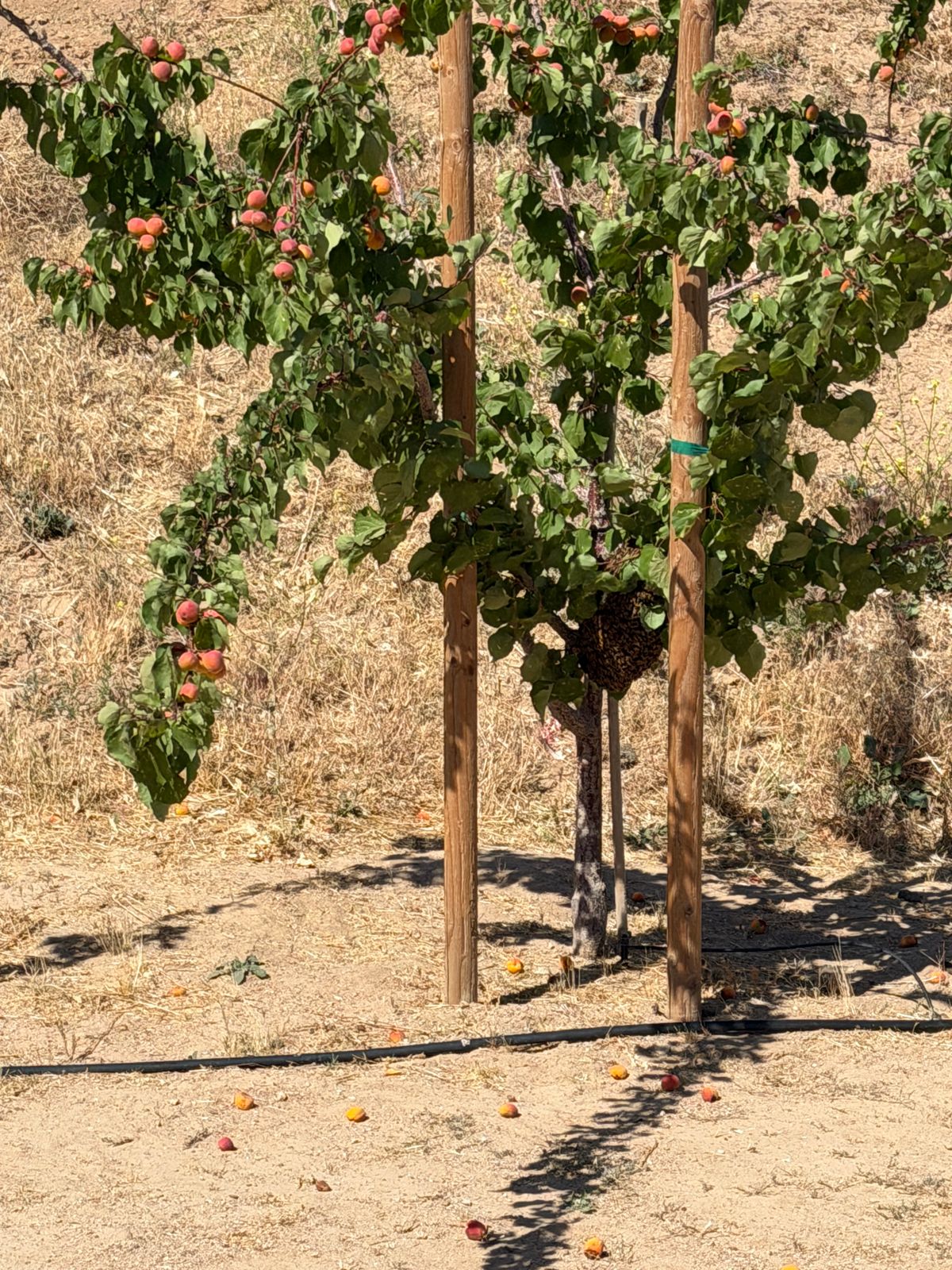
A Beekeeper's Guide to Swarm Collection in Idaho Spring has arrived in the Gem State, and with it, the unmistakable hum of honey bee swarms. For beekeepers, this is a...
Read More...May 18, 2026