
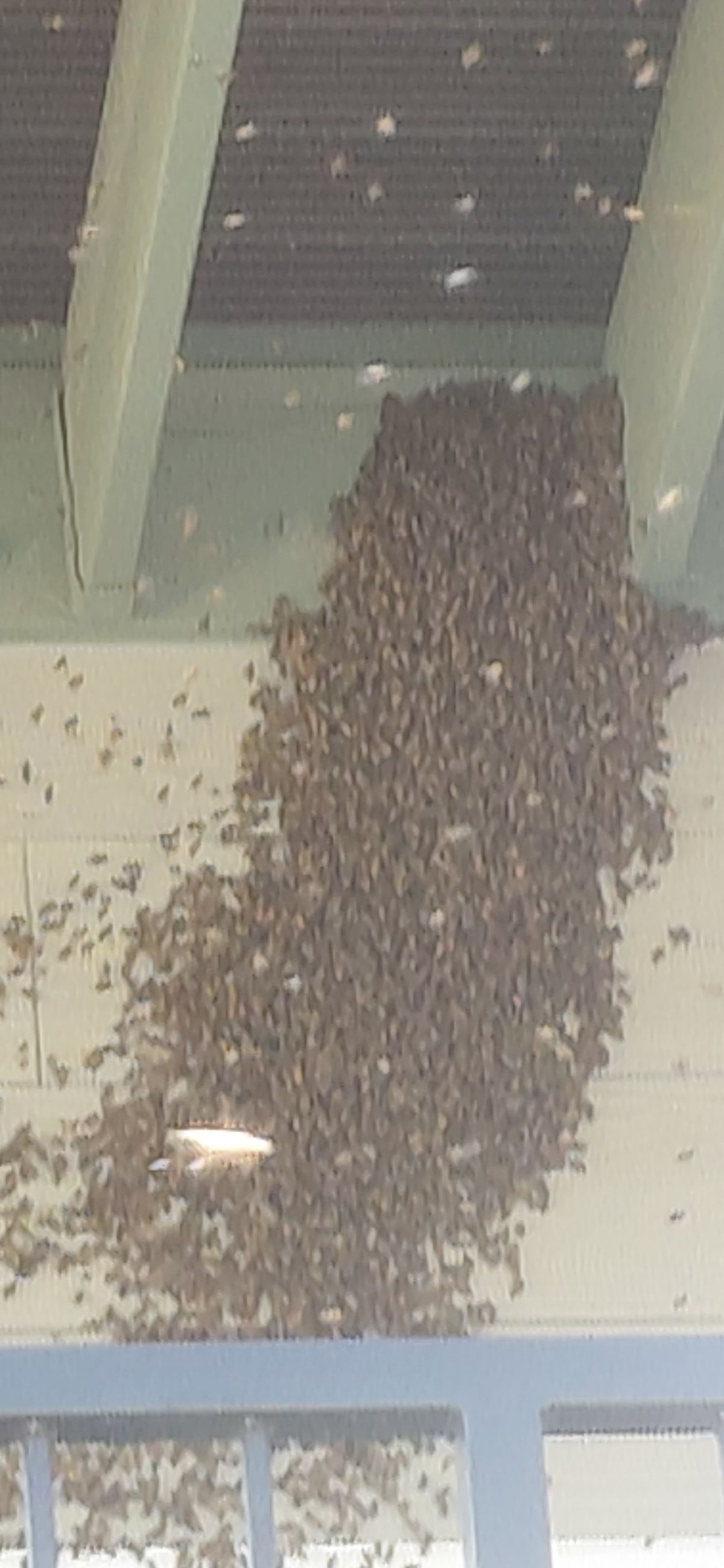
A Beekeeper's Guide to Swarm Season in California
California's Golden Opportunity: Harnessing the Spring Swarm For beekeepers across California, the arrival of spring signals more than just almond blossoms and wildflo...
Read More...May 18, 2026
Home > Blog > Queen Bees and Swarming: Role of the Queen Bee in Swarming
January 17, 2026

Introduction: What is Swarming?
Swarming is one of nature’s most fascinating ways of ensuring the survival and spread of honeybee colonies. At the center of this phenomenon lies the queen bee, whose biology and behavior drive the entire process. But what exactly does she do? In this article, we’ll explore the unique relationship between the queen bee and swarming while providing in-depth insights for beekeepers on managing this natural occurrence.
The Queen’s Biological Role in Swarming
Why the Queen Initiates Swarming: The queen bee's primary responsibility is egg-laying, ensuring the colony's growth. However, as the hive becomes overcrowded, she releases pheromones that signal the colony to prepare for swarming. Swarming is not a sign of failure but a sign of a healthy, reproducing colony.
Pheromones and Communication: Queen pheromones are critical to colony cohesion. When swarming preparations begin, workers build queen cells, and the pheromone levels can affect the timing of the swarm. Understanding how the queen uses pheromones to influence the colony’s behavior is key for beekeepers managing swarm risk.
How Swarming Happens: The Queen’s Role in the Process
Preparing for the Split: When swarming is imminent, workers reduce the queen’s food intake to slim her down, preparing her for flight. The colony simultaneously begins rearing new queens to take over the original hive.
Leaving the Hive: The queen leaves the hive with a large portion of the workers, typically when the weather is ideal and resources are abundant. The swarm forms a temporary cluster, often on a tree branch, while scout bees search for a new home.
Advanced Beekeeping: Methods for Preventing Swarming
Requeening with Young Queens: Beekeepers often replace older queens with younger, more productive queens as older queens are more likely to trigger swarming behavior. Requeening in the late fall or early spring helps delay the colony's swarming urges. By introducing a vigorous, mated queen, the bees focus on hive growth rather than reproduction via swarming.
Using Specific Queen Stock: Some bee strains have been bred for reduced swarming tendencies. Beekeepers can choose queen lines known for less aggressive swarming behavior, such as Carniolan or Buckfast bees, which may help mitigate the risk of swarming.
Simulating a Swarm: One of the most effective methods of controlling swarming is splitting a strong hive before the bees begin swarm preparations. This involves moving frames with brood, honey, and some bees into a new hive, giving the colony the illusion of having swarmed. This method also helps prevent overcrowding, which is a key trigger for swarming.
Nucleus Hives: Another effective method is to create a nucleus colony (or "nuc") by removing several frames of bees, brood, and the old queen and transferring them to a smaller hive box. This reduces the population of the main hive and encourages colony expansion in a controlled manner.
Expanding Hive Capacity: Beekeepers can add supers (additional hive boxes) to give the colony more space. Overcrowding in the brood nest is a significant trigger for swarming, so ensuring the bees have room to grow can delay or prevent the urge to swarm.
Checkerboarding: This involves alternating empty frames with frames full of honey or brood in the brood chamber to break up congestion. By creating more space and forcing the bees to build comb and reorganize, you can suppress swarming impulses.
The Importance of Queen Pheromones During Swarming
Maintaining Order in the Swarm: Queen pheromones ensure that the swarm remains cohesive during its search for a new home. The scent of the queen keeps the workers united around her while scout bees look for suitable locations.
Managing Swarms with Pheromone Traps: Some beekeepers use synthetic queen pheromones in swarm traps to attract and capture swarms. This can be an effective method to prevent the loss of a swarm and maintain control over your bees.
Swarming as a Reproductive Strategy
Swarming allows bees to reproduce and spread to new areas, ensuring the survival of the species. It also helps alleviate congestion in the original hive. For the beekeeper, managing swarming can be challenging, but it is a natural part of a thriving colony. Techniques like requeening, hive splitting, and managing hive space give beekeepers greater control over this process.
What Beekeepers Should Know About Swarming and the Queen
Monitoring Queen Cells: The appearance of queen cells is a clear sign that swarming preparations have begun. Beekeepers should inspect their hives regularly during swarming season, usually in the spring, to spot these early indicators and take preventative action.
Using Swarm Traps: Swarm traps can be placed in and around your apiary to catch swarming bees before they leave your property. These traps are often baited with attractants, such as lemongrass oil, which mimics queen pheromones. Capturing the swarm can prevent the loss of valuable bees and reduce the chances of them settling in unwanted locations.
Clipping and Marking Queens: Some beekeepers choose to clip one of the queen's wings to prevent her from flying during a swarm. While controversial, this method can sometimes stop the swarm from leaving the hive entirely. Additionally, marking queens with a dot of paint makes it easier to track the age of the queen and manage the hive more effectively.
FAQs About the Queen Bee and Swarming
The queen releases pheromones when the hive becomes crowded, triggering the swarm instinct among the workers. The colony prepares by building queen cells and reducing the queen's weight to make her capable of flight.
Yes, replacing an old queen with a young, productive queen can reduce the colony's desire to swarm. Regular requeening can keep the hive focused on growth rather than division.
Queen cells are large, peanut-shaped structures where new queens are raised. Their presence often signals that the colony is preparing to swarm or replace an aging or failing queen.
If you spot swarm cells, you can try splitting the hive to simulate swarming or remove the queen cells to delay swarming. However, removing queen cells alone may not always prevent the swarm, so hive management techniques like splitting or requeening may be necessary.
Final thoughts: The Queen’s Central Role in Colony Survival
The queen bee’s role in swarming is pivotal to the survival and expansion of honeybee colonies. Whether you're a new or experienced beekeeper, understanding how the queen influences swarming is key to effective hive management. By applying methods like requeening, hive splitting, and managing space, beekeepers can mitigate swarming risks and maintain healthy colonies.
At Swarmed, we assist both beekeepers and the public with swarm management. If you're dealing with a swarm or looking to be notified of local swarms, Swarmed connects you with the resources you need. Contact us today to report a swarm or join our network of beekeepers at beeswarmed.org
California's Golden Opportunity: Harnessing the Spring Swarm For beekeepers across California, the arrival of spring signals more than just almond blossoms and wildflo...
Read More...May 18, 2026
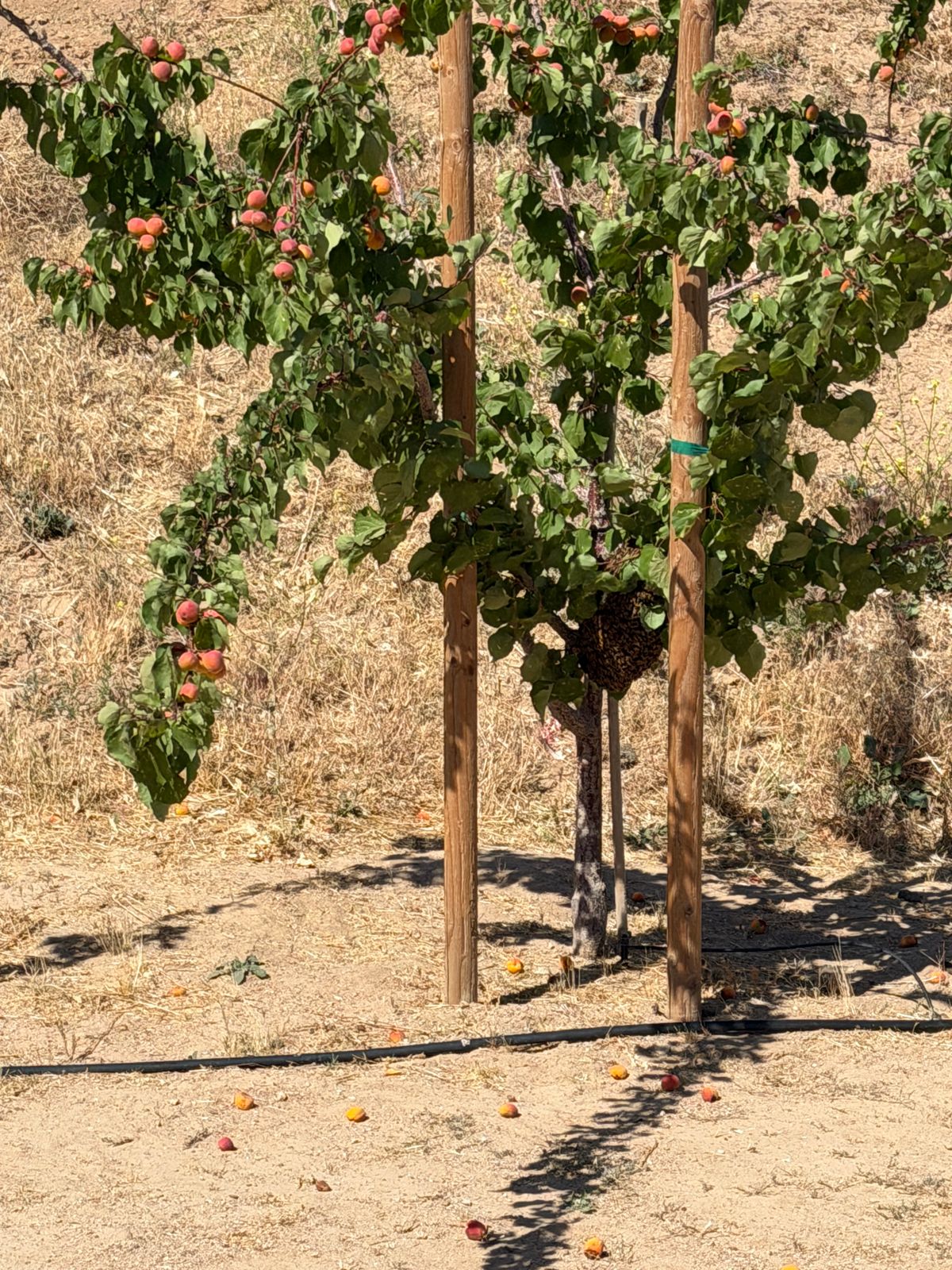
A Beekeeper's Guide to Swarm Collection in Idaho Spring has arrived in the Gem State, and with it, the unmistakable hum of honey bee swarms. For beekeepers, this is a...
Read More...May 18, 2026