
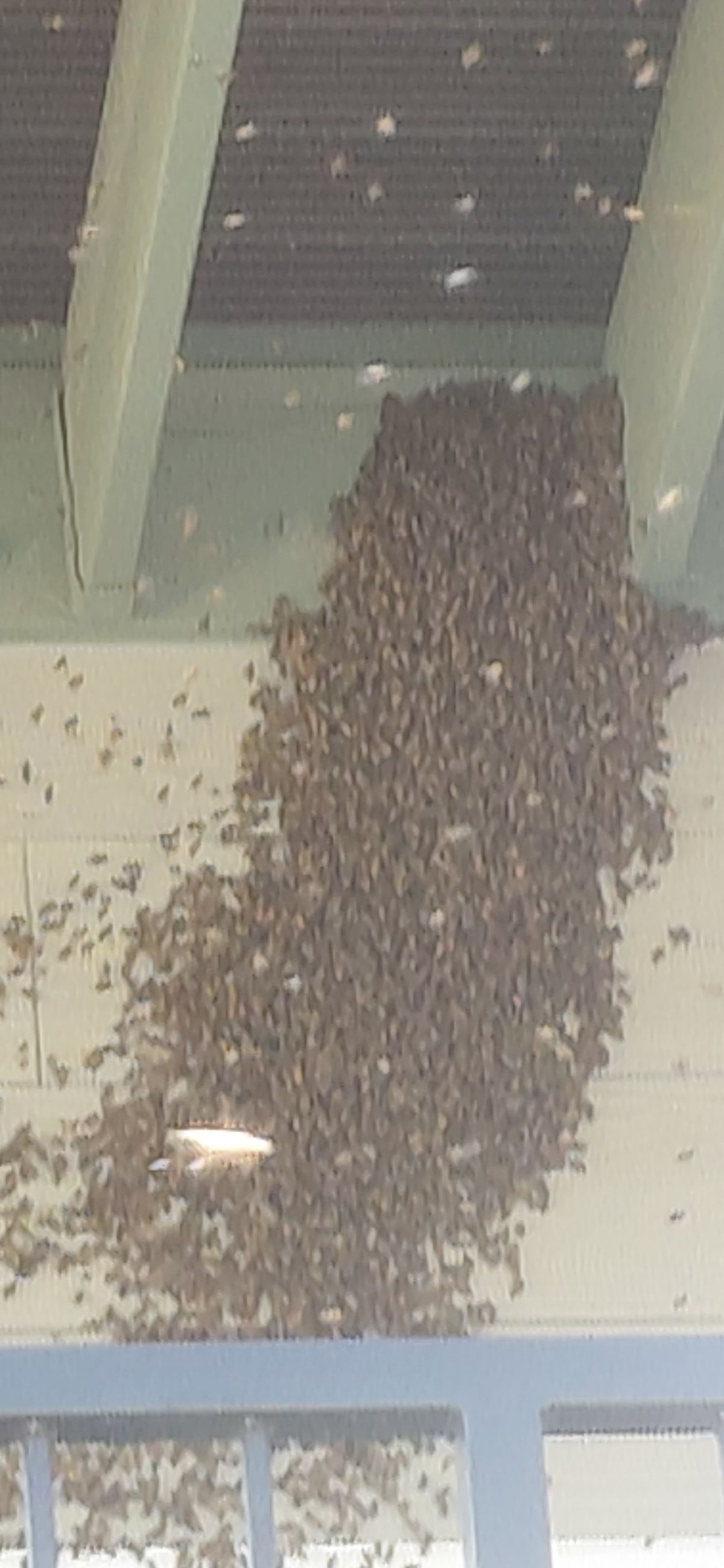
A Beekeeper's Guide to Swarm Season in California
California's Golden Opportunity: Harnessing the Spring Swarm For beekeepers across California, the arrival of spring signals more than just almond blossoms and wildflo...
Read More...May 18, 2026
Home > Blog > The Queen's Journey: Why Honey Bees Swarm and How You Can Help
May 14, 2026
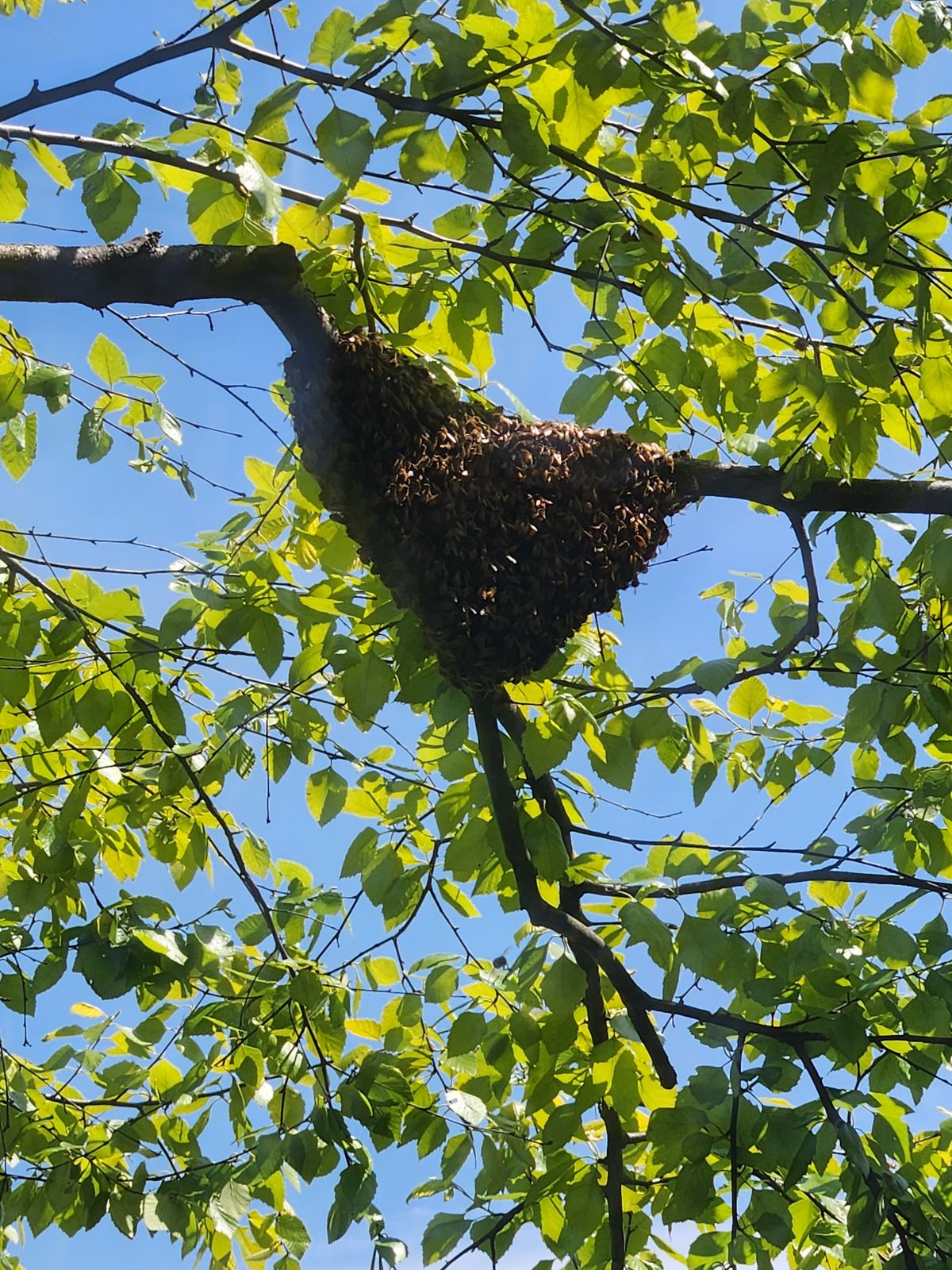
During the peak of spring, the sight of a large, buzzing cluster of honey bees clinging to a tree branch or fence post can be an unexpected and sometimes alarming experience. This event, known as swarming, is not a sign of aggression but rather a natural and essential part of the honey bee life cycle. It is the colony's method of reproduction, a process orchestrated almost entirely by one pivotal figure: the queen bee.
Understanding the queen's role transforms our perception of a swarm from a potential threat into a fascinating biological marvel. It also highlights a critical opportunity for the public to assist these vital pollinators during a vulnerable stage of their existence.
A honey bee swarm is a temporary, transient group of bees in the process of relocating. It comprises a single queen and a significant portion of the worker bees from her original hive, often numbering between 10,000 and 30,000 individuals. This group has left its established home to create a new colony elsewhere.
One of the most important things to know about a swarm is that the bees are typically at their most docile. Before leaving the hive, each bee engorges itself on honey, packing enough fuel for the journey. With no home, no baby bees (brood), and no honey stores to defend, their focus is solely on finding a new place to live. This temporary cluster usually remains in one spot for only 24 to 72 hours while scout bees search for a suitable permanent home.
The decision to swarm begins deep within a thriving, populous hive. As the colony grows and space becomes limited, the bees receive signals that it's time to divide. The queen bee is central to this entire process.
While the swarm waits, scout bees explore the surrounding area for a new, permanent cavity. They return to the cluster and perform complex 'dances' to communicate the location and quality of potential new homes. Once a consensus is reached, the entire swarm takes flight and moves to its chosen destination.
It is essential to understand the difference between a swarm and an established colony, as how you respond to each is very different.
By reporting a swarm as soon as you see it, you help prevent it from becoming a more complicated and costly established colony in an undesirable location.
A swarm is at a delicate point in its life. If it cannot find a suitable home, or if it is destroyed, an entire colony is lost. You can play a direct role in protecting honey bees and supporting local agriculture. When you report a swarm, you connect these bees with a local beekeeper who can provide them with a safe, managed hive where they can thrive and continue their essential work of pollination.
This community effort makes a real impact. In states like Nevada, for instance, beekeepers on the Swarmed network were able to respond to alerts for over 100 swarms, giving each one a chance at survival. Your single report contributes to this larger effort.
The most helpful action you can take is to keep a safe distance and report what you see. Do not spray the bees with water or pesticides. A quick report is all it takes to turn a potentially risky situation for the bees into a success story.
Now that you understand the queen's role in this incredible natural journey, you can appreciate a bee swarm for what it is: a colony in transition, seeking a fresh start. By acting quickly and responsibly, you become a key partner in their survival.
If you see a cluster of bees, the best thing you can do for them and for your community is to report it. Using a dedicated service ensures the report goes directly to nearby, available beekeepers. Please help protect these amazing pollinators by providing them a bridge to a safe new home. Your report can be the difference between a colony that perishes and one that thrives. Report a bee swarm here (opens in a new tab) and connect them with a local beekeeper who is ready to help.
California's Golden Opportunity: Harnessing the Spring Swarm For beekeepers across California, the arrival of spring signals more than just almond blossoms and wildflo...
Read More...May 18, 2026
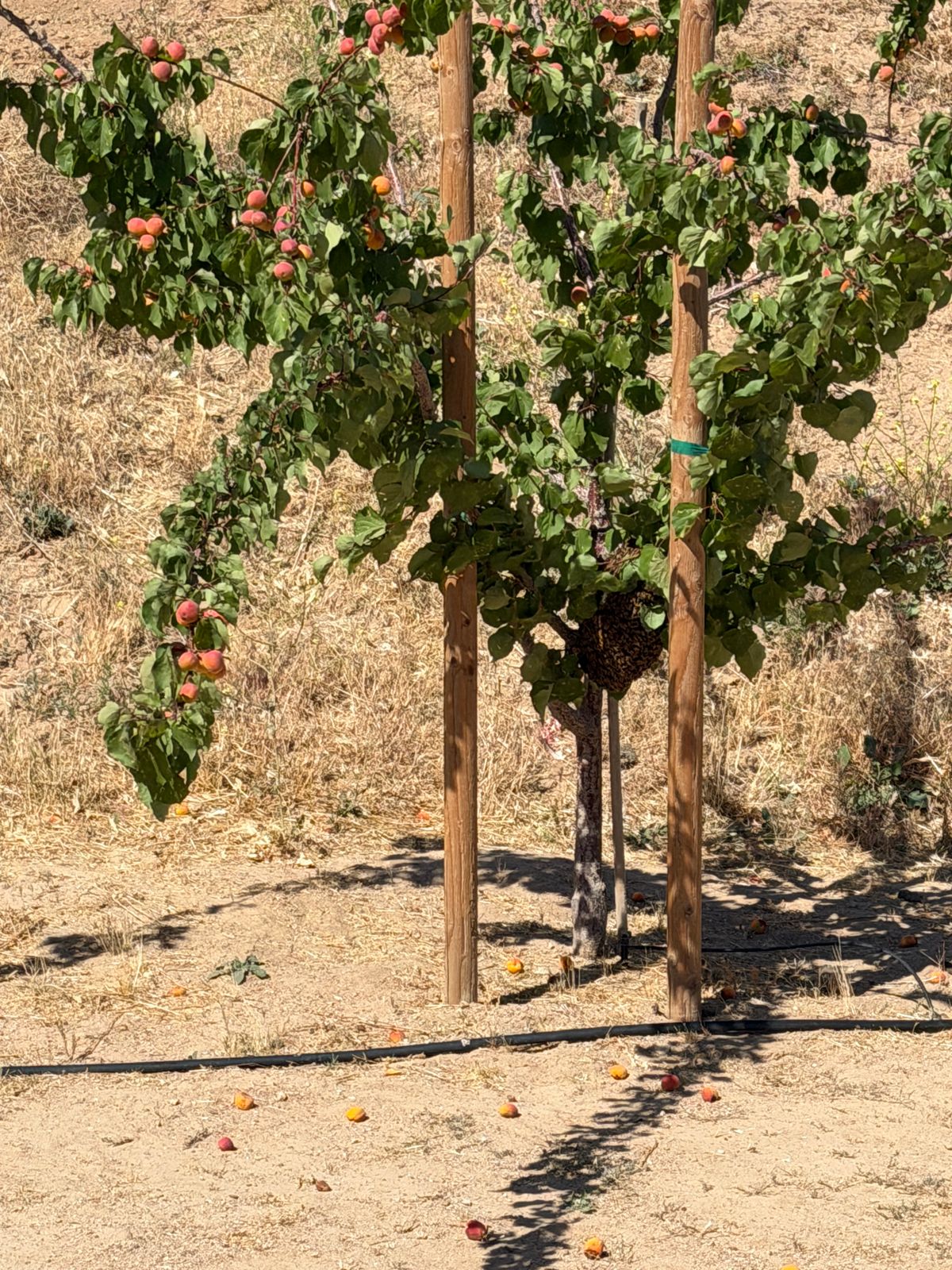
A Beekeeper's Guide to Swarm Collection in Idaho Spring has arrived in the Gem State, and with it, the unmistakable hum of honey bee swarms. For beekeepers, this is a...
Read More...May 18, 2026