
Home > Blog > Swarm Management Techniques for Urban Beekeepers | Swarmed

Swarm Management Techniques for Urban Beekeepers | Swarmed

January 17, 2026

Swarm Management Techniques for Urban Beekeepers | Swarmed

[h2][b]Introduction: The Challenge of Swarming in Urban Areas[/b][/h2]

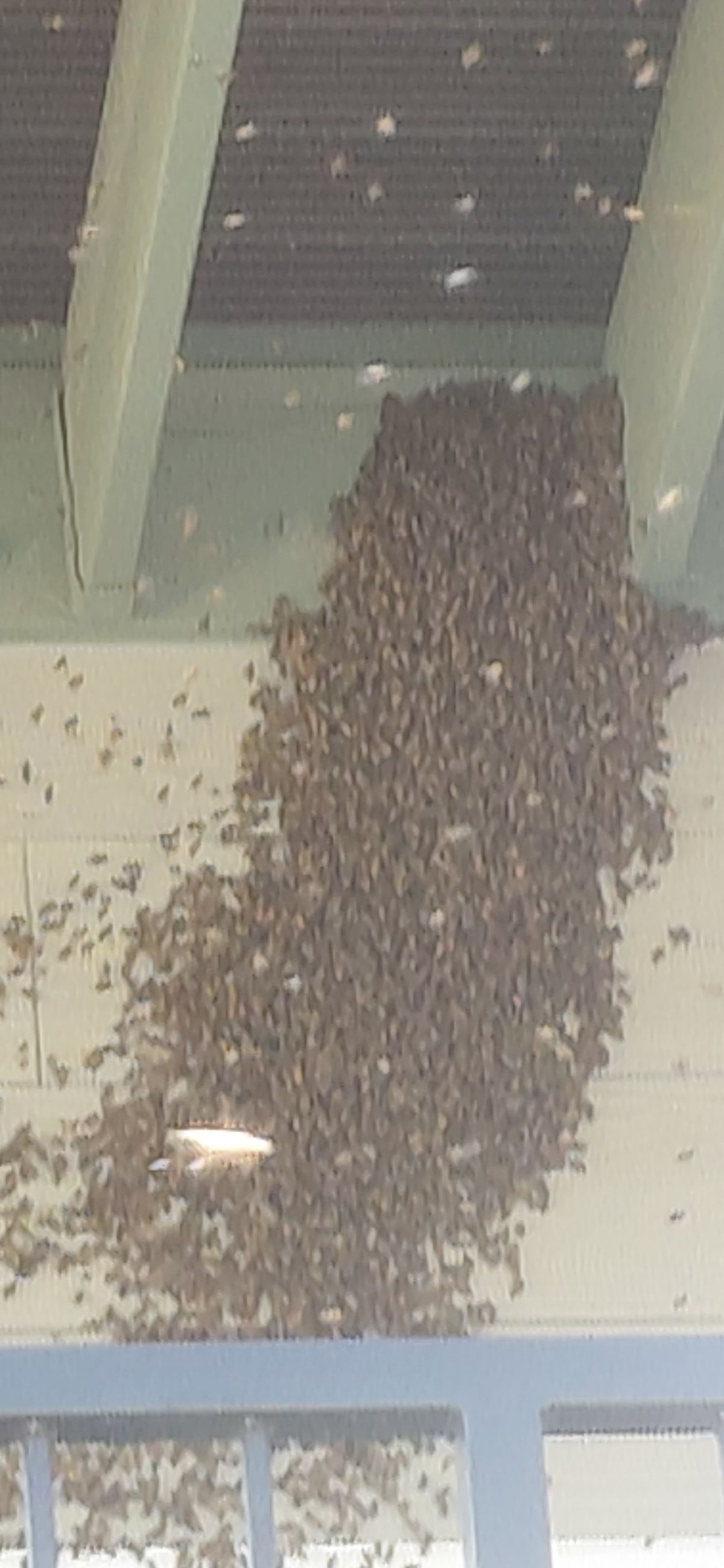
Urban beekeeping has been booming in recent years, bringing the joy of beekeeping into cities while supporting local ecosystems. However, swarming presents a unique challenge in urban environments, where limited space and close proximity to neighbors make swarm management crucial. The last thing any urban beekeeper wants is for a swarm to end up on a busy street or in a neighbor’s yard, causing concern or panic.

In this post, we’ll cover effective swarm management techniques that work well for city beekeepers, helping you keep your bees safe and swarms under control.

[h2][b]Swarm Management Techniques for Urban Beekeepers[/b][/h2]

[b]1. Requeening to Delay Swarming[/b]

One of the best methods to prevent swarming is to requeen your hive regularly. Older queens are more likely to initiate swarming, so replacing them with young, vigorous queens reduces the colony’s drive to swarm.

  • When to Requeen: The ideal time for requeening is in late fall or early spring before swarming season begins. By introducing a young queen, you can maintain the colony's focus on growth rather than division.
  • Choosing a Swarm-Resistant Strain: Consider using queens from bee strains that are less prone to swarming, such as Buckfast or Carniolan bees, which are known for their calmer temperament and lower swarming tendencies.

[b]2. Hive Splitting (Artificial Swarming)[/b]

Hive splitting is an effective way to mimic the natural swarming process while retaining control over the outcome. By dividing a strong hive, you prevent overcrowding, which is one of the main triggers for swarming.

  • How to Split a Hive: Remove a portion of the brood, workers, and the old queen to create a new colony. This reduces the population in the original hive and creates a new, controlled colony without the risk of a natural swarm.
  • Nucleus Hives: If space allows, you can create a nucleus colony (nuc), which is a smaller hive that can serve as a backup or be transferred to a new location. Nucs are an excellent option for urban beekeepers with limited space, offering flexibility and control.

[b]3. Monitoring Hive Congestion[/b]

Congestion within the hive is a key trigger for swarming. In urban areas where space is tight, keeping a close eye on hive congestion is critical to preventing swarms.

  • Regular Inspections: Frequent inspections during the swarming season (spring and early summer) are essential. Look for signs of overcrowding, such as bees clustering outside the hive or building queen cells. Adding extra hive boxes (supers) can give your colony more space to grow and reduce their desire to swarm.
  • Checkerboarding: This technique involves alternating empty frames with frames full of honey or brood, disrupting the congestion and encouraging the bees to build more comb. By giving the bees the impression that there is more space, you can suppress the urge to swarm.

[b]4. Swarm Traps and Bait Hives[/b]

Even with the best management practices, swarms can still happen. Swarm traps and bait hives can help you manage swarms by providing a controlled environment for your bees to settle.

  • Swarm Traps: Place traps around your apiary or in nearby areas to attract swarming bees. Bait these traps with pheromones or lemongrass oil, which mimic the scent of a queen and encourage the swarm to settle in the trap rather than a public or inconvenient location. We recommend using [color=rgb(0, 102, 204)][url=https://amzn.to/4dtQKh4]Swarm Commander[/url][/color] as a lure and setting up an [color=rgb(0, 102, 204)][url=https://amzn.to/3X9VSRG]Interceptor Swarm Trap[/url][/color].
  • Bait Hives: Like swarm traps, bait hives provide an attractive alternative for swarming bees. These hives should be placed in quiet, less-trafficked areas to lure swarms away from busy streets or neighbors' yards.

[b]5. Managing Queen Cells[/b]

Queen cells are a sign that your colony is preparing to swarm. During regular inspections, pay close attention to any queen cells, particularly swarm cells.

  • Remove or Relocate Queen Cells: If you notice queen cells, you can either remove them or use them to split the hive. Removing queen cells can sometimes delay swarming, but if the colony is already overcrowded or other factors are present, splitting the hive may be the better option.

[h2][b]Special Considerations for Urban Beekeepers[/b][/h2]

Urban beekeepers face unique challenges that make swarm prevention even more critical. Here are a few additional tips to consider:

  • Know Your Local Regulations: Many cities have specific regulations about beekeeping, including rules regarding hive placement and swarm management. Be sure to familiarize yourself with these rules to avoid potential issues.
  • Keep Your Neighbors Informed: Open communication with your neighbors about your bees and the steps you’re taking to prevent swarms can ease concerns. Let them know that your bees are being responsibly managed, and assure them that swarming is a natural process that you’re prepared to handle.
  • Have a Swarm Plan Ready: Even with all precautions, swarms can still happen. Have a plan in place for safely capturing and relocating a swarm, whether it’s contacting a local beekeeping association or using Swarmed’s network of beekeepers.

[h2][b]Conclusion: Managing Swarms Responsibly in the City[/b][/h2]

Swarm management in an urban environment may seem daunting, but with the right techniques and careful planning, it’s entirely manageable. By requeening regularly, splitting hives, and monitoring congestion, urban beekeepers can minimize the risk of swarming and keep their colonies safe and productive.

At Swarmed, we connect urban beekeepers with resources to manage swarms effectively. If you need help with a swarm or want to join our network, visit beeswarmed.org

Related posts:

Why Mississippi Needs Beekeepers

Why Mississippi Needs Beekeepers

April in Mississippi signals the vibrant arrival of spring, and with it, the peak of honey bee swarm season. For beekeepers across the state, this is a prime opportuni...

Read More...

April 28, 2026