
A Beekeeper's Guide to Swarm Season in California
California's Golden Opportunity: Harnessing the Spring Swarm For beekeepers across California, the arrival of spring signals more than just almond blossoms and wildflo...
Read More...May 18, 2026
Home > Blog > How to Safely Report and Handle a Bee Swarm | Swarmed
January 17, 2026

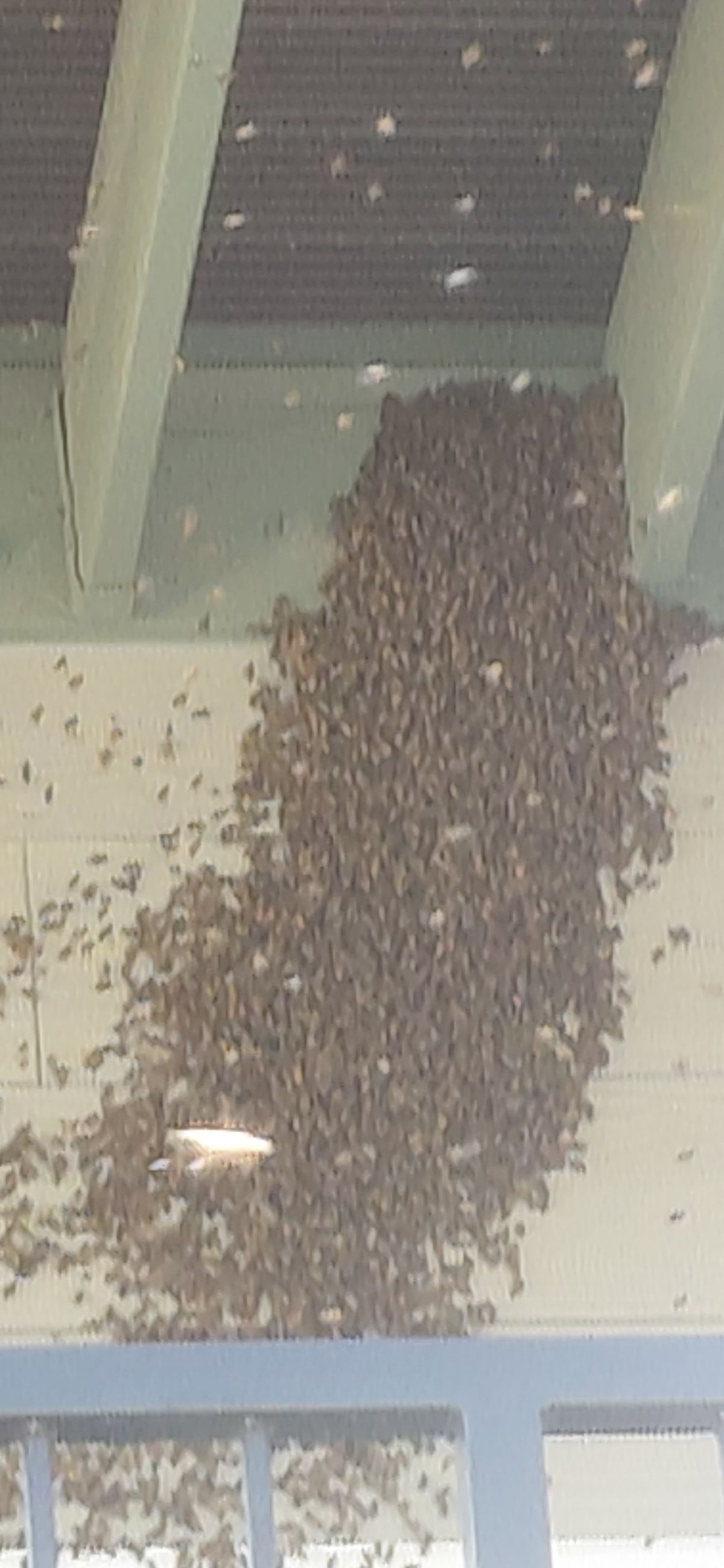
Encountering a bee swarm can be an intimidating experience, especially if you are not familiar with these fascinating creatures. However, understanding what to do when you spot a swarm can help ensure both your safety and the well-being of the bees. This guide will provide you with clear steps to take when you come across a bee swarm and how to safely report it using Swarmed (opens in a new tab).
Step 1: Stay Calm and Observe
First and foremost, stay calm. Bees in a swarm are typically docile as they are not protecting a hive with honey and brood. They’re simply looking for a new home. Take a moment to observe from a safe distance (about 10-15 feet away). Notice the size of the swarm and their behavior. If the bees are flying in a cluster and relatively calm, it’s a good sign that they are just resting while scout bees look for a new nesting site.
Step 2: Do Not Disturb the Bees
It’s important not to disturb the bees. Avoid loud noises, sudden movements, or attempting to spray them with water or insecticide. Disturbing the swarm can make the bees agitated and more likely to sting. Remember, they are not interested in attacking you; they are just looking for a new home.
Step 3: Identify the Swarm
If you can, take note of where the swarm is located and how accessible it is. Is it high up in a tree, on a fence, or near a building? This information will be helpful when you report the swarm. Also, try to estimate the size of the swarm. Is it as big as a football, a basketball, or even larger?
It’s important to distinguish between a bee swarm and a colony of bees that has established itself in a specific space.
Knowing the difference helps in understanding the urgency and approach needed. Swarms are temporary and usually easy to relocate, while established colonies require careful and often professional intervention. Ensure you are aware of any regulations or permits required in your area to avoid legal issues and ensure the safe and ethical treatment of bees.
Step 4: Report the Swarm on Swarmed
Now that you have observed and identified the swarm, it’s time to report it. Swarmed makes this process simple and efficient. Here’s how you can do it:
Step 5: Wait for a Beekeeper to Arrive
After reporting the swarm, a local beekeeper will typically reach out to you and arrange a time to come and collect the swarm. Beekeepers are skilled at safely capturing and relocating bee swarms. They usually bring specialized equipment like a bee box, a brush, and sometimes a ladder if the swarm is high up.
Why Saving Bee Swarms is Important
Honey bees are crucial pollinators in our ecosystem, playing a significant role in the production of fruits, vegetables, and flowers. By safely reporting and saving bee swarms, you are contributing to the health of the environment and supporting local agriculture.
Encountering a bee swarm doesn’t have to be a scary experience. By staying calm, observing from a distance, and using Swarmed to report the swarm, you can ensure the safety of both yourself and the bees. Remember, bee swarms are a natural and important part of a honey bee colony's lifecycle. Your quick and safe reporting helps protect these vital pollinators.
For more information or to report a swarm, visit beeswarmed.org (opens in a new tab)
Happy beekeeping!
California's Golden Opportunity: Harnessing the Spring Swarm For beekeepers across California, the arrival of spring signals more than just almond blossoms and wildflo...
Read More...May 18, 2026

A Beekeeper's Guide to Swarm Collection in Idaho Spring has arrived in the Gem State, and with it, the unmistakable hum of honey bee swarms. For beekeepers, this is a...
Read More...May 18, 2026