
A Beekeeper's Guide to Swarm Season in California
California's Golden Opportunity: Harnessing the Spring Swarm For beekeepers across California, the arrival of spring signals more than just almond blossoms and wildflo...
Read More...May 18, 2026
Home > Blog > Rescue & Relocation: What Happens After a Bee Swarm Report
January 17, 2026

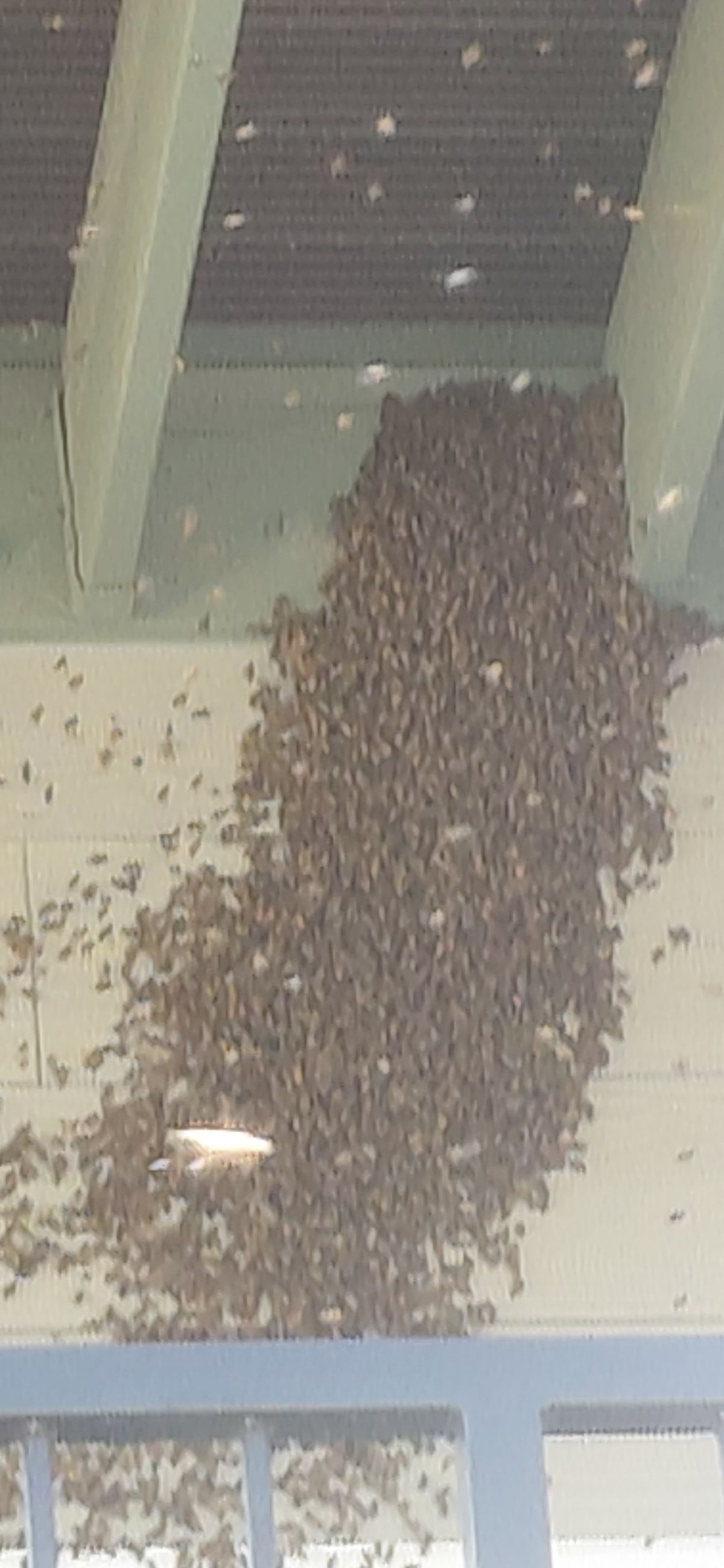
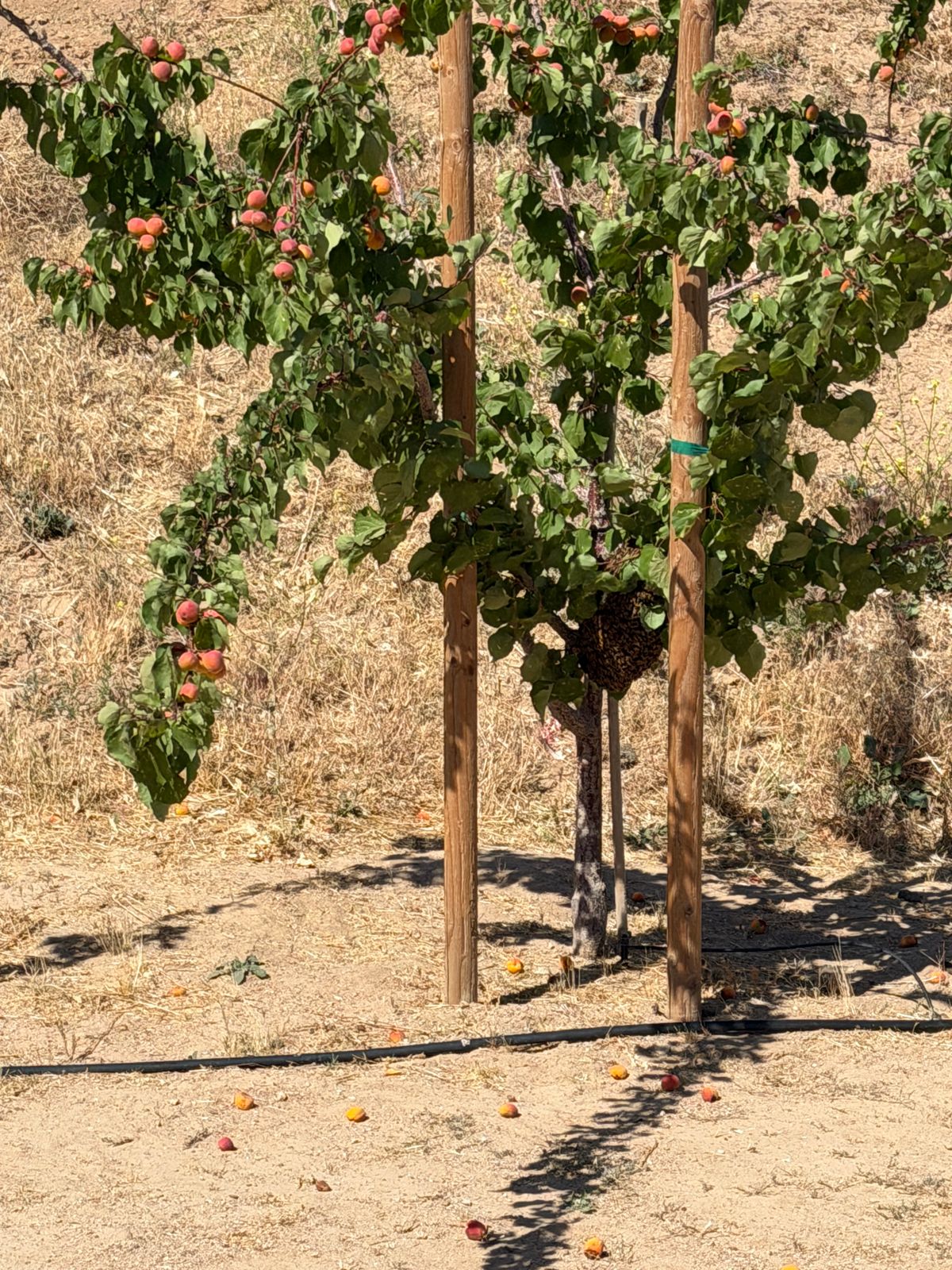
It’s a warm afternoon when you spot it—a thick cluster of bees hanging from a tree branch or perhaps clustered on a fence. The mass of bees moves and hums gently, a natural phenomenon that might seem daunting at first. But this isn’t cause for panic—it’s a bee swarm, nature’s way of allowing a colony to expand and create new homes. Your decision to report it marks the beginning of a process that ensures the safety of both the bees and the people nearby.
After you report the swarm (opens in a new tab), a beekeeper contacts you to plan the relocation. Beekeepers, both hobbyists and professionals, have a deep understanding of bee behavior and safety. Equipped with protective gear, a smoker, swarm boxes, and specialized tools, they arrive with one goal: to safely relocate the bees while minimizing stress to the colony.
The first step is assessment. The beekeeper carefully observes the swarm from a distance. Factors such as the swarm’s size, its location, and the accessibility of the area all play into their strategy. Is the swarm resting on a low-hanging branch, easy to reach, or has it settled high up on a structure, making access more challenging? If the swarm is on private property, the beekeeper may need to collaborate with the homeowner to ensure that the removal process is safe for everyone involved.
Beekeepers also evaluate the bees themselves. By observing the swarm’s behavior, they can gauge whether the colony is calm or more agitated. This informs their approach—whether they’ll proceed immediately or take extra precautions to ensure a smooth removal.
Once the beekeeper has completed their assessment, the next step is to calm the swarm. Despite the intimidating appearance of thousands of bees clustered together, swarming bees are typically non-aggressive. Without a hive to defend, their focus is solely on protecting their queen and finding a new home.
To manage the bees’ temperament, the beekeeper may use a smoker. The smoke mimics a forest fire, triggering a survival instinct in the bees to gorge on honey in preparation for evacuation. This makes them more docile and easier to handle. The smoker also masks alarm pheromones, preventing the bees from becoming defensive.
With the bees calm, the beekeeper moves closer. The goal is to locate and gently capture the queen, as her presence is the key to the success of the entire relocation. Often, the beekeeper will use a specialized swarm box—a container designed to safely house the bees during transit. If the swarm is on a branch, the beekeeper might gently shake the branch, causing the bees to drop into the box. For swarms in more awkward places, like a fence or the side of a building, the beekeeper may carefully scoop the bees by hand or use tools to guide them into the container.
The queen is the heart of the swarm. Once the queen enters the swarm box, the rest of the bees follow instinctively. It’s a crucial part of the process, as without the queen, the colony may not survive. Beekeepers are trained to identify the queen amid thousands of bees by her slightly larger size and different behavior. Capturing her ensures that the rest of the colony will settle down and follow her lead.
Beekeepers often leave the swarm box open for some time to allow stragglers to find their way in. The bees, drawn by the scent of their queen’s pheromones, naturally make their way into the box, ensuring that the entire colony is safely secured. Some beekeepers prefer to leave a swarm box in place until evening, when any bees out foraging will have returned to rejoin their colony in the box.
Once the bees are safely enclosed, the beekeeper transports the swarm to a new hive location. This is a carefully selected area, often on a beekeeper’s property or in an apiary where the bees will have access to ample forage and a safe environment. Beekeepers select sites that offer protection from extreme weather, proximity to water, and an abundance of flowering plants to support the bees’ needs for pollen and nectar.
At the new location, the bees are introduced to their new hive, which has been prepared in advance. The beekeeper will position the swarm box near the entrance of the hive and open it. The bees instinctively begin to explore their new surroundings, and soon enough, they start building combs, storing honey, and caring for their queen’s eggs.
The beekeeper continues to monitor the bees in the days following their relocation. This ongoing care is critical to ensuring the colony’s success. The beekeeper checks for signs that the bees are settling in, building their comb, and raising brood—essential steps in establishing a healthy, thriving colony.
Reporting a bee swarm is not just about ensuring your own safety—it’s a critical part of bee conservation. Swarms are bees in transition, and by helping them find a new home, you contribute to protecting local pollinator populations. Bees play a vital role in pollinating our crops and maintaining biodiversity, and swarming is their way of ensuring the growth and continuation of their species. By reporting swarms to beekeepers, rather than the exterminator, you ensure that the bees are able to survive and thrive in a new home.
For beekeepers, a swarm is also an opportunity. By rescuing and relocating swarms, they help maintain strong, healthy colonies, which in turn support agriculture and natural ecosystems.
Swarmed is a free community service for connecting with local beekeepers who specialize in the safe removal and relocation of bee swarms. If you encounter a swarm, report it on Swarmed (opens in a new tab) we will connect you with an experienced beekeeper to handle the situation with care. Our mission is to ensure that swarms are rescued, relocated, and given the opportunity to thrive.
California's Golden Opportunity: Harnessing the Spring Swarm For beekeepers across California, the arrival of spring signals more than just almond blossoms and wildflo...
Read More...May 18, 2026
A Beekeeper's Guide to Swarm Collection in Idaho Spring has arrived in the Gem State, and with it, the unmistakable hum of honey bee swarms. For beekeepers, this is a...
Read More...May 18, 2026