
A Beekeeper's Guide to Swarm Season in California
California's Golden Opportunity: Harnessing the Spring Swarm For beekeepers across California, the arrival of spring signals more than just almond blossoms and wildflo...
Read More...May 18, 2026
Home > Blog > The Importance of Reporting Bee Swarms in Urban Areas
January 17, 2026

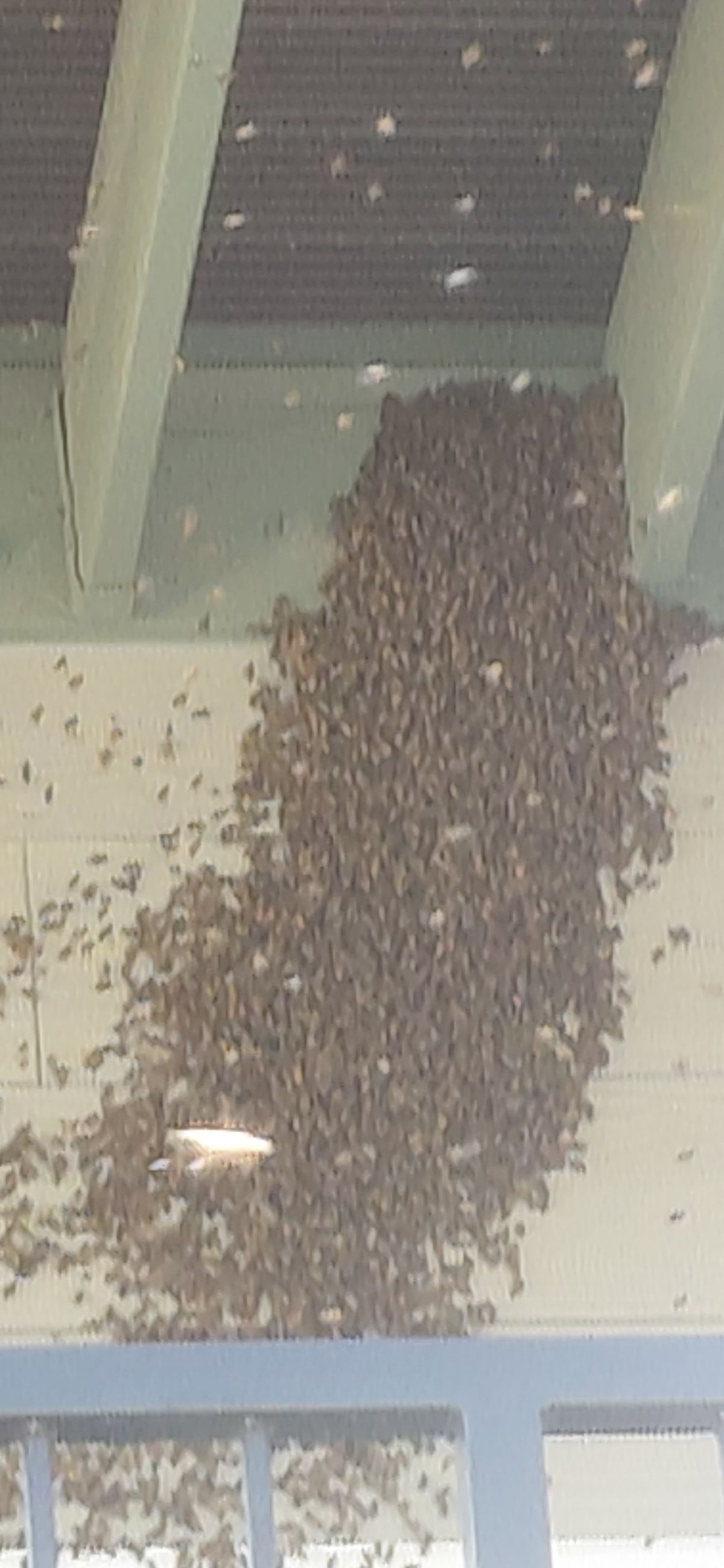
Bee swarms in urban areas can be both fascinating and concerning. While swarming is a natural behavior that allows bees to reproduce and establish new colonies, it can pose unique challenges in cities and suburban settings. Understanding why it's important to report these swarms quickly is essential for ensuring public safety and preventing costly removal efforts.
In urban environments, bee swarms often appear in unexpected places such as public parks, schools, playgrounds, and residential neighborhoods. While swarms are generally non-aggressive and temporary, they can become a nuisance or safety risk, especially if they settle in high-traffic areas or near homes and businesses.
1. Safety Concerns: While swarming bees are usually docile, their presence in busy areas can cause alarm among residents and pedestrians. People unfamiliar with bee behavior might perceive swarms as dangerous, leading to unnecessary panic.
2. Structural Invasion: If not promptly reported and managed, swarms may decide to settle inside building structures such as walls, attics, or chimneys. Once a swarm establishes a hive within a structure, removal becomes more complex and costly, potentially requiring professional pest control services.
3. Public Disruption: Swarms in urban areas can disrupt daily activities, causing schools or businesses to temporarily close or alter operations. Quick intervention can prevent such disruptions and ensure normalcy is maintained.
These examples demonstrate the potential disruption and hazards urban swarms can cause if not promptly addressed.
Why Reporting Quickly is Essential
Timely reporting of bee swarms allows for swift intervention by experienced beekeepers who can safely relocate the bees before they become a problem. Here’s why it matters:
How Swarmed Helps
Swarmed provides a platform for residents to report bee swarms quickly and efficiently. By connecting with local beekeepers through Swarmed, urban communities can ensure fast and bee-friendly swarm management. Here’s how Swarmed facilitates effective swarm handling:
To report a swarm or learn more about safe and sustainable swarm management, visit beeswarmed.org
California's Golden Opportunity: Harnessing the Spring Swarm For beekeepers across California, the arrival of spring signals more than just almond blossoms and wildflo...
Read More...May 18, 2026

A Beekeeper's Guide to Swarm Collection in Idaho Spring has arrived in the Gem State, and with it, the unmistakable hum of honey bee swarms. For beekeepers, this is a...
Read More...May 18, 2026