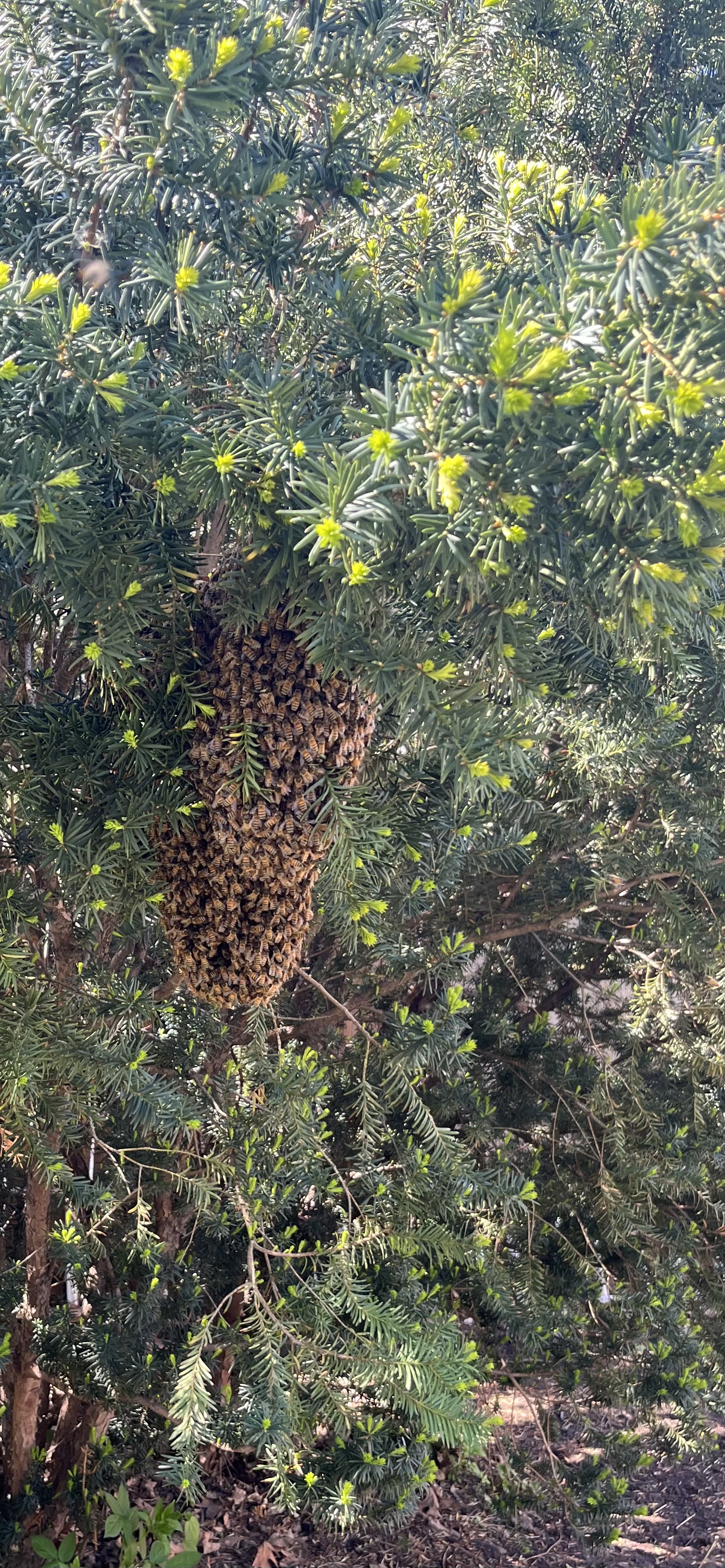
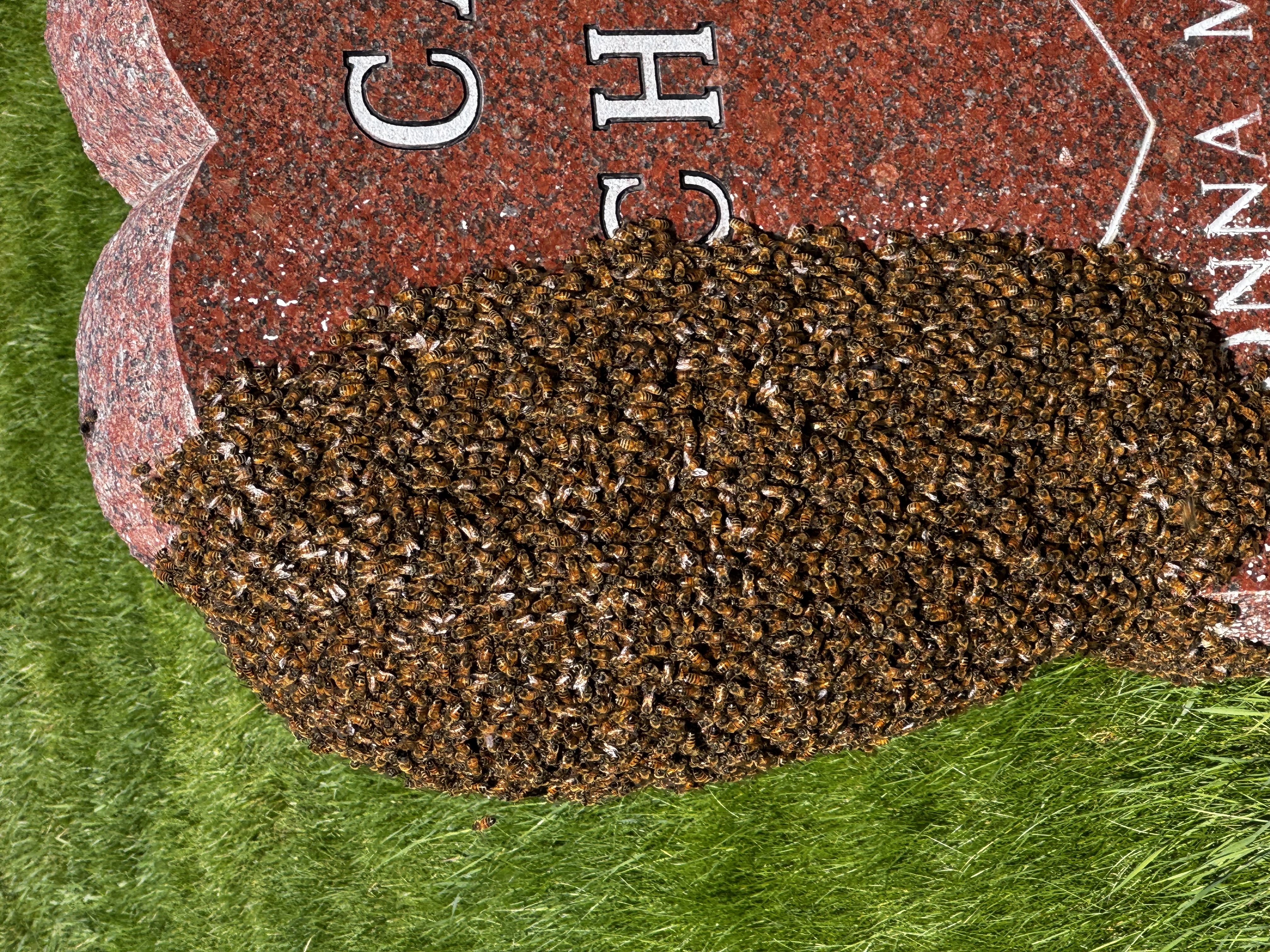
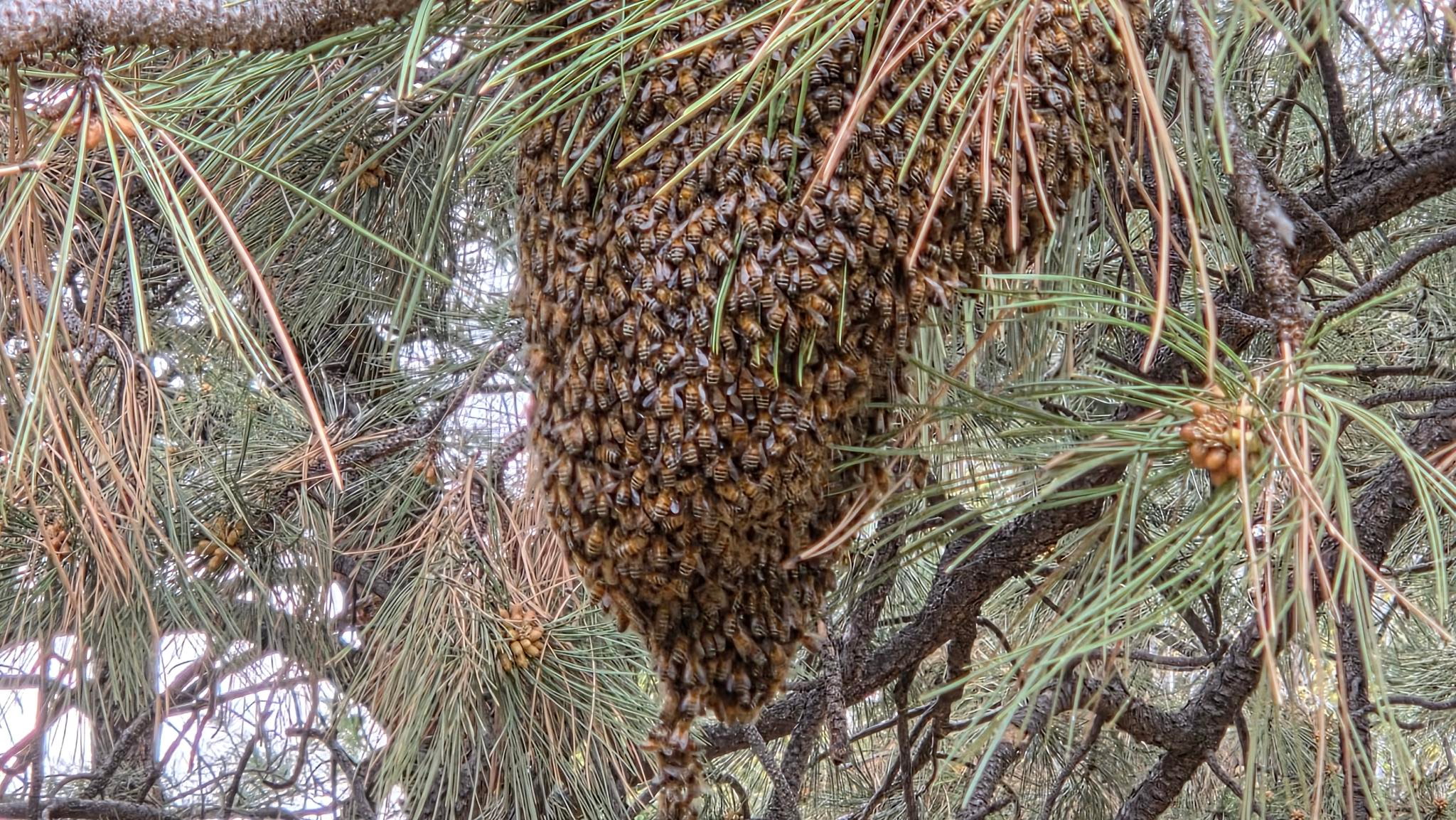
As May blossoms across the Northern Hemisphere, honey bee colonies are on the move. This is prime swarm season, a natural and vital process where a portion of a healthy colony leaves to establish a new home. While a temporary cluster of thousands of bees can seem alarming, these swarms are generally docile and represent a critical moment for bee conservation.
Swarm or Established Hive? Knowing the Difference is Key
It's important to understand the distinction between a honey bee swarm and an established colony:
- A Swarm: This is a transient cluster of bees, often found hanging from a tree branch, on a fence post, or even on the side of a building. These bees are in transit, engorged with honey, and typically not defensive because they have no home, brood, or food stores to protect. Local beekeepers are generally happy to rescue these swarms for free, as they are a valuable addition to an apiary.
- An Established Hive: This refers to bees that have already built comb inside a structure like a wall, roof, or shed. These bees are protecting their home, brood, and honey, and their removal (called a 'cutout') requires specialized skills, tools, and often carpentry work. This type of removal is a paid service, and beekeepers will provide a fair quote based on the complexity and any necessary repairs. Expect costs to range from $200-$800+ depending on the difficulty.
What to Do When You Find a Swarm
If you encounter a cluster of bees, the best action is to keep a safe distance—at least 10-15 feet—and ensure children and pets stay indoors. Never attempt to spray or disturb the swarm. Honey bees are crucial pollinators, supporting over $15 billion in U.S. crops annually, and their protection is paramount.
Instead of calling an exterminator, which costs money and needlessly kills these beneficial insects, report the swarm to local experts. Swarmed provides a free, easy-to-use platform that connects you directly with local beekeepers ready to rescue honey bee swarms. Across North America, including communities in states like Ohio, nearly 10,000 beekeepers are part of our network, dedicated to protecting these vital pollinators.
As Swarmed CEO, Alex Jones, explains, "Every swarm rescued is a victory for our ecosystems. We empower communities to make a direct impact on bee populations by connecting them with dedicated beekeepers, often at no cost to the property owner for a true swarm."
Report Your Swarm Today
Reporting a swarm on Swarmed is completely free for you. If you'd like to support the platform and help us keep connecting communities with local beekeepers, a suggested contribution of $12 goes a long way. Even if you're unsure whether the insects are honey bees or wasps, report them anyway – our AI helps identify what they are, and we'll connect you with the appropriate guidance.
Protect honey bees and support your local beekeeping community.
Report a Bee Swarm Now! (opens in a new tab)