
A Beekeeper's Guide to Swarm Season in California
California's Golden Opportunity: Harnessing the Spring Swarm For beekeepers across California, the arrival of spring signals more than just almond blossoms and wildflo...
Read More...May 18, 2026
Home > Blog > Arizona Beekeepers: May's Peak Swarm Season is Here
May 2, 2026
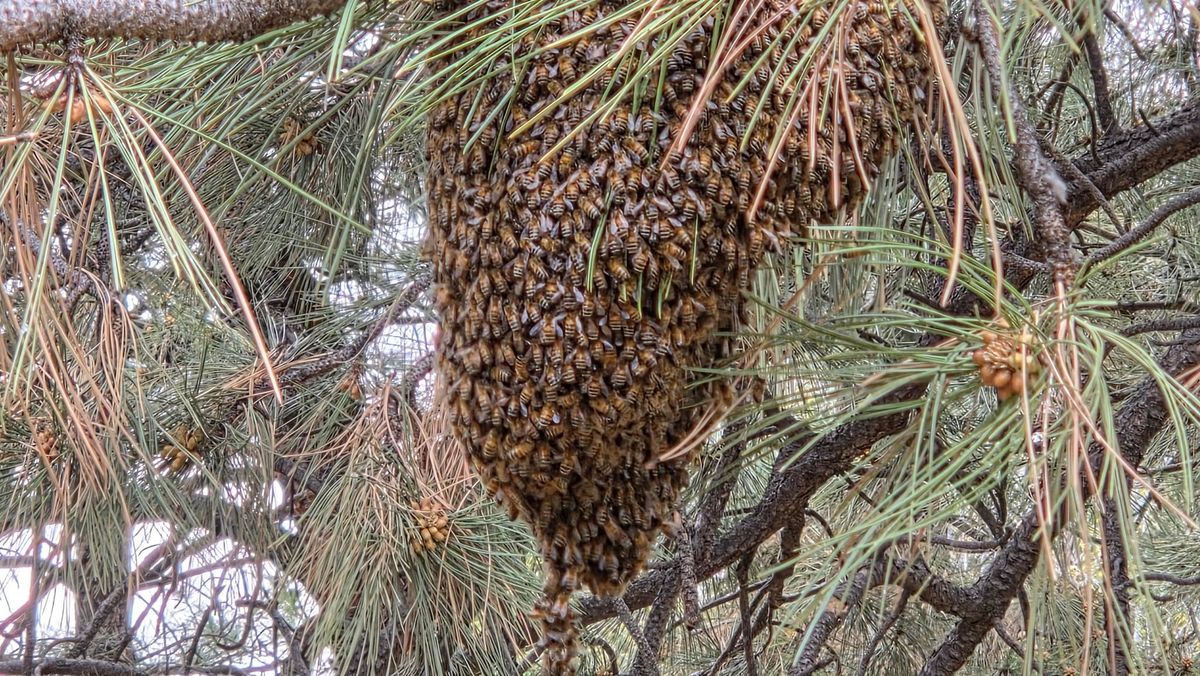
May in Arizona ushers in the height of spring, bringing warm temperatures and abundant flora that energize honey bee colonies. This period, from March through May, is prime for swarming activity across the Southwest, and Arizona is experiencing a significant increase in reported swarms. For beekeepers, this represents a crucial opportunity to expand apiaries with healthy, local genetics and contribute to vital bee conservation efforts.
Arizona's rising swarm activity, with a +5 trend score, indicates a growing need for dedicated beekeepers to respond. When honey bee colonies outgrow their existing homes, they divide, with a portion of the bees and the old queen leaving to establish a new residence. These transient clusters, known as swarms, are often docile and present a unique chance for beekeepers to acquire bees at no cost.
Swarmed provides a direct connection between these valuable swarms and local beekeepers ready to rescue them. Our platform ensures you're among the first to know about a nearby swarm, offering a critical advantage during this busy season.
How Swarmed Empowers Arizona Beekeepers:
It is important to differentiate between a honey bee swarm and an an established colony. Swarms are temporary clusters of bees in transit, typically docile and easy to rescue for free. An established colony, however, has built comb within a structure and requires a specialized "cutout" service, for which beekeepers should provide a fair quote based on complexity and necessary repairs. Swarmed helps clarify these distinctions for the public, ensuring you are connected with the right type of bee rescue.
"The surge in Arizona's swarm activity this May means more opportunities to strengthen local bee populations," notes Sarah Jenkins, a Swarmed Beekeeping Expert. "Being prepared with your rescue equipment and responding quickly through Swarmed's instant alerts can make all the difference in rescuing these valuable pollinators."
Across North America, the Swarmed network has helped rescue over 150 million bees, saving beekeepers more than $500,000 in replacement costs. By joining the network, you become part of a vital community protecting pollinators and enhancing local apiaries.
Join the growing network of beekeepers making a difference.
**Sign up for Swarmed today: https://beeswarmed.org/beekeeper-signup (opens in a new tab)
California's Golden Opportunity: Harnessing the Spring Swarm For beekeepers across California, the arrival of spring signals more than just almond blossoms and wildflo...
Read More...May 18, 2026
A Beekeeper's Guide to Swarm Collection in Idaho Spring has arrived in the Gem State, and with it, the unmistakable hum of honey bee swarms. For beekeepers, this is a...
Read More...May 18, 2026