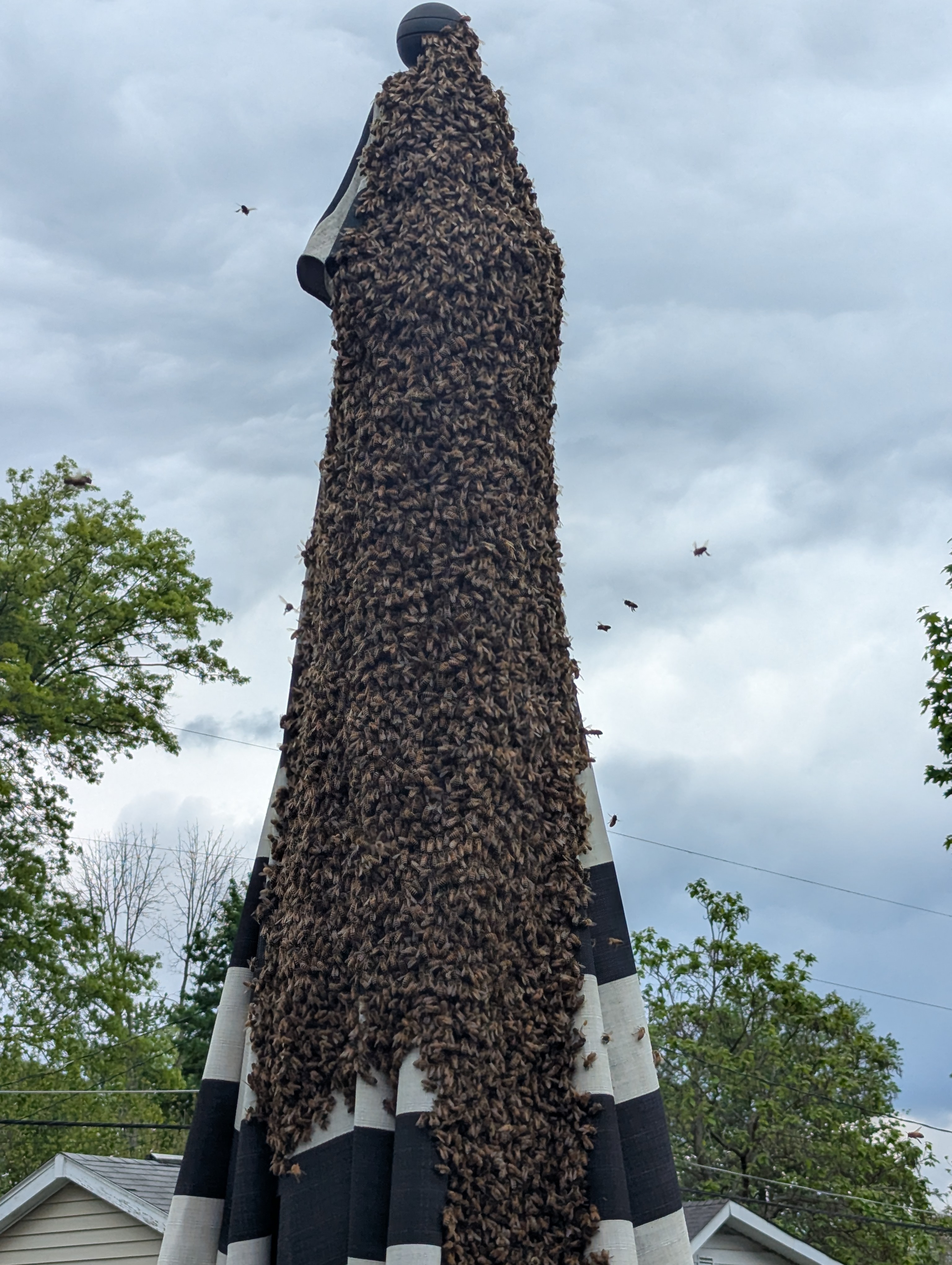
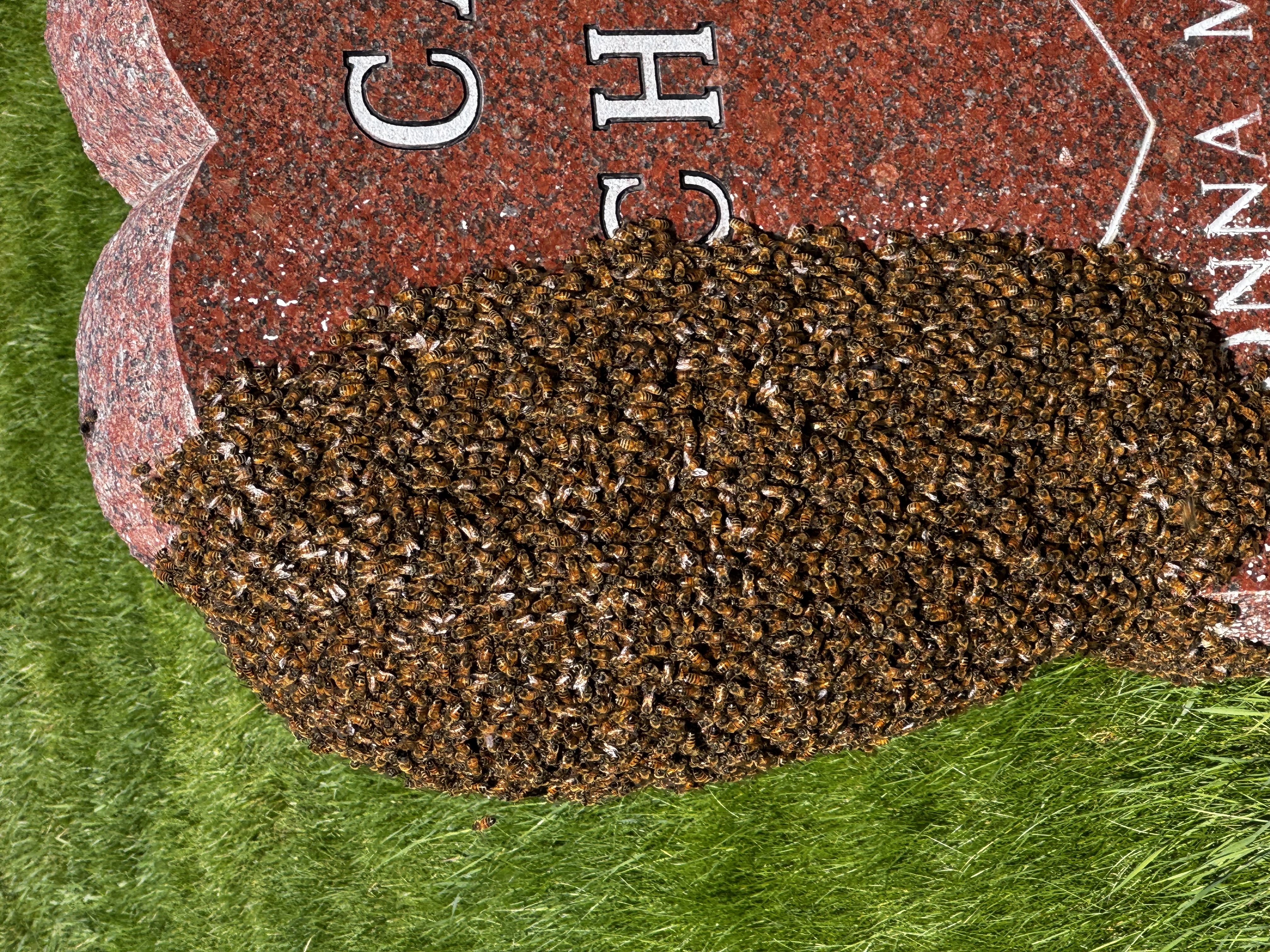
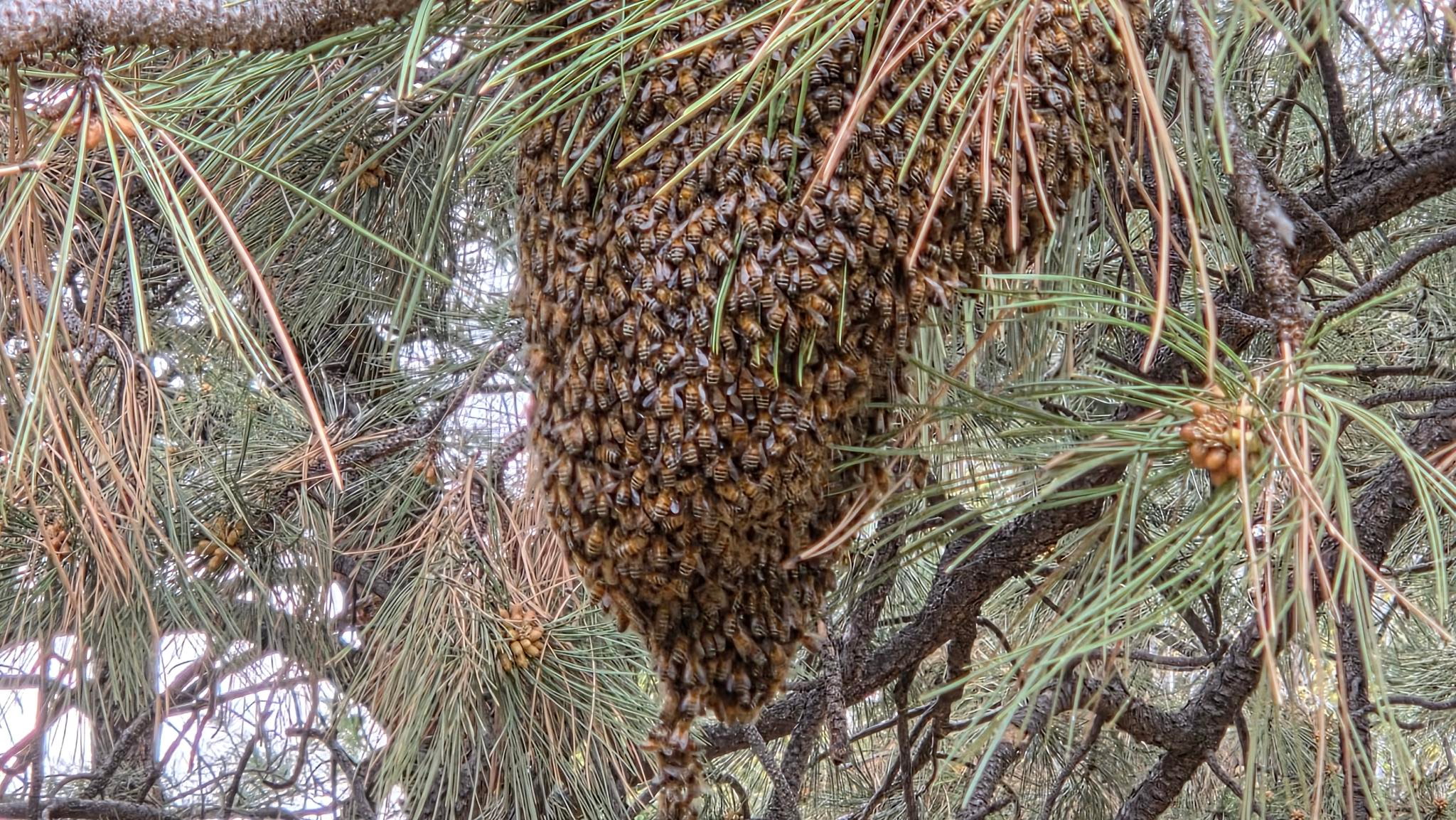
As May unfolds across Maryland, the vibrant spring landscape signals a crucial period for honey bees: swarm season. This natural event is how honey bee colonies reproduce, but it can sometimes lead to bees clustering in unexpected places. While a cluster of thousands of bees might seem alarming, understanding what a swarm is and how to report it safely is key to protecting these vital pollinators.
Understanding Honey Bee Swarms
A honey bee swarm is a temporary cluster of bees, often resembling a football or basketball, that has left its overcrowded hive to find a new home. These swarms typically contain 10,000 to 30,000 bees and a queen. Crucially, swarming bees are generally docile. They are engorged with honey for their journey and have no hive or brood to defend, making them less likely to sting unless directly provoked.
Most swarms will rest for 24 to 72 hours while scout bees search for a suitable permanent cavity. During this transient phase, they are simply looking for a new residence, not establishing one on your property.
Swarm vs. Established Hive: Know the Difference
It is important to distinguish between a temporary swarm and an established colony that has built comb within a structure:
- Swarm: A transient cluster of bees, often hanging from a tree branch, fence post, or bush. These are typically collected by beekeepers for free.
- Established Hive (or Colony): Bees that have moved into a wall, roof, shed, or other structure and built wax comb, raised brood, and stored honey. Removing an established hive, often called a "cutout," requires specialized skills, carpentry work, and often structural repairs. Beekeepers will provide a fair quote for these services, which are not free.
When you see a cluster of bees, it's almost always a swarm, and local beekeepers are eager to rescue them.
Your Role in Protecting Maryland's Pollinators
Reporting a swarm in Maryland does more than just safely remove bees from your property; it actively contributes to pollinator conservation. Honey bees face numerous challenges, and every rescued swarm helps bolster local bee populations. It also provides local beekeepers with valuable new colonies, saving them the cost of purchasing bees.
Swarmed connects you directly with local beekeepers ready to respond. Our platform is a tool designed to make the process simple and efficient. For instance, a recent rescue in Maryland, as captured in a photograph from May 1st, 2026, showcases the swift action of our dedicated beekeepers and the community's willingness to help.
There are hundreds of beekeepers across Maryland in the Swarmed network, all committed to protecting these insects that are so vital to our ecosystem and food supply.
How to Report a Swarm in Maryland
If you encounter a honey bee swarm on your property in Maryland, please consider these steps:
- Maintain Distance: Keep children and pets away from the swarm.
- Do Not Disturb: Avoid spraying water, throwing objects, or attempting to remove the bees yourself.
- Report Promptly: The sooner a swarm is reported, the higher the chance of a successful rescue.
Reporting a swarm on Swarmed is free to use. While you'll be connected with local beekeepers who typically rescue swarms at no charge, an optional suggested contribution of $12 helps support the platform and its mission.
Help protect Maryland's honey bees and support your local beekeeping community. Report a swarm today: https://beeswarmed.org/report-bee-colony (opens in a new tab)