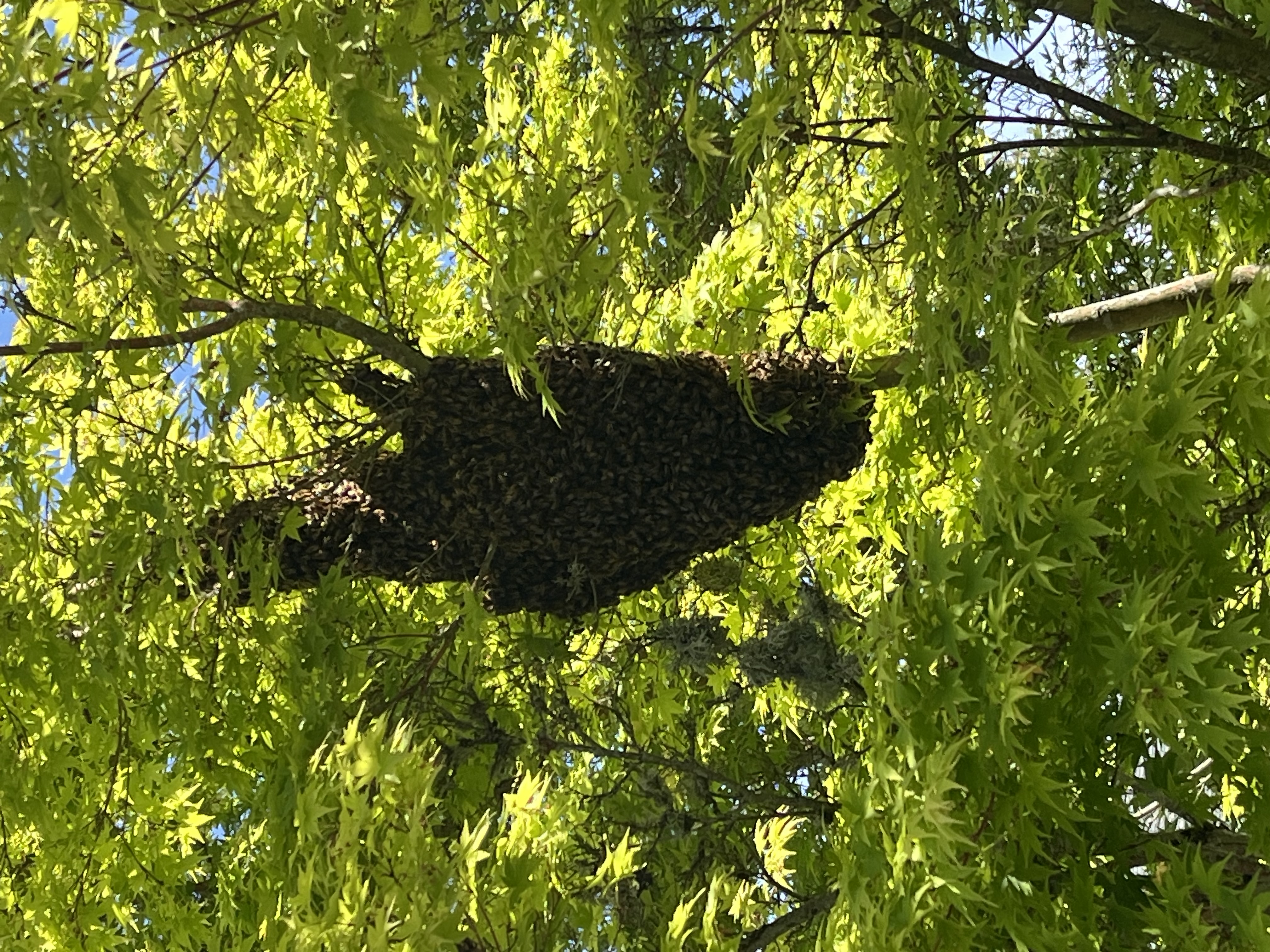
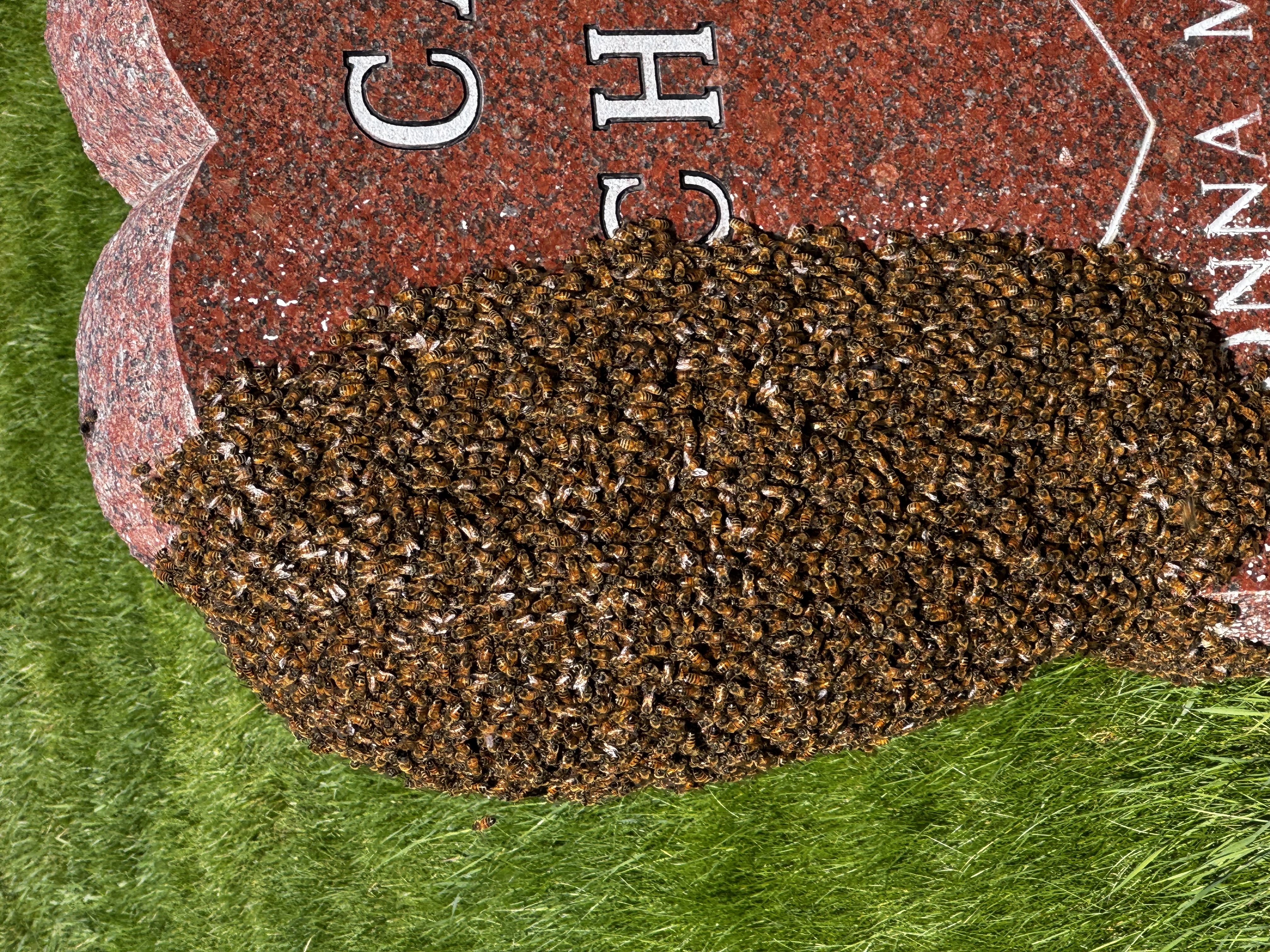
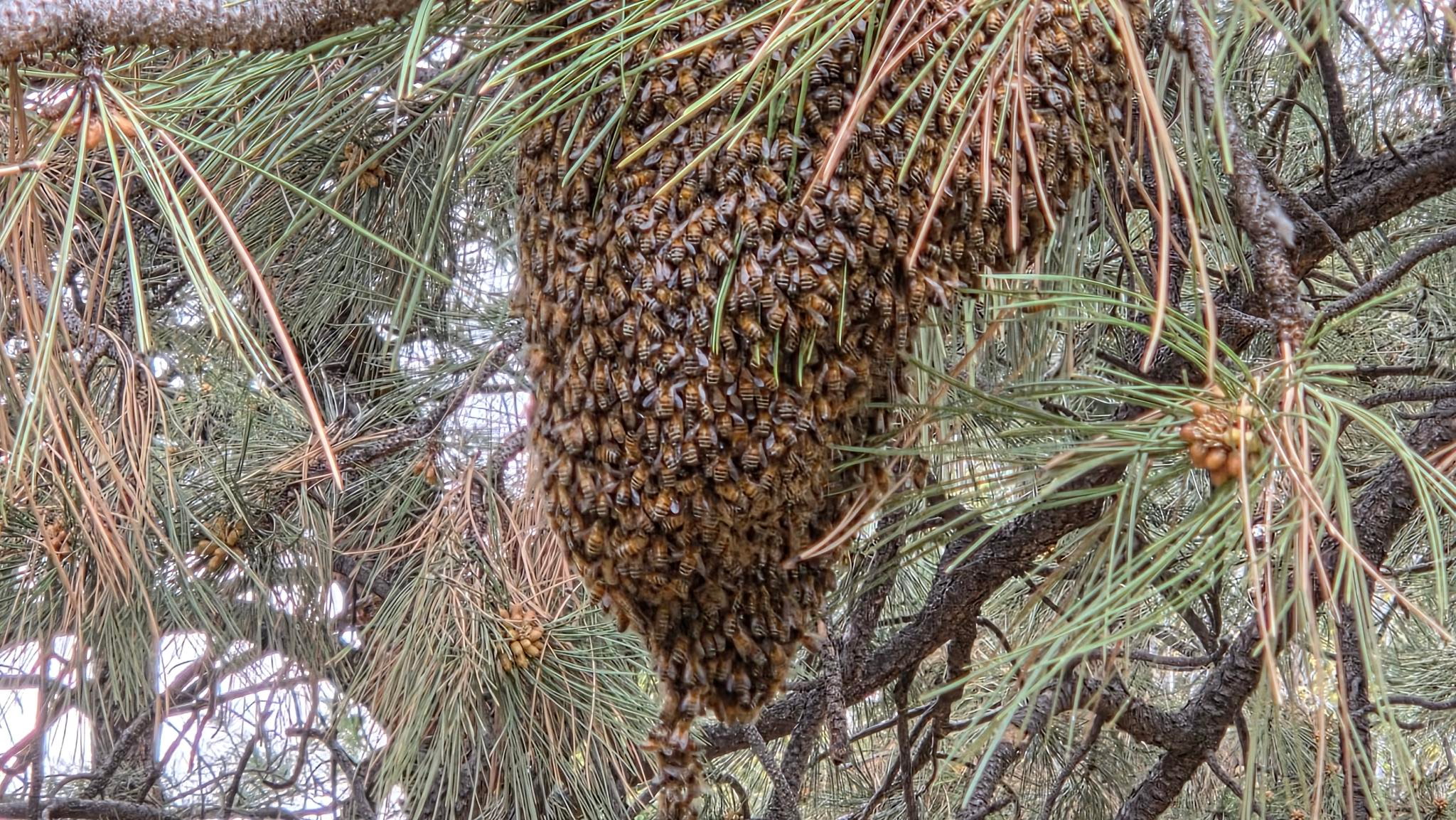
As spring fully blossoms into May across the Northern Hemisphere, honey bee colonies are actively expanding. This vibrant growth often leads to a natural phenomenon: swarming. Finding a large cluster of bees on your property can be surprising, but understanding what it is and how to respond safely is key to protecting these vital pollinators.
Understanding a Honey Bee Swarm
A honey bee swarm is a temporary cluster of thousands of bees, including their old queen, that has left its original hive to find a new home. These bees are typically docile because they are engorged with honey for their journey and have no hive or brood to defend. They usually settle in a ball-like cluster on a tree branch, fence post, or other outdoor surface for a period ranging from a few hours to a few days while scout bees search for a permanent residence.
Swarm vs. Established Hive: Why It Matters
It is important to distinguish between a transient swarm and an established hive:
- Swarm: A temporary cluster of bees (as described above). These are highly sought after by beekeepers. When you report a swarm, a local beekeeper is typically happy to rescue them at no cost.
- Established Hive: Bees that have already moved into a permanent location, such as a wall cavity, chimney, or hollow tree, and have built wax comb, raised brood, and stored honey. Removing an established hive often requires specialized skills, tools, and carpentry work, known as a "cutout." This is a complex job, and the beekeeper will provide a fair quote for their services, which you can accept or decline.
Why Report a Swarm?
Reporting a swarm offers several crucial benefits:
- Protect Honey Bees: Swarms are vulnerable. Without intervention, many may not survive. Rescuing them gives them a new home with a beekeeper, contributing to bee conservation.
- Support Local Beekeepers: Swarms are a valuable and natural way for beekeepers to expand their apiaries, saving them the cost of purchasing new bees.
- Safe and Free Resolution: Instead of resorting to extermination, which kills thousands of bees, reporting a swarm connects you with a beekeeper who will safely remove them, often at no charge.
Swarmed connects people who find honey bee swarms with local beekeepers ready to help. Our network includes nearly 10,000 beekeepers, all dedicated to protecting these essential pollinators. We have facilitated the protection of over 150 million bees globally, saving communities and beekeepers countless resources.
What to Do If You Find a Swarm
- Stay Calm: Remember, swarms are generally not aggressive.
- Maintain Distance: Keep pets and children away from the cluster.
- Do Not Disturb: Avoid spraying water or attempting to remove the bees yourself.
- Report the Swarm: Even if you are unsure whether it is a honey bee swarm or another type of insect, report it. Our AI can help identify the species and connect you with the appropriate help.
Reporting a swarm to Swarmed is completely free to use. If you would like to support the platform and help us continue connecting communities with local beekeepers, a suggested contribution of $12 goes a long way.
Help us protect honey bees and support your local beekeeping community.
**Report a honey bee swarm today: https://beeswarmed.org/report-bee-colony (opens in a new tab)