
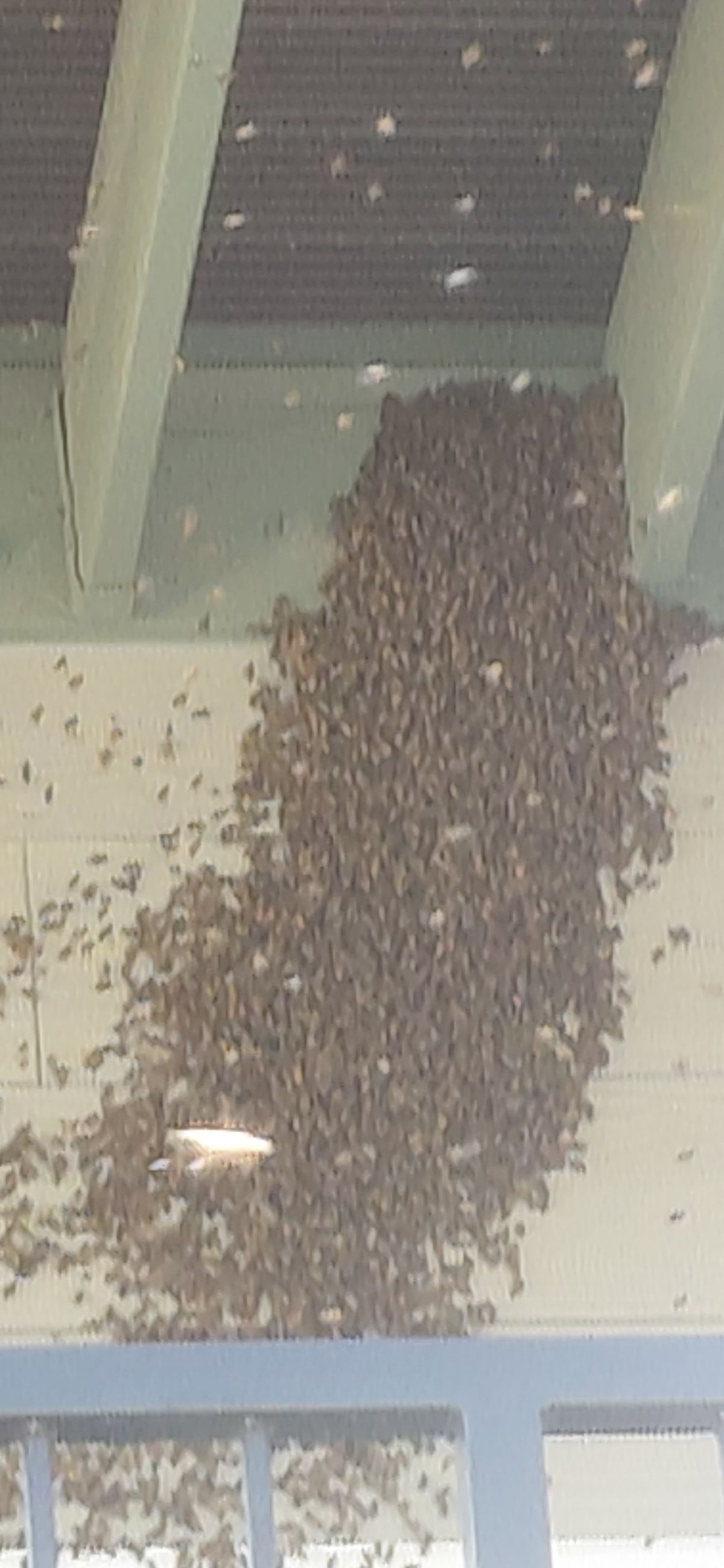
A Beekeeper's Guide to Swarm Season in California
California's Golden Opportunity: Harnessing the Spring Swarm For beekeepers across California, the arrival of spring signals more than just almond blossoms and wildflo...
Read More...May 18, 2026
Home > Blog > May Brings Honey Bee Swarms: Your Guide to Safe Reporting
May 2, 2026
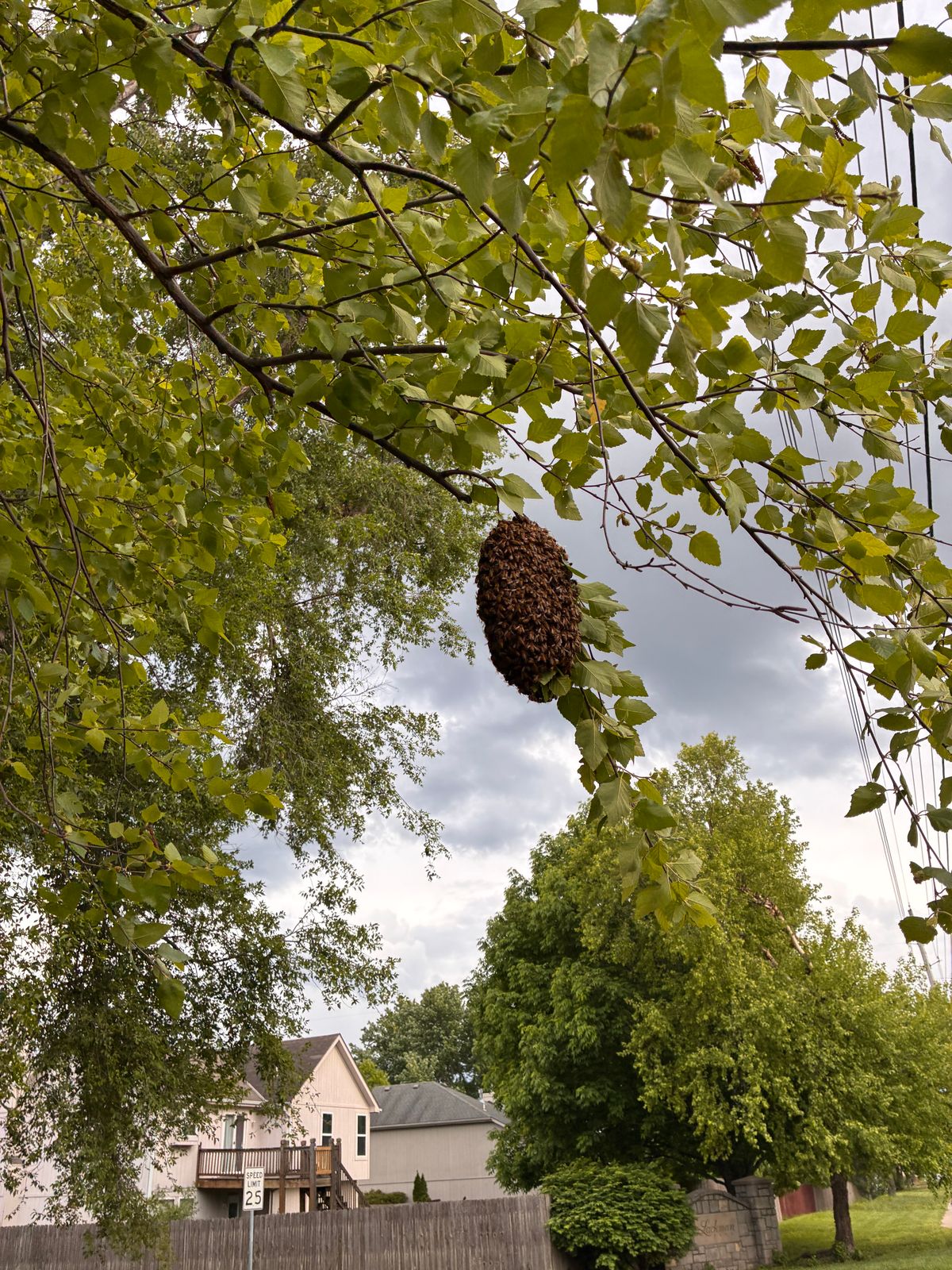
May marks a peak period for honey bee swarms across the Northern Hemisphere. As spring progresses, established bee colonies naturally expand, and when they outgrow their current home, a portion of the colony will leave with the old queen to find a new residence. This natural process is called swarming.
When bees swarm, they form a temporary cluster, often on a tree branch, fence post, or even a car. This cluster can contain usually between 5,000 and 20,000 bees. Despite their imposing appearance, swarming bees are generally docile. They are engorged with honey for their journey and have no hive or brood to defend, making them less likely to sting unless directly provoked. A swarm is a temporary stop for a colony, typically lasting 24 to 72 hours while scout bees search for a permanent home.
It is crucial to differentiate between a temporary swarm and an established colony that has built a hive in a structure:
If you encounter a honey bee swarm, follow these steps to ensure safety and protect the bees:
Reporting a swarm helps local beekeepers protect these vital pollinators, contributing to the 150+ million bees rescued through Swarmed and saving beekeepers over $500,000 in replacement costs. Our network includes nearly 10,000 beekeepers ready to respond.
Your quick action can make a significant difference. If you find a honey bee swarm, report it immediately to connect with a local beekeeper who can safely rescue them. Reporting a swarm on Swarmed is completely free. If you'd like to support the platform and help us keep connecting communities with local beekeepers, a suggested contribution of $12 goes a long way.
Report a swarm and help protect honey bees in your community: https://beeswarmed.org/report-bee-colony (opens in a new tab)
California's Golden Opportunity: Harnessing the Spring Swarm For beekeepers across California, the arrival of spring signals more than just almond blossoms and wildflo...
Read More...May 18, 2026
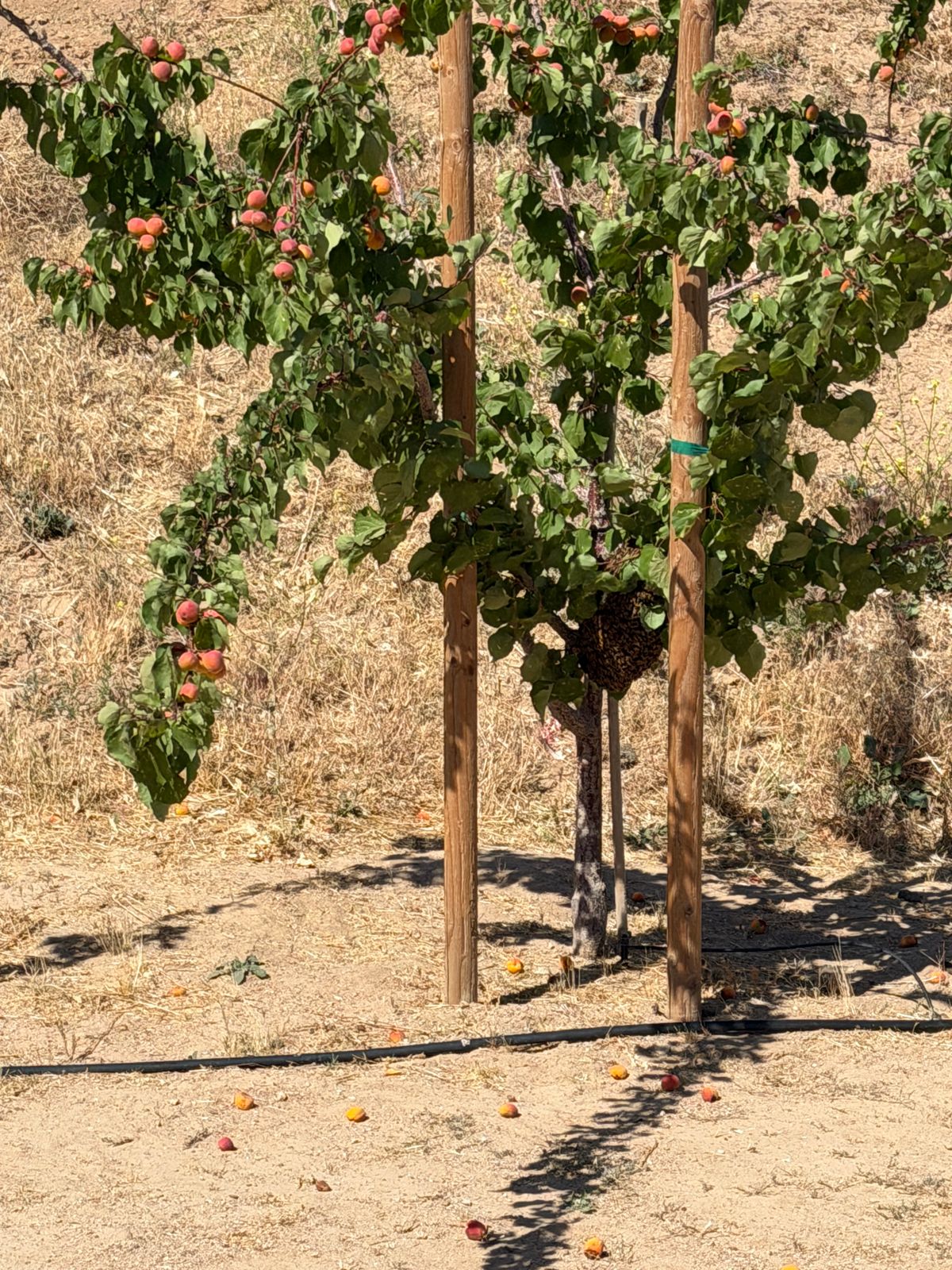
A Beekeeper's Guide to Swarm Collection in Idaho Spring has arrived in the Gem State, and with it, the unmistakable hum of honey bee swarms. For beekeepers, this is a...
Read More...May 18, 2026