
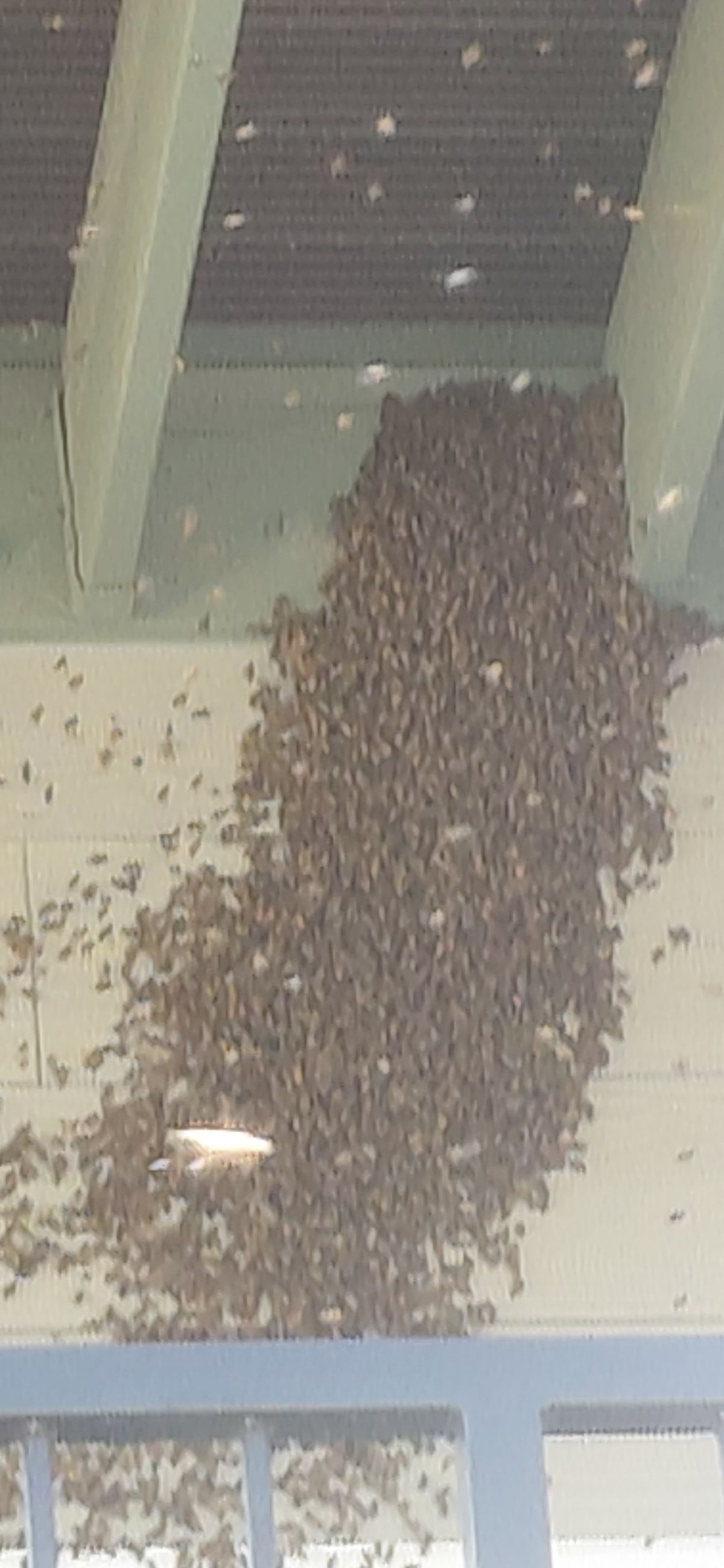
A Beekeeper's Guide to Swarm Season in California
California's Golden Opportunity: Harnessing the Spring Swarm For beekeepers across California, the arrival of spring signals more than just almond blossoms and wildflo...
Read More...May 18, 2026
Home > Blog > Late Summer Swarms: Why They Happen & Differ | Swarmed
January 17, 2026

If you've discovered a bee colony in your yard during late summer, you're not alone. While most people associate bee swarms with spring, August and early September bring a distinct second wave of bee activity that catches many homeowners off guard.
Understanding why late summer swarms happen and how they differ from spring activity helps you respond appropriately. The good news? Local beekeepers are still actively relocating colonies through services like Swarmed (opens in a new tab), which connects homeowners with over 10,000 beekeepers nationwide who can safely relocate bee colonies year-round.
Late summer bee activity follows different patterns than the predictable spring swarming season, driven by colony health dynamics and environmental pressures that many people don't expect:
Secondary swarming occurs when successful spring colonies become overcrowded despite earlier population splits. Strong colonies that weathered spring intact may reach capacity by midsummer, triggering additional swarm activity.
Resource competition intensifies as natural nectar sources decline in many regions. Established colonies may split to reduce competition for dwindling late-season flowers and water sources.
Colony stress responses to environmental pressures like drought, extreme heat, or habitat disruption can trigger swarming behavior as colonies seek more favorable locations.
Supersedure situations happen when colonies replace aging or failing queens, sometimes resulting in swarm-like activity as old and new queens establish territories.
Late summer bee colonies behave differently than their spring counterparts, requiring adjusted expectations and response strategies:
Smaller cluster sizes characterize most late summer swarms. While spring swarms may contain 10,000-20,000 bees, August swarms typically involve 5,000-15,000 bees, creating less dramatic but still noticeable clusters.
More urgent relocation timeline applies to late summer colonies. Spring swarms have months to establish before winter, while August colonies need immediate successful relocation to survive cold weather preparation.
Different location preferences emerge as late summer swarms often seek more protected locations like wall voids, attics, or other sheltered spaces rather than the temporary tree clusters common in spring.
Increased establishment risk means late summer swarms are more likely to move into structures permanently rather than remaining in temporary locations, making quick professional relocation especially beneficial.
Several environmental factors contribute to unexpected August and September bee activity:
Drought conditions force established colonies to search for reliable water sources, potentially leading to swarming as scout bees locate better territories.
Late bloom cycles in some regions create a sudden abundance of nectar sources that can trigger population booms and subsequent swarming in strong colonies.
Urban heat island effects in developed areas may stress suburban colonies, encouraging relocation to cooler or more protected areas.
Habitat disruption from construction, landscaping, or agricultural activities can displace established colonies, creating swarm-like movement patterns.
Late summer bee situations require different timing considerations than spring encounters:
Winter preparation urgency means colonies discovered in August need faster resolution than spring swarms. Bees relocated in late summer need time to establish adequate food stores and population strength before cold weather.
Professional availability remains strong through September, with many beekeepers actively seeking late-season colonies to strengthen their operations before winter. Services like Swarmed maintain year-round beekeeper networks specifically for situations like these.
Weather window priorities become critical as autumn weather patterns approach. Clear, warm days provide optimal conditions for safe relocation, while extended periods of rain or cool temperatures complicate the process.
Establishment prevention becomes more important in late summer, as colonies moving into structures have less time for gradual removal and may cause more significant property concerns if left to establish over winter.
Late summer bee colonies may exhibit behaviors that differ from typical spring swarm descriptions:
More focused flight patterns often occur as bees concentrate on specific resource areas or potential nesting sites rather than the exploratory behavior common during spring.
Persistent location preference means late summer colonies may return to the same area repeatedly if initially disturbed, requiring professional assessment to ensure complete relocation.
Increased defensive behavior can occur in some late summer situations, particularly if the colony is protecting an established location rather than simply clustering temporarily.
Variable duration characterizes late summer bee activity, with some situations resolving quickly while others persist for weeks without professional intervention.
Your response to August and September bee encounters should account for the seasonal differences and urgency factors:
Document the situation with photos and timeline information, noting how long the bees have been present and whether they're entering/exiting a specific location or clustering temporarily.
Contact professionals promptly given the shorter timeline for successful relocation before winter preparation becomes critical. Local beekeepers connected through Swarmed (opens in a new tab) can assess whether immediate relocation is necessary or if the situation can wait.
Avoid disturbance attempts that might scatter the colony and complicate professional relocation efforts. Late summer colonies may be more sensitive to disruption than spring swarms.
Late summer bee activity surprises many homeowners because it doesn't match the common perception of bee behavior as a spring-only phenomenon. However, colonies appearing near homes is common and manageable throughout the active season.
The key difference is timing urgency. While spring colonies have months to establish successfully, late summer situations benefit from quicker professional assessment and relocation to ensure the best outcomes for both homeowners and bee populations.
Local beekeepers experienced with seasonal timing considerations can assess your specific situation and recommend appropriate action based on colony behavior, location factors, and regional timing patterns.
When you discover bee activity during August or September, professional assessment provides the most reliable path forward. The compressed timeline before winter preparation makes expert evaluation especially valuable.
Experiencing late summer bee activity? Report the colony at beeswarmed.org (opens in a new tab) to connect with local beekeepers who understand seasonal timing considerations and can assess whether immediate relocation benefits both your property and the bee colony's winter survival chances.
Most beekeepers respond within 15 minutes and can evaluate your specific situation, taking into account the unique factors that make late summer bee encounters different from spring activity.
Swarmed is a satellite partner of the California Master Beekeeper Program at the University of California, Davis, connecting homeowners year-round with over 10,000 experienced beekeepers nationwide who understand seasonal bee behavior and timing considerations for successful colony relocation.
California's Golden Opportunity: Harnessing the Spring Swarm For beekeepers across California, the arrival of spring signals more than just almond blossoms and wildflo...
Read More...May 18, 2026
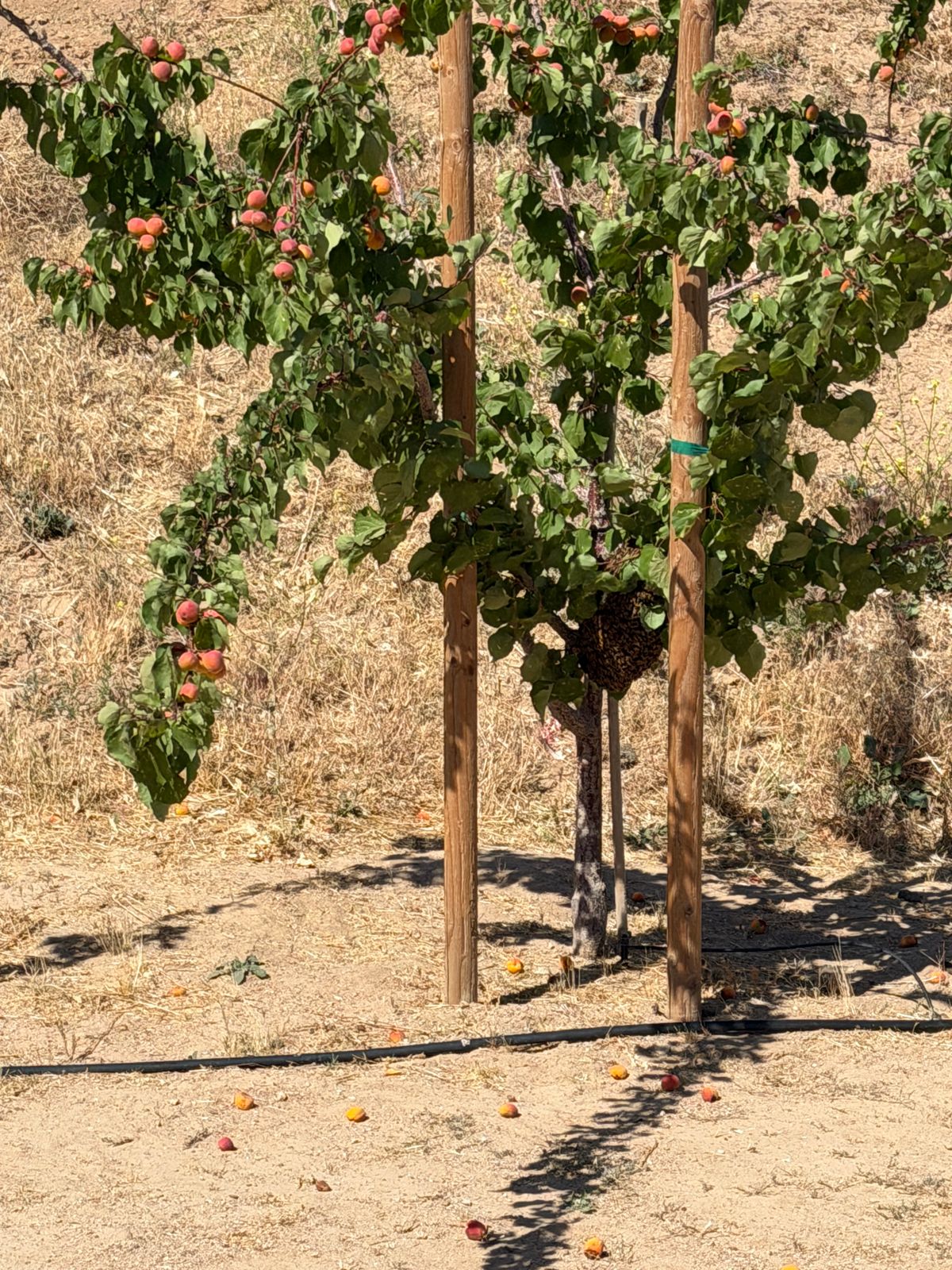
A Beekeeper's Guide to Swarm Collection in Idaho Spring has arrived in the Gem State, and with it, the unmistakable hum of honey bee swarms. For beekeepers, this is a...
Read More...May 18, 2026