Honeybee Democracy: What Swarms Can Teach Us
A Lesson in Democracy from the Natural World Each spring, as the world awakens, honey bee colonies also stir with the instinct for expansion. This drive culminates in...
Read More...May 14, 2026
Home > Blog > How to Safely Report and Handle a Bee Swarm
May 14, 2026
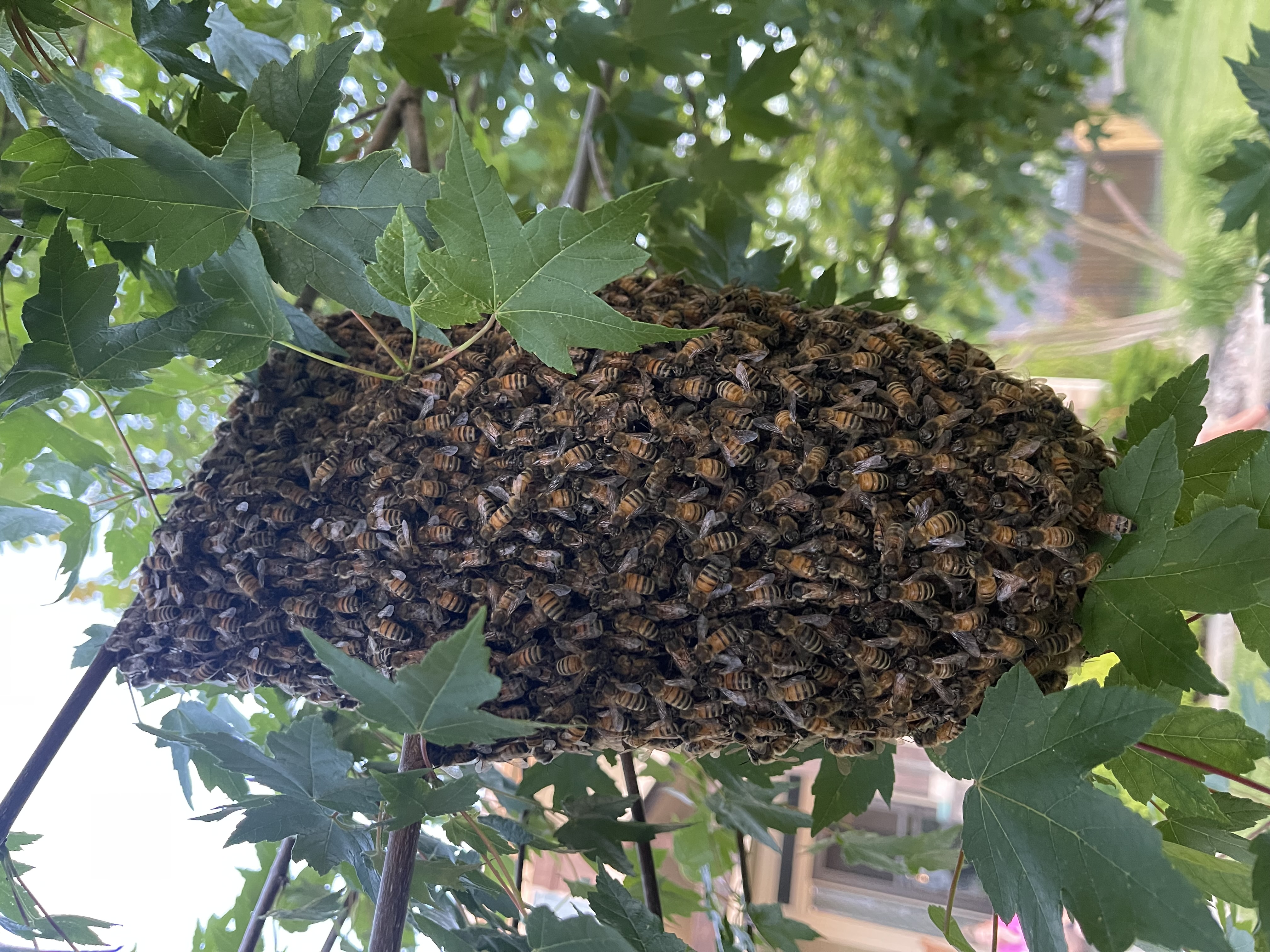
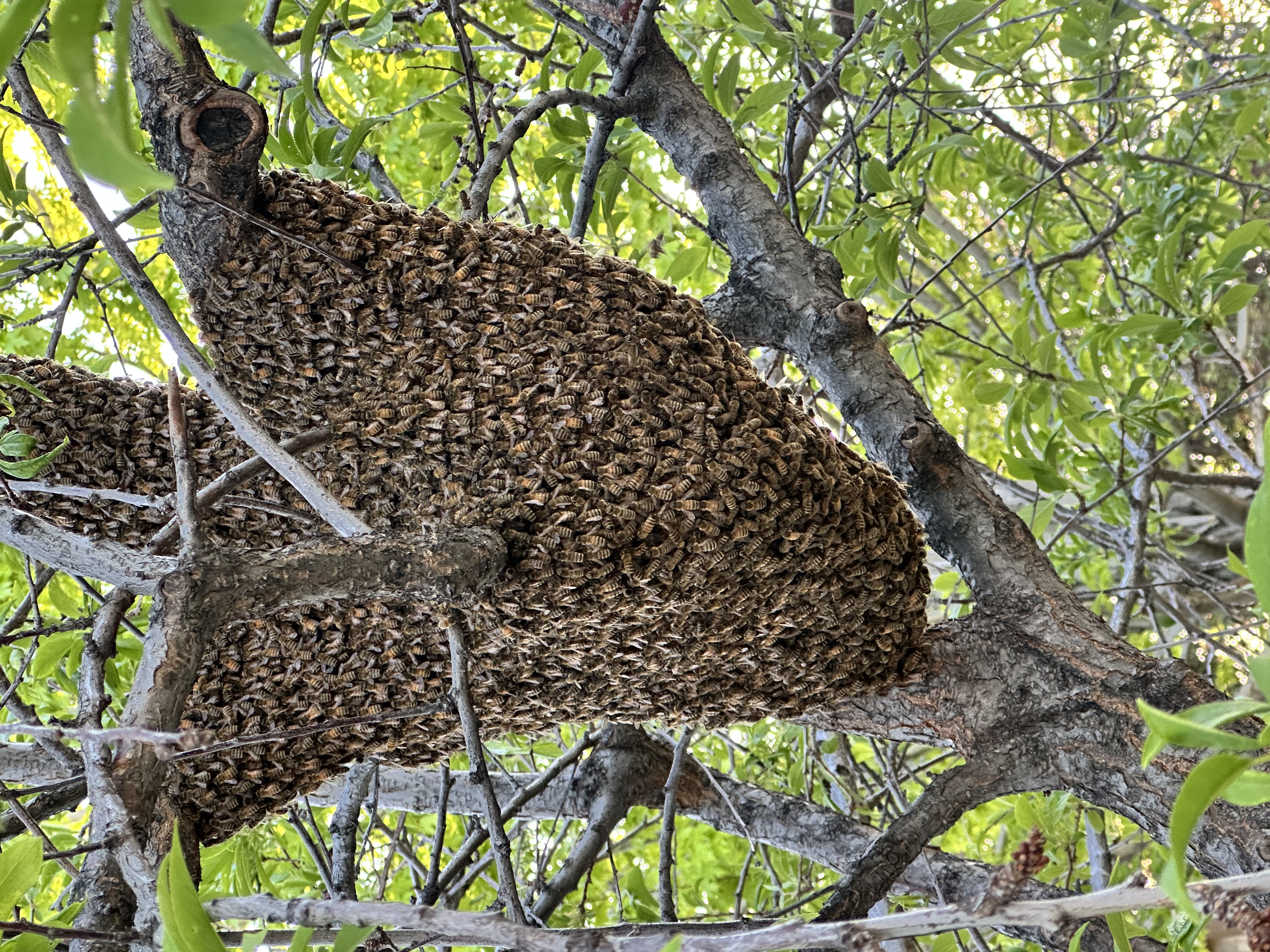
Finding a large, buzzing cluster of thousands of honey bees on a tree branch or fence post can be an unforgettable sight. While it might seem alarming, this is a natural and fascinating event in the life of a honey bee colony. This phenomenon, known as swarming, is not a sign of aggression but of reproduction. Understanding what a swarm is, and what it isn't, is the first step toward helping these vital pollinators find a safe new home.
This guide will walk you through how to identify a bee swarm, understand the critical difference between a swarm and an established hive, and take the correct steps to report it safely and effectively.
A bee swarm is nature's way of creating a new honey bee colony. In the spring, when a healthy hive becomes crowded, the colony prepares to divide. The old queen, along with about half of the worker bees (anywhere from 10,000 to 30,000 individuals), will leave the original hive to establish a new one.
Before they depart, these bees gorge themselves on honey, packing enough fuel for the journey. This is a key reason why swarming bees are remarkably docile. They have no home, no brood, and no honey stores to defend. Their single-minded focus is on finding a suitable new location to build their new home.
The cluster you see hanging from a tree, bush, or mailbox is a temporary resting spot. While the main group of bees protects the queen at the center, scout bees fly out in search of a permanent cavity—a hollow tree, an abandoned animal burrow, or, unfortunately, sometimes a space in the wall of a building. This resting period typically lasts between 24 and 72 hours before the swarm moves on to its chosen destination.
Understanding the difference between a temporary swarm and an established hive is essential, as it determines the course of action and whether removal services are free or paid.
By reporting a swarm quickly, you help prevent it from becoming an established hive in an undesirable location.
Your actions can make a significant difference in the survival of the swarm.
When you report a swarm, you are participating in a community-wide effort to protect honey bees. The benefits are far-reaching.
The Swarmed platform is designed to make reporting easy and efficient. When you submit a report on our website, an alert is instantly sent to registered beekeepers in the immediate vicinity. The first available beekeeper will claim the swarm and contact you to coordinate a rescue.
This simple act of reporting ensures that a natural biological event has a positive outcome for the bees, for a beekeeper, and for your community. It transforms a potential nuisance into a valuable resource and protects our most important pollinators.
Remember, a bee swarm is an opportunity to act as a steward for these incredible insects. If you see one, don't be alarmed—be proactive.
By taking a few moments to report a swarm, you play a direct role in protecting honey bees. Your simple action connects a vulnerable colony with a local beekeeper ready to give it a safe home. Help our pollinators and your community by visiting https://beeswarmed.org/report-bee-colony (opens in a new tab) to report a swarm today.
A Lesson in Democracy from the Natural World Each spring, as the world awakens, honey bee colonies also stir with the instinct for expansion. This drive culminates in...
Read More...May 14, 2026
Seeing a Swarm is Seeing Nature in Action During the warm days of late spring, you might look out your window and see something astonishing: a large, buzzing cluster o...
Read More...May 14, 2026
