
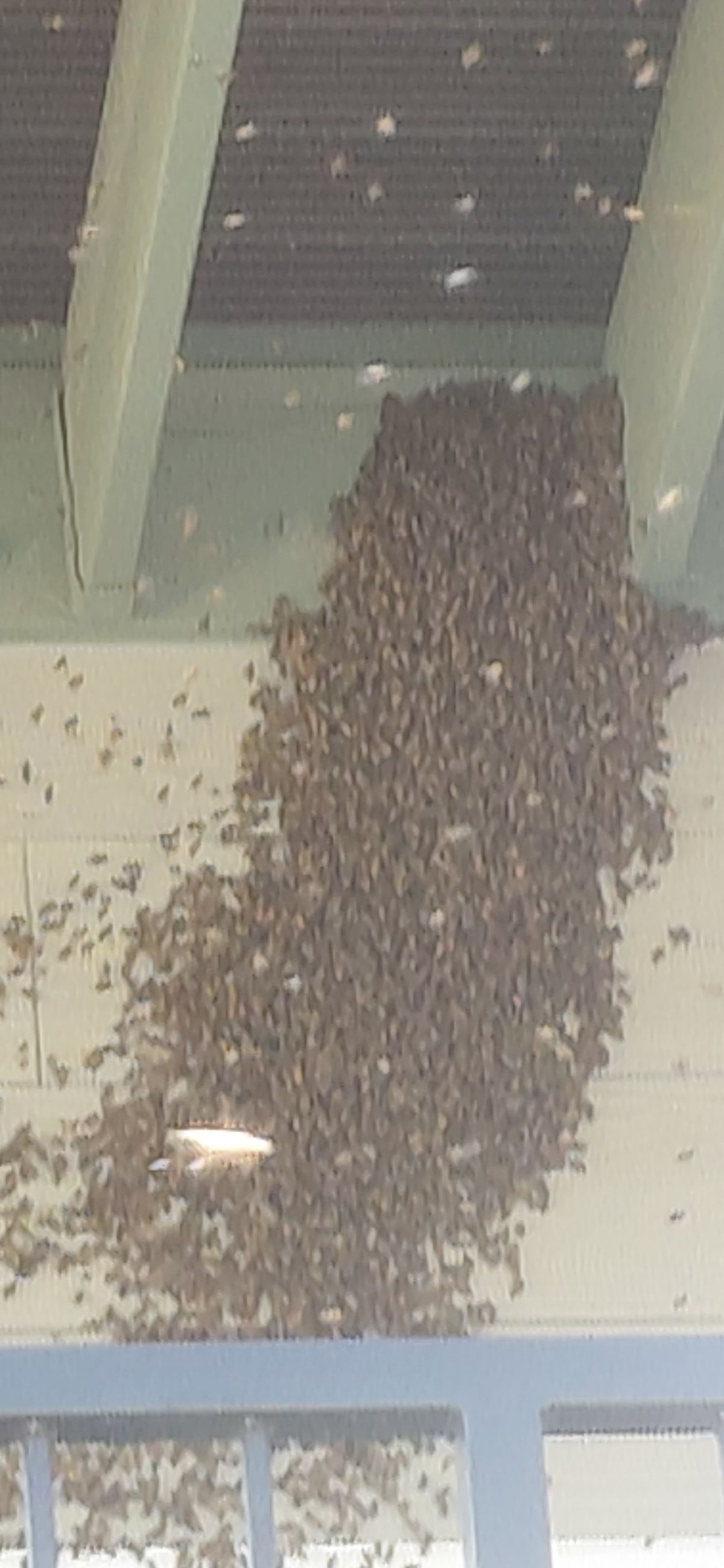
A Beekeeper's Guide to Swarm Season in California
California's Golden Opportunity: Harnessing the Spring Swarm For beekeepers across California, the arrival of spring signals more than just almond blossoms and wildflo...
Read More...May 18, 2026
Home > Blog > Review of Honeybee Democracy by Dr. Thomas D. Seeley
January 17, 2026

Introduction
As beekeepers, we know bees operate in ways that can seem mysterious at times—especially when it comes to swarming. Thomas D. Seeley’s Honeybee Democracy shines a light on the intricate decision-making processes within a bee colony, offering both fascinating science and practical tips for anyone working with bees. Seeley, a respected biologist and beekeeper himself, has spent decades studying how honeybees make collective decisions, and his findings have valuable takeaways for those of us who work with bees daily.
At its heart, Honeybee Democracy shows us that honeybee colonies operate like a well-oiled democratic machine. When bees swarm and need to find a new home, they don’t follow orders from a single leader. Instead, they rely on a group of scout bees to seek out potential nesting sites and bring their findings back to the swarm. The scouts “debate” the merits of these sites through their famous waggle dance, and gradually, through a process of building consensus, the colony decides on the best location.
For beekeepers, understanding this decision-making process is more than just interesting—it’s incredibly useful. Seeley’s research shows that honeybees prefer certain types of cavities for their new homes: around 40 liters in volume, situated a few meters above ground, with a small entrance that’s easy to defend. This insight can help us set up bait hives that match these natural preferences, making it easier to capture swarms and relocate them safely.
One of the standout elements of Seeley’s work is his focus on scout bee behavior during the swarm relocation process. As beekeepers, we’re often on high alert when swarming season rolls around, but Honeybee Democracy gives us a better understanding of what’s really happening during this time. Only a small percentage of the bees in a swarm—about 5%—act as scouts. These scouts explore potential nesting sites, and their excitement for a location is communicated through their waggle dance. The more enthusiastic the dance, the more likely the other bees are to check out that site.
Beekeepers can use this information to their advantage. Seeley found that bees prefer cavities with a small entrance (about 12.5 square centimeters) that faces south and is well-shaded. If you’re looking to attract swarms, setting up bait hives with these features will significantly increase your chances of success. Adding a bit of lemongrass oil—a known bee attractant—can sweeten the deal even more.
Swarming can be unpredictable, but Seeley’s research offers some clear patterns. He discovered that swarms are most likely to occur on sunny, warm days between 10 a.m. and 2 p.m.—prime flying conditions for bees. For beekeepers, this means keeping an eye on your hives during these hours and being ready to act if you notice swarm preparations.
Seeley also talks about the process of quorum sensing in bee swarms. Scout bees don’t make decisions alone; they wait until a quorum of their peers agrees on the best site. Once around 15-20 scout bees are dancing for the same location, the entire swarm will prepare to move. This gives beekeepers a valuable window of time to step in, perhaps by setting up bait hives nearby or gently redirecting the swarm to a more convenient location.
Seeley goes into great detail about what scout bees look for in a new home. Factors like entrance size, cavity volume, height above the ground, and proximity to resources all play a role. His research shows that bees have a preference for cavities of around 40 liters in volume and entrances that are about 3.5 square inches in size. This information can help beekeepers design better bait hives that mimic the bees’ natural nesting preferences, increasing the likelihood of capturing swarms.
Interestingly, scout bees tend to explore several potential sites before coming to a decision. Seeley observed that the scouts might check out a dozen or more locations before they begin their waggle dances to convince the swarm. For beekeepers, placing multiple bait hives around your apiary—especially in locations that match the bees’ natural preferences—can significantly improve your chances of luring a swarm.
Perhaps one of the most intriguing aspects of Seeley’s work is his observation of leadership within the hive. Unlike human organizations that often rely on top-down authority, honeybee colonies exhibit a form of leadership that’s based on expertise and contribution rather than rank. Scout bees act as leaders not because they are chosen to lead but because they have the knowledge and experience to find the best home for the colony. Their influence comes from their ability to communicate and convince, not from having any official power.
For beekeepers, understanding this natural form of leadership can help us work more harmoniously with our bees. By observing the scouts’ behavior and recognizing when they’ve reached a consensus, we can anticipate the swarm’s movements and be better prepared to manage it.
While Honeybee Democracy is a deep dive into bee behavior, it’s also packed with practical insights that beekeepers can apply directly to their work. Seeley’s research on how bees select nesting sites is a game-changer for anyone looking to improve their swarm capture rates. By mimicking the conditions that bees naturally seek out—such as cavity size, entrance orientation, and elevation—beekeepers can significantly boost their chances of attracting swarms to bait hives.
Moreover, Seeley’s detailed exploration of the swarm’s decision-making timeline helps us understand when and how to intervene during the swarming process. The window of opportunity between the scouts reaching a consensus and the swarm taking flight can be a critical moment for beekeepers to either capture or redirect the swarm.
For any beekeeper looking to deepen their understanding of hive dynamics, Honeybee Democracy is a must-read. Thomas Seeley’s extensive research not only explains how bees make collective decisions but also offers practical strategies that beekeepers can use to manage swarms more effectively. From site selection to understanding the role of scout bees, this book provides a wealth of knowledge that can help beekeepers improve their practices and foster healthier colonies.
At Swarmed, we’re dedicated to helping both the public and beekeepers work together to ensure the safe relocation of swarms. Seeley’s research inspires us to embrace the bees’ natural decision-making processes and apply them to our beekeeping practices. If you spot a swarm, report it to Swarmed (opens in a new tab)—we’ll connect you with a beekeeper who can help. And if you’re a beekeeper, consider joining our network to stay informed about swarms in your area.
California's Golden Opportunity: Harnessing the Spring Swarm For beekeepers across California, the arrival of spring signals more than just almond blossoms and wildflo...
Read More...May 18, 2026
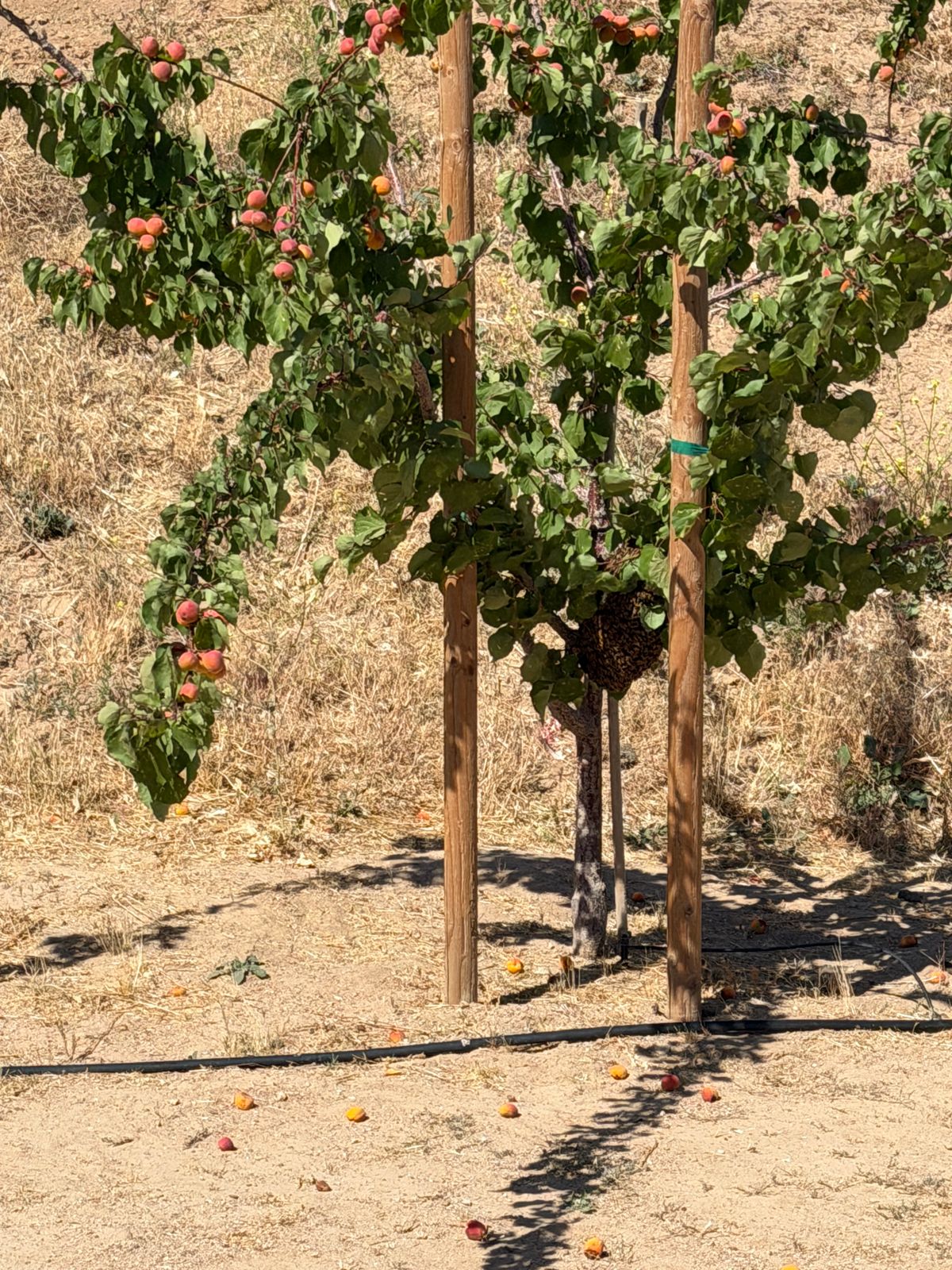
A Beekeeper's Guide to Swarm Collection in Idaho Spring has arrived in the Gem State, and with it, the unmistakable hum of honey bee swarms. For beekeepers, this is a...
Read More...May 18, 2026