As spring unfolds across California, the landscape bursts with life. From the almond groves of the Central Valley to the blooming backyards of Los Angeles and San Francisco, this season of growth is powered by our most important pollinators: honey bees. With this increased activity, you might find yourself searching for "bee removal near me" after spotting a large cluster of bees on a tree branch, fence post, or the side of your home. While this sight can be startling, it’s a natural and beautiful part of the honey bee life cycle, and handling it correctly is crucial for both their survival and your peace of mind.
This guide will walk you through the responsible way to manage honey bees in California, clarify the difference between a temporary swarm and an established hive, and explain how you can become a crucial part of the solution by connecting with local beekeepers.
Understanding the Bees in Your Backyard: Swarm vs. Established Hive
The first step to responsible bee removal is understanding what you are observing. The distinction between a swarm and an established hive is the most important factor, as it determines the bees' behavior, the urgency of the situation, and whether the removal will be a free service or a paid job.
The Honey Bee Swarm: A Colony on the Move
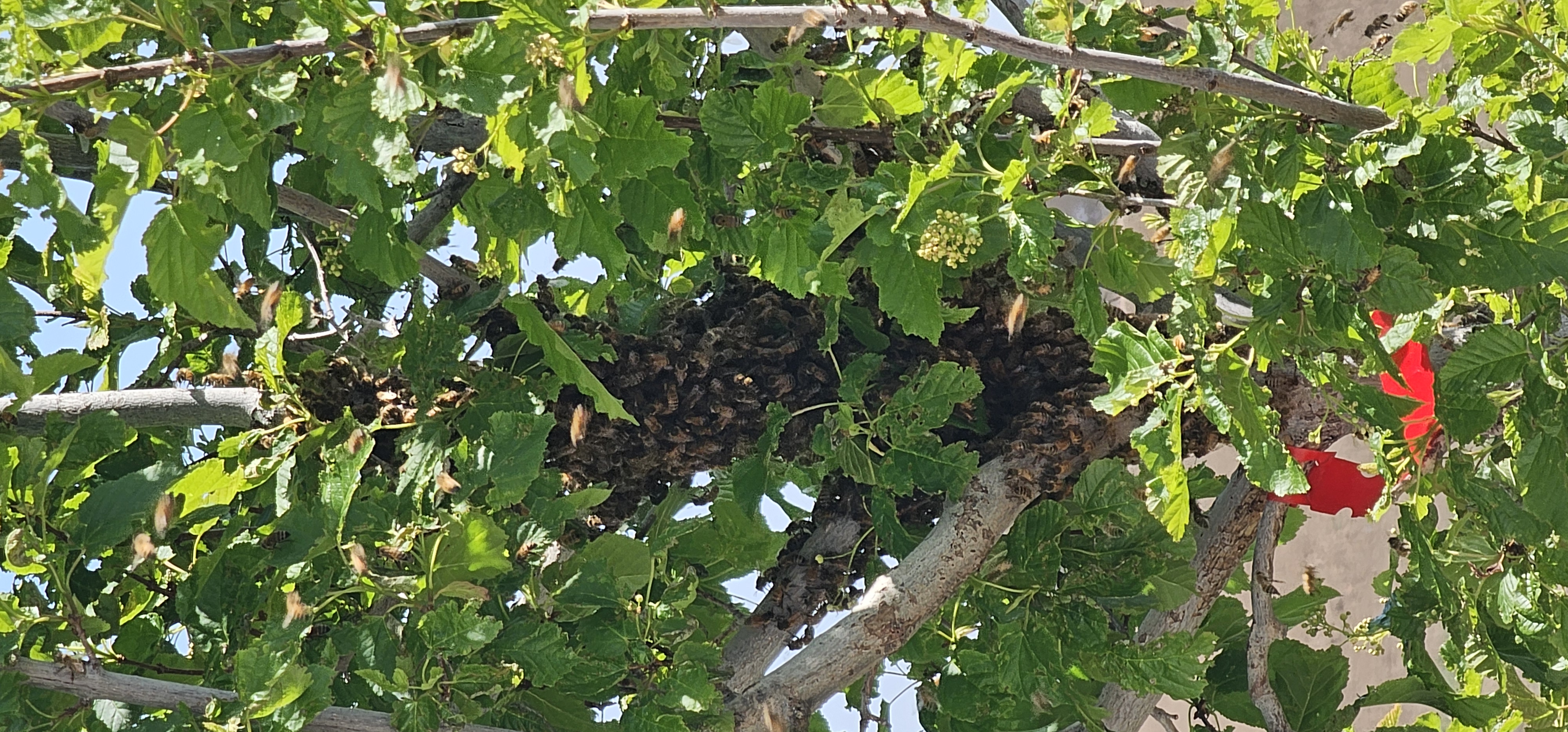
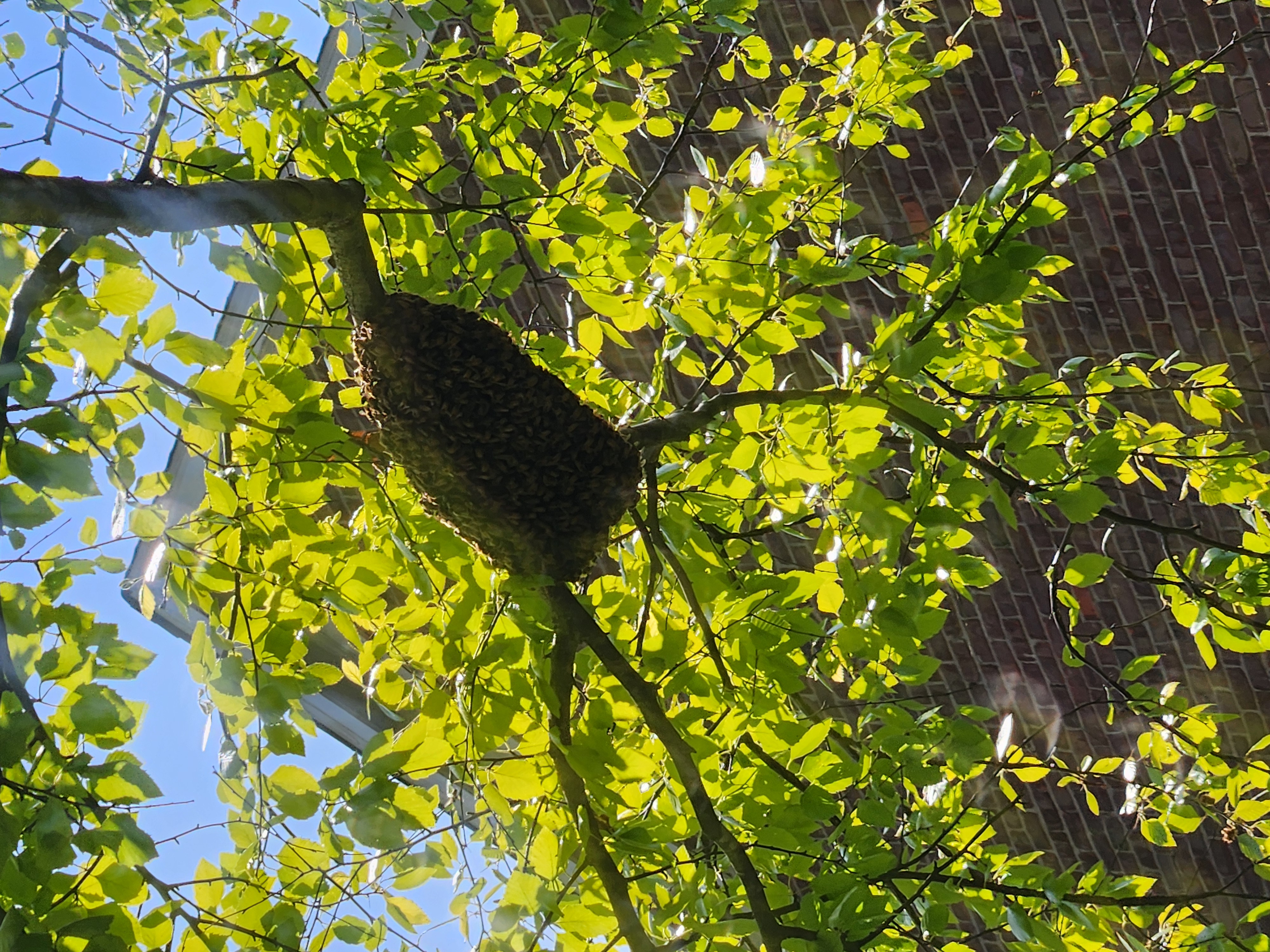
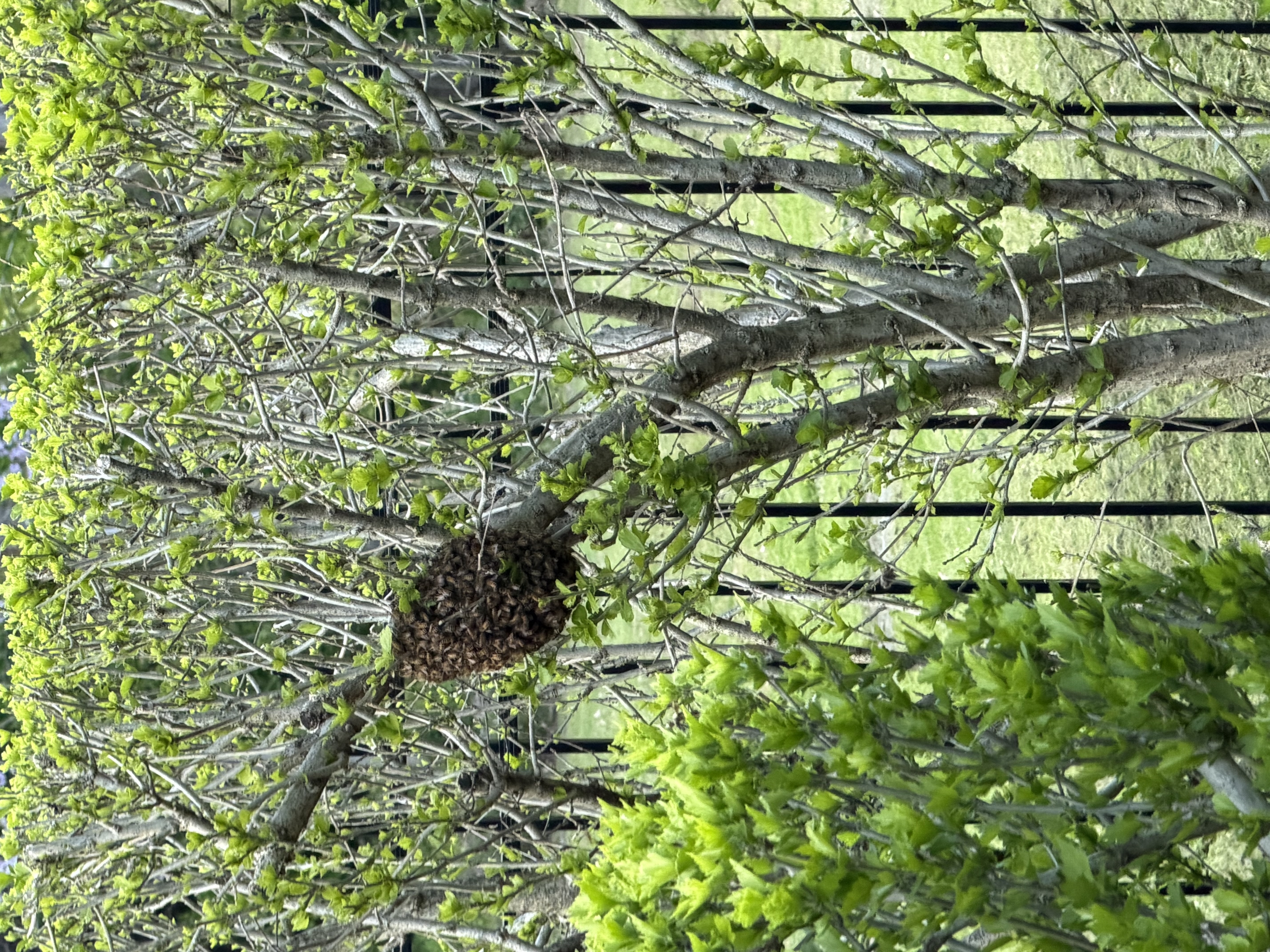
A honey bee swarm is a colony in the process of moving. When a healthy hive becomes overcrowded, the queen and about half of the worker bees leave to find a new home. This is the bees’ natural method of reproduction at the colony level. Before they leave, these bees feast on honey, making them full, docile, and generally uninterested in stinging. Their sole focus is on protecting the queen at the center of their cluster and finding a suitable new location.
- Appearance: A swarm looks like a dense, buzzing ball of bees, often hanging from a tree limb, a fence, or the eave of a house.
- Behavior: They are typically docile and not defensive because they have no home, honey stores, or young brood to protect.
- Duration: A swarm is a temporary stop. They will usually move on within 24 to 72 hours once their scout bees have located a permanent cavity.
- Removal: This is what beekeepers call a "swarm rescue." Because beekeepers want these bees to start new hives in their apiaries, swarm rescue is almost always a free service.
The Established Hive: A Colony That Has Moved In
If a swarm finds a suitable cavity—such as a hollow tree, an attic, or the space inside a wall—they will move in and begin building their home. This is now an "established hive" or "established colony." They build wax comb to raise their young (brood) and store honey and pollen. Once they have a home to defend, their behavior changes significantly.
- Appearance: You may see a steady stream of bees flying in and out of a specific opening. You won’t see the large, exposed cluster characteristic of a swarm.
- Behavior: Bees in an established hive are defensive. They have invested resources in building comb and are raising the next generation, and they will protect their home aggressively if they perceive a threat.
- Duration: This is a permanent residence unless the bees are removed.
- Removal: Removing an established hive from a structure is a complex process called a "cutout." It requires specialized skills in both beekeeping and carpentry. This is a labor-intensive job that always costs money. A beekeeper will need to provide a quote based on the complexity of the removal.
Why Calling Pest Control is the Wrong Choice
When faced with bees, many people’s first instinct is to call an exterminator. However, this causes far more problems than it solves. Honey bees are essential for California's agriculture and ecosystem. Using pesticides kills these vital pollinators and can have lasting negative effects. Furthermore, exterminating a colony inside a wall leaves behind rotting brood and pounds of honey, which can ferment, seep through drywall, and attract other pests like rodents and cockroaches. The only sustainable and responsible solution is the physical removal and relocation of the bees by a skilled beekeeper.
Connecting with California's Beekeeping Community
This is where you can make a real difference. Instead of calling for extermination, you can connect with local experts who will safely rescue the bees. The Swarmed network is a powerful tool for this, connecting the public with beekeepers across the state. In California alone, our network includes over 641 registered beekeepers who are ready to respond to bee alerts. Last year, this community helped rescue and relocate 1986 swarms, and with a rising trend in reports, the need for public participation is greater than ever.
When you report a bee colony on Swarmed (opens in a new tab), your alert is instantly sent to nearby beekeepers. A beekeeper who is available to help will claim the job and contact you to coordinate a safe rescue.
What to Expect During a Bee Rescue
Knowing the difference between a swarm and a hive also prepares you for what to expect when a beekeeper arrives. For a Swarm Rescue (Usually Free): The beekeeper will arrive with basic equipment, such as a bee box (a small hive), a bee brush, and protective gear. The process is often simple and fascinating to watch. The beekeeper may place the box below the swarm and give the branch a firm shake, causing the cluster to fall gently into the box. If the queen is in the box, the rest of the bees will march right in. The beekeeper will then take them to their new apiary. For an Established Hive Removal (A Paid Service): This is a far more involved process. The beekeeper will first need to assess the situation to provide an accurate quote. Factors influencing the cost include the location of the hive, the size of the colony, the materials that must be cut through (wood, stucco, drywall), and the height from the ground. The removal itself involves:
- Carefully opening the structure to expose the comb.
- Gently removing the bees, often with a special bee vacuum.
- Cutting out the wax comb piece by piece and securing it in frames to be placed in a new hive.
- Ensuring all bees and comb are removed.
- Sealing the entrance and the cavity to prevent another swarm from moving in.
This is skilled work that protects both the bees and your property.
You Are a Vital Part of Bee Conservation
In a state as agriculturally significant as California, every honey bee colony matters. By taking a moment to identify the type of bee situation you have and reaching out to the right resources, you are doing more than just solving a problem in your yard—you are actively contributing to the health of our environment. You are supporting local beekeepers who dedicate their time and passion to caring for these incredible insects.
If you see a cluster of bees this spring, don't panic and don't spray. Take a photo from a safe distance and make a report. Your observation is the critical first step in a chain of events that leads to a safe rescue.
Be a hero for honey bees and your community. By reporting a swarm, you connect a homeless colony with a beekeeper who can give them a safe place to thrive. Help protect California's honey bees by reporting a swarm today through the Swarmed network (opens in a new tab).