
A Beekeeper's Guide to Swarm Season in California
California's Golden Opportunity: Harnessing the Spring Swarm For beekeepers across California, the arrival of spring signals more than just almond blossoms and wildflo...
Read More...May 18, 2026
Home > Blog > From Hive to Hive: The Journey of a Swarm of Honey Bees
January 17, 2026

The hive hums with energy. Inside, thousands of bees move with a synchronized purpose, each one knowing its place, each one contributing to the greater good of the colony. But today, something unusual is happening. The queen, normally calm in her chamber, stirs with urgency. Her pheromones spread throughout the hive, carrying a message—change is coming. The colony is too large. The time has come for a split.
Spring has been generous. The flowers have bloomed in abundance, their nectar and pollen transforming the hive into a bustling metropolis. The colony has thrived, but their success has created a problem. They have outgrown their home, and so, a decision is made. The queen, along with thousands of worker bees, will leave. Together, they will embark on one of nature’s most astonishing journeys—a swarm.
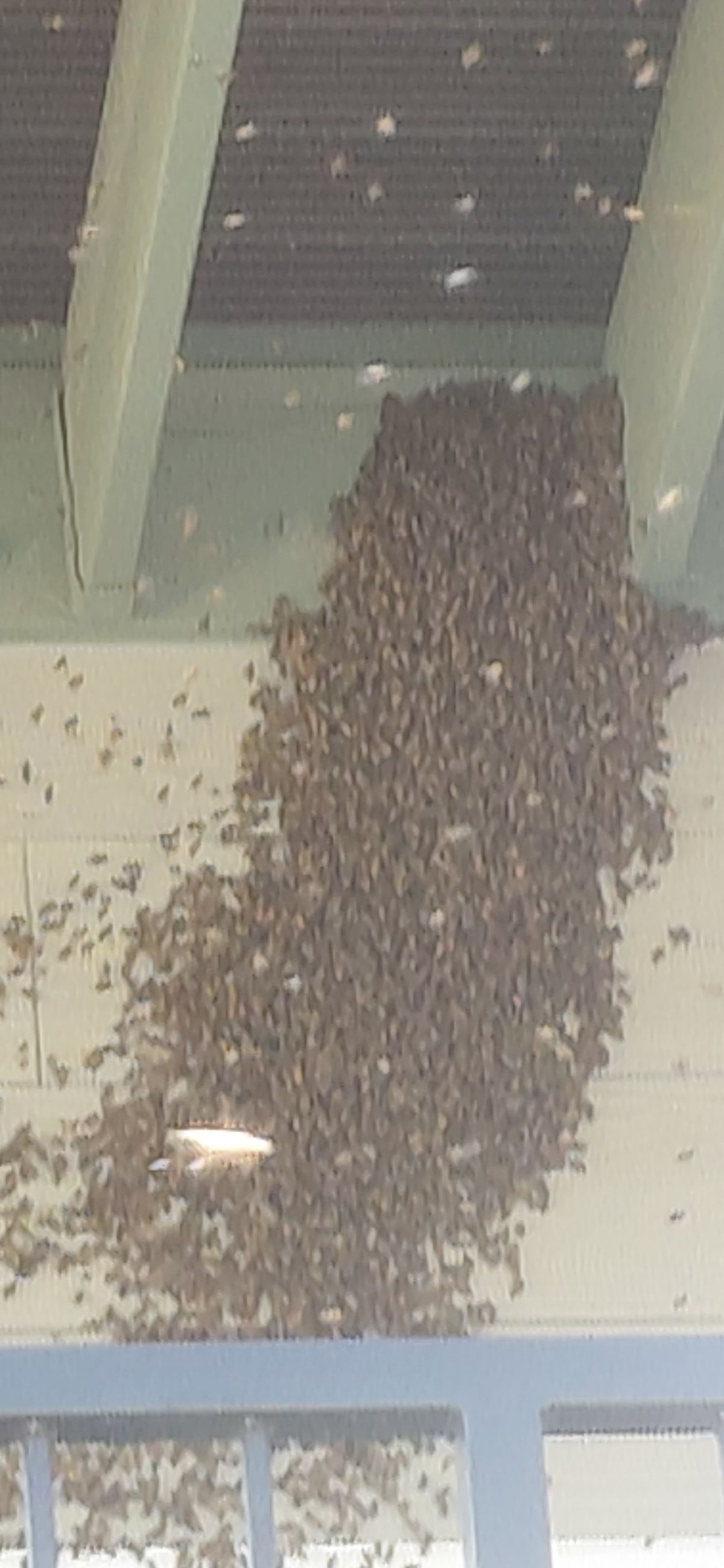
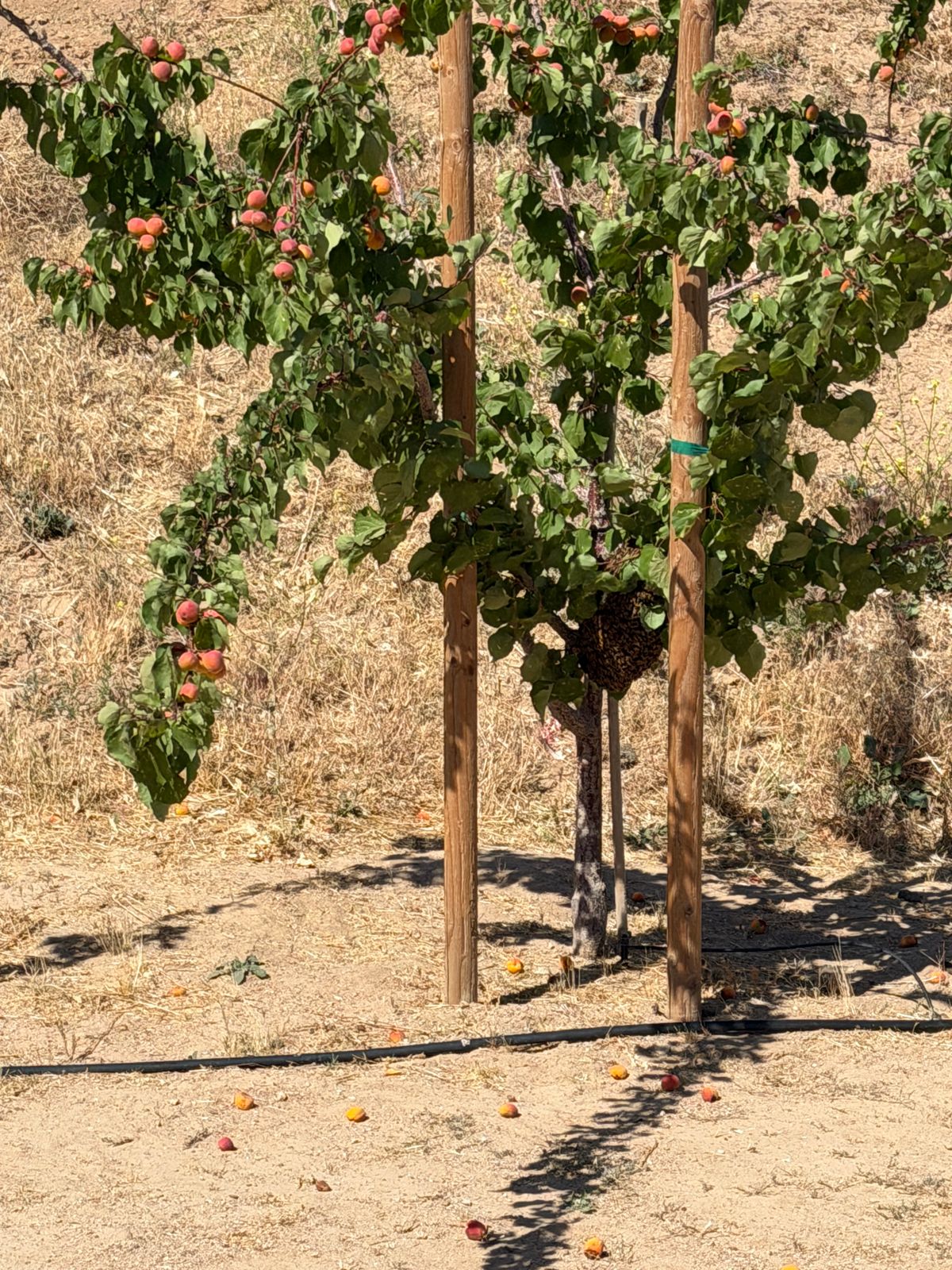
And so, on a warm spring afternoon, it begins. In one synchronized movement, the queen exits the hive. The bees pour out after her, thousands of them, filling the sky with a vibrating cloud of life. The air buzzes with intensity, but what looks like chaos is actually a well-coordinated exodus. The bees cluster around their queen as she finds a temporary perch, often on a tree branch, sometimes on a fence or even a wall. For the moment, they rest, waiting.
Now, they are a swarm—a living, breathing entity suspended in the air, shimmering with activity. Despite their numbers, they are not aggressive. Without a hive to defend, they are focused only on one mission: finding a new home.
From within the swarm, experienced scout bees are already on the move. These bees are the explorers of the colony, tasked with an extraordinary responsibility—to find a suitable new home. They fly in every direction, searching far and wide for a safe, sheltered location. Their tiny wings carry them over fields, through forests, and across towns.
Each scout returns to the swarm with news. They communicate through one of nature’s most remarkable dances—the waggle dance. With precise movements, each scout shares the distance and direction of a potential site. Other scouts follow these instructions, inspecting the locations themselves before returning to the swarm with their own assessments. The decision is democratic, with the entire swarm coming to a consensus.
Perhaps they find a hollow in an ancient oak tree, or an inviting space beneath the eaves of an abandoned barn. Wherever it may be, the location must offer security, shelter from the elements, and enough space for their growing population. The dance continues until agreement is reached—the site has been chosen. Now, the real journey begins.
With the scouts leading the way, the swarm rises once again into the air. The queen follows closely, protected in the heart of this pulsating mass of bees. Thousands of bodies move in unison, the hum of their wings filling the air like a low, resonant song.
They fly together, driven by the instincts that have guided bees for millions of years. Their new home awaits, whether it is a secluded hollow deep in the forest or the sheltered attic of an old farmhouse. It is a sight both awe-inspiring and mysterious—an entire colony on the move, a swarm of bees transitioning from one life to another.
Finally, they arrive. The bees begin to settle into their new dwelling, wasting no time in rebuilding their world. Workers immediately set to work constructing honeycomb, creating the hexagonal cells that will store their food and house their young. The queen resumes her duty, laying eggs that will soon become the next generation of bees. In their new home, the colony begins again, continuing the cycle of life that has sustained them for millennia.
Swarming may seem dramatic, even unsettling to those who witness it, but it is a vital part of a bee's life cycle. It ensures the survival and spread of bee populations, allowing new colonies to form and ecosystems to thrive. Beekeepers, too, understand the value of a swarm, often capturing them to start new hives and protect wild bees from the dangers of urban environments.
The journey of a swarm of bees is a reminder of the delicate balance of nature. From hive to hive, the bees’ relentless drive to thrive, explore, and expand not only strengthens their species but also enriches the landscapes we share with them. Next time you hear the low hum of a swarm passing overhead, take a moment to appreciate their journey—a journey that ensures the survival of one of nature’s most important pollinators.
And if you're lucky enough to witness a swarm land, forming a large clump of honey bees, it's always best to quickly contact a beekeeper. Without a beekeeper, swarms may end up in less than ideal spots, causing a nuisance for the public, and potentially ending with an exterminator being called. By reported swarms at beeswarmed.org/report_swarm (opens in a new tab), you can get a beekeeper to come by to promptly move the bees to a beehive where they can grow and thrive.
California's Golden Opportunity: Harnessing the Spring Swarm For beekeepers across California, the arrival of spring signals more than just almond blossoms and wildflo...
Read More...May 18, 2026
A Beekeeper's Guide to Swarm Collection in Idaho Spring has arrived in the Gem State, and with it, the unmistakable hum of honey bee swarms. For beekeepers, this is a...
Read More...May 18, 2026